Reaching a hundred-year milestone in cinema is a major cultural achievement, especially for a film industry that has continuously grown, redefined itself, and touched audiences across different continents.
Over the past century, Indian cinema has transformed into one of the largest and most productive film industries globally, producing movies in numerous languages while introducing stars, directors, and musicians whose influence has reached far beyond national borders.
The journey of Indian cinema from silent black-and-white productions to high-budget digital spectacles has been marked by creativity, passion, and a deep connection with the public.
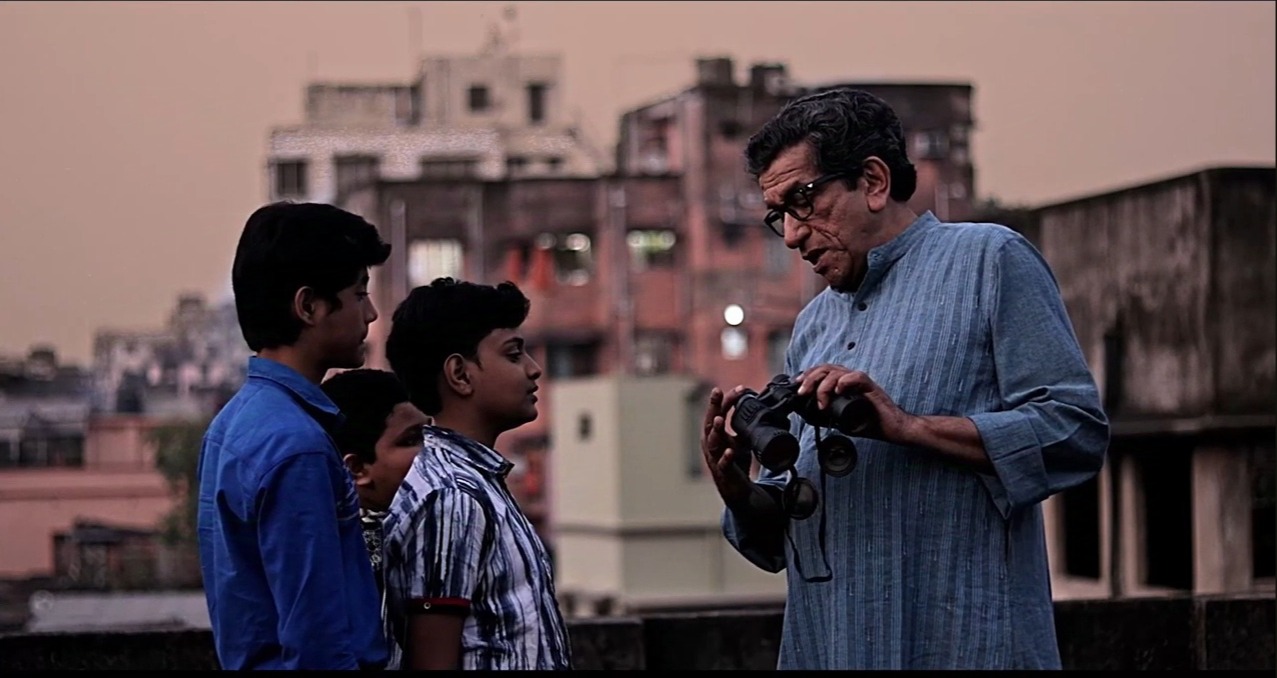
Indian cinema’s journey from mythic tales to multiplex screens (Photo: Getty Images)
From the release of the first full-length feature film Raja Harishchandra in 1913 by Dadasaheb Phalke to the rise of global names like Shah Rukh Khan and Aishwarya Rai, the journey has been filled with artistic brilliance and commercial success.
Over the decades, filmmakers have used the medium not only for entertainment but also to reflect societal issues, historical moments, and emotional struggles. The hundred-year path has seen several phases, each adding something new to the industry’s personality, from the classical era to modern experimental films.
Silent Films and the Birth of Indian Cinema
The early years began with silent films where visuals carried the weight of storytelling. Since sound had not yet been incorporated, actors had to rely on expressive gestures and title cards. Dadasaheb Phalke, often regarded as the father of Indian cinema, introduced audiences to a new form of storytelling.
His film Raja Harishchandra, made without female actors and relying on men to play female roles, was received with great enthusiasm. This moment opened the doors for other pioneers, who started producing films that would resonate with local audiences while drawing inspiration from mythological and historical stories.
The silent era ran for nearly two decades, and during this period, several studios emerged across cities like Mumbai, Kolkata, and Chennai. These establishments gave rise to early forms of studio systems, laying a foundation for a more organised form of film production. By the end of the 1920s, Indian cinema was ready to embrace the introduction of sound.
Introduction of Talkies and Golden Era
When Alam Ara was released in 1931 as the first Indian film with synchronized sound, it caused a nationwide stir. Audiences heard actors deliver dialogues and songs for the first time, and the demand for films with sound increased rapidly. This innovation changed the direction of the industry completely. It was no longer just about visuals; music and voice became major components.
The 1940s to the 1960s are often remembered as a period where cinematic quality and public admiration reached new levels. Directors like Guru Dutt, Raj Kapoor, and Bimal Roy shaped the era with their vision.
Films during this period focused on social reforms, human emotions, and national identity. Songs became deeply tied to the stories, and music directors such as S.D. Burman and singers like Lata Mangeshkar became household names.
Cinemas were filled with audiences who connected with the struggles and triumphs of on-screen characters. Romantic dramas, family sagas, and moral lessons were common themes.
Actors like Dilip Kumar, Nargis, Meena Kumari, and Dev Anand enjoyed fan followings that were unprecedented at the time. The black-and-white films of this era managed to convey deep emotion without the help of visual effects or modern equipment.
Expansion into Regional Cinemas
While Hindi-language films gained national prominence, other language cinemas were growing at their own pace. Tamil, Telugu, Bengali, Malayalam, Kannada, and Marathi films all had rich histories and deep cultural connections with their audiences. Directors such as Satyajit Ray in Bengali cinema brought global recognition through works like Pather Panchali, which received praise in international film circles.
Each region developed its own style, storytelling approach, and acting methods. While Bollywood came to represent Indian cinema internationally, the regional sectors have consistently contributed richly to the film heritage.
From the art-house works of Malayalam films to the mass entertainers in Tamil and Telugu cinema, every part of the country had something unique to offer. Some regional stars became as admired as their Hindi counterparts, proving that talent was widespread and deeply rooted in cultural traditions.
The Arrival of Colour and Technological Growth
By the late 1950s and early 1960s, colour technology made its entry, giving movies a new dimension. Films like Mughal-e-Azam started to show the grandeur that Indian filmmakers could achieve.
The 1970s brought a new kind of star with the rise of Amitabh Bachchan, whose portrayal of the “angry young man” represented frustrations faced by the common man.
This period also saw the emergence of parallel cinema, where filmmakers focused more on realism and social themes rather than commercial formula. Directors like Shyam Benegal and Govind Nihalani presented a different picture of society, and their films were more grounded, often challenging the mainstream. Though such works did not always earn as much money, they gained critical appreciation and introduced audiences to serious cinema.
Music in films continued to evolve, with composers like R.D. Burman blending Indian and Western instruments to create memorable tunes. Playback singers and lyricists became as vital to a movie’s success as the actors themselves.
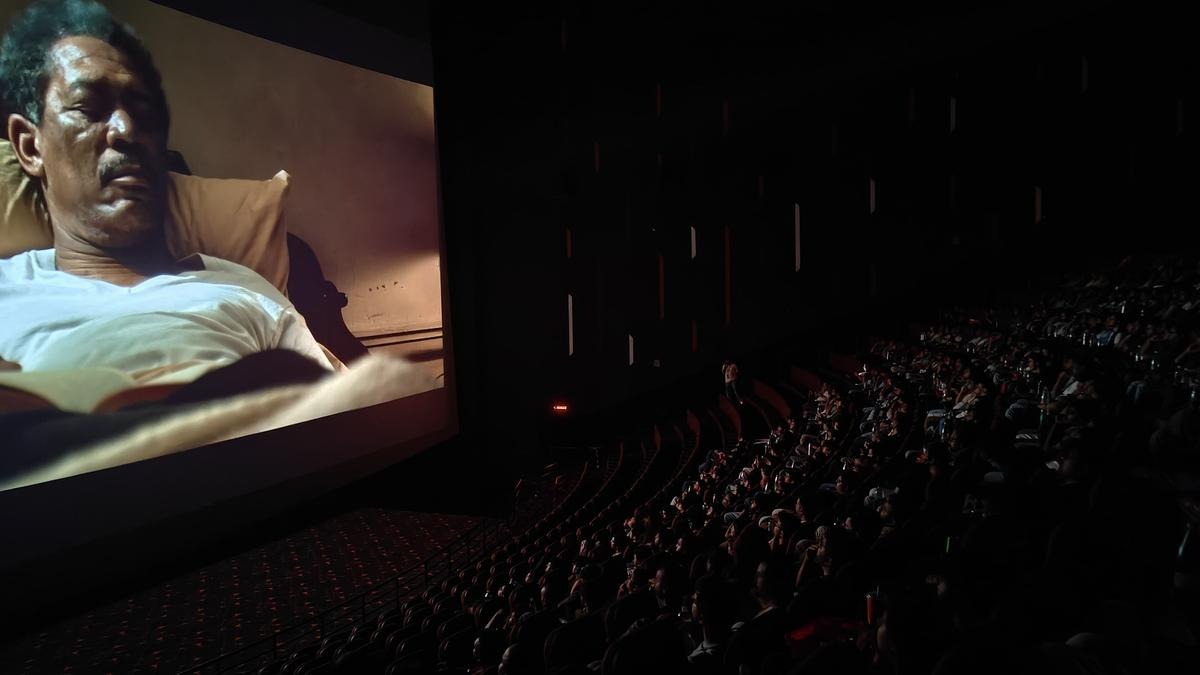
When expressive eyes and title cards carried entire stories (Photo: Pexels)
Global Recognition and Influence
From the late 1990s into the 2000s, Indian cinema began to find more presence outside the country. Films were being shown at international film festivals, and Non-Resident Indians created a new market abroad.
Movies like Lagaan, Dil Se, and Kabhi Khushi Kabhie Gham received wide acceptance in countries such as the United Kingdom, United States, and various parts of the Middle East and Africa.
Actors like Aishwarya Rai, Irrfan Khan, and Priyanka Chopra stepped into Hollywood projects, proving that Indian talent could perform well globally. While earlier Indian films mainly stayed within their linguistic boundaries, newer films started using subtitles and dubbing to reach broader audiences.
Streaming platforms have pushed this further, allowing people across the globe to access regional Indian films they might never have seen in cinemas. This digital reach has allowed diverse content to be appreciated by viewers from different backgrounds. Today, a Malayalam film can become as widely discussed as a Hindi blockbuster.
Present-Day Trends
Contemporary Indian cinema now includes a mixture of content-driven stories and visually grand productions. Directors are no longer restricted by traditional formats.
Experimentation has become more common, and audiences have shown readiness for new concepts. Films dealing with identity, mental health, politics, and gender equality are finding commercial space alongside more action-packed entertainers.
Women filmmakers and screenwriters are also playing greater roles in shaping modern stories. Regional films are winning national awards more frequently, and actors from smaller towns are finding mainstream acceptance. While box office success remains important, artistic quality is being appreciated more than before.
With improved visual effects, sound technology, and global partnerships, Indian films now meet international standards in many technical areas. At the same time, the cultural elements that have long defined Indian cinema music, emotion, family ties continue to hold strong.
Reflection on the Legacy and Cultural Impact
The connection between cinema and the everyday life of people in India is hard to overstate. For many, films are more than just entertainment they are memories, lessons, and experiences passed through generations. Movie stars enjoy an influence that rivals political figures, and songs from films often become part of people’s daily routines.
As Indian cinema completes a hundred years, the appreciation is not just for the number of films made or the profits earned, but for the way it has touched people’s hearts. From black-and-white silent reels to colourful, digitally-enhanced blockbusters, the film industry has evolved with the times while maintaining its cultural roots.
This long and active journey continues with the next generation of artists, producers, and audiences ready to carry forward a tradition that remains deeply valued by millions across the world.