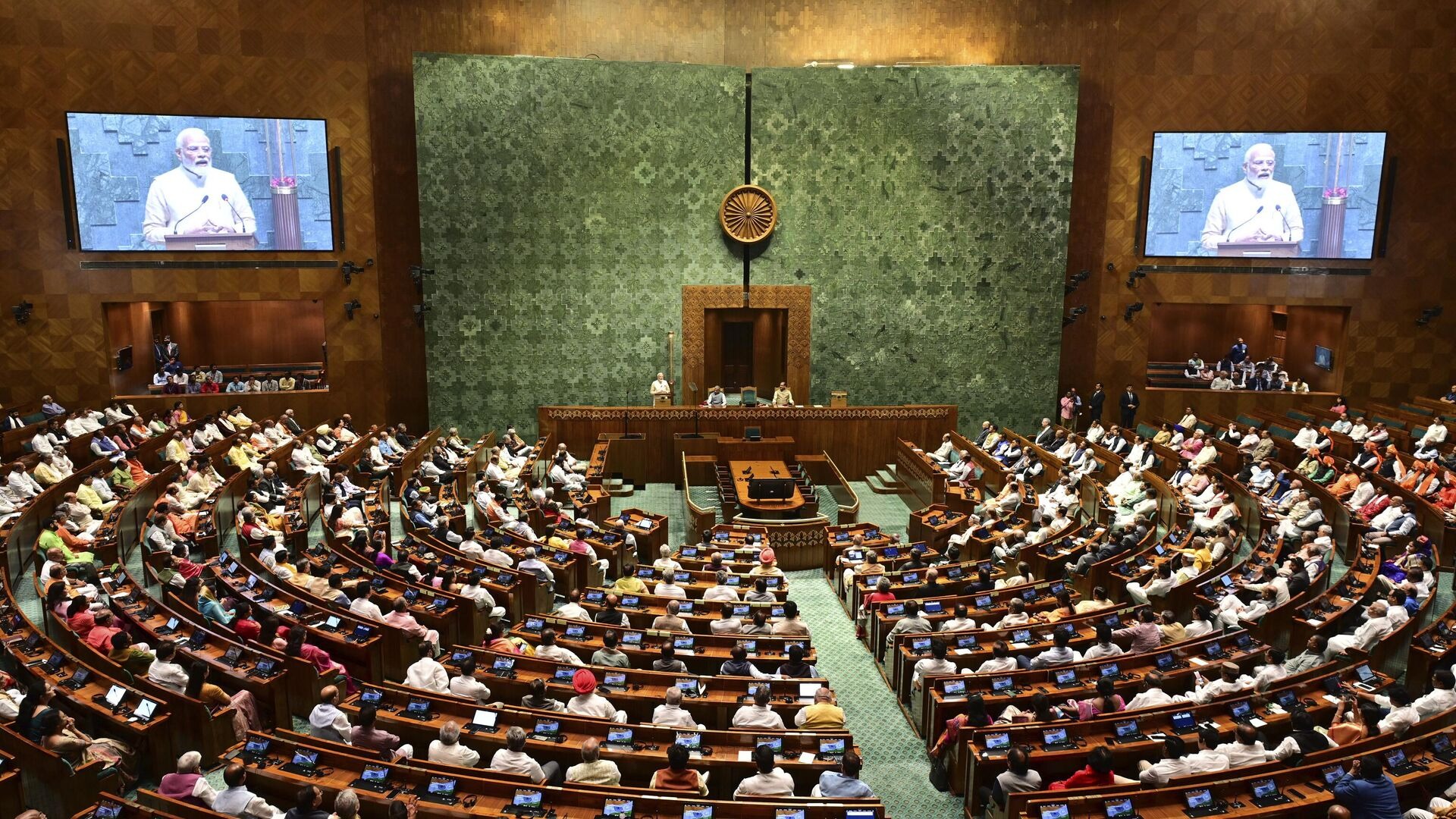
Parliamentary sessions hold a central position in ensuring the democratic process stays active and accountable. These gatherings allow elected representatives to express the concerns of the people they represent while also contributing to legislative duties.
Through these sessions, laws are shaped, amended or repealed as needed, and the government is questioned on its actions and policies. Without this structured engagement, the government could function without adequate checks from the legislative arm. These sessions are essential for transparency, creating an environment where public matters can be discussed openly and recorded officially.
Held at specific intervals throughout the year, these sessions give parliamentarians the opportunity to evaluate, debate and influence national policies. It also enables them to scrutinise proposed laws in detail before passing them. This system ensures that no law is passed in haste without due consideration.
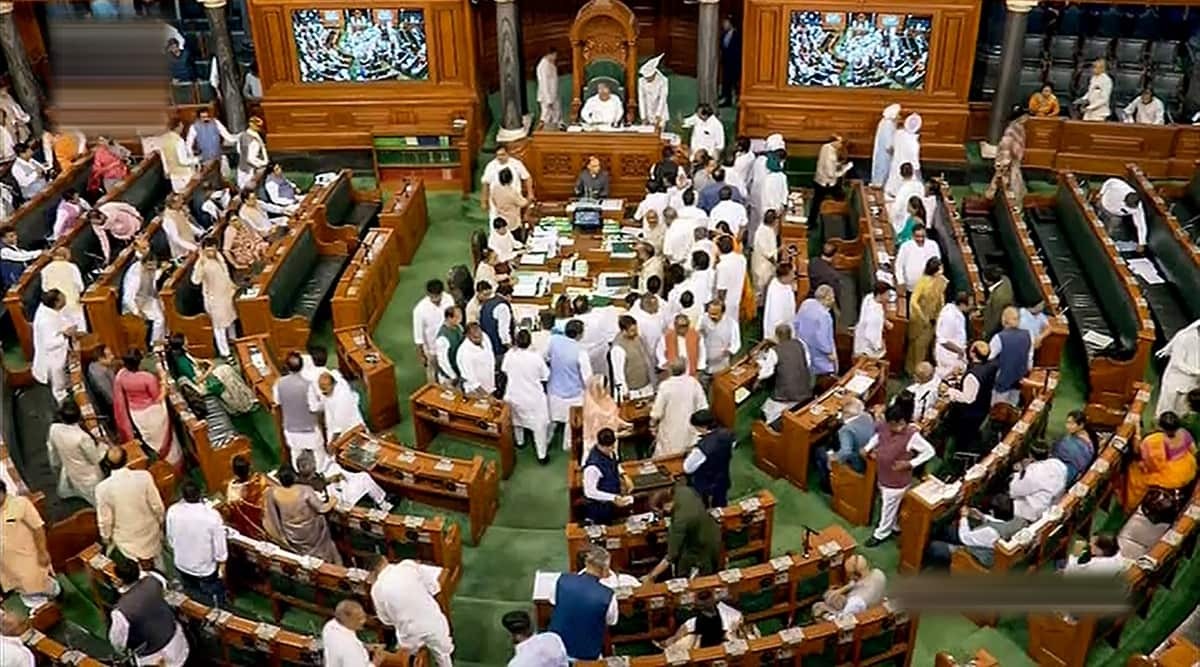
Accountability takes center stage in every session (Photo: Shutter Stock)
The process promotes participation from various political parties, creating a balanced platform where no single side dominates the entire conversation. These meetings also provide room for ministers to clarify their plans, explain administrative decisions and offer updates on national concerns.
Sessions of Parliament help to promote good governance by demanding accountability from public officials. Ministers are required to answer tough questions, explain budget allocations and respond to criticisms from opposition members.
These proceedings are carried out in the open, allowing citizens to follow and assess the performance of those they elected. It gives the public insight into how leaders behave when faced with scrutiny, helping voters make informed choices during future elections.
Types of Parliamentary Sessions in India
Parliament in India generally meets three times every year. These include the Budget Session, Monsoon Session and Winter Session. Each one comes with its own set of objectives and timelines.
The Budget Session is usually the longest and most detailed. It begins early in the year and focuses heavily on the nation’s financial planning. Here, the Union Budget is presented and debated before it is accepted or revised. The government’s spending pattern, revenue sources and borrowing plans are all thoroughly discussed during this period.
The Monsoon Session happens around July and August. Its purpose is to review legislative proposals and discuss issues that may have emerged during the earlier months of the year.
This session is often intense due to accumulated matters that require urgent attention. On the other hand, the Winter Session generally takes place towards the end of the year. It is shorter but still crucial, often dealing with unfinished business from previous meetings and sometimes introducing new bills.
Each session begins with a formal announcement and a schedule is prepared, detailing the days allocated to each topic. Parliamentary leaders plan these sessions in advance to ensure proper time is devoted to legislative and non-legislative business. This planning helps avoid unnecessary delays and keeps the government working within set parameters.
Legislative Function and Law-Making
A vital responsibility of Parliament is making laws that guide the country’s affairs. Members of both Lok Sabha and Rajya Sabha engage in discussions, propose changes and vote on bills.
The process starts with the introduction of a bill, which can be proposed by a government minister or even a private member. It goes through several stages before becoming law. These stages include presentation, examination, debate and final approval.
The bill must be accepted by both houses before it is sent to the President for final consent. During these stages, different viewpoints are shared, helping to refine the bill. Parliamentary committees may be tasked with studying the bill further, giving expert advice and suggesting modifications. These committees operate independently and play a central role in reducing errors that could affect how the law performs in reality.
Law-making is not just a ceremonial event. It affects millions of people. For this reason, every word in the proposed bill matters. Parliamentary sessions give the space for such detailed examination and allow elected leaders to reflect the will of the people through their input.
Accountability and Ministerial Responsibility
Parliament is where the government is held responsible for its actions. Ministers are expected to justify their performance and explain policy directions. Members of Parliament can raise questions, request clarification and challenge inconsistencies. These exchanges are usually sharp and pointed, reflecting the seriousness of their impact.
There are dedicated hours during sessions for questions and discussions. The first hour of most parliamentary days is known as the Question Hour, where ministers must respond to questions asked by members.
This period is crucial as it reveals how informed ministers are and how willing they are to respond truthfully. Question Hour is followed by Zero Hour, a time slot used to bring up urgent matters that need immediate attention but are not scheduled in the official programme.
These tools serve to keep the government grounded. Ministers cannot ignore issues raised by opposition parties or members from their own side. Such constant interaction reinforces responsibility. Leaders are reminded that they serve the people and their actions will be recorded and judged.
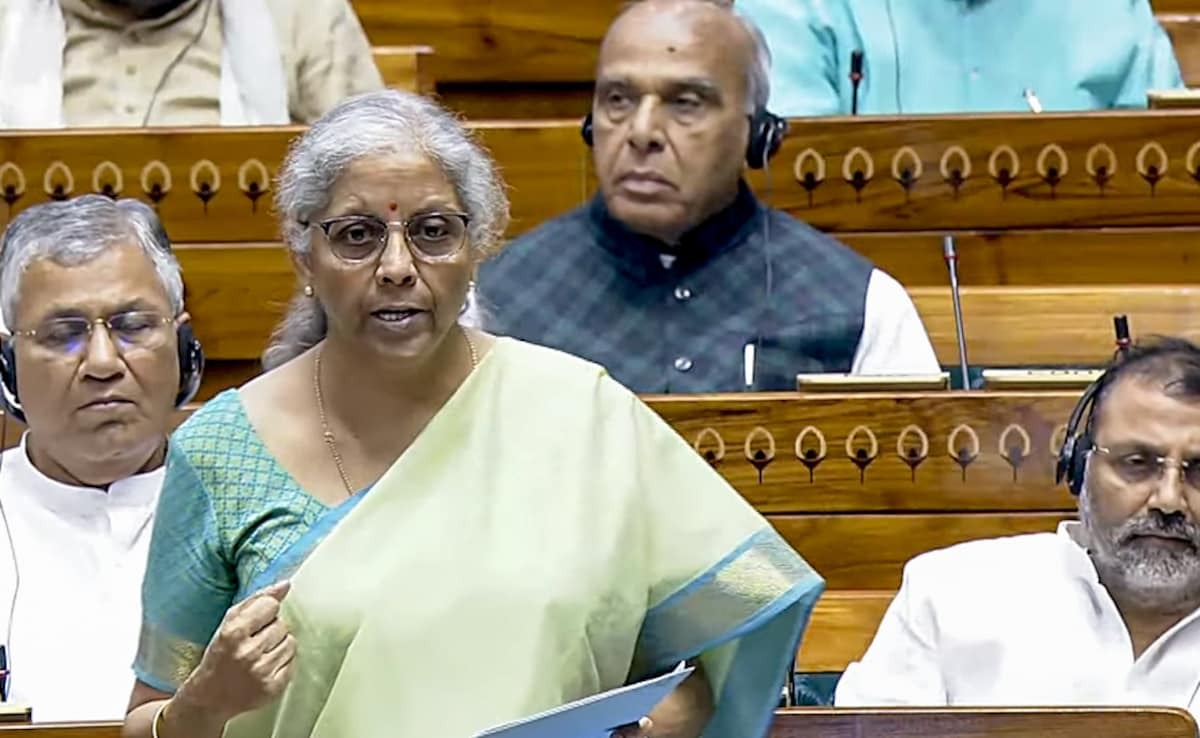
Democracy in action with every debate and decision (Photo: Alamy)
Debates on National Issues and Policy Review
Parliamentary sessions are also a platform for engaging in conversations about current events and long-term plans. Members debate critical subjects such as inflation, security, education, health, unemployment and environmental policies. These discussions help shape public opinion and create pressure on the government to act promptly and wisely.
The debates also serve to bring neglected issues into the spotlight. When multiple members raise the same concern, it signals that the problem is widespread and needs urgent government attention. Members with knowledge in certain areas often lead these conversations, offering insights that may not have been considered during the drafting of a policy.
Policy reviews take place during these conversations. If a scheme or programme is failing, Parliament becomes the place where its challenges are exposed and suggestions for improvement are tabled. This gives policymakers a chance to return to the drawing board and come up with better versions of their original plans.
Budget Presentation and Financial Oversight
The national budget is a central topic during the Budget Session. It presents the government’s income and expenditure plan for the year. Parliament plays a big role in approving this plan. No money can be spent without the approval of Parliament. Members study the figures in detail and offer feedback that can lead to revisions.
The Finance Minister explains the reasoning behind the allocations, and members are free to express approval or concerns. This process is followed by the passing of the Appropriation Bill and the Finance Bill, which give legal backing to budgetary decisions.
Apart from approving the budget, Parliament also keeps an eye on how public money is being spent. Through standing committees, audits and performance reports, the institution ensures funds are used properly and not wasted. These checks prevent misuse of power and help reduce corruption.
Role of Committees in Enhancing Functionality
Parliamentary committees are smaller groups formed to deal with specific subjects. These include Public Accounts Committee, Estimates Committee and Departmental Standing Committees.
They perform tasks that the full house cannot do effectively due to time constraints. Their job is to examine bills in detail, review government performance and offer recommendations.
These committees are made up of members from different parties, which helps maintain balance. Their reports are respected because they involve research and consultation. The government often accepts their suggestions, using them to improve governance.
Committees operate quietly and efficiently, with less drama compared to open floor debates. This allows them to be more objective. Their work gives Parliament a deeper understanding of issues before making final decisions.
Each Session and Public Access
After each session ends, records are made available to the public. Proceedings are documented and can be accessed through official publications or media broadcasts. This openness builds public trust. Citizens have the chance to observe how active their representatives were, what questions they raised and which laws were passed.
Attendance records, speeches, votes and bills are all made available. This transparency strengthens democracy by linking actions taken in Parliament to public interests. When people follow what goes on during these sessions, they can hold their leaders accountable during elections.
Parliamentary sessions continue to shape the direction of national governance. They provide a foundation where legislative, financial and administrative issues are addressed with input from various stakeholders. Through structured debate, legislative review, financial monitoring and policy discussions, these sessions form an essential part of how governance functions in India.