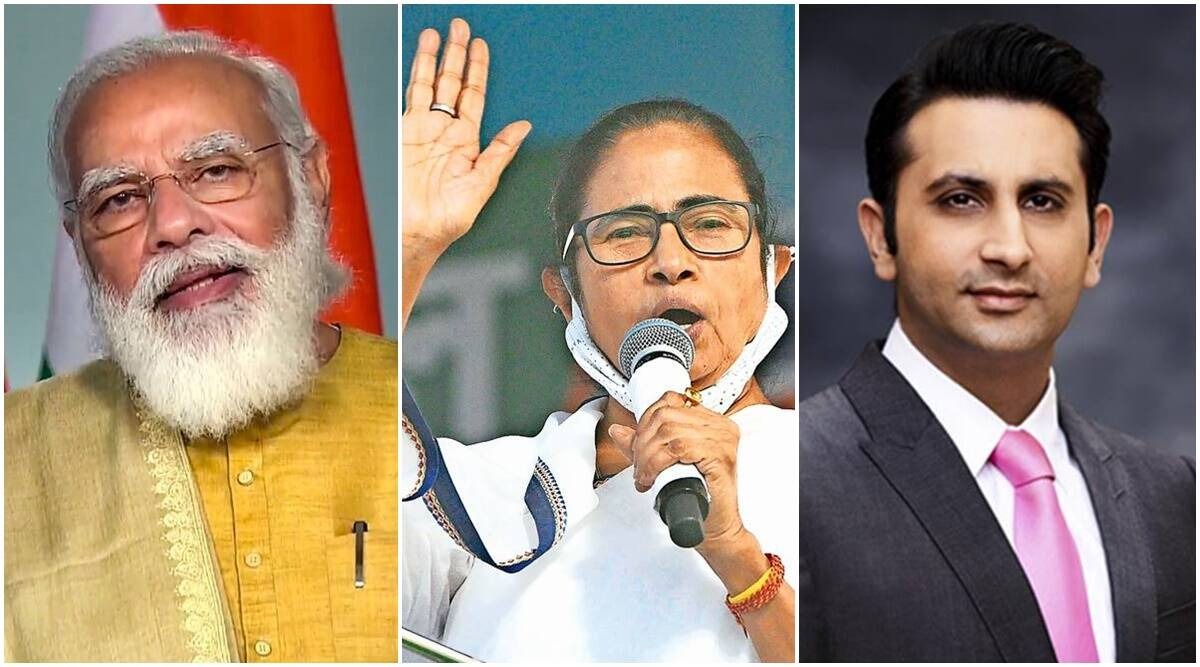
Power and political reach at the state level remain central to how a federal government functions, especially in a country as diverse and populous as India. Chief Ministers do not only serve as administrators of their states, they also emerge as major power brokers whose influence sometimes shapes national policies and political strategies.
Their charisma, administrative skills, public support, and party connections have placed some far ahead of their peers in terms of visibility and influence. The current political atmosphere is charged with discussions about who holds the most clout among these state leaders. While several figures have made their mark, a select few stand tall due to their widespread recognition, control over governance, and political endurance.
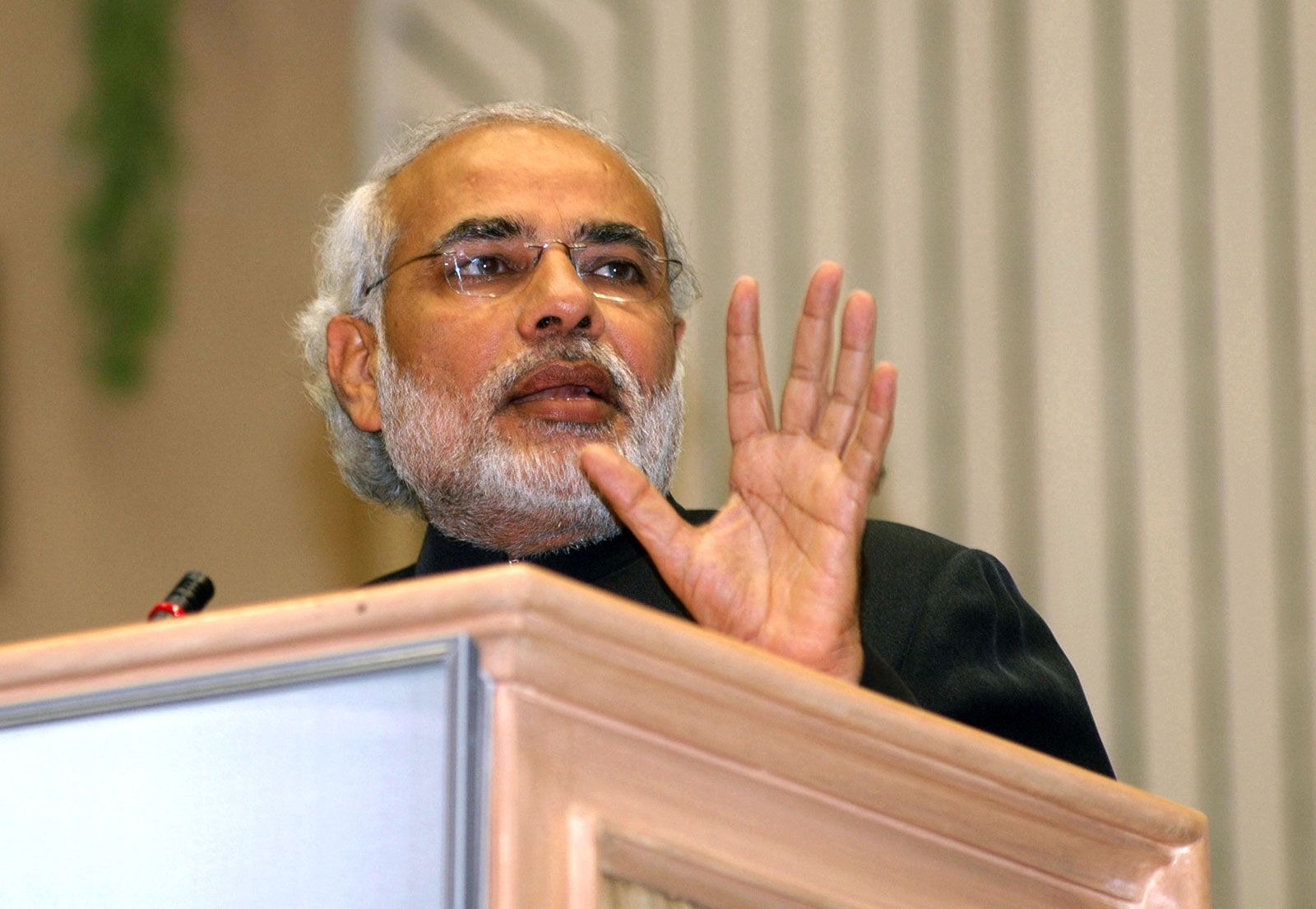
Chief Ministers shape the future beyond their regional borders (Photo: Pexels)
This list focuses on five such Chief Ministers who command national attention through the authority they wield and the role they play within their political alliances or parties. Their names often come up in conversations that concern broader political moves, national elections, or party leadership.
Whether through reforms, mass outreach, or tight control over administrative machinery, these leaders have drawn both praise and criticism but continue to remain highly relevant in the present-day political climate.
Yogi Adityanath – Uttar Pradesh
Yogi Adityanath has maintained a tight grip on Uttar Pradesh since 2017, overseeing a state with over 200 million people. His background as a Hindu monk, combined with his political assertiveness, has brought a unique identity to his leadership style.
Under his administration, law enforcement has been pushed to the forefront, with various measures taken to project strength and control. Critics have often raised concerns about heavy-handed tactics, but his supporters see these moves as measures taken to ensure safety and discipline across the state.
He has positioned himself as one of the most visible representatives of the Bharatiya Janata Party outside the Prime Minister and Home Minister. His governance agenda mixes infrastructure expansion, religious tourism, and public welfare schemes, all of which feed into his growing base.
His ability to blend ideological commitment with administrative execution has given him a stable position within national conversations. His name often surfaces whenever there are talks of future national leadership within the BJP.
Mamata Banerjee – West Bengal
Mamata Banerjee stands as a figure of resilience, known for her grassroots connection and unshakable political instincts. Her leadership of West Bengal has been marked by strong pushback against central authority, particularly when it concerns policies that she believes infringe on state rights. As the head of the Trinamool Congress, she remains one of the few state leaders who challenge national-level stories with consistent intensity.
Under her leadership, West Bengal has seen efforts towards economic reform, social welfare schemes, and investments in cultural projects. Her administrative focus has also included schemes aimed at empowering women and supporting marginalised communities.
Her repeated election victories, especially against a powerful central party machine, have earned her a reputation as someone who refuses to be pushed aside. Her political presence is felt both inside and outside her state, particularly when discussions moves towards opposition unity or federal balance.
M. K. Stalin – Tamil Nadu
M. K. Stalin has taken his father’s legacy forward by establishing a firm hold over Tamil Nadu’s political affairs. His leadership has brought renewed attention to the Dravidian model of governance, one that places high importance on education, health, and social justice. Since taking office, he has focused on reshaping government systems to reduce red tape, improve access to public services, and uphold regional identity.
He maintains consistent communication with the public through digital platforms and structured welfare initiatives. His calm yet firm leadership style has distinguished him from more aggressive political figures.
Though not flashy in presentation, he has gained a reputation for clear decision-making and focused administration. His voice carries weight when state rights and federalism are discussed, and he often participates in collective efforts among opposition leaders, especially when debates around constitutional values and secularism arise.
Arvind Kejriwal – Delhi
Arvind Kejriwal brought a different approach to governance when he stepped into power in Delhi. With a background in public administration and anti-corruption activism, his entry into politics disrupted traditional patterns. Over time, he has transitioned from being seen as a protest leader to someone who commands a well-run administrative team in the capital.
Delhi under his rule has placed strong emphasis on healthcare, education, electricity subsidies, and free access to water. These targeted schemes have earned his government praise from many middle- and lower-income citizens. His ability to maintain popularity despite frequent clashes with the central government has contributed to his profile as a resilient administrator.
As leader of the Aam Aadmi Party, he also continues to expand his political reach to other states, trying to grow beyond the confines of the capital city. His national ambition remains visible through regular campaigning and policy branding efforts in states beyond Delhi.
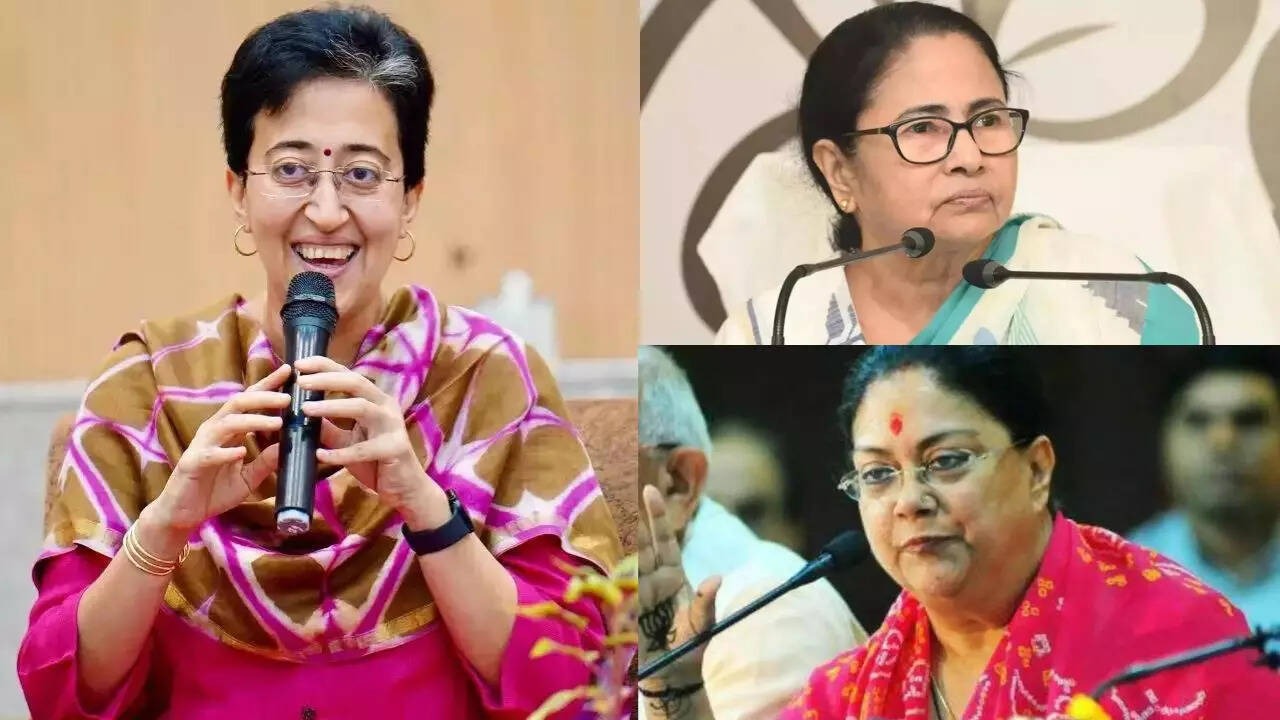
Political clout rises as state heads redefine their roles (Photo: Twitter)
Nitish Kumar – Bihar
Nitish Kumar’s career reflects adaptability and administrative experience across various political alignments. He has served multiple terms as Bihar’s Chief Minister and has built a reputation for balancing development with social inclusivity. His leadership has often been credited with bringing infrastructural improvements to a state that had long lagged behind in various metrics.
He has moved across party lines when he feels the need to recalibrate his strategies, showing that his priorities often lie in governance rather than rigid ideological commitment.
He has played a crucial role in bringing different political formations together, especially during times when opposition coalitions are under discussion. His approach to coalition-building and his long-standing career have made him a central figure in national-level opposition arrangements.
His focus on education, law and order, and infrastructure has helped him retain control over Bihar’s political direction. While his frequent political switches have drawn mixed opinions, his importance as a deal-maker in coalition politics cannot be ignored.
Rising Importance of State-Level Leadership
Across India, state leaders now carry more influence in determining the direction of national affairs than ever before. The five Chief Ministers mentioned here continue to stand out due to the way they manage their governments, connect with their populations, and influence discussions beyond their borders. These individuals draw both support and criticism, but they remain active in shaping how political debate uncovers across the country.
Each of them carries a unique political story shaped by their experiences, regional concerns, and leadership style. Some rely on ideological firmness, while others draw strength from their administrative efficiency or grassroots appeal.
They have become central players during election seasons, national debates, and policymaking processes. Their relevance extends beyond votes or headlines. It lies in their ability to represent their constituencies with firmness while participating in discussions that involve the whole country.
While many others continue to work at the state level with dedication, the figures outlined above consistently command broader attention due to their reach, political calculations, and governing records.
Their actions often send signals that affect political strategies even at the national party level. As India continues to develop, these leaders will likely play critical roles in shaping the direction that governance, economic reform, and social policies will take.
Whether one agrees with their methods or not, it is clear that their leadership styles reflect different models of what governance looks like today. Each of them offers a version of state administration that reflects the region they serve. This mix of public engagement, control over state machinery, and ideological positioning keeps them on the radar when it comes to national influence.
The power balance between state governments and the central authority keeps shifting, but these five leaders have managed to secure their place through a combination of electoral strength, public communication, and administrative action. Their presence continues to impact both their states and the broader political picture.