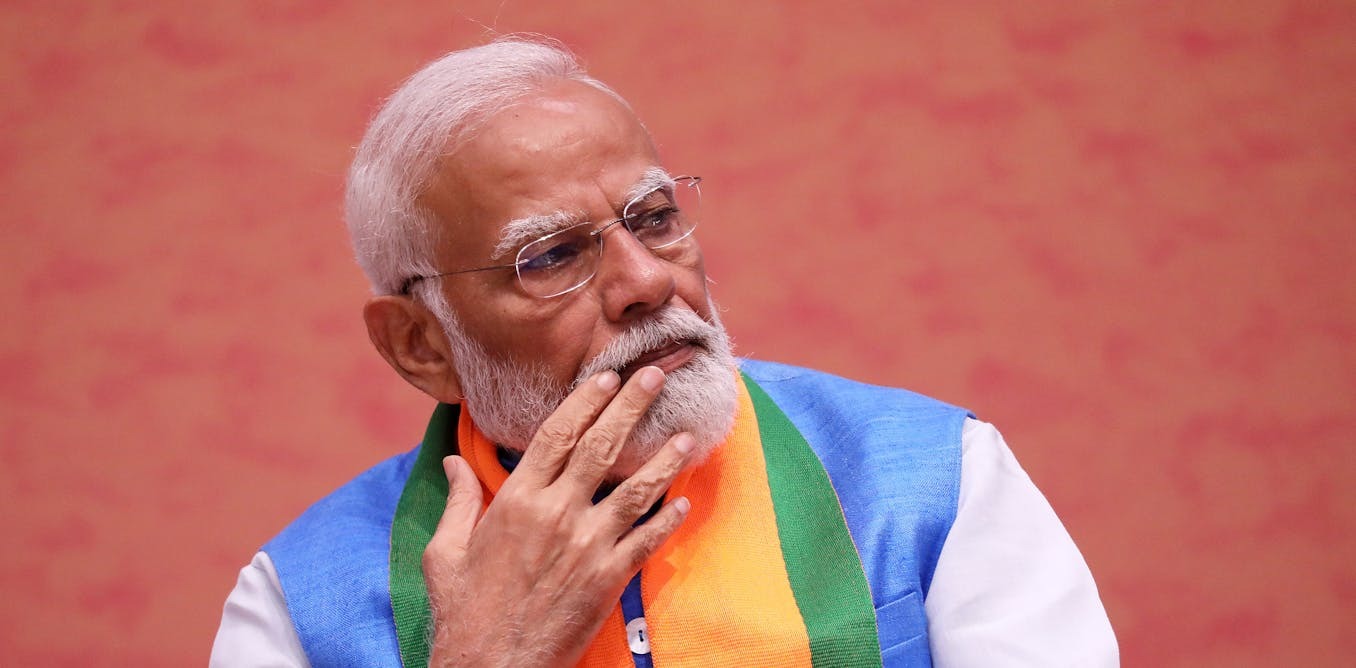
A fresh wave of political direction began in 2014, marked by changes across various sectors of governance. From economic measures to infrastructural renewal, the government introduced several programmes aimed at transforming public life and increasing efficiency.
These developments reflect efforts to improve service delivery and advance national development goals. Over the past decade, several government-led actions have produced measurable progress in various areas, including social welfare, foreign policy, and digital engagement. The approach adopted by the administration placed emphasis on direct outreach and restructuring major institutions for better coordination.
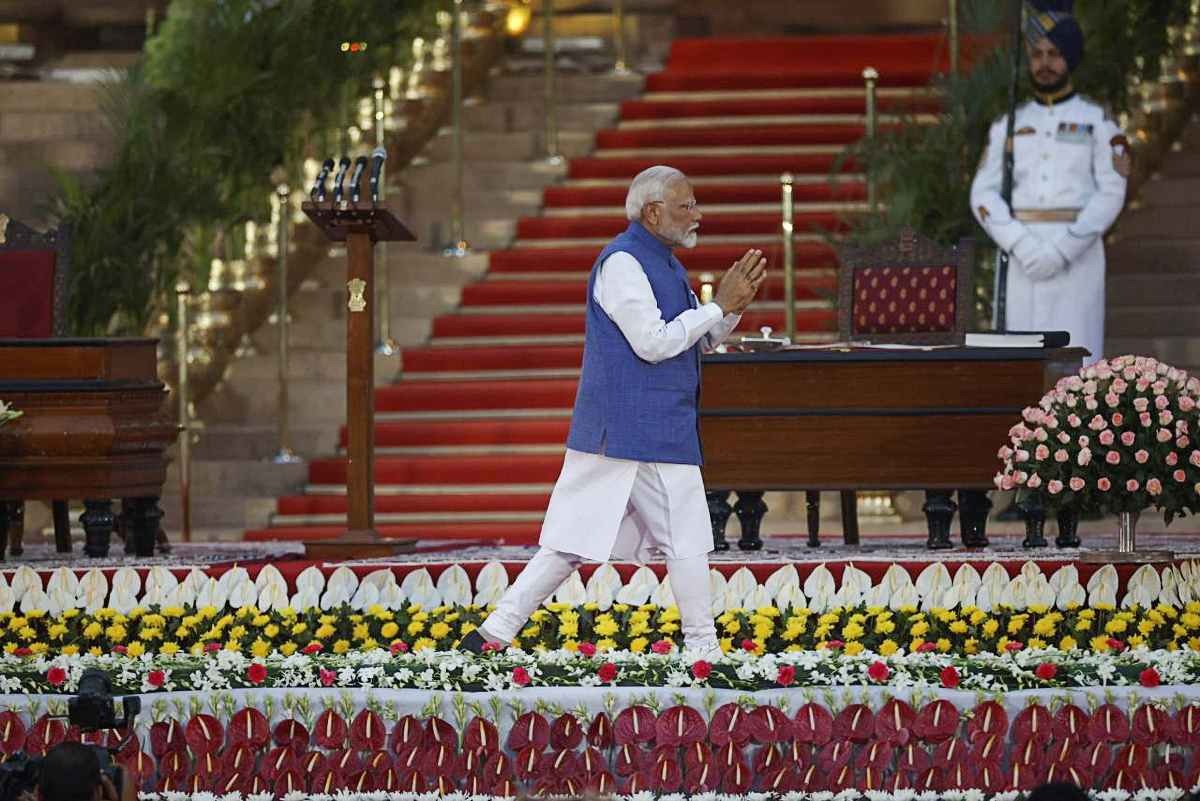
Public policy shifted gears in 2014 setting a new tone for national progress (Photo: Flickr)
Changes introduced since then have influenced everyday life for citizens and shifted how governmental bodies operate. Many of these actions were designed with long-term objectives in mind, and while public opinion remains diverse, the results recorded so far cannot be ignored.
A review of this period points to areas of improvement in infrastructure, financial systems, environmental policy, and national security. Certain programmes were designed to touch multiple sectors at once, while others focused on specific groups or industries.
Public conversation around governance since 2014 often circles back to a few standout actions, which include technological upgrades, welfare schemes, and diplomatic engagement. Each initiative brought with it new policy thinking, public interaction strategies, and a focus on measurable outcomes.
Let us now look into the areas where visible progress has been recorded since 2014.
1. Expansion of Digital Infrastructure and Services
Digital service delivery became a priority, with the launch of platforms intended to simplify access to government offerings. One such move was the Digital India campaign, which aimed to increase digital literacy, improve internet connectivity, and move many public services online.
Citizens can now carry out several tasks such as paying utility bills, applying for passports, or obtaining documents, all through mobile devices or computers. This effort gave rise to digital payment systems, particularly UPI, which quickly became part of daily life for millions.
The transformation extended into rural areas as broadband penetration grew. With better connectivity, opportunities in e-learning, telemedicine, and e-governance reached previously neglected regions.
It also allowed entrepreneurs and small-scale businesses to function with fewer barriers related to documentation or financial transactions. By prioritising digital inclusion, the government aimed to reduce delays and encourage faster access to essential services.
2. Introduction of the Goods and Services Tax (GST)
One of the most talked-about policy moves during this period was the implementation of GST. It replaced a wide range of state and central taxes with one uniform system. Businesses, both large and small, had to adjust to this new structure, which aimed to reduce the burden of multiple filings and bring more transparency into the tax collection process.
This change was particularly important for interstate commerce. Before GST, traders and companies had to pay various levies that differed from one state to another.
With a common tax framework now in place, it became easier to move goods across state lines and maintain uniform pricing across the country. The policy continues to undergo refinements, but its introduction marked a strong move toward tax system modernisation.
3. Strengthening Foreign Relations and Defence Capabilities
Efforts to improve international ties were given renewed attention. India made diplomatic visits to a wide range of countries, entering into new partnerships across sectors such as defence, trade, and energy. These efforts were often supported by an active presence in global forums and summits, including G20 meetings and strategic dialogues.
Defence production also received attention, with policies introduced to encourage local manufacturing of weapons and military equipment. Campaigns such as ‘Make in India’ were designed to reduce reliance on imports and develop domestic industries.
At the same time, defence personnel welfare, border security upgrades, and the procurement of modern weaponry were pushed forward as part of long-term planning.
4. Financial Inclusion and Direct Benefit Transfers
Access to financial services widened during this period, particularly through the Jan Dhan Yojana, which encouraged every citizen to open a zero-balance bank account. Millions of households who had never engaged with formal banking were brought into the system. This expansion gave the government an avenue to distribute funds directly, reducing delays and avoiding leakage through intermediaries.
Subsidies, pensions, and other entitlements were moved to digital channels. This change increased efficiency and reduced errors in delivery. With biometric-linked Aadhaar cards connected to bank accounts, beneficiaries could receive funds directly. This model of financial inclusion not only helped in emergencies such as during the pandemic but also created a foundation for future social assistance schemes.
5. Agricultural Reforms and Rural Development
Farming communities were targeted for development through schemes that focused on irrigation, crop insurance, and soil health. Initiatives such as PM-KISAN provided direct income support to small and marginal farmers.
These schemes aimed to stabilise farm income and offer some form of buffer against unpredictable conditions such as poor rainfall or market price fluctuations.
Rural infrastructure was improved through the construction of roads, electrification of villages, and the promotion of LPG connections under the Ujjwala Yojana.
Rural housing saw expansion under the Pradhan Mantri Awas Yojana. These combined efforts helped in reducing dependence on traditional fuels, improving living conditions, and increasing access to markets and services.
6. Environmental Focus and Renewable Energy Push
Renewable energy received increased investment. Solar energy projects, in particular, were promoted under the National Solar Mission. The government focused on building solar parks and supporting rooftop solar installations across both urban and rural zones. Wind energy also found space in the national energy mix, contributing to a gradual change in energy sourcing.
Efforts to reduce pollution included controlling industrial emissions and improving air quality in major cities. Clean cooking fuel was provided to families in rural areas, reducing dependence on wood and kerosene.
The government also introduced measures to improve forest cover and promote cleaner technologies in public transportation, including electric buses and metro systems.
7. Expansion of Healthcare Access and Insurance
Healthcare delivery was strengthened through the Ayushman Bharat programme, which provided insurance coverage to millions of low-income families. Hospitals registered under the scheme could offer cashless treatment to eligible citizens, especially for major procedures. This created a safety net for families that previously had limited access to quality medical care.
The programme also included the establishment of Health and Wellness Centres across different regions to provide basic medical services. Preventive care, diagnostics, and maternal health were given particular focus. Medical education and the establishment of new institutions were promoted to deal with the shortage of trained professionals in the sector.
8. Focus on Women Empowerment and Gender Inclusion
Efforts to uplift women found expression through various schemes and laws. The Beti Bachao Beti Padhao campaign encouraged education for girls, while the Maternity Benefit (Amendment) Act extended paid leave for working mothers. Financial support and self-employment programmes were also extended to women under various entrepreneurship schemes.
Women’s participation in public and political life increased through reservation policies in local governance structures and increased representation in several sectors.
Sanitary hygiene was addressed through government-sponsored distribution of sanitary pads and the construction of toilets under the Swachh Bharat Mission. These steps were taken to ensure dignity and better health outcomes for women, particularly in rural areas.
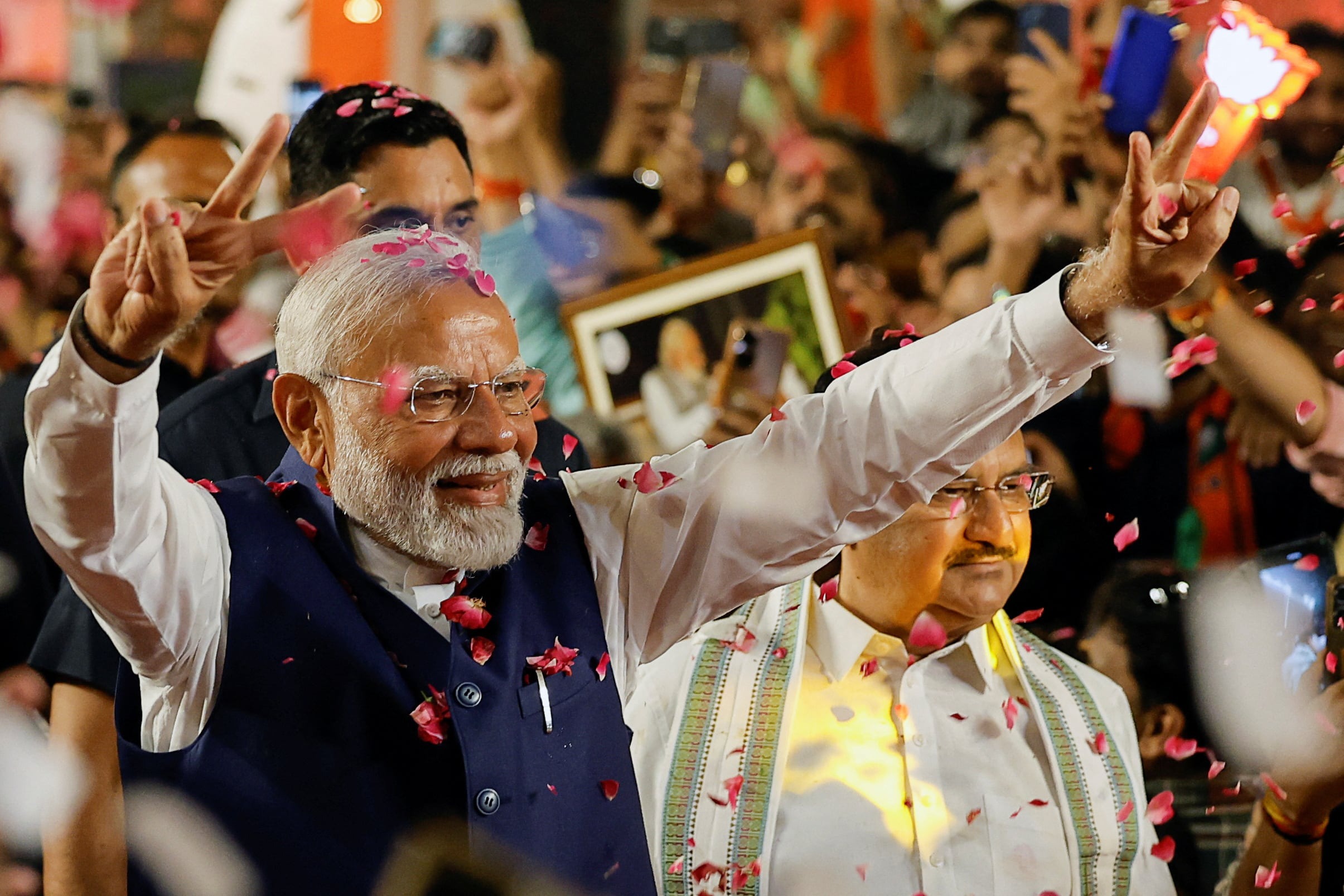
High-speed internet is reaching deeper into rural communities unlocking opportunity (Photo: Pexels)
9. Major Investments in Infrastructure and Transportation
Road development and rail modernisation were prioritised through increased public funding and private sector participation. Projects such as the Bharatmala Pariyojana and Sagarmala Programme were introduced to improve highways, port connectivity, and inland waterways.
These efforts aimed at reducing travel time, enhancing logistics, and supporting regional trade. Expressways connecting major cities were completed or expanded, helping both commuters and commercial transporters operate more efficiently.
Urban transportation also saw improvements, especially with the growth of metro rail systems in cities like Delhi, Lucknow, Ahmedabad, and Pune. Airports were upgraded and new terminals commissioned, with special focus on regional air connectivity under UDAN (Ude Desh Ka Aam Nagrik).
These changes have made it easier for people to access remote parts of the country while reducing pressure on overburdened transport networks in larger cities. Freight corridors were also launched to help industries transport goods more efficiently without delay caused by passenger traffic.
10. Reform of Labour Laws and Support for Formal Employment
Labour laws were reorganised to make compliance easier for employers while ensuring protection for workers. The government merged several older regulations into four broad labour codes covering wages, industrial relations, social security, and occupational safety.
This step was taken to reduce regulatory confusion and make job creation more business-friendly. Small and medium-scale enterprises particularly benefitted from the streamlined approach, as it reduced paperwork and simplified dispute resolution.
Efforts were also made to improve working conditions through digital platforms that allowed workers to register for benefits. Social security coverage was expanded, and schemes like the Pradhan Mantri Shram Yogi Maandhan provided pension support to unorganised sector workers.
By encouraging formal employment through incentives and easier hiring processes, the government worked towards strengthening job stability and workplace safety across various industries.
These actions, taken over the course of several years, represent a concentrated effort to upgrade the quality of life for citizens and modernise how services are delivered. While debates continue on the impact of each policy, the physical and administrative changes introduced across multiple fields stand as markers of effort.
Each measure reflects an attempt to bridge the gap between intention and implementation. The last ten years have provided a platform for testing new governance models, and their results are visible in everyday settings across urban and rural life.