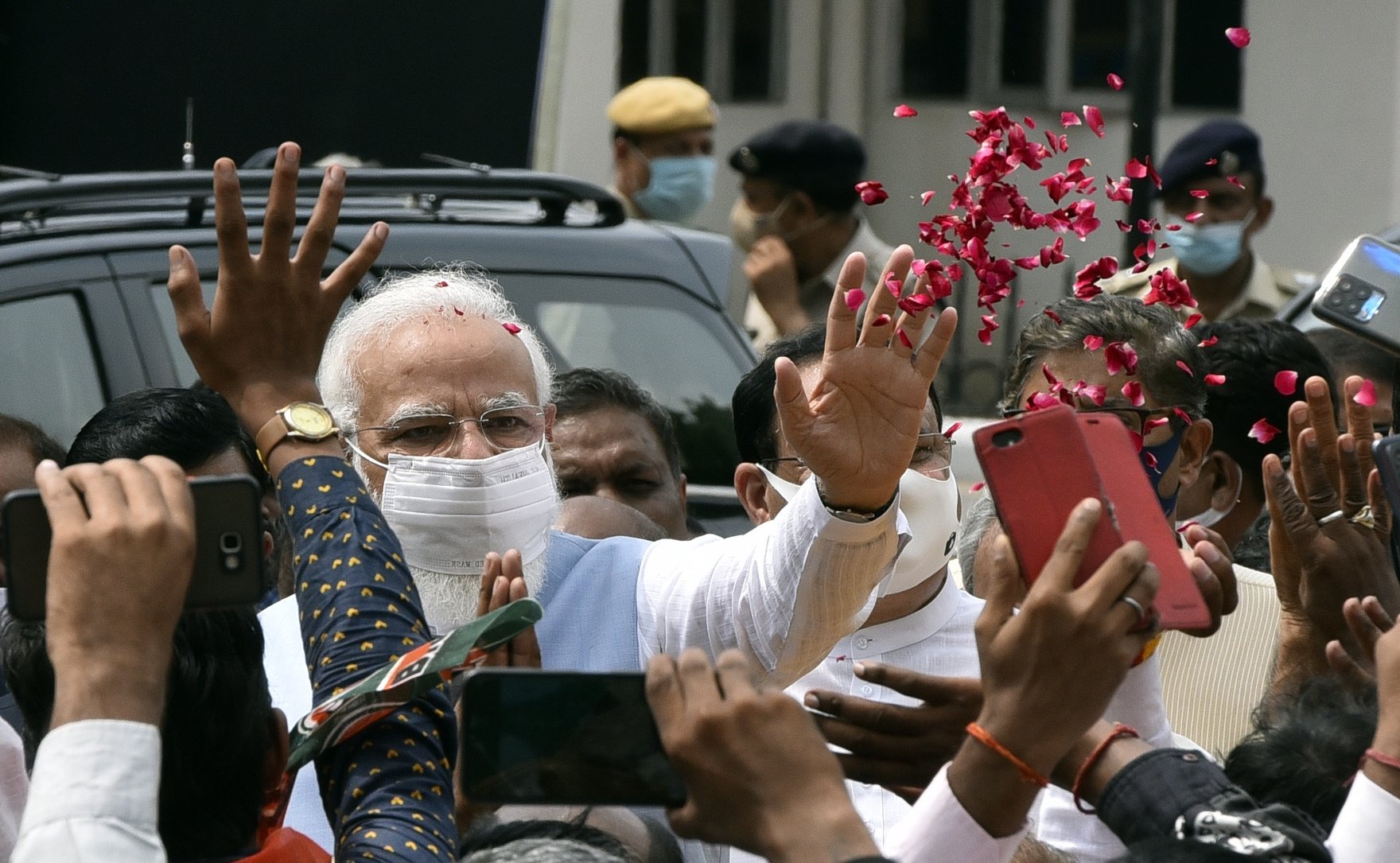
Over the years, democratic structures across various nations have begun to reflect the influence of digital advancements. In South Asia, one particular country has been undergoing steady political transformation due to the rising influence of technology.
With a population exceeding one billion and a growing base of internet users, this country is witnessing an increase in political awareness and engagement across different age groups and socio-economic backgrounds. Electoral procedures, governance methods, and public dialogue are all adjusting to meet the demands of a digital-first generation.

From hashtags to headlines the digital change reshapes campaign strategies (Photo: Getty Images)
Digital tools have become more than just means of communication. They now play a vital role in shaping political opinions, exposing corruption, amplifying grassroots concerns, and increasing transparency.
As smartphones, social media platforms, and data tools become more accessible, civic engagement has moved beyond physical rallies and town hall meetings into virtual spaces. Citizens who were previously disconnected from political conversations now have platforms to express their thoughts and ask tough questions.
Digital Participation and the Transformation of Civic Dialogue
Participation in political affairs has been enhanced through mobile apps, online surveys, and digital voting initiatives. Platforms like Twitter, Facebook, and YouTube serve as battlegrounds for political debates and discussions. Candidates now connect directly with voters through live sessions and interactive content, skipping traditional media filters.
Election campaigns have also shifted to digital platforms, where memes, video clips, and hashtags have become major strategies for outreach. These trends are particularly visible among younger voters, who consume political content more through smartphones than newspapers or television.
This new form of digital engagement has created opportunities for lesser-known candidates to gain support and attention without the need for large financial backing.
Online spaces have also allowed for more open conversations about government policies. Whether it’s budget allocations, social welfare programs, or foreign policy decisions, individuals and advocacy groups are now able to analyse these matters using digital tools. Infographics, data visualisations, and explainers have simplified complicated issues, making them easier for ordinary citizens to understand and critique.
Data Collection and Concerns Around Privacy
The widespread use of digital platforms has brought about increased data collection. Governments and political parties often rely on this data to design targeted campaigns. Voter preferences, religious beliefs, income levels, and regional differences are all considered while sending messages aimed at specific groups.
Although this data-driven approach may enhance campaign effectiveness, it also raises valid concerns around privacy and surveillance. Questions have emerged around how this data is stored, who has access to it, and whether individuals are aware their digital footprints are being analysed. Several watchdog groups and legal experts have called for stricter laws governing data usage, especially during election seasons.
Data leaks and unauthorised access to private information have caused unrest among citizens. The fear of manipulation using artificial intelligence or algorithm-based suggestions is growing, especially when voters cannot easily identify fake news or propaganda disguised as real information. These challenges have pushed the demand for stronger digital literacy campaigns and cybersecurity regulations.
Influence of Technology on Election Management
The country’s election commission has adopted digital technologies to manage and monitor electoral processes more efficiently. Voter registration drives are now supported by biometric verification, helping reduce cases of fraud and duplication. Polling booths are equipped with Electronic Voting Machines (EVMs), and in some regions, remote voting experiments using digital platforms are being explored.
This reliance on digital systems has reduced some administrative challenges, but it has also faced resistance. Critics argue that machines can be tampered with or may malfunction, potentially affecting outcomes.
There have also been accusations of internet shutdowns and information blackouts during sensitive voting periods, with opposition parties claiming such actions restrict fair campaigning.
The growing use of digital ID cards and apps for voter authentication reflects how deeply technology has been woven into the voting process. Yet, the success of such systems depends on internet access, digital infrastructure, and the digital knowledge of the population, all of which remain uneven across urban and rural areas.
Role of Social Media in Political Campaigns
Social media has emerged as a powerful tool in influencing public opinion. Campaigns often go viral within minutes, shaping political sentiment across different regions. While this allows for rapid message delivery, it also exposes users to the risk of misinformation. Fake news, deepfakes, and edited videos are common tactics used to mislead voters or discredit opponents.
Fact-checking agencies and civil society organisations have begun monitoring political content across digital platforms. Their efforts include calling out misleading claims and issuing corrections to ensure that users can access verified information. Still, the rapid pace of content creation makes it difficult to completely control the spread of falsehoods before they influence public thinking.
Political parties often hire digital strategists to run online campaigns, manage comments, create engaging visuals, and monitor trending issues. Campaign budgets now include major digital expenses, with analytics playing a key role in decision-making. Messages are crafted based on audience analysis, with content tailored for different age groups and linguistic preferences.
Youth Engagement and the Push for Transparency
Young citizens are leading the charge in pushing for transparency and accountability. Through blogs, podcasts, and YouTube channels, they share their perspectives and question leaders on issues such as education, employment, environmental policies, and human rights. This new wave of digital journalism is challenging traditional media outlets that are often perceived as biased or slow to respond.
Digital petitions and online protests have grown in popularity. When certain government decisions generate public anger, citizens often use social media to organise virtual campaigns, trending hashtags, or awareness videos. These efforts have proven effective in drawing attention to local issues and influencing policy responses.
Crowdsourced reporting is also gaining ground. Through apps and online portals, citizens report on issues such as road conditions, water shortages, or voter intimidation. This approach promotes community monitoring, ensuring that authorities are held responsible for their actions or inactions.

Social media platforms become arenas for real-time policy debates (Photo: Alamy)
The Struggle Against Online Misinformation
One major difficulty in this digital age is the battle against misinformation. Whether spread intentionally or due to lack of verification, false claims have a powerful impact on democratic processes. Some of these messages are designed to sow division, promote hatred, or incite violence.
Social media platforms have introduced tools to flag suspicious content, but enforcement remains inconsistent. Algorithms that prioritise engagement often allow controversial or misleading content to reach more users. While laws exist to address hate speech and defamation, enforcement varies widely depending on the political environment.
Public awareness campaigns have become crucial in helping citizens learn how to identify untrustworthy content. Schools and universities have started including digital responsibility topics in their curriculum, teaching students how to verify information and understand the impact of what they share online.
Balancing Freedom of Speech and Digital Regulation
The challenge of regulating digital platforms without limiting freedom of speech continues to be debated. On one hand, there is a strong demand for open dialogue and criticism of public policies. On the other hand, unchecked digital activity can lead to defamation, cyberbullying, and the spread of dangerous ideas.
Laws around internet use are frequently updated, yet critics argue that some of these measures are used to silence opposition voices or control media reporting. Arrests for online posts, content takedown requests, and restrictions on certain platforms have raised fears about declining media freedom.
Civil society organisations have called for independent oversight bodies that can fairly review digital regulations and handle complaints. Transparency in decision-making and better communication between the government and citizens are seen as necessary steps to build trust.
The growth of digital tools has created fresh opportunities for improving democratic processes. With better access to information, real-time engagement, and increased transparency, governance can become more responsive and inclusive. However, this progress depends on how digital rights, privacy, and freedom are protected.
A society that encourages responsible online behaviour, supports free press, and invests in digital education is more likely to benefit from technological advancements. Political leaders, tech companies, and citizens each have a role to play in shaping a democratic system that is both technologically modern and socially fair.
As access to the internet continues to grow, and as more citizens gain confidence in digital participation, there is a possibility for deeper reforms in how democracy functions. Though challenges exist, the potential for progress remains strong provided the digital age is guided by principles of accountability, fairness, and public interest.