
In many parts of the world, particularly in regions with limited access to advanced infrastructure, local creativity provides effective and practical solutions to everyday challenges.
Whether it is sustainable home décor or environment-friendly storage units, such ingenuity has become a vital part of community development. India, for instance, has been recognised for its steady climb in the Global Innovation Index, where it reached the 39th position among 133 economies in 2024.
Let us turn our attention to four unique projects emerging from Northeast India, each rooted in the cultural and ecological strengths of the region. These innovations range from artisanal crafts to sustainable agricultural technology.
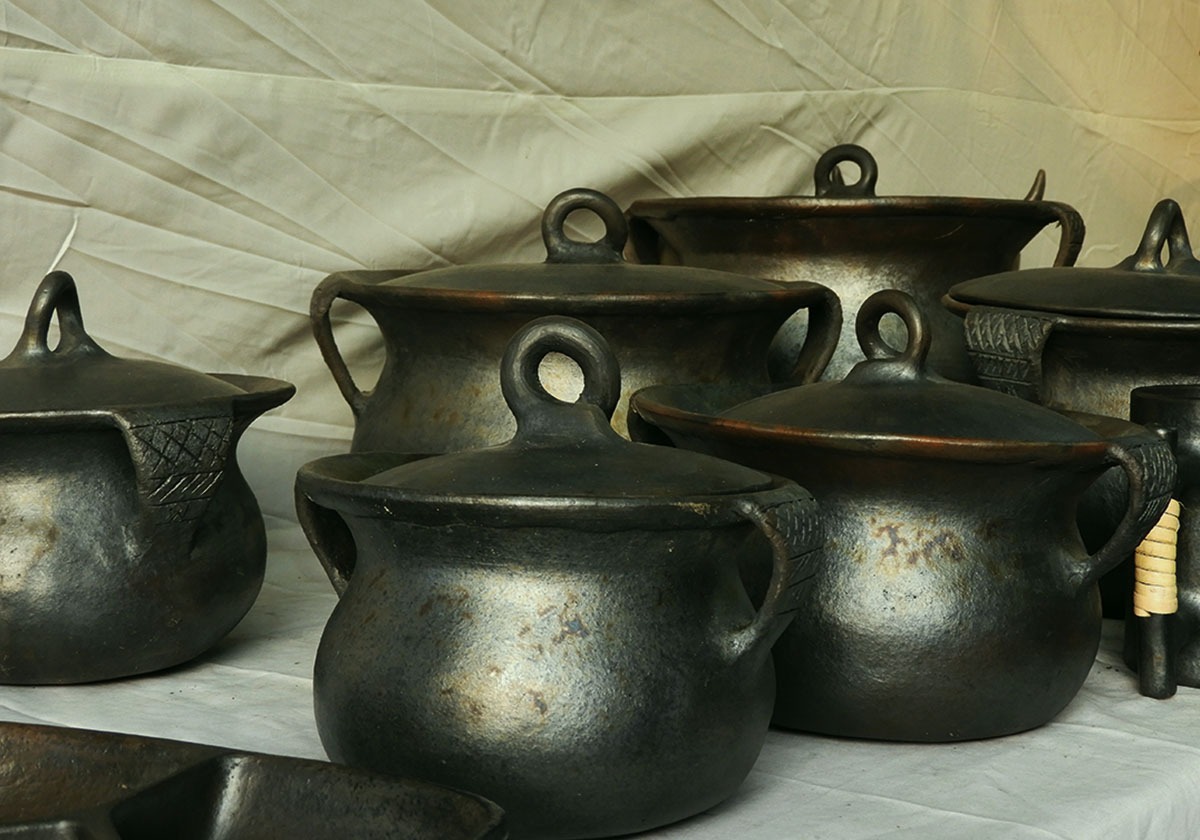
Handmade Longpi pottery jars bring ancient Manipur traditions into modern homes (Photo: Twitter)
These creative efforts have been documented in the book People’s Festival of Innovations – 2023. This event was co-hosted by the Grassroots Innovations Augmentation Network (GIAN) in Ahmedabad, established by Prof. Anil Gupta, alongside the Centre for Cellular and Molecular Platforms (C-CAMP).
1. Longpi Pottery Candles Made with Soy Wax
A traditional pottery technique has been repurposed by a startup from Manipur called ‘October Pumpkin.’ The business uses Longpi pottery jars, which are crafted by hand without the use of a wheel, as containers for fragrant soy wax candles. Unlike paraffin wax, soy wax is both renewable and biodegradable, making it a cleaner option.
The startup secured funding of Rs 15 lakh from the ‘Womenpreneur for Bharat 2.0 program’ supported by BITS Pilani.
According to co-founder Rinchon Kashung, Longpi pottery originates from the Tangkhul tribe in Manipur’s Ukhrul district. The jars are produced from a mixture of brown clay and serpentine stone, found only in the area. The sun-dried pots are baked and polished with pine leaves to give them a natural sheen, all without modern pottery wheels.
Having sold more than 7,500 units across India, Rinchon, who is herself from the Tangkhul tribe, has acquired pottery-making skills to personally oversee the production. She notes that each jar takes nearly a week to make, with cylindrical and rounded ones being the most preferred.
Rinchon emphasises that her project aims to promote sustainability and also create livelihoods, particularly for female artisans. So far, 300 craftsmen and women from Longpi village have benefitted from this initiative.
The name ‘October Pumpkin’ has a personal origin. Rinchon explains that she was born in October and considers pumpkin her favourite vegetable, which inspired the brand name.
Soy wax burns at a slower rate—almost 50 percent slower—than paraffin wax, which means it lasts longer even though it may be more expensive. The soy wax used in the candles comes from Gujarat, where soybean oil is processed through hydrogenation to turn it into wax.
Rinchon points out that some candles burn unevenly, forming hollow pits around the wick. To prevent this, they test each candle and also educate buyers on the correct way to burn them.
She says all scents used are derived from fragrance oils that are tested for safety and manufactured using non-toxic chemicals. These scents are carefully blended into the wax at a controlled temperature. Fragrances such as ‘Forest,’ ‘Walk Around the Bakery,’ and ‘In the Library’ are among their most loved. The last one, she adds with amusement, smells like old books.
There have been obstacles such as courier issues and challenges in packaging. Their Longpi jars are packed using environmentally conscious materials like cardboard and paper. Their large jar candles, each containing 1 kg of wax, are priced around Rs 3,500.
October Pumpkin has also showcased its products at two pop-up events hosted by Nagaland House in New Delhi as part of the ‘Home & Heart’ initiative, which supports women-led businesses from Northeast India.
2. Cold Storage That Runs Without Electricity
In Meghalaya’s West Khasi Hills, farmers have long grappled with difficulties in preserving their harvests due to poor storage systems and logistics. This often leads to losses even before the produce reaches buyers.
Binolin Syiemlieh, the centre manager at Nongstoin Social Service Society (NSSS), which spearheaded this idea, says that even a small-scale effort can make an impact. To help these farmers, they constructed simple cold storage units that operate without electricity, costing Rs 1.64 lakh each. Three such units have been established so far.
Binolin, who supports farmers across various areas including agriculture and mental wellness, mentioned that her role also involves helping them link with both public and private aid schemes.
The concept for the cold units actually came from the farmers themselves. Many were watching their produce spoil before it could be sold, leading to financial loss. Work on the project started in 2019, though progress slowed during the pandemic.
The NSSS oversees the construction using commonly available materials—burned bricks, bamboo, sand, CGI sheets, and more. Each unit can hold a tonne of produce and preserve it for up to four weeks. They are quick to build, needing only a day or two, and require no upkeep. Farmers are not charged for using them.
To regulate the internal temperature, the gap between the two layers of the wall is filled with sand and pebbles, which are watered twice daily. This process helps keep the contents cool, with over 120 farmers benefiting from each unit.
These units are based on scientific concepts but require no modern technology. They are overseen by the Village Executive Committee (VEC), ensuring that all farmers have fair access and that the stored crops remain clean and fresh.
The project receives backing from the Meghalaya Basin Management Agency (MBMA), a body that works with development programmes supported by outside funding. According to Wankit Swer, general manager at MBMA, the World Bank has also extended support under a fund that seeks to refine and scale up innovative ideas.
Wankit explains that the area is dominated by small-scale farmers who sell only what they do not consume. Often, they are forced into hurried sales at low prices due to poor storage. These units help them avoid such unfavourable conditions.
3. Banana Fibre Turned Into Health-Conscious Fabric
A venture from Nagaland known as Hengna & Maben Private Limited is making headway in processing banana fibre into useful textiles. Co-founder Major Tanay Maben states that this work is part of their Runway India division. Their research is focused on converting banana fibre into fabric that can fight bacteria and fungi.
Banana fibre possesses anti-microbial qualities because of the natural elements in the plant. The goal is to create fabric that can be used in medical settings, and the company is also looking into adding features like water resistance.
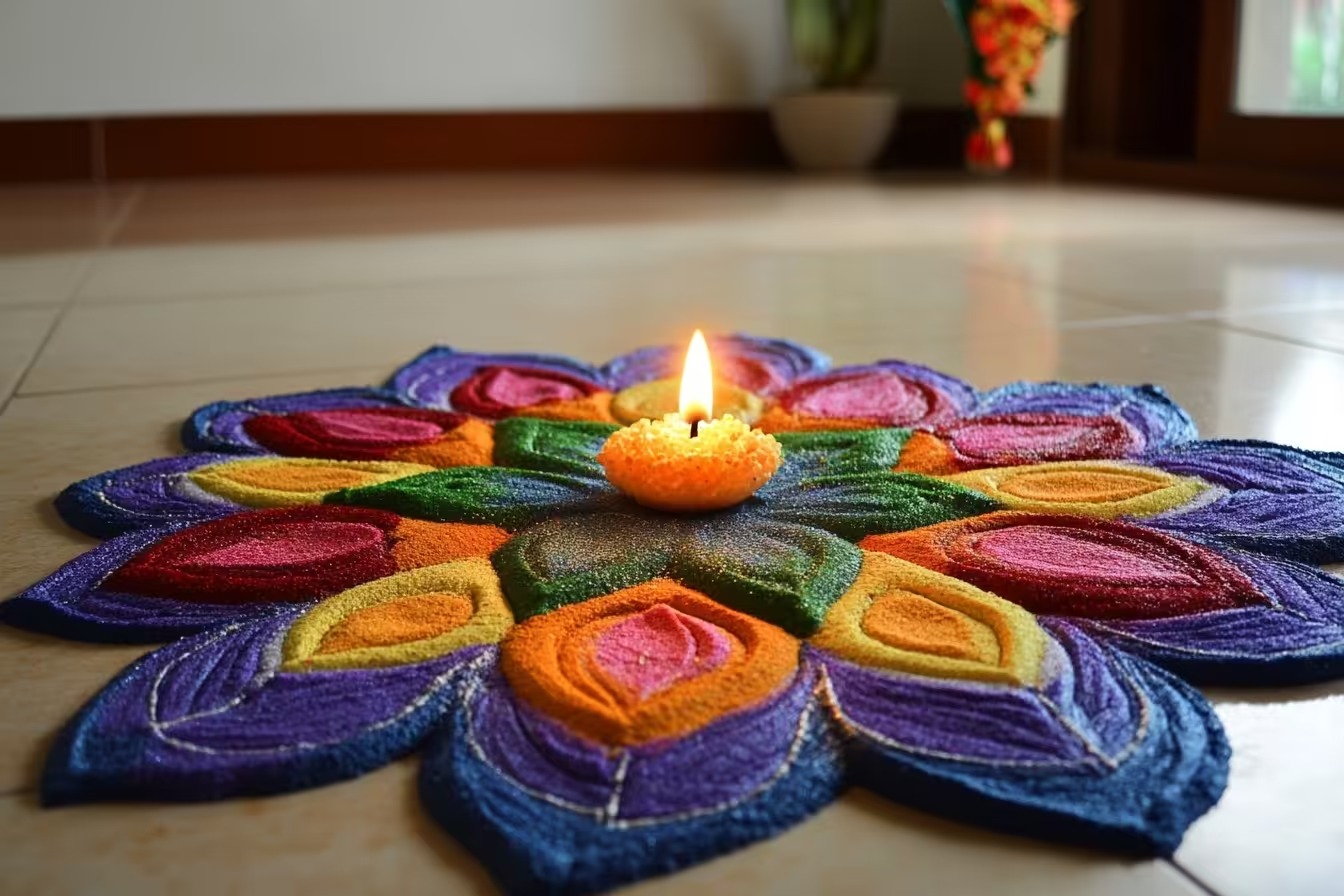
Each candle tells a story shaped by clay, tradition, and slow craftsmanship (Photo: Alamy)
Because banana plants do not need much water or chemical input, they are a more sustainable alternative to cotton. Additionally, the fibre is biodegradable, providing an eco-conscious option to plastic-based materials.
Though the company already makes packaging and handmade crafts from banana fibre, its founders hope to position it as a key product from Nagaland. Over 700 artisans have been trained to work with this material in Nagaland and surrounding states.
Co-founder Nengneithem Hengna, who has worked in the handicrafts industry for over a decade, started experimenting with banana fibre in 2019. She met Tanay Maben during a COVID-19 relief campaign, and their shared goals eventually led to the company’s founding in 2021.
Tanay describes banana as a zero-waste crop that begins yielding within a year and can grow easily even in hilly terrain. The fibre comes in different grades—coarser versions are used for items like coasters, while finer strands are ideal for accessories.
The fibre is obtained from the pseudostem, which is passed through rollers. The residue is removed, and the extracted fibre is cleaned, dried, combed, and graded.
Products made from banana fibre include vases, clutches, table mats, bags, jewellery, and wall art. The prices vary, ranging from Rs 300 to Rs 10,000, according to Nengneithem.
There are two main production centres in Dimapur and Athibung. The venture employs over 30 artisans and also uses banana fibre and bark for eco-friendly packaging materials. Once customers receive a package, the material can be reused in gardens for soil enrichment.
Runway India has also attempted to create paper from banana stem waste. This paper is used for gift wrapping and making greeting cards and decorative items.
Their mission includes providing skills to underprivileged communities. Collaborations with Assam Rifles have helped train women in insurgency-affected regions, and the venture also conducts skill development sessions in schools under the National Education Policy of 2020.
4. Safe Water Travel Using Bamboo Boats
Traditional wooden boats often pose safety hazards and contribute to deforestation. Fibre-glass alternatives, though widely used, cannot be recycled and usually pollute rivers.
To address this issue, Ravi J Deka founded Akvotransiro Tech Pvt Ltd in Assam in 2020. His startup focuses on producing boats from bamboo composite, a more environmentally friendly and safer option for river transport.
Ravi explains that developing the boats took over two years. The material used is a blend of 85 percent bamboo, 10 percent polymer, and 5 percent fibre-glass. Bamboo, which grows quickly and requires minimal resources, is known for its strength and renewability.
Bamboo composite boats are light, cost-efficient, and break down naturally over time. They can last for about 10 to 15 years. Their strong yet flexible nature also means they absorb shocks better than boats made of conventional materials.
Unlike wooden boats that need trees to be cut down, bamboo-based ones avoid environmental degradation. Bamboo boats also produce the least carbon emissions among current boat manufacturing options, according to Ravi.
Though slightly costlier than wooden canoes—by about 20 to 30 percent—they are much cheaper than fibre-glass models. For example, a basic bamboo canoe for four people costs Rs 90,000 compared to Rs 60,000 for a wooden one, but far less than the Rs 8 lakh required for a similar fibre-glass boat.
Production involves pressing layers of bamboo mats into boards and assembling them into boats. Ravi has developed special techniques to make these boards waterproof and more durable.
Their bamboo boats are 40 to 60 percent lighter than others, requiring less fuel and offering better speed and efficiency, he explains.
The startup is supported by IIT Guwahati and has filed patent applications for six types of bamboo boats. These include small canoes and larger models like the trimaran, which can carry 18 passengers plus crew. Some canoes even come with outriggers to improve balance and control.
Ravi says the boats can be useful for flood rescue, forest patrols, and ferry services. They are also suitable for tourism and fishing activities. Though they are not yet produced at scale, the company has already attracted attention from outside India.