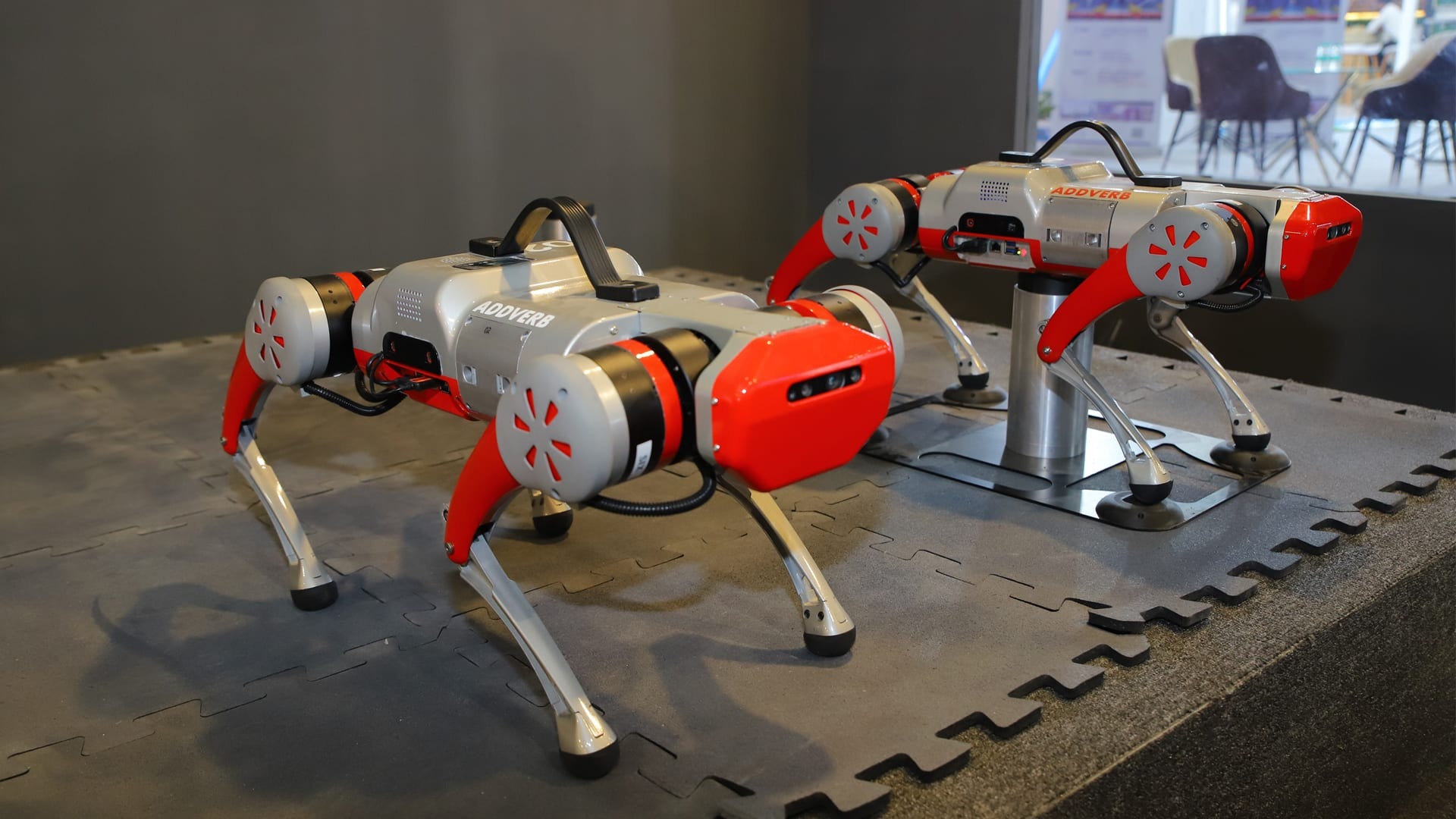
The development of artificial intelligence and robotics in recent years has captured the attention of many countries, with a particular focus on emerging economies. The rapid advancement in these fields is transforming industries, creating new job opportunities, and pushing technological boundaries.
The blend of AI and robotics is becoming a powerful driver for economic growth and innovation, with various sectors adopting these technologies to improve productivity and efficiency.
Artificial intelligence technologies have moved from theoretical research to practical applications that impact everyday life. Meanwhile, robotics is advancing beyond traditional manufacturing roles to areas such as healthcare, agriculture, and service industries.
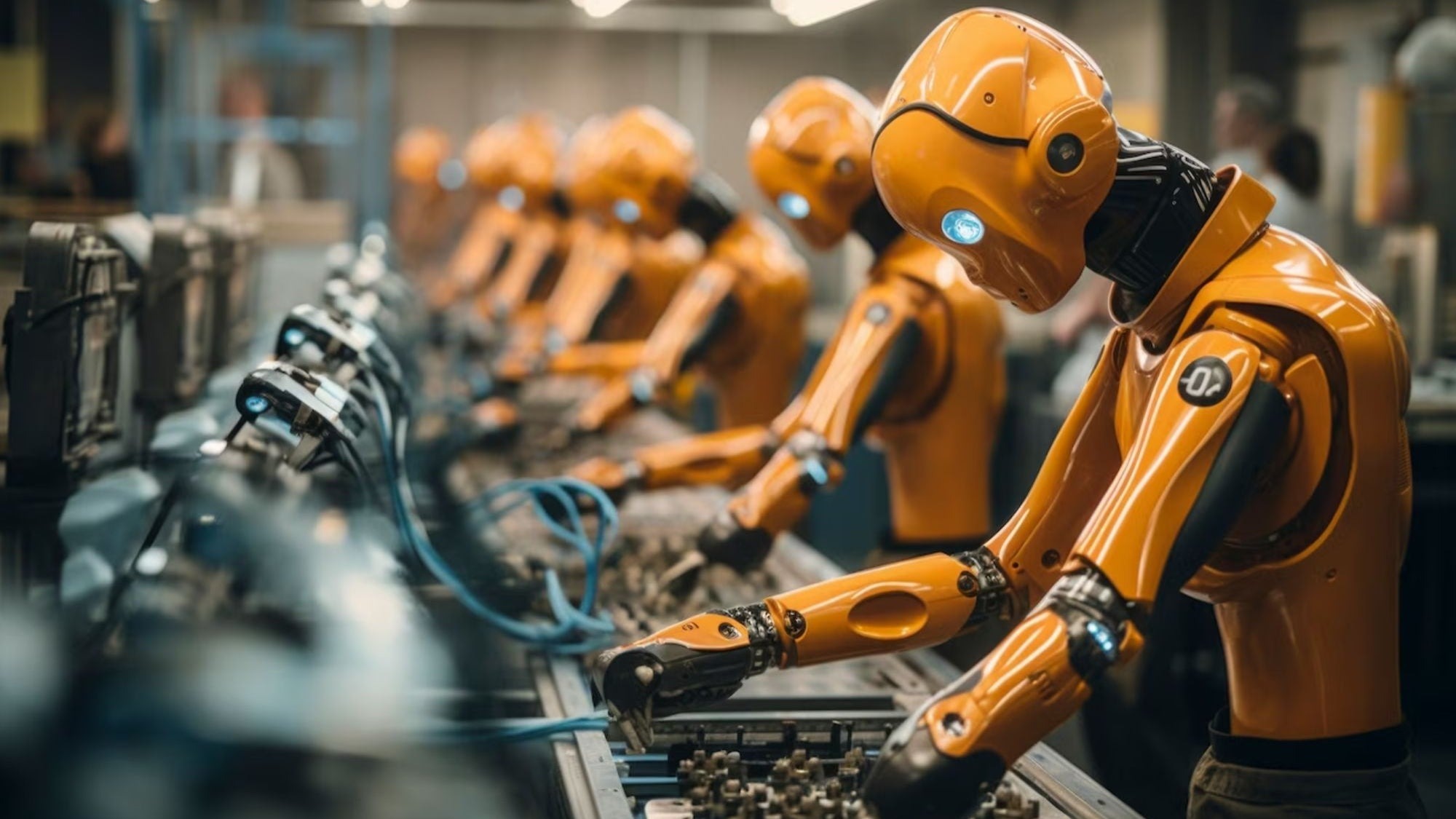
Smart systems are reshaping everyday life with adaptive technology (Photo: Shutterstock)
The combination of these technologies is giving rise to smart systems capable of learning, adapting, and performing complex tasks without human intervention.
The Rise of AI Research and Innovation Centres
One factor contributing to this development is the establishment of numerous research hubs and innovation centres dedicated to AI and robotics. These centres serve as incubators for fresh ideas and collaborations between academia, industry, and government agencies.
They play a critical role in training skilled professionals who can contribute to the growth of this sector. Government policies that encourage investment in technology startups have also created an environment conducive to experimentation and development.
Several initiatives focus on supporting entrepreneurs working on AI-driven solutions, allowing them access to funding and mentorship. This ecosystem has nurtured a growing number of companies developing cutting-edge products and services.
Applications Transforming Different Sectors
Various industries have started adopting AI and robotics to address challenges and boost efficiency. In healthcare, for instance, AI algorithms assist in diagnosing diseases and predicting patient outcomes with greater accuracy. Robots support surgeons during complex procedures and help in patient rehabilitation. This integration improves the quality of care and reduces human error.
In agriculture, AI-driven systems analyse data from soil sensors and weather forecasts to optimize planting schedules and irrigation. Robots are deployed for tasks such as harvesting and pest control, reducing labour dependency and increasing yield. These technologies help farmers manage resources better and adapt to changing environmental conditions.
Manufacturing continues to benefit from robotics automation, increasing production speeds and maintaining consistent quality. Smart factories use AI to monitor equipment health and predict maintenance needs, avoiding costly downtime. This transition to intelligent manufacturing supports competitiveness in global markets.
Challenges and Opportunities
Although progress has been impressive, there are challenges to overcome for the AI and robotics sector to reach its full potential. Ethical concerns regarding the use of AI, such as data privacy and bias in algorithms, require careful attention and regulation. Additionally, the workforce must adapt through re-skilling to manage new roles created by automation.
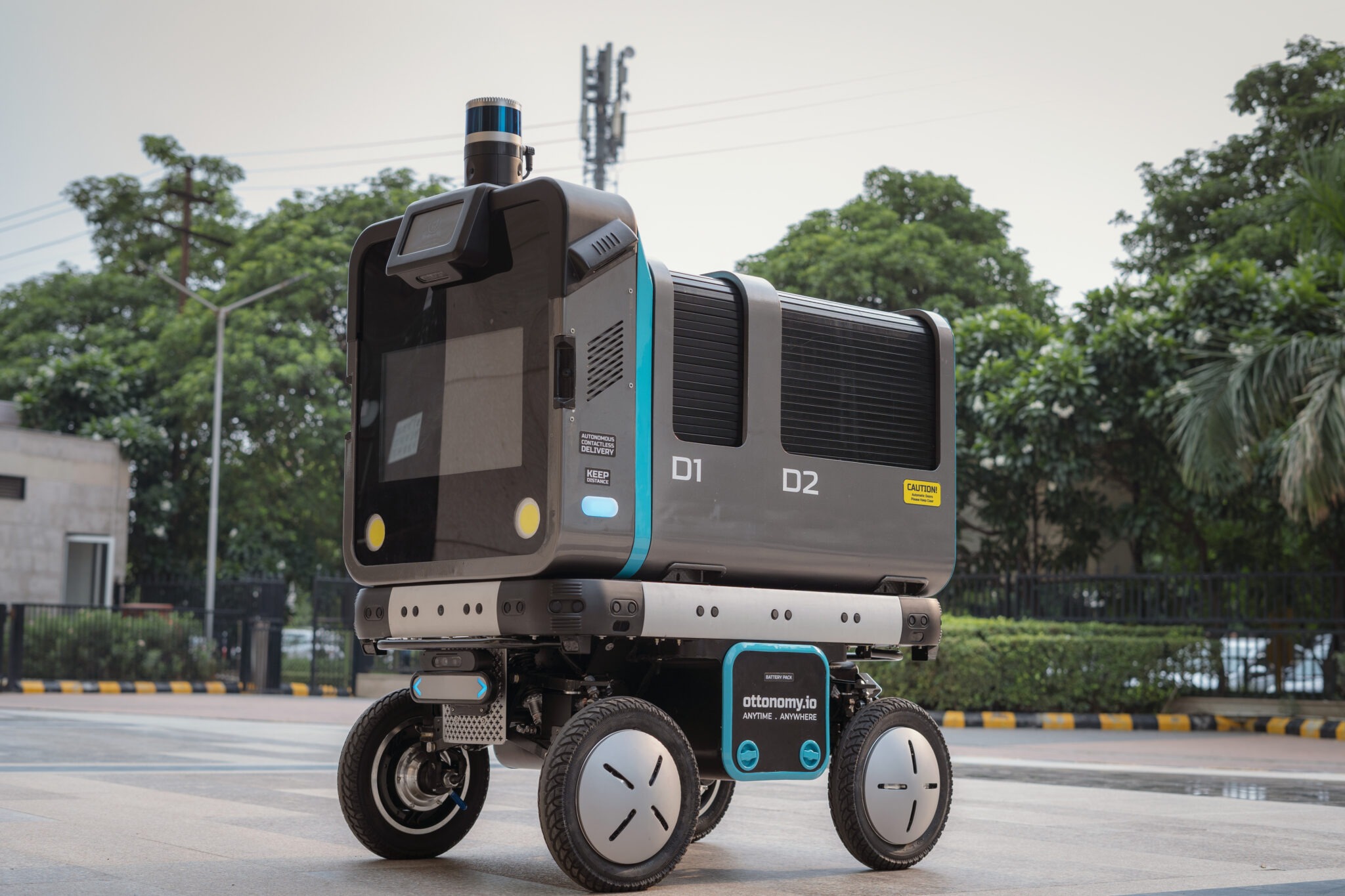
Robotics is expanding beyond factories into healthcare and agriculture (Photo: Getty Images)
Infrastructure development, including reliable internet connectivity and power supply, is necessary to support technology deployment across urban and rural areas. Bridging the gap between research outputs and commercial applications remains important to sustain momentum.
The growing ecosystem presents many opportunities for entrepreneurs, investors, and professionals. Collaboration among stakeholders can drive innovation and ensure that these technologies serve the broader goals of social and economic development. Building partnerships that focus on responsible AI and inclusive robotics development will be vital in shaping the future.
Looking Ahead to Continued Growth
The current trajectory suggests that artificial intelligence and robotics will become increasingly embedded in daily life and business operations. As new advancements emerge, more sectors will likely adopt these technologies, leading to greater productivity and new market creation.
Educational institutions are updating curricula to prepare students for careers involving AI and robotics, ensuring a pipeline of qualified talent. Policymakers continue to refine regulations to balance innovation with safety and ethical considerations.
With sustained focus and investment, the ecosystem surrounding these technologies is expected to expand further. This growth will contribute to the transformation of industries and the economy, creating opportunities for many and addressing longstanding challenges through smarter solutions. The journey of AI and robotics development promises to be one of ongoing evolution and discovery.