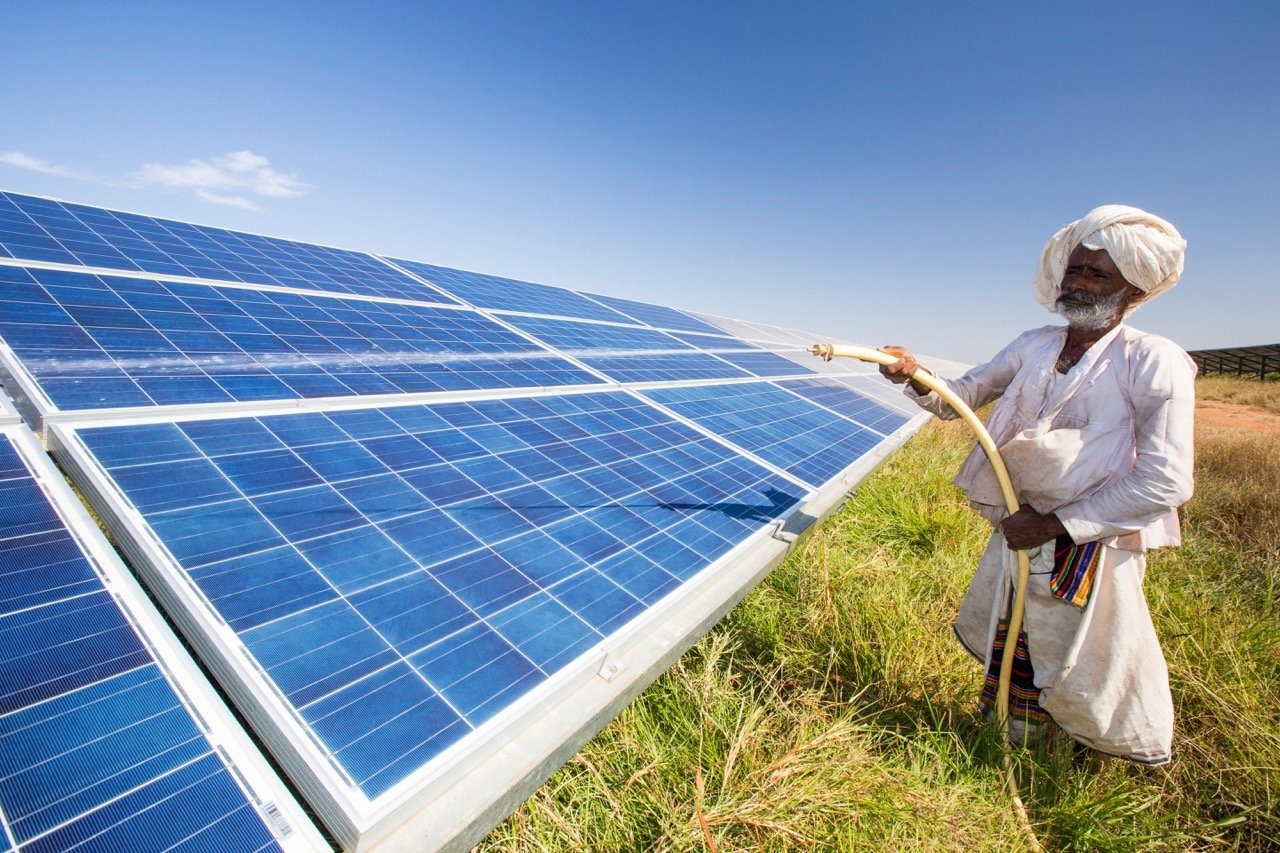
Despite the growing need for cleaner energy and reduced dependence on fossil fuels, a new leader has emerged from Asia, demonstrating boldness and purpose. Over the past decade, a clear movement has taken place within one of the world’s most populous nations.
This development has not gone unnoticed by global energy analysts who continue to watch closely as this South Asian country introduces policies and initiatives that challenge previous global expectations.
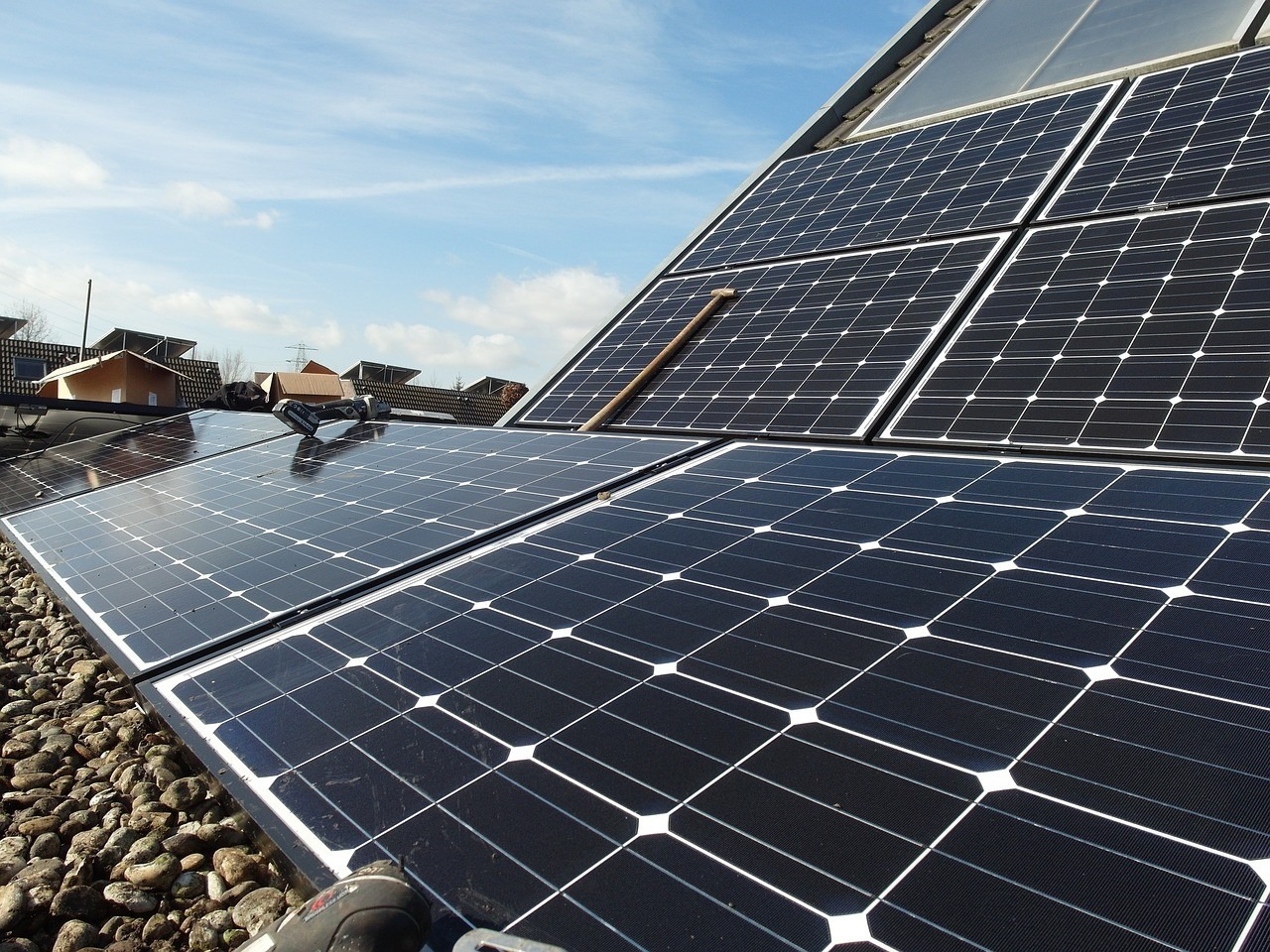
Rooftop panels shine bright as homes tap into clean power (Photo: Alamy)
From sun to grid a bold new energy era takes shape
Through consistent investment, infrastructural planning, and international partnerships, the country has steadily positioned itself as a reference point in renewable energy discussions.
The transformation did not happen by accident. It is the result of deliberate strategy and persistent effort across multiple sectors, from government-driven policy initiatives to private sector participation and public awareness campaigns.
Its leadership has placed high priority on clean energy, pushing through ambitious plans for the generation of electricity from non-fossil sources, such as solar, wind, and hydro. These actions are rooted in concerns about climate change, energy security, and economic growth through sustainability.
Growth in Solar Energy Deployment
The solar energy sector has received particular attention and has recorded substantial growth over recent years. From large-scale solar farms to rooftop solar systems for homes and businesses, the country has seen an increase in solar capacity that now ranks among the highest globally.
Policymakers introduced subsidies, tax incentives, and favourable tariffs to attract both domestic and foreign investors. In states where sunshine is abundant throughout the year, solar projects have become a central feature of local power supply strategies.
One of the boldest steps taken is the creation of solar parks that stretch across thousands of acres. These parks are equipped with modern technology to harness the sun’s rays efficiently and provide stable electricity to millions.
By supporting both grid-connected and off-grid systems, the authorities have managed to extend energy access even to rural communities. Rural electrification through solar energy has led to improvements in education, healthcare delivery, and economic productivity in areas that once relied on kerosene and diesel generators.
Wind Power Development and Integration
While solar energy has often been the focal point of discussions around renewable energy in the region, wind power has quietly expanded with equal determination. Coastal and semi-arid regions provide suitable wind conditions for power generation. Wind farms have been constructed in several parts of the country, adding considerable megawatts to the national grid.
In addition to constructing wind farms, the integration of wind energy into the wider grid has also been taken seriously. Special transmission corridors were developed to carry electricity generated from wind-rich regions to other areas in need.
This infrastructure investment ensures that the energy produced is not wasted and reaches end-users effectively. Combining wind and solar generation has helped reduce seasonal disruptions since they complement each other during different weather conditions.
Hydropower and Bioenergy Contributions
Another area where the country has gained recognition is in its use of hydropower. Rivers across different states provide natural flow and elevation that are ideal for generating electricity. Both large dams and small hydropower plants contribute to the mix. These facilities serve dual purposes by supporting irrigation and water supply needs, in addition to producing power.
Bioenergy, derived from agricultural waste, organic materials, and industrial byproducts, has also played a role in the renewable energy drive. By converting waste into energy, the country addresses both energy production and environmental sanitation at once.
Programs have been introduced to support biogas plants in rural communities and biofuel production in agro-based regions. Farmers benefit from new income streams, and urban centres experience reduced landfill pressure.
Government Policies and Ambitious Targets
Government commitment has been a major force behind the rapid progress. Policy frameworks are built around setting clear targets and backing them with legislative support. In the national energy policy, renewable sources are given priority, and targets have been revised upwards several times due to early achievements.
One major government initiative is the commitment to achieve over 50 percent of installed electricity capacity from non-fossil sources within the next few years.
This has encouraged companies to invest in clean technology and pushed states to draw up their own renewable energy plans. Clear roadmaps, fiscal benefits, and coordination between federal and state institutions have encouraged action across all levels.
International partnerships have further strengthened efforts. The country has joined global alliances focused on solar energy development and climate cooperation.
These partnerships have enabled access to funding, expertise, and technology transfer from more industrialised nations, ensuring that renewable projects maintain high standards and long-term viability.
Technological Advancements and Innovation
Another area of strength is the country’s growing interest in developing its own renewable energy technology. Research institutions, engineering universities, and start-ups have begun producing solar panels, inverters, and other essential components locally.
This reduces reliance on imports and promotes self-sufficiency. Domestic innovation has also brought about cost reductions, making clean energy options more accessible to small businesses and households.
Smart grid technologies are also being adopted to improve power distribution. These innovations help monitor energy usage, improve grid reliability, and prevent losses due to inefficiency.
Energy storage is another focus area, with large battery projects being tested to store electricity for use during low production periods. This effort ensures stability and consistency, which is essential as more renewable power is added to the grid.
Economic Impact and Job Creation
Renewable energy has contributed positively to the economy. The clean energy sector provides jobs for engineers, technicians, construction workers, researchers, and more.
From panel installation to maintenance of wind turbines and operation of bioenergy plants, various employment opportunities have opened up across regions. Special training programs have been introduced to equip young people with the skills required to work in these fields.
Beyond direct employment, there has also been growth in supporting industries, such as manufacturing, logistics, and software development. By localising the supply chain for renewable components, the country has reduced its trade imbalance and developed homegrown expertise. Rural economies, in particular, have benefitted from access to electricity that enables small-scale enterprises to operate more efficiently.
Public Awareness and Community Participation
Progress in renewable energy adoption has also been boosted by public support. Awareness campaigns, school education programs, and media messages have increased understanding of the benefits of clean energy. People now recognise the link between air quality, climate conditions, and their everyday energy choices.
Community-based renewable energy projects have allowed residents to take part directly. In some villages, local cooperatives manage solar microgrids and ensure fair distribution of electricity.
This has promoted a sense of ownership and sustainability. Households are also making the switch to energy-efficient appliances and lighting systems, contributing to national goals.
Environmental Benefits and Global Recognition
The environmental impact of this transition has been visible. Reduced carbon emissions, improved air quality in major cities, and decreased reliance on coal-fired power plants have created a healthier environment. Forest preservation and water conservation efforts have also improved due to reduced industrial pressure.
Efforts in this direction have earned international praise. Reports from global energy forums acknowledge the strides made and regard this progress as a model that other developing countries can learn from. This has strengthened the country’s voice in international climate negotiations, giving it greater influence when global policies are being decided.
Looking Ahead: Sustaining the Momentum
The road ahead requires consistent action. While much has been achieved, continued investment, regulatory improvement, and citizen engagement are necessary to sustain progress. Emerging areas such as offshore wind energy, hydrogen fuel, and large-scale battery storage are being examined closely.
Maintaining affordability while ensuring high-quality power supply remains a top priority. It is also important to continue encouraging research, especially in developing low-cost clean technologies suitable for both urban and rural settings. Engaging youth and local entrepreneurs will further strengthen innovation and ownership.
As countries across the globe prepare for a cleaner future, the actions taken by this Asian giant provide a strong example of what can be achieved with focused vision, determination, and collaboration. The journey towards a cleaner energy future is being charted step by step, powered by both policy and people.