From a country where tradition and technology often meet at the crossroads, new ideas are shaping the present and influencing global progress. Creative minds across industries are generating impactful solutions that touch many areas of life from healthcare and education to transportation and energy.
These innovations are being developed to meet local needs but are also getting international recognition for the practical ways they solve real challenges.

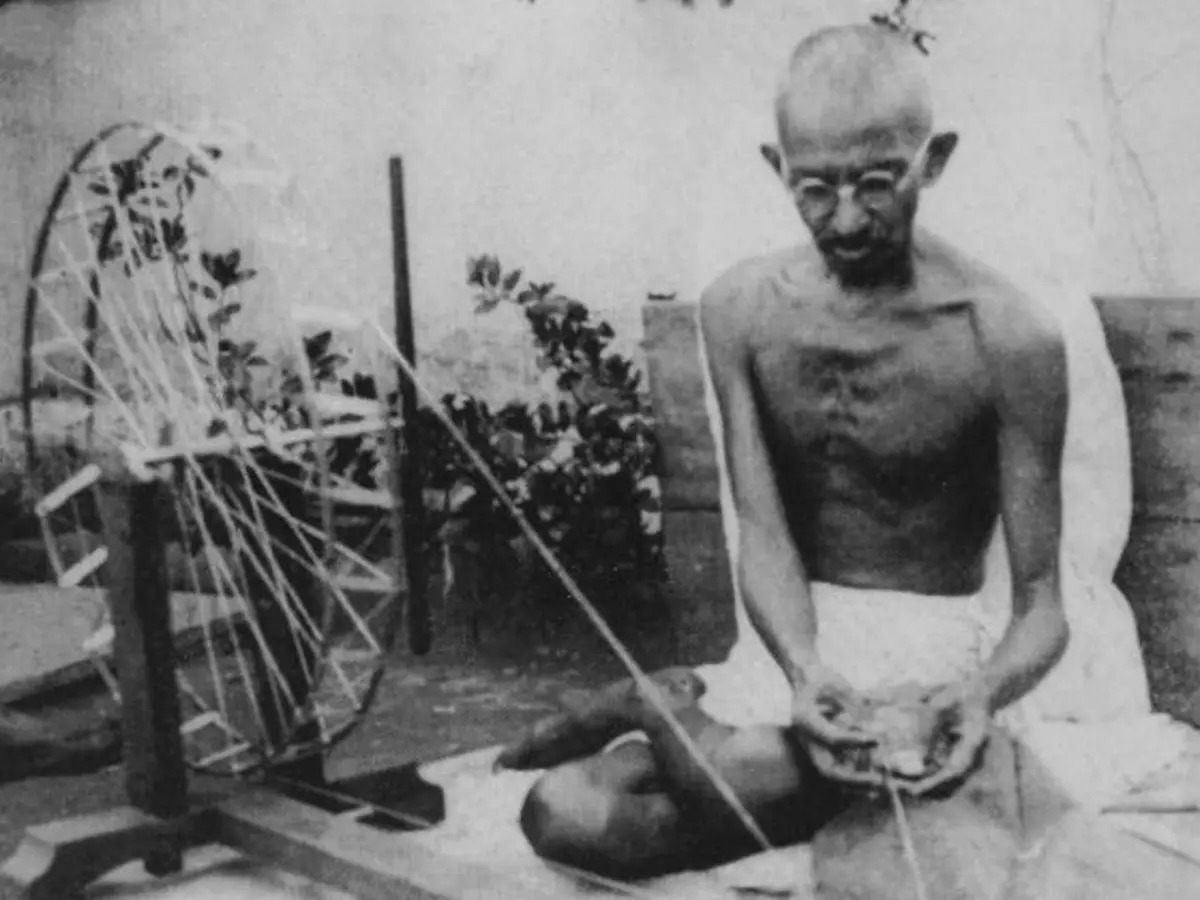
Young innovator demonstrates a low-cost medical device at a tech expo (Photo: Getty Images)
Over the past two decades, there has been steady growth in research and development efforts across public and private sectors. Backed by a large pool of well-trained engineers, scientists, and technologists, the country continues to rise as a strong source of affordable yet high-quality innovations.
The solutions created within its borders are being adopted by global firms and organisations in different parts of the world. Whether in artificial intelligence, medical devices, space technology or green energy, the country’s contribution is being felt across continents.
As innovation moves forward, the commitment of entrepreneurs, researchers, and institutions remains firm. Their ability to create efficient tools with limited resources has brought admiration and respect from global peers. These solutions are not just for elite societies; they are helping everyday people live better lives.
Affordable Healthcare Devices That Save Lives
One of the most recognised areas of development has been healthcare. Many families across the globe struggle to access quality medical attention due to the high cost of treatment and lack of basic equipment.
Responding to these challenges, innovators have produced low-cost yet effective medical devices that can be used in urban hospitals and rural clinics alike. For instance, portable ECG machines developed locally have allowed health workers to diagnose heart problems within minutes without expensive tools. These machines have helped reduce deaths caused by late detection.
Another standout contribution is the design of neonatal warmers that help premature babies survive in areas where standard incubators are either unavailable or unaffordable.
These warmers are made from simple, energy-efficient materials and can be used without constant electricity. Their introduction has improved survival rates in remote communities where hospitals are few and far between.
Telemedicine platforms have also emerged from the country’s growing tech industry, linking rural patients to doctors in cities without requiring travel. Through smartphone applications and video consultations, more people are receiving timely medical advice without leaving their homes. These platforms are now being used in several other nations where healthcare access is limited.
Educational Tools With Global Impact
In the education sector, several technological tools have helped bridge the gap between privileged and underserved learners. One outstanding development is the introduction of low-cost tablets and digital learning content that has been customised for different age groups. These tools are built to function even without constant internet connection, making them useful in areas with weak infrastructure.
Some of these educational tools are being used to support government school systems in Africa, Southeast Asia, and Latin America. They assist teachers in delivering lessons while helping students keep pace with global learning standards. Artificial intelligence is also being applied to identify learning gaps and offer personalised feedback, improving student performance.
Mobile applications that support language learning and skills training are another area where progress has been visible. Young adults use these platforms to prepare for employment opportunities in areas like software development, business management, and communication. By making such resources widely available, these tools are preparing millions of people to take part in the modern economy.
Space Technology That Challenges Old Beliefs
A major step forward has come through the development of space technology. The country’s space agency launched a mission that successfully sent a probe to Mars on its first attempt, with costs far lower than similar projects by wealthier nations. This achievement surprised many observers and demonstrated what can be done through careful planning, technical expertise, and resource efficiency.
The focus has now shifted towards using satellite technology to assist with farming, weather tracking, disaster relief, and communication. Farmers receive real-time updates on rainfall patterns and soil health, helping them make informed decisions. Satellites are also supporting rescue teams during floods and earthquakes by providing accurate maps and data.
Through partnerships with other nations, the country is now helping to launch satellites for countries that do not yet have their own space programs. This collaboration has helped boost scientific exchange and improved data-sharing on global environmental conditions.
Energy Solutions That Power the Future
With the need to find reliable and clean sources of power, inventors have designed systems that produce energy from solar, wind, and waste. One of the more impressive ideas is the solar-powered water pump, which assists farmers in irrigating their fields without relying on costly fuel. These pumps are especially important in regions where electricity supply is irregular or unavailable.
Another idea gaining ground is the use of bio-toilets that convert human waste into biogas. This not only helps reduce pollution but also provides fuel for cooking and heating. Public sanitation has improved in many places because of these installations, and schools and public buildings have adopted them as part of their infrastructure.
Energy-saving stoves that use less fuel while cooking have also been created and exported. These stoves reduce indoor air pollution and save time and money for families. In some African countries, they have been adopted to replace harmful open fires, showing how useful such ideas can be beyond the country’s borders.
Transport Innovations That Change Daily Life
Transport remains one of the areas where local creativity has delivered results that benefit both urban and rural communities. Electric rickshaws, for instance, are now a common sight in many cities.
They are cheaper to run, produce less pollution, and have given employment to thousands of drivers. The simplicity of their design makes maintenance easy, and spare parts are available at low cost.
Another area of interest is railway technology. Engineers have developed semi-high-speed trains that link major cities and reduce travel time without needing costly infrastructure overhauls. These trains have been built locally and include safety features that meet international standards.
Mobile apps that help commuters check routes, buy tickets, and track buses have become part of daily life in many urban areas. By reducing traffic confusion and making transport more organised, these tools are improving mobility for millions.
Tech Startups Bringing Change at Scale
The startup environment has played a vital role in bringing new services to customers. Supported by incubators and access to venture capital, young entrepreneurs have introduced digital solutions in areas like payments, retail, logistics, and agriculture. For example, payment apps that allow instant money transfers without needing internet data have become common across small businesses.
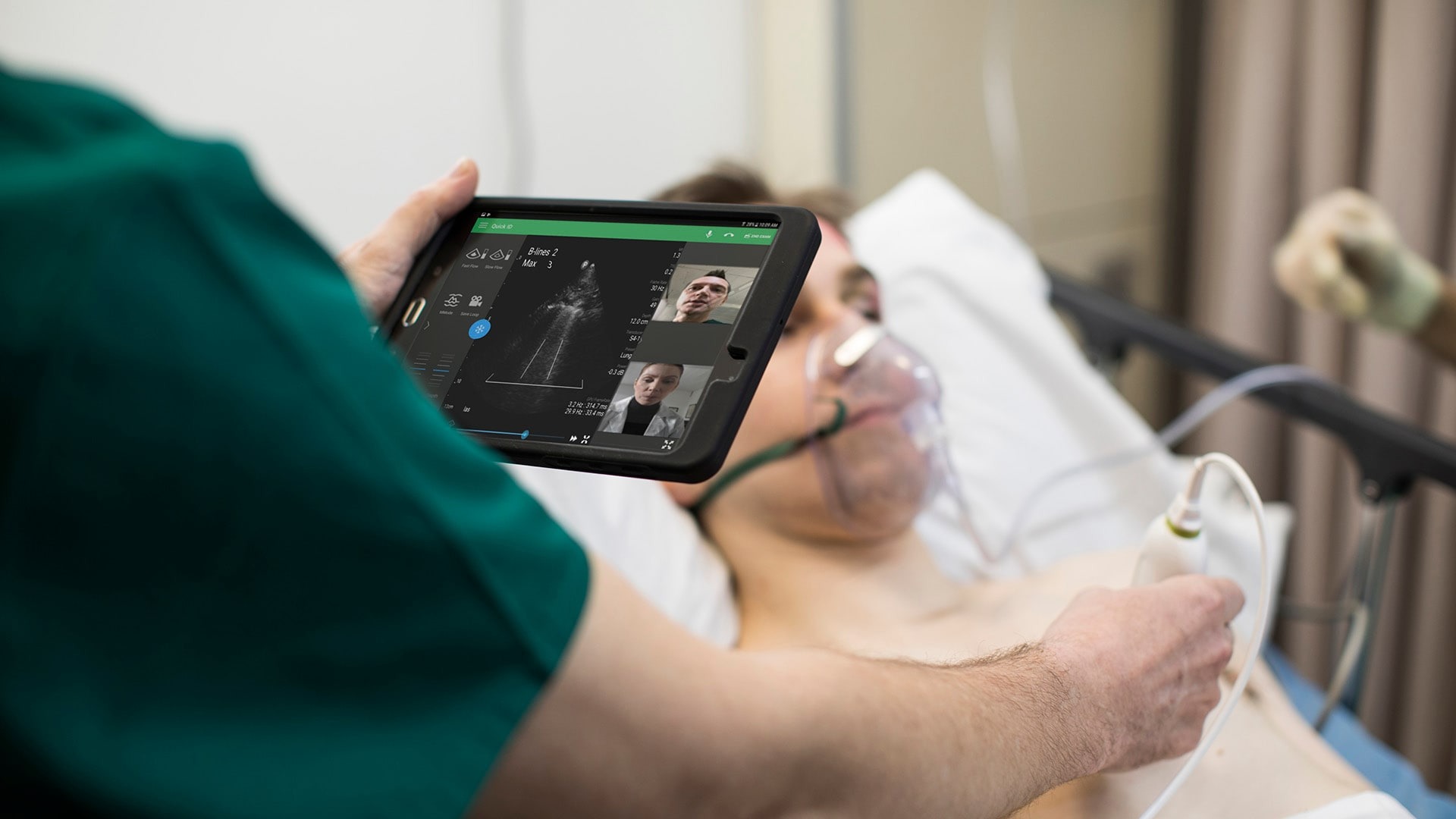
Village health worker uses a portable ECG machine in a rural clinic (Photo: Twitter)
Agritech platforms are also helping farmers manage supply chains and get better prices for their produce. These services provide updates on market trends, weather, and soil condition, giving farmers more control over their output. By connecting them directly to buyers, these startups are reducing waste and increasing profits.
The growth of fintech firms has made financial services more inclusive. People who previously had no access to banks are now using their phones to save, invest, and borrow. This change is helping low-income households build economic security in both rural and urban settings.
Digital Identity Systems With Wide Application
One of the largest digital identity programs in the world was introduced to provide residents with a unique number linked to biometric information. This system has allowed easier access to government benefits, banking, and public services. With a simple fingerprint scan, individuals can confirm their identity without needing paper documents.
This model has attracted interest from other nations looking to reduce fraud and improve service delivery. The system is also being integrated into private services like insurance, travel, and telecom registration.
The convenience and speed of this identity verification process have helped cut down on corruption and increased transparency in public administration. It also enables quicker distribution of welfare benefits to those who truly need them.
Each invention mentioned here has grown from a specific need and has gone on to influence broader change. The desire to find workable solutions that serve people’s real-life conditions continues to drive progress.
From technology to education, from space research to clean energy, the innovations coming from this region are making life easier and more productive for many beyond its borders.
By relying on talent, discipline, and local wisdom, the people behind these efforts have created lasting results. The approach remains practical and human-centred, offering a model that others can learn from without copying blindly. The impact of these ideas is already being felt, and with continued support and development, the future holds even more promise.