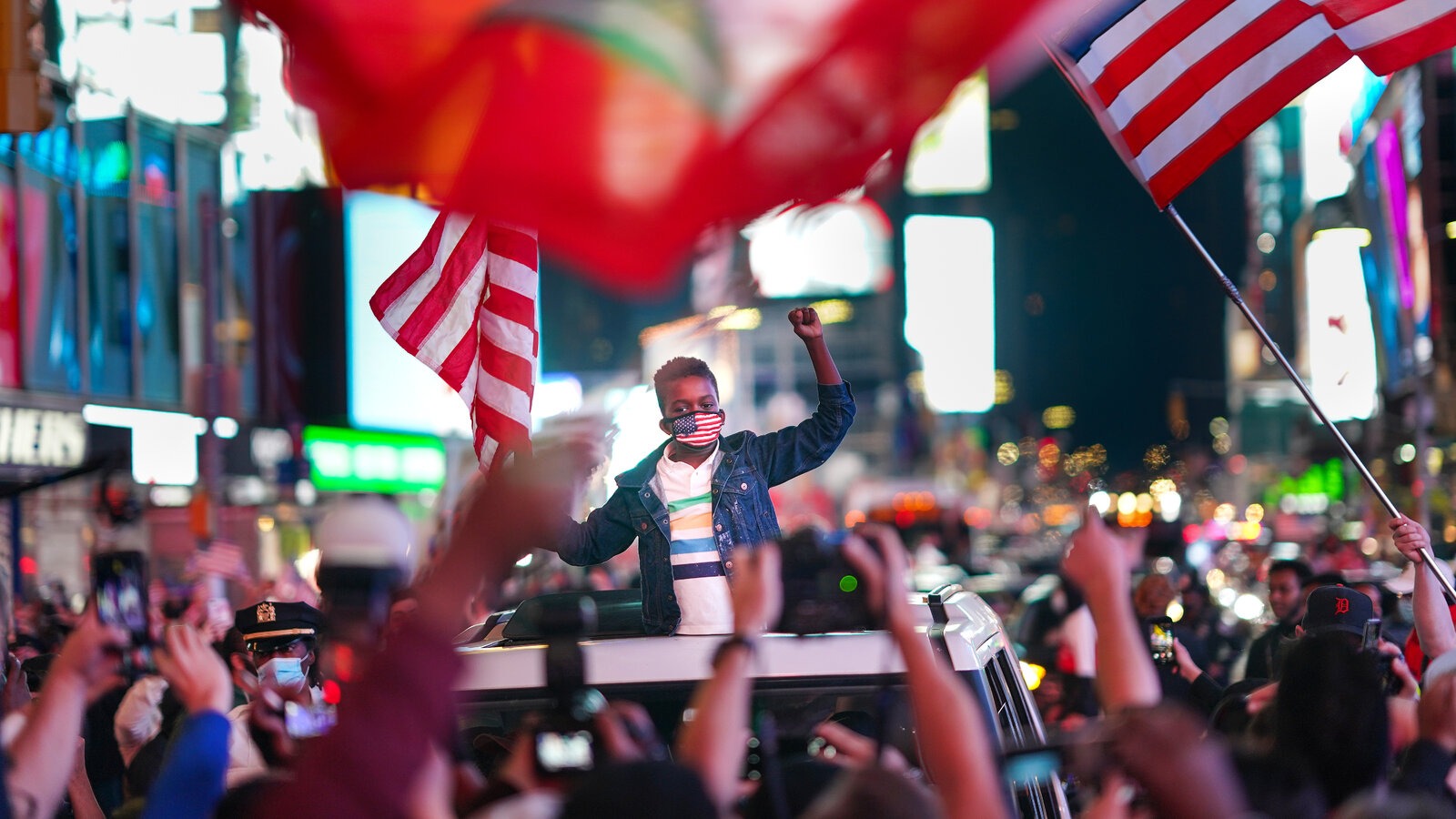
Sport carries the power to bring people together more than most other forms of activity. Regardless of background, belief, or political affiliation, citizens often set their differences aside when supporting a national team.
This connection becomes clearer when a country is participating in international competitions such as the Olympics or the FIFA World Cup.
The collective excitement, hope, and pride help create a shared emotional experience that fosters unity. Sports figures also become role models whose achievements on the field inspire millions to believe in hard work and mutual respect.
National unity often receives a boost during major sporting events, especially when teams representing the country face external opponents. The common goal of victory can encourage people to look past ethnic, religious, or regional divisions.
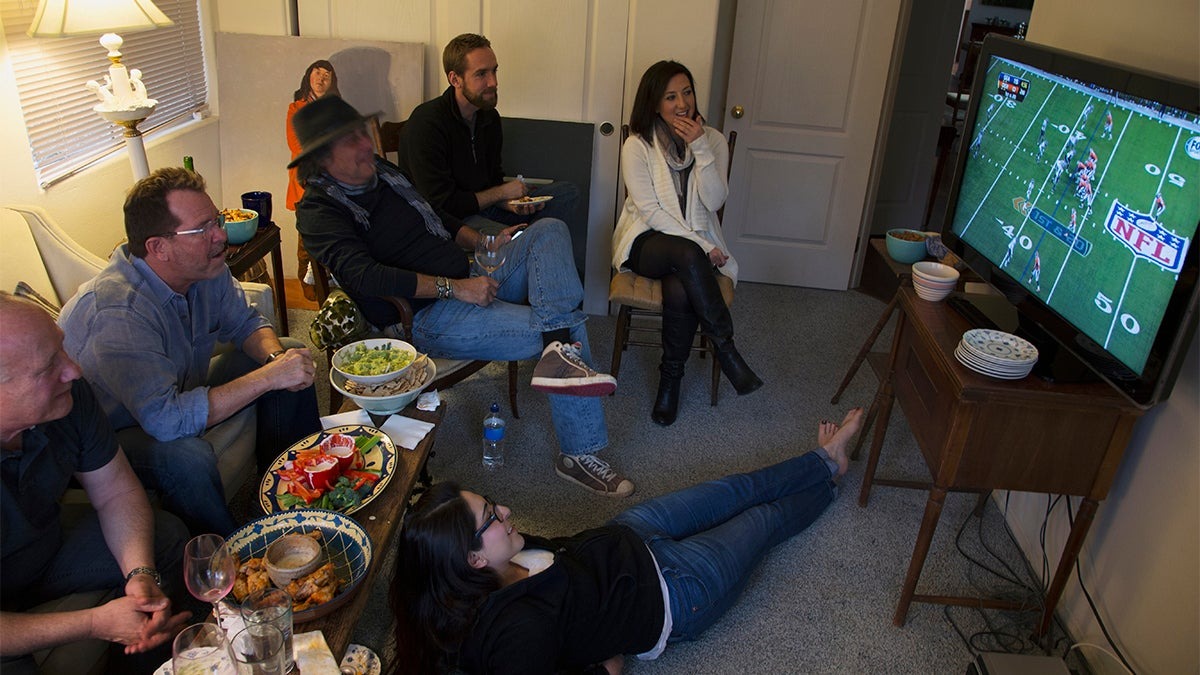
Strangers become teammates as they cheer for the same goal on the big screen (Photo: Twitter)
Public viewing centres, streets, homes, and parks become spaces where individuals come together with a shared identity. People who may never have spoken before find themselves hugging, cheering, and laughing as they celebrate goals or victories. These moments remind citizens of what they can achieve when they come together as one.
The Emotional Bond Sports Create Among Citizens
Support for sports teams tends to stir powerful emotions. When a national team scores, the country erupts with joy. When that same team loses, there is shared disappointment.
This emotional rollercoaster, though challenging, builds a form of solidarity. People share in the same joy, carry the same pain, and reflect on missed chances together. Through these experiences, sports create strong emotional bonds among the population. These bonds stretch across state borders and political affiliations.
For countries with diverse populations, such as Nigeria or the United States, the impact of sports is more pronounced. Citizens come from different regions and speak multiple languages, yet they unite under one flag during international competitions.
In those moments, their only concern is whether their national team will succeed. Even those who are usually divided by ideology often find themselves united by support for one team, one anthem, and one dream.
The Role of Athletes as Symbols of Unity
Sports professionals who represent their countries at international levels often become symbols of togetherness. These individuals are admired for their discipline, achievements, and dedication.
When athletes succeed on a global stage, they bring pride not only to their families but also to millions at home who identify with their background or story. Their success becomes national success.
An athlete from a minority ethnic group who wins an Olympic medal or secures a football trophy can change public perception and challenge prejudice. That person’s rise often sends a message that talent exists in every region and that unity can produce greatness. As such, sports stars are often used to promote unity-focused campaigns, peace initiatives, and social change.
Sporting Events as Opportunities for Collective Celebration
When a country hosts or competes in global sporting tournaments, attention moves from daily challenges to the excitement of matches and contests. These events provide opportunities for celebration on a grand scale. Cities are decorated in national colours, and people participate in parades or host viewing parties. The focus turns away from division and tension towards shared joy.
Government institutions, schools, and businesses sometimes adjust their operations to allow workers and students to watch important matches. This shows how sports command respect and priority across various segments of society.
Such experiences leave long-lasting impressions and can even help to repair broken relationships among citizens by giving them a shared reason to come together.
Sports and Inter-regional Cooperation
When sports are used in domestic tournaments where athletes represent different regions or states, it often leads to better cooperation between parts of the country that would otherwise remain disconnected.
Players and viewers travel to unfamiliar places, experience new cultures, and form friendships. These interactions reduce suspicion and promote understanding.
Hosting these events also gives communities the chance to showcase their culture, hospitality, and talent. This exposure often encourages more cooperation between states or regions, as people begin to see each other as partners rather than competitors. The movement of viewers and athletes across the country also contributes to national integration.
Youth Engagement Through Sports
Sport provides a powerful platform to engage young people and teach them about working together. Whether at school or community level, sport teaches discipline, teamwork, tolerance, and fair play.
These are values necessary for any society that desires peace and unity. Youth who grow up participating in sports often understand the importance of following rules, respecting opponents, and setting goals.
In communities with fewer economic opportunities, sports offer an alternative path that can lead to success. For some, it becomes a career. For others, it remains a tool for staying focused and avoiding negative influences.
Sports also help to bridge generational gaps, as younger and older citizens cheer for the same team, share experiences, and pass down memories of past tournaments.
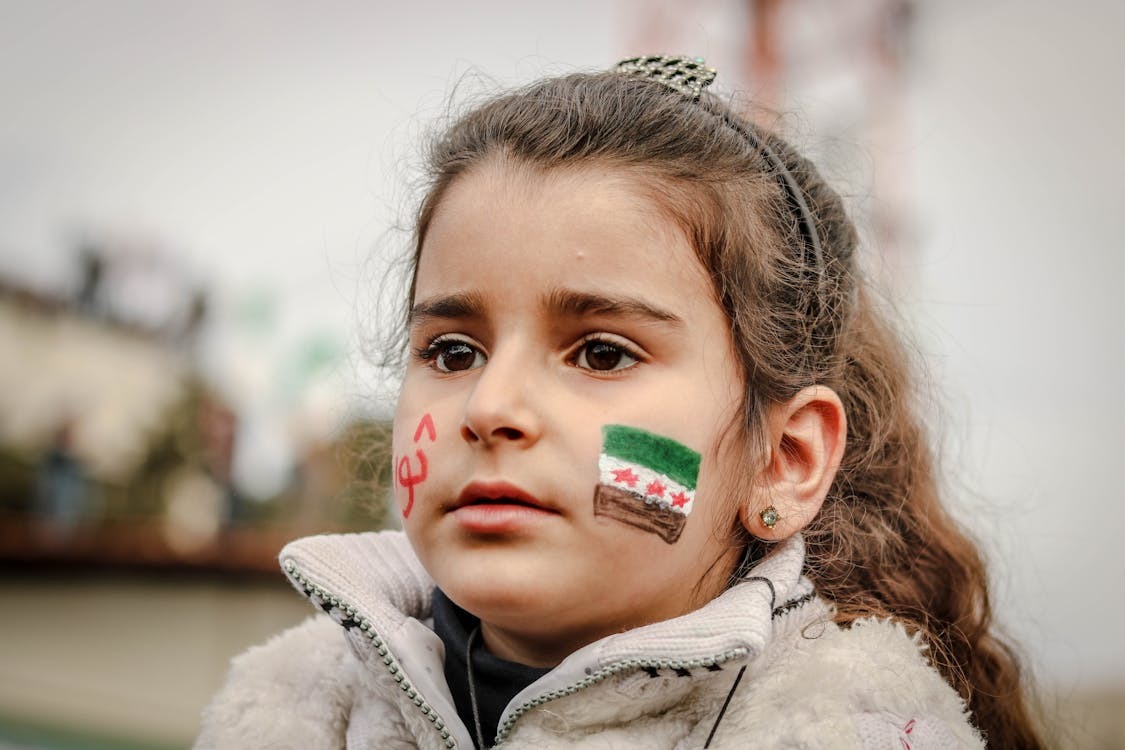
A young child paints their face with national colors before kickoff (Photo: Pexels)
Media’s Role in Promoting National Cohesion Through Sports
The media plays a central role in using sports to promote unity. Television, radio, and digital platforms broadcast national matches and create platforms where discussions take place about national teams and athletes. These stories often focus on themes of perseverance, unity, and national pride.
The way sports are reported also contributes to the shared experience. When a goal is scored or a match is won, media outlets present these moments as victories for the entire country.
The language used, the interviews conducted, and the images shared all help build a story of common success. Through this, the media helps remind citizens that unity is achievable and worthwhile.
Government Support for Sports Development
Governments that understand the value of sports in strengthening national cohesion often invest in facilities, training, and competitions. Such investments go beyond physical health and entertainment; they are also about using sports to build a stronger, more united society. Programs that promote inter-state competitions or school sports festivals are among the ways governments encourage interaction among citizens.
These programmes give young athletes the chance to shine and inspire others. They also provide occasions where people from different backgrounds come together for one purpose. By supporting sports, the government creates platforms where citizens feel proud of their national identity and become more accepting of others.
Sports as a Response to Crisis and Conflict
During difficult times, sports have often played a role in healing divided societies. In countries recovering from political unrest or ethnic conflict, national teams have helped to restore a sense of normalcy. Shared support for a football team or an Olympic athlete has, at times, helped move attention from past disagreements towards future hopes.
Sport can also serve as a way to remember those lost or affected by tragedy, while offering the rest of the country an opportunity to come together and support something positive.
Matches held in memory of national heroes, peace marches organised around sports events, and campaigns that involve athletes speaking about unity all help reinforce the value of coming together.
Maintaining Unity Beyond the Matches
While sports provide moments of unity, it is important that the lessons drawn from those moments carry over into everyday life. The same teamwork seen on the field, the same discipline shown by athletes, and the same mutual respect among viewers can be applied in workplaces, schools, and neighbourhoods. Citizens should not wait for a World Cup or Olympics before they support one another.
Sports offer a template for what society can be when people are goal-driven, united, and respectful. Every citizen, whether a fan, athlete, or policymaker, has a role to play in carrying this energy into daily interactions. Through intentional efforts, the sense of togetherness built through sports can influence national life positively for years.
Building Stronger Unity Through Sports
Efforts to strengthen unity through sports should continue to receive support from both public and private sectors. Creating sports academies, improving local tournaments, and encouraging participation at grassroots levels are steps in the right direction. These efforts should involve both boys and girls, people with disabilities, and communities that often feel left behind.
Unity built through sports is not something that happens by accident. It takes planning, dedication, and continuous investment. Sports remind everyone of what can be achieved when people move in the same direction.
Whether on a dusty field in a small town or a large stadium filled with thousands, the power of sports remains one of the strongest forces for unity that any country can rely on