Women’s participation in sports across the Indian subcontinent has transformed from a quiet presence to a more forceful and recognised involvement over the past several decades.
During the early years after independence, female athletes had to contend with a sporting environment that offered very little in terms of encouragement or opportunities. Most families viewed sports as a male activity, and cultural expectations often restricted girls from venturing beyond academics or domestic responsibilities.
The absence of proper infrastructure, insufficient funding, and societal pressure placed a heavy burden on young women who wished to pursue athletic ambitions.
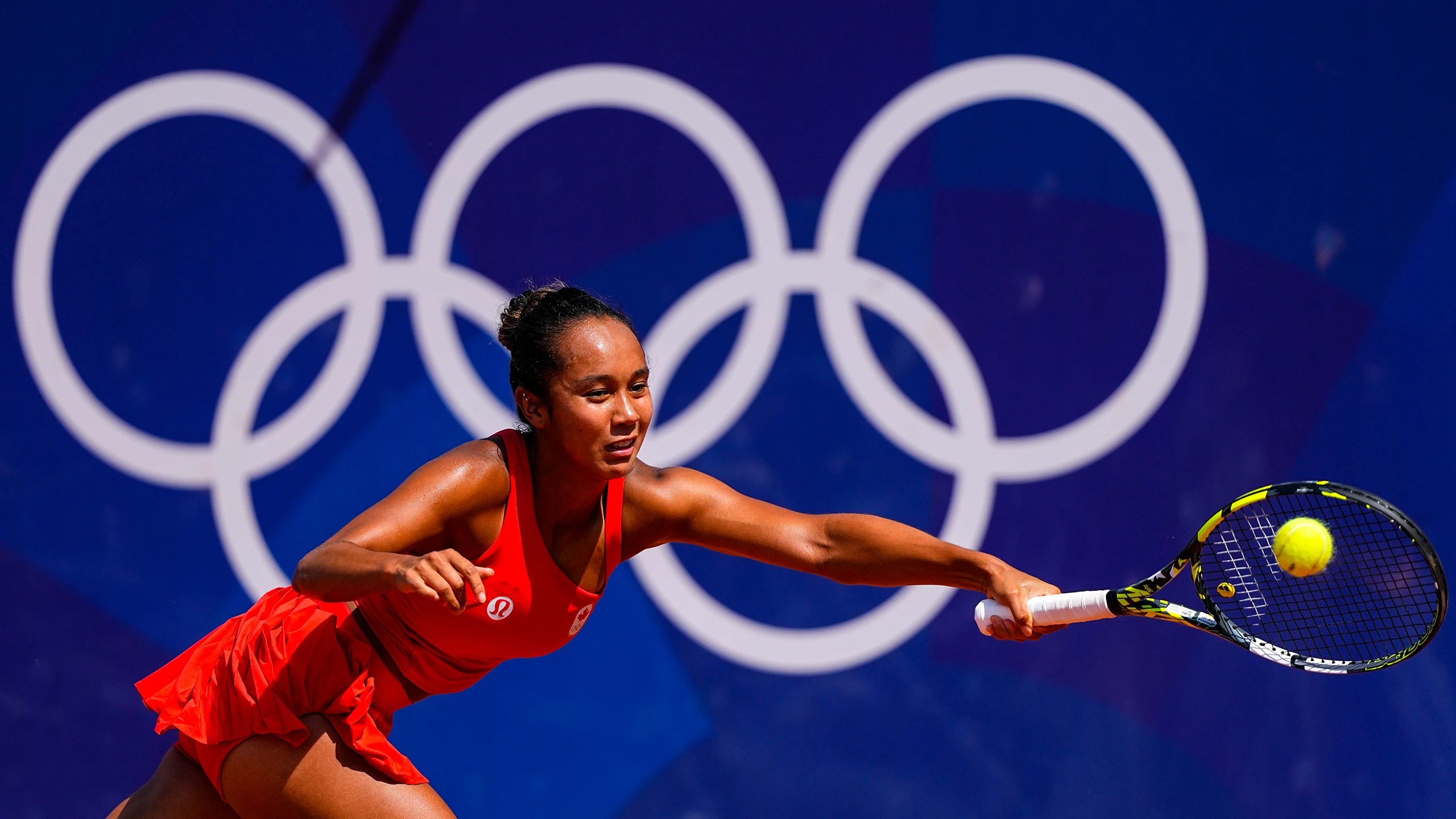
Determined steps forward despite decades of being sidelined (Photo: iStock)
A few exceptional individuals still managed to break through those barriers in earlier decades. Their determination laid the groundwork for others to follow, though public attention remained focused on men’s achievements in cricket, hockey, or athletics.
These women, though fewer in number, consistently displayed resilience and passion. The process has been slow, but steady gains have been made due to sustained efforts by female athletes, coaches, and advocacy groups pushing for inclusivity and fairness.
Early Challenges and Limited Support
Female athletes in the 1950s through the 1980s faced numerous roadblocks that made their journeys more difficult than those of their male counterparts. Limited access to training facilities, inadequate coaching, and poor representation in sports federations were just a few of the many issues.
In some communities, girls were discouraged from engaging in physical activities, with concerns tied to modesty, safety, and traditional roles within the household. These attitudes made it difficult for many girls to even imagine a future in professional sports.
Despite these constraints, women like P.T. Usha began to stand out in the national consciousness. Her exceptional performances in track events during the 1980s inspired a new generation.
Even so, the level of investment in women’s sports at the time was minimal. Female athletes often had to pay their own way or depend on personal sponsors. In many cases, their achievements were mentioned briefly in news reports, with most accolades and financial rewards reserved for male athletes.
Gradual Changes in Attitude and Recognition
Over time, with urbanisation and increased educational opportunities, parents began to consider alternative paths for their daughters. The idea that a woman could become a professional athlete slowly gained more acceptance, especially in cities where access to facilities and exposure to global sporting trends played a role.
By the late 1990s and early 2000s, a few Indian women were beginning to make their mark at international tournaments. Their performances, especially in sports like badminton, athletics, tennis, and boxing, brought more visibility to women’s sports.
Athletes like Sania Mirza in tennis and Saina Nehwal in badminton challenged gender norms and encouraged younger girls to take sports seriously. As their international rankings improved, sponsors and media outlets started to show interest.
This era also coincided with increased internet usage and sports channels that gave greater airtime to female competitions. These changes gradually influenced public perception, creating an atmosphere where young girls could view sports as a respectable career option.
The Role of Government and Institutional Changes
Various programmes introduced by national and state-level governments played a role in improving access to sports for women. Initiatives such as Khelo India and reservation quotas for women in sporting institutions provided a stronger platform.
Scholarships and training centres targeting female athletes were established to identify talent from rural and semi-urban areas. These efforts were supported by non-governmental organisations that sought to bring equality to sports through policy and advocacy.
Some public schools and universities also became major contributors by giving out sports scholarships and organising inter-school competitions. These helped girls to stay focused on their goals while receiving an education.
Though inequalities still exist, there has been a change in how institutions view and treat female athletes. Today, many girls are scouted at a young age and enrolled in structured training programmes, something that was rarely seen a few decades ago.
Emergence of Champions on the World Stage
The 21st century has seen an increase in female athletes representing the country at the Olympics, Commonwealth Games, and World Championships. Performers like Mary Kom, who has won multiple world boxing titles, and P.V. Sindhu, who secured Olympic medals in badminton, have become household names.
These women are now featured in advertisements, government campaigns, and motivational talks, reinforcing the idea that sports excellence is not confined by gender.
Women’s cricket, once considered secondary to the men’s team, is now experiencing growth in terms of audience, sponsorship, and competitive exposure.
The Women’s Premier League has brought professional structure and increased pay, giving aspiring players more reasons to pursue the sport seriously. With more televised matches and improved coverage, girls in rural areas are gaining more role models to look up to.
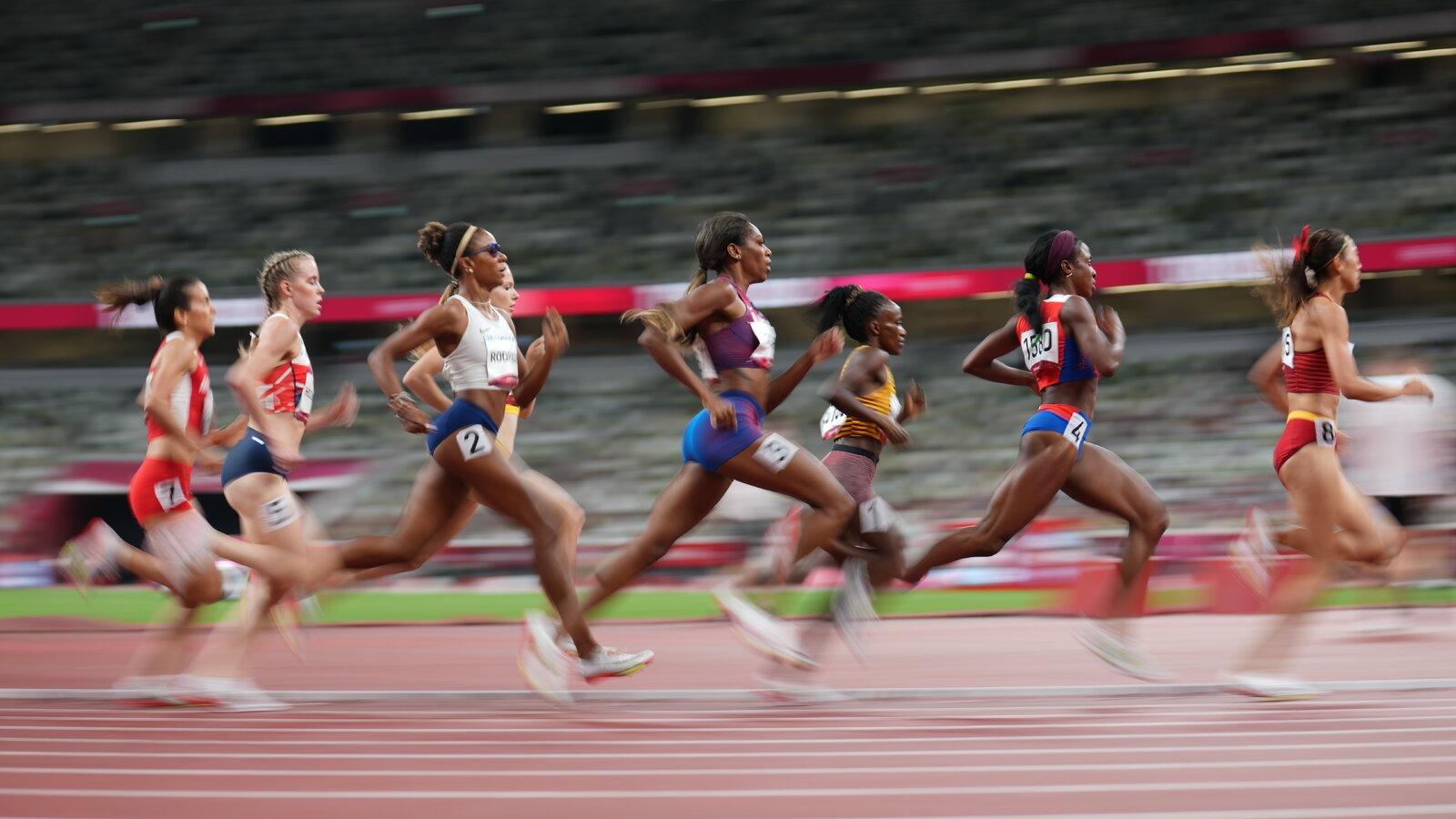
Breaking norms with every stride these athletes rewrite tradition (Photo: Pexels)
The Importance of Media and Public Visibility
Media representation has had a profound effect on the acceptance and celebration of female athletes. In the past, media coverage was limited and often biased, portraying women in terms of appearance rather than skill.
Over the years, storytelling has shifted to highlight performance, strategy, and leadership. Documentaries, interviews, and features about female sports figures have allowed the public to engage with their journeys and struggles on a deeper level.
Social media has also played a critical part. Athletes can now control their own stories through platforms like Instagram and Twitter. This direct line of communication helps them share training routines, competition updates, and personal victories with their followers. As a result, female athletes are building stronger fan bases and attracting endorsements, which contribute to their financial security and professional growth.
Support Systems and Grassroots Development
The support system around women’s sports has become stronger over the last decade. More qualified coaches, physiotherapists, and sports psychologists are now working with female teams.
Parents and guardians who once hesitated are now playing active roles in supporting their daughters. Community-level sports festivals and school-level competitions are also contributing by nurturing young talent and allowing them to compete in structured environments.
At the grassroots level, mentorship programmes are giving young girls access to advice and encouragement from experienced athletes. These relationships are vital for boosting confidence and showing them a realistic path toward a professional sports career. Corporations, too, have begun funding academies and infrastructure that are gender-inclusive, giving girls better opportunities to train and compete.
Cultural Changes and the Way Forward
Cultural change does not occur overnight, but there is progress. While challenges like early marriage, gender stereotypes, and social pressure still persist in many parts of the country, there is growing awareness among communities. Public celebrations of female sporting success, such as parades or school assemblies honouring medal winners, help normalise the idea that girls belong in the sports arena.
Film portrayals have also helped change attitudes. Biopics about athletes like Geeta Phogat, Mary Kom, and Mithali Raj have made their struggles and achievements more relatable to the average viewer. These films do more than entertain—they offer inspiration, especially to young girls from underrepresented communities.
Maintaining Momentum Through Policy and Investment
Sustaining the upward movement of women’s sports requires consistent attention and long-term planning. Increased investment in female-specific leagues, better maternity policies for athletes, and equal prize money are necessary steps.
Governing bodies must also enforce rules that prevent discrimination and bias, ensuring that female athletes get fair treatment in team selections, media representation, and training resources.
Professional development after retirement is another area needing focus. Many athletes struggle with life after sports, so mentoring and employment programmes should be expanded. Creating opportunities for former female athletes to coach, mentor, or work in sports administration will help maintain a pipeline of leadership in this space.
Women’s sports in the country have witnessed a meaningful transformation driven by determination, structural changes, and growing public support. From early trailblazers who battled cultural taboos to today’s champions standing proudly on global podiums, progress has been both hard-earned and inspiring.
Continued growth depends on collective responsibility from families and schools to sponsors and governing bodies. If this momentum continues, future generations will benefit from an environment where gender no longer determines who belongs in the sports arena.