From hosting prestigious tournaments to nurturing world-class athletes, a powerful transformation is taking place that is placing one South Asian country at the centre of international sports conversations.
This change has been gradual but deliberate, backed by infrastructure development, growing corporate involvement, and national pride in athletic achievements.
A combination of public policy and private investment is quietly creating an atmosphere that attracts attention from sports industries around the globe. What once seemed like an emerging trend has now become a permanent fixture, marked by both ambition and execution across multiple disciplines.
The progress did not happen overnight. Years of strategic planning, community engagement, and youth-focused initiatives have laid the foundation for consistent achievements.

Athletes rise with the backing of big dreams and bold investments (Photo: Unsplash)
Several cities within the country have embraced sports as more than just recreation, seeing it instead as a driver for economic and social opportunity. Major leagues, governing bodies, and top-tier athletes now see this region as a place worth investing their time and talent in.
From football and cricket to Olympic-level events, the diversity of sports development here speaks volumes about the direction in which things are moving.
Strong Support from Government and Private Sector
Sports-related initiatives have received serious backing through policy changes, tax benefits for sponsors, and funding for stadium construction and athlete training.
The government has steadily increased its budget allocation towards sports development, including the Khelo India programme which focuses on encouraging participation from the grassroots. Training centres and academies have expanded, offering young talents the right guidance and facilities to pursue sports as a profession.
Private organisations are equally invested. Companies now support domestic leagues, sponsor individual athletes, and enter into partnerships with international associations.
These collaborations are not just about branding or image enhancement; they often involve transfer of knowledge, access to world-class coaching, and improvements in athlete conditioning. This coordinated effort between public and private institutions is creating a sustainable structure that benefits both elite and amateur athletes.
Hosting of Major International Events
The successful execution of various high-profile sports events has contributed to a new identity for the country. Global tournaments such as the Commonwealth Games, the Hockey World Cup, and the FIFA U-17 World Cup have been organised with precision and hospitality. These events have not only drawn attention from global sports federations but have also demonstrated the country’s ability to handle large-scale competitions.
With modern facilities, proper logistics, and extensive media coverage, the sports industry has become more visible both locally and internationally. Hosting rights are now actively pursued with confidence, knowing that the infrastructure and management teams are up to the task. Such events also serve as inspiration for aspiring athletes, who witness global talent firsthand and see pathways to success within their own borders.
Growth of Professional Leagues and Franchises
Domestic leagues have experienced a rapid rise in both viewership and investment. The Indian Premier League in cricket was one of the early examples of how sports entertainment could be transformed into a multi-billion dollar industry.
Following its success, similar leagues have emerged in football, kabaddi, badminton, and even wrestling. These platforms allow local athletes to earn a living through their sport, while international players come to compete, enriching the standard of play.
Franchise ownership has also attracted celebrities and business tycoons who add glamour and resources to the ecosystem. Broadcast deals and digital streaming have extended the reach of these leagues beyond borders.
As viewers across different continents engage with these matches, the global sports community continues to take notice. This exposure helps homegrown athletes become more marketable and motivates younger generations to train harder.
Youth Development and Grassroots Sports
Building future champions starts with structured development from an early age. Schools and community centres are increasingly integrating sports programmes into their daily routines.
Physical education has moved beyond just running laps or playing casually; now there are structured sessions focused on skills training, team coordination, and discipline. Talented children are being identified early and given opportunities to attend regional and national camps.
NGOs and foundations have stepped in as well, supporting sports development in rural and underserved communities. With proper funding, equipment, and coaching, these areas have started to produce remarkable talents.
Parents too have begun to view sports as a viable career path rather than a distraction from academics. Scholarships and sports quotas in education and employment serve as added motivation.
Recognition of Athletes at National and International Levels
Athletes now enjoy recognition and respect that was previously reserved for professionals in other fields. Medal winners from global competitions are celebrated with parades, financial rewards, and media appearances.
Their stories are shared widely, often leading to endorsement deals and ambassadorial roles. These developments have changed the way sports personalities are perceived, raising their profile within society.
Performances at international competitions like the Olympics, Paralympics, and Asian Games have improved steadily. Athletes from this country are no longer seen as underdogs but as strong contenders.
Their dedication and discipline have helped change public opinion, fostering national pride and unity. These achievements have also spurred renewed interest among youth to join academies and strive for excellence.

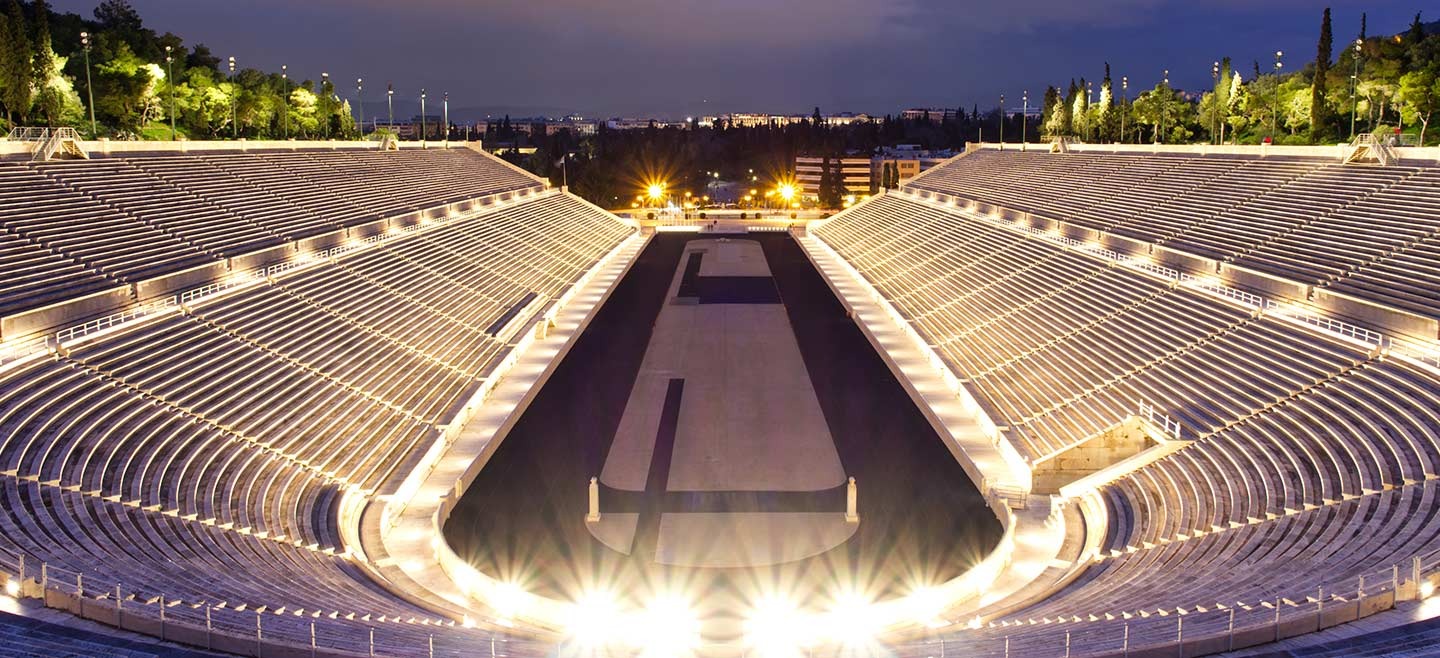
Stadium lights shine on a nation rewriting its sports story (Photo: Getty Images)
Role of Technology and Sports Science
Modern training techniques and use of technology have improved athlete performance. Coaches rely on data analytics, motion sensors, and fitness monitoring tools to plan workouts and recovery.
These advancements allow for a more scientific approach to coaching, reducing the risk of injury and enhancing output. Nutritionists, physiotherapists, and mental conditioning experts now form part of the support staff for top athletes.
Innovation is also visible in stadium design, broadcast production, and ticketing systems. Viewers enjoy interactive experiences during matches, while organisers benefit from improved security and efficiency. Mobile applications and online platforms have made it easier for viewers to follow their favourite sports, contributing to higher engagement and revenues.
Regional Investment and City-Level Development
Several cities have taken independent steps to promote sports as part of their identity. Local governments have invested in multipurpose stadiums, community tournaments, and talent scouting programmes.
Hosting smaller international matches has helped them build credibility while also promoting tourism and local business. The presence of sports clubs and academies boosts both local employment and cultural pride.
This city-level commitment creates a domino effect, where neighbouring areas also step up their game to remain competitive. Regional rivalries fuel fan enthusiasm and push athletes to higher standards.
Infrastructure upgrades often coincide with improvements in public transport and hospitality services, offering long-term benefits beyond the sports sector.
International Collaborations and Global Training Exposure
Partnerships with foreign sports bodies have led to joint training camps, coaching exchanges, and scouting opportunities abroad. Young athletes now travel more frequently to train under international coaches or compete in foreign leagues. These experiences provide them with exposure to different playing styles and cultures, which in turn helps sharpen their skills.
Foreign coaches and experts are also being invited to work within the country’s system, bringing in new techniques and higher benchmarks. This mutual exchange benefits both sides and improves the quality of training programmes. As a result, many athletes find themselves better prepared when they step into global competitions.
Media Coverage and Fan Engagement
Television, social media, and live streaming have turned sports into an everyday conversation. Viewers follow training sessions, press briefings, and behind-the-scenes content with enthusiasm.
Athletes have become influencers in their own right, using their platforms to interact with supporters and promote brands. This close connection builds loyalty and keeps the fan base growing.
Commentary and analysis have also become more insightful, with experts breaking down performances in ways that educate and entertain. Podcasts, web series, and documentaries give viewers access to the personal journeys of their favourite players. This consistent attention keeps the momentum alive, even during off-seasons or less popular tournaments.
Cultural Change and National Pride
There has been a noticeable change in how sports are viewed within society. Once seen as extracurricular, they now hold an important place in national discourse. Families, educational institutions, and workplaces are more supportive of athletic aspirations. Holidays are planned around big matches, and achievements by athletes often dominate news headlines.
This change reflects a broader sense of national pride, where victories in sports are celebrated with the same fervour as scientific or technological breakthroughs. Each medal or record becomes a moment of unity, bringing people together across regions and languages. The emotional value attached to sports achievements now matches their commercial impact.
This sports revolution continues to gain momentum due to a combination of structure, ambition, and consistent performance. With the foundation already laid across several sectors, there is no indication that progress will slow down any time soon. Whether through elite competitions, youth training, or global partnerships, a strong system is now in place to keep building on these accomplishments.