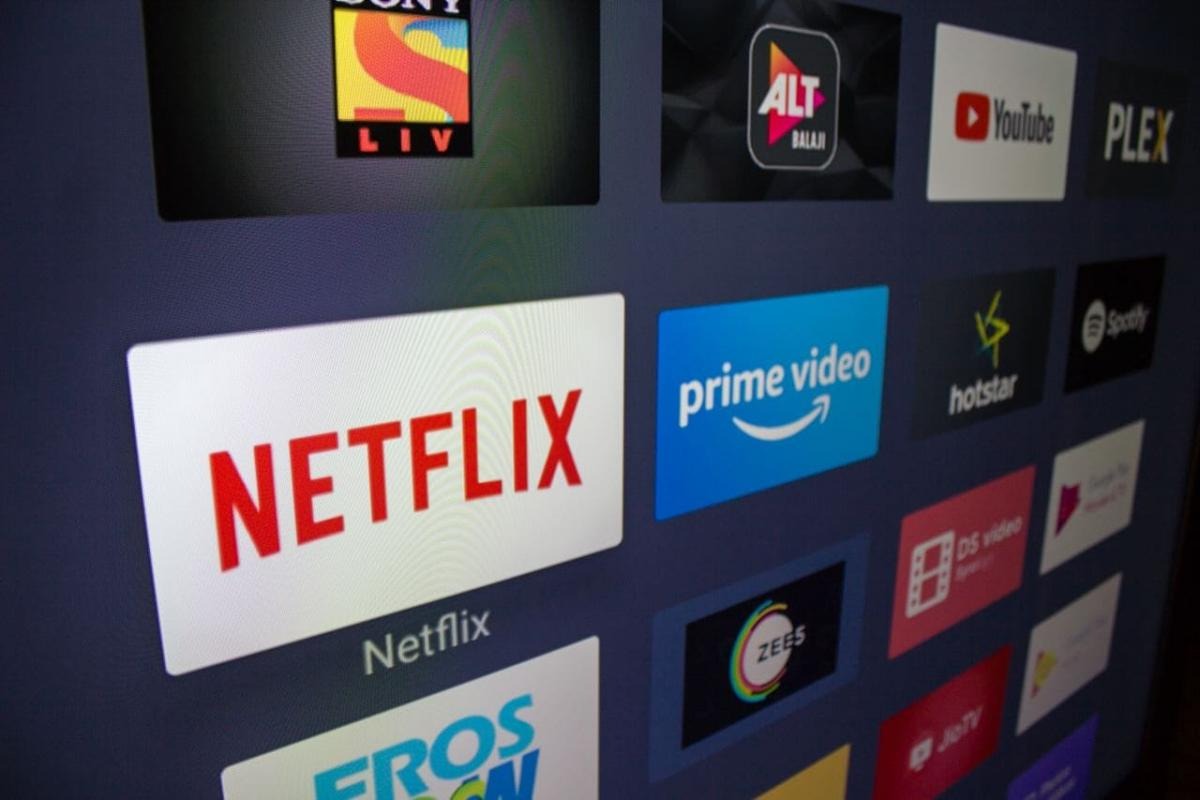
Over the last decade, a fresh wave of digital entertainment has reshaped how people watch movies, television shows, and documentaries. Rather than relying only on traditional broadcasting and cinema halls, more viewers now prefer to stream content online through various subscription-based services.
These online platforms, known as OTT services, have steadily gained popularity and changed the way producers distribute their work. A change in consumer habits, faster internet access, and increased smartphone use have all worked together to support this transformation.
Streaming services that allow people to watch content at their own convenience have become a common part of daily life, especially for younger audiences who value flexibility.

Mobile data turned every smartphone into a personal theater (Photo: Flickr)
These platforms do not require cable connections, and most of them offer a range of content in multiple languages. As a result, regional films and independent producers have also found more room to present their work to broader audiences.
How Mobile Internet Boosted Online Streaming
The growing availability of affordable mobile data played a big part in drawing users toward streaming platforms. With the introduction of cheaper smartphones and better internet packages, people from both urban and rural areas began watching films and series directly on their phones. This change allowed streaming services to reach groups that were earlier difficult to target through regular media.
Before high-speed mobile internet became common, watching content online was often interrupted by buffering and poor image quality. That problem gradually reduced with improved digital infrastructure and investment in 4G networks.
Telecom operators lowered data costs, making it easier for people to stream content daily without spending too much. This advancement in connectivity opened up access to audiences across various economic and cultural backgrounds.
The Variety of Content Now Available
One major reason for the growing popularity of streaming platforms is the vast amount of content available. From romance and thriller to crime drama and comedy, these platforms offer something for every taste. They have given space to new genres and bold themes that were once avoided by television producers and cinema boards due to strict censorship rules.
Web series, short films, and stand-up comedy acts now enjoy as much attention as blockbuster movies. Viewers have embraced the freedom to choose what they want to watch, when they want it, and on which device. This convenience, combined with the ability to skip ads, has made OTT platforms more attractive than traditional television.
Audience Preferences Are Driving Change
Content creators are now paying closer attention to what viewers prefer. Data collected from user behavior, such as what they watch and how long they watch it, helps producers decide what kind of stories to invest in. This approach has encouraged fresh storytelling styles and improved the diversity of characters on screen.
Series that represent everyday people and issues close to home are doing well. Platforms are also making more efforts to add subtitles and dubbing in various languages, allowing viewers across different regions to enjoy the same show. This level of accessibility was previously limited in cinema and cable TV.
Impact on the Film and TV Industry
The film industry has felt the presence of OTT platforms in many ways. On one hand, producers now have more ways to release their projects without depending entirely on cinema halls. On the other, traditional filmmakers face greater competition and pressure to deliver quality content faster.
Television networks have also begun adjusting their strategies by offering their own streaming apps. They understand that younger viewers are spending less time watching cable channels. Many television series are now made available online immediately after they air, and some are even produced exclusively for streaming.
Production companies are learning to balance between theatrical releases and digital debuts. For smaller films or experimental projects, OTT platforms provide a cost-effective alternative to cinema releases. This new route allows them to avoid high distribution costs while reaching a more targeted audience.
Rise of Regional and Independent Voices
Streaming services have given rise to a new generation of storytellers who were previously overlooked. Independent filmmakers and regional content creators now have a more welcoming space to present their work. Instead of tailoring stories only for metropolitan audiences, producers are now turning toward local stories that resonate with different regions.
Content in languages such as Tamil, Telugu, Malayalam, Bengali, and Marathi has seen a boost in visibility. These films and series are no longer confined to their linguistic boundaries. With good subtitling, they are reaching viewers across the country and even attracting audiences abroad.
This development has also increased demand for talent from different parts of the country. Actors, writers, and directors who once struggled to break into mainstream cinema now have a more level playing field.
Subscription Models and Revenue Growth
Streaming platforms usually operate on paid subscriptions, though some offer limited content for free. Most users are willing to pay for better video quality, early access to new content, and ad-free experiences. There are also family and student plans that allow multiple users to share accounts at a reduced price.
The number of paid subscribers has steadily gone up as people see value in investing in legal and high-quality content. Global and local platforms alike have increased their revenue by introducing more regional content and launching original shows. They also strike licensing deals with film producers to showcase movies shortly after cinema release.
Advertising remains another strong source of income. Brands now focus on reaching digital viewers through short commercials before and during shows. Unlike traditional television ads, these digital ads can be targeted to specific viewers based on their interests, making them more effective.

OTT platforms brought bold stories to living rooms everywhere (Photo: Alamy)
Concerns About Regulation and Content Control
The freedom to release content without much interference also brings certain challenges. Some groups have raised concerns about violent or explicit scenes, which may not always be suitable for all audiences. In response, discussions have emerged about how to ensure content stays within reasonable limits while preserving creative freedom.
Streaming platforms have introduced their own content rating systems and parental controls. However, public pressure and court cases have sometimes called for stronger rules. Government officials have considered guidelines to oversee online content while allowing platforms to maintain their independence.
Balancing free expression with public responsibility remains a topic of concern, and all stakeholders continue to look for ways to handle this without limiting artistic creativity.
How the Pandemic Affected Streaming Growth
When public places such as cinemas were forced to close, more people turned to digital entertainment to pass the time. The demand for fresh and engaging content increased, and streaming services responded by releasing several new shows and films directly online.
Families who had never used these platforms before began subscribing in large numbers. Educational content, fitness videos, and live performances also found space online, offering a wide range of choices beyond just fiction and film.
While the situation forced many changes, the habits developed during that period seem to have stayed. Even with theatres now reopened, many people continue to prefer the comfort of watching new releases from home.
Future Expectations and Challenges Ahead
With more competition entering the space, platforms will need to continue improving both content quality and user experience. Innovation in storytelling, better video recommendations, and stronger privacy controls will remain important for retaining subscribers.
Maintaining content diversity, protecting user data, and avoiding excessive subscription charges are a few issues that platforms will need to address carefully. At the same time, content fatigue could become a concern if quantity is prioritised over quality.
Several platforms are also experimenting with interactive content and advanced technology, including virtual reality and 3D features. These ideas may define the next phase of digital entertainment and how people engage with it.
Streaming platforms have changed the face of entertainment by offering greater convenience, broader choice, and better accessibility. With the right balance of creative freedom, responsible content practices, and user trust, they are set to remain a powerful force in the way stories are shared and enjoyed.