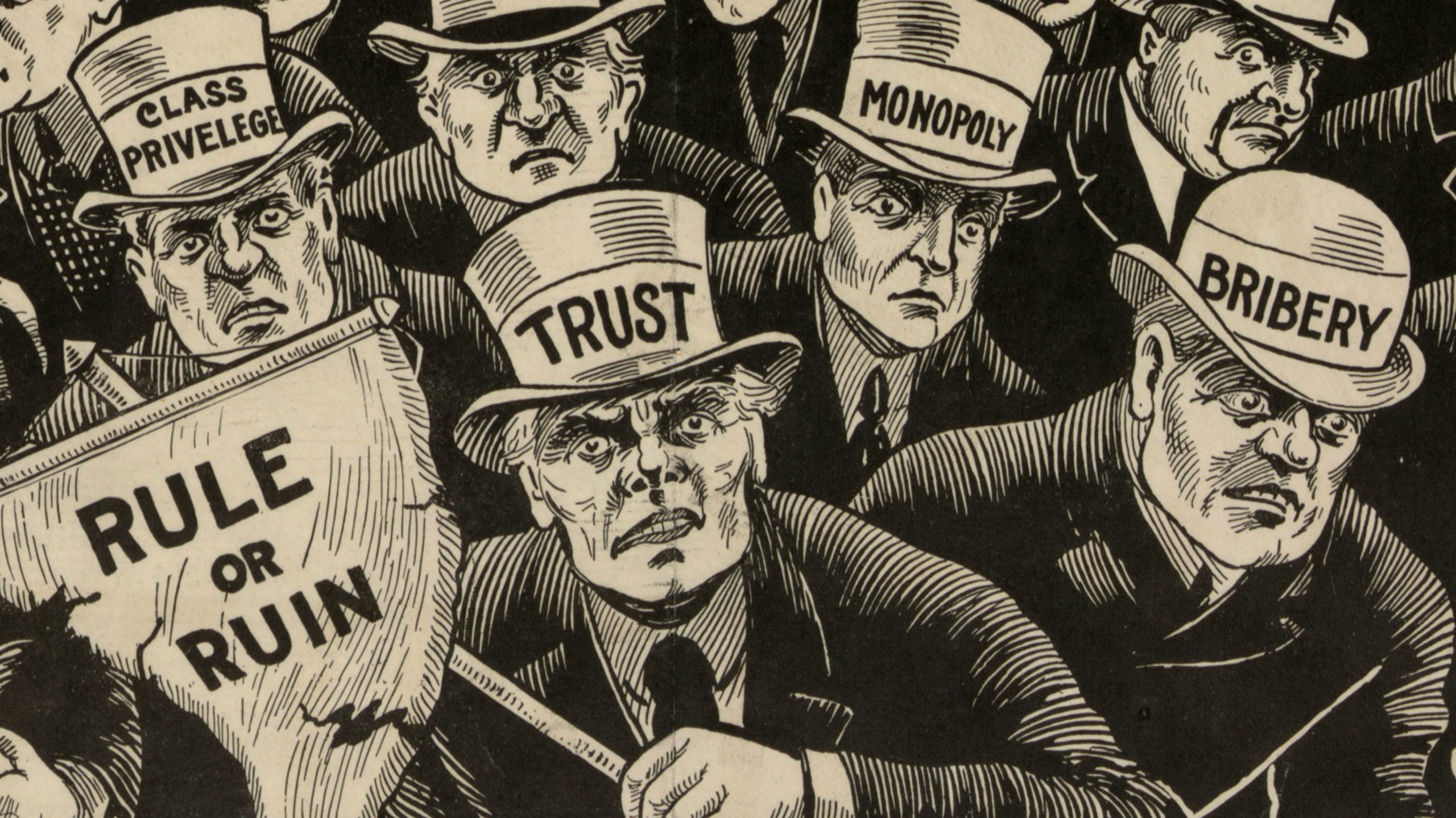
Political calmness within a country forms a strong base upon which economic activities can flourish. When government affairs remain undisturbed by frequent changes, tension, or power struggles, businesses and investors tend to feel more secure and are willing to commit resources.
Stability in leadership often means predictability in policies. People who wish to start businesses or invest in development projects are usually more confident when they believe rules will not change suddenly or unfairly.
Calm leadership gives businesses the green light to grow (Photo: Alamy)
Countries where governments change hands through violent means or where civil unrest is common often struggle with poor economic growth. Investors do not want to risk putting money into an environment where their profits can be wiped away overnight by policy reversals or social unrest. A steady government with a clear and fair legal system often attracts foreign capital, which boosts industries and creates jobs.
Impact on Foreign Investment
Foreign investors frequently evaluate the political structure of a country before making financial commitments. A peaceful political space signals fewer risks for companies entering new markets.
For instance, multinational companies often prefer countries with transparent governance, peaceful electoral processes, and clear economic policies. When those conditions exist, it becomes easier for international businesses to operate, establish partnerships, and contribute to job creation.
Unrest or unclear political direction sends warning signs to investors. If governments do not complete their terms or if court cases frequently overturn national decisions, it becomes difficult to rely on long-term plans. Political interference in private-sector matters may also reduce the confidence of foreign companies. These situations can cause funds meant for development to be redirected to more peaceful regions.
Influence on Local Businesses
Local entrepreneurs also benefit when political systems are calm. A peaceful political system allows businesses to plan years in advance, knowing that taxes, licensing laws, and other rules will not change unexpectedly.
It gives local producers confidence that their operations will not be interrupted by mass protests, strikes, or changes in administration that result in unclear regulations.
When political issues dominate the national dialogue, attention often moves away from economic matters. Time and resources are then spent handling political rivalries instead of promoting job creation or supporting innovation. For instance, when budget proposals are delayed due to legislative infighting, it can affect sectors that depend on public funding, such as agriculture or public infrastructure.
Security and Productivity
A politically calm environment tends to be safer. When people feel safe, they go to work regularly, produce more, and spend their income freely. These actions fuel the economy.
On the other hand, political unrest often leads to violence, destruction of property, and roadblocks that stop goods from reaching the market. When workers are afraid of being attacked or caught in political clashes, they may stay home. That loss of productivity directly affects business profits and the economy.
Security officers also perform better when their attention is not divided between normal duties and managing civil unrest. Resources spent managing demonstrations or countering political violence could otherwise go toward building security systems that protect lives and property. Political calmness enables those charged with law enforcement to focus fully on reducing crime, thereby building investor trust in that region.
Policy Continuity and Infrastructure
Stable governments are more likely to complete major infrastructure projects. Roads, airports, power plants, and housing developments usually take many years to complete.
If governments change hands through unconstitutional means or if there is poor communication between branches of government, many of these projects end halfway. This can lead to waste and disappointment for citizens.
When one administration builds upon the progress made by the previous one, national development tends to move faster. A clear, long-term development agenda requires unity among political leaders and respect for institutions. Without that, every new leadership may choose to abandon the plans made by the last group, even if they were beneficial.
Public Confidence and Spending
Citizens are more likely to spend money and make personal financial plans when they believe that their country is politically peaceful. Households tend to invest in housing, education, and business when they are certain that no major disruption is coming. The fear of political uncertainty often forces people to save money instead of spending it, which slows down commerce.
A population that trusts its leaders to keep things calm is more willing to take risks such as starting small businesses or seeking bank loans. These actions feed into the national economy by increasing demand, raising production levels, and creating employment. People who fear that government instability could affect their bank savings or job security often reduce their economic activity.
Governance and Institutional Strength
Long periods of political calmness give institutions such as courts, financial regulators, and education bodies time to grow stronger. Strong institutions help ensure that leaders follow the law, that public funds are used properly, and that civil rights are protected. These features build the kind of trust needed for people and companies to plan for the future.
A weak political system that is constantly shaken by power struggles, illegal takeovers, or constant leadership changes often leaves institutions without proper direction.
Public servants may become confused about who to report to, and corruption can thrive when there is no accountability. Weak institutions damage the economy because they make it difficult to resolve disputes, enforce contracts, or protect property.

Investors look for flags of stability not signals of chaos (Photo: Getty Images)
Impact on Tax Collection and Budget Planning
Governments that enjoy peace and long periods in office are often better at collecting taxes and managing national budgets. A stable administration has more time to design effective tax policies, implement them, and follow up on collection. This increases national revenue, which is then used for education, health care, and transportation.
When political chaos arises, revenue systems become weak. People may avoid paying taxes because they think the government will fall soon. Sometimes, politicians reduce taxes in exchange for political support, which weakens government finances. All of these situations reduce funds available for development projects and social services, which in turn affects the wider economy.
Confidence from International Partners
Countries with calm and well-organised political systems usually enjoy better relations with international organisations and donor agencies. Aid providers often require evidence of political calmness and accountability before releasing funds. When they are confident that money will be used as planned, they are more likely to offer grants, loans, and technical support.
A peaceful country also has better chances of entering trade agreements that benefit its economy. International trade requires trust between governments, especially when it involves customs policies, export rules, and tariffs. A country whose leadership changes frequently in unclear or violent ways may find it difficult to reach such agreements.
Examples of Economic Collapse from Political Disruption
Many countries that once had strong economies have suffered serious decline due to political disruptions. Periods of violence, disputed elections, and power tussles have made them less attractive to investors and caused local businesses to close down. Infrastructure in those places has collapsed, unemployment has increased, and inflation has spiked.
Lessons from such situations show that even countries with strong natural resources can suffer if their politics are unstable. The cost of rebuilding such economies is very high and often takes decades. It is better to preserve political calmness through peaceful elections, dialogue among stakeholders, and respect for institutions.
Across different continents, countries that maintain peaceful transitions of power and encourage dialogue between political opponents often enjoy faster development. While challenges exist in every society, the ability to resolve them without violence or disorder makes a country more likely to grow its economy in a steady way.
Political calmness is not just about elections or leaders. It involves a shared respect for rules, trust in public institutions, and a belief that disagreement can be resolved through legal and non-violent means.
When this kind of environment is present, both local and international investors feel encouraged to bring money, ideas, and energy that help to move the economy forward. The link between political calmness and economic growth has been shown repeatedly across different countries and continues to be a deciding factor for national progress.