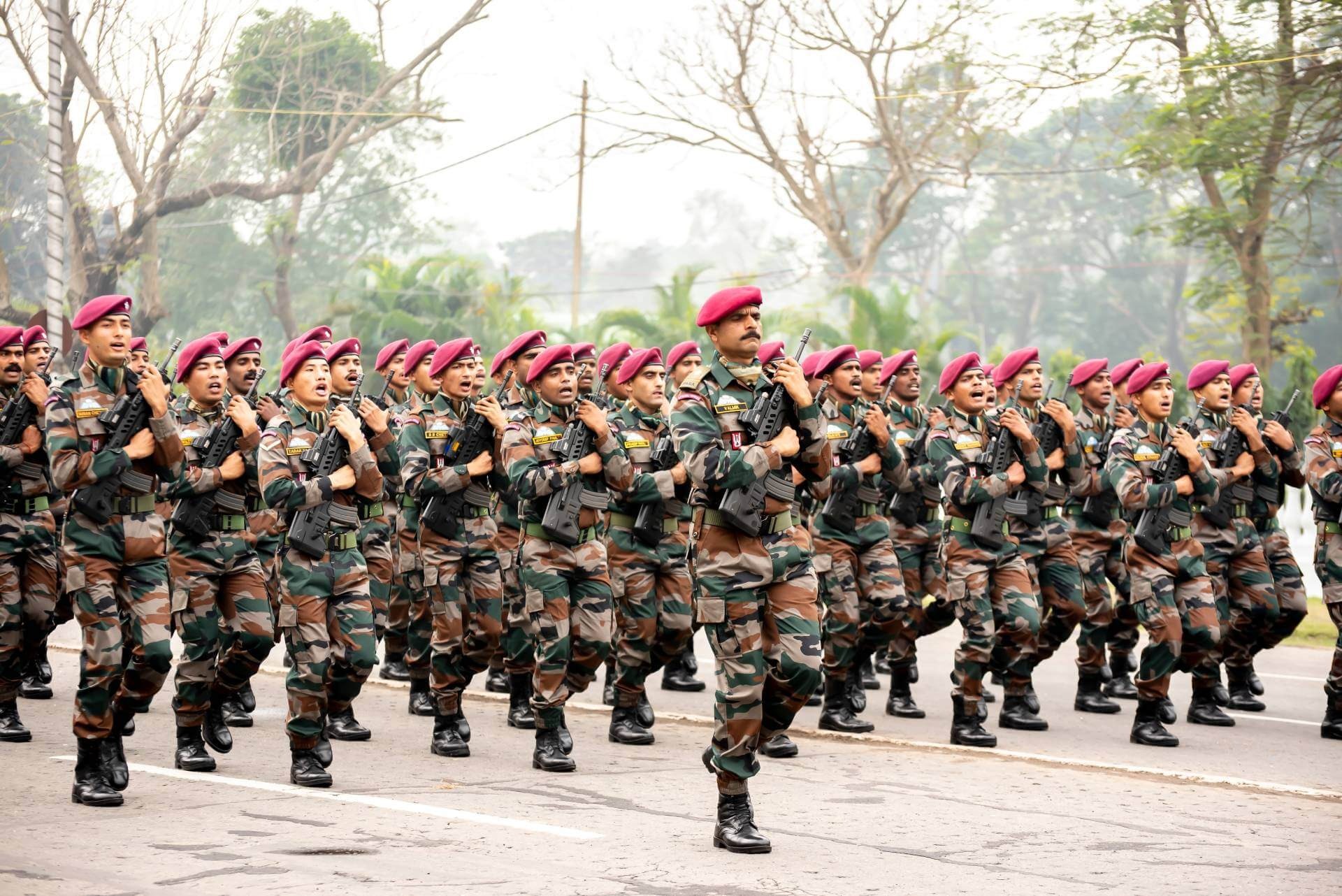
From the early years after gaining independence in 1947, the need to maintain a strong military presence became clear. Faced with geographical challenges, border disputes, and regional rivalries, leaders prioritised building a defence policy that could secure national interests.
Military doctrine, resource allocation, and regional partnerships were all shaped by the surrounding conditions of the time. At first, emphasis leaned towards land-based protection, especially given tensions with neighbours like Pakistan and China. Over the years, priorities shifted, reflecting changes in technology, diplomacy, and perceived external threats.
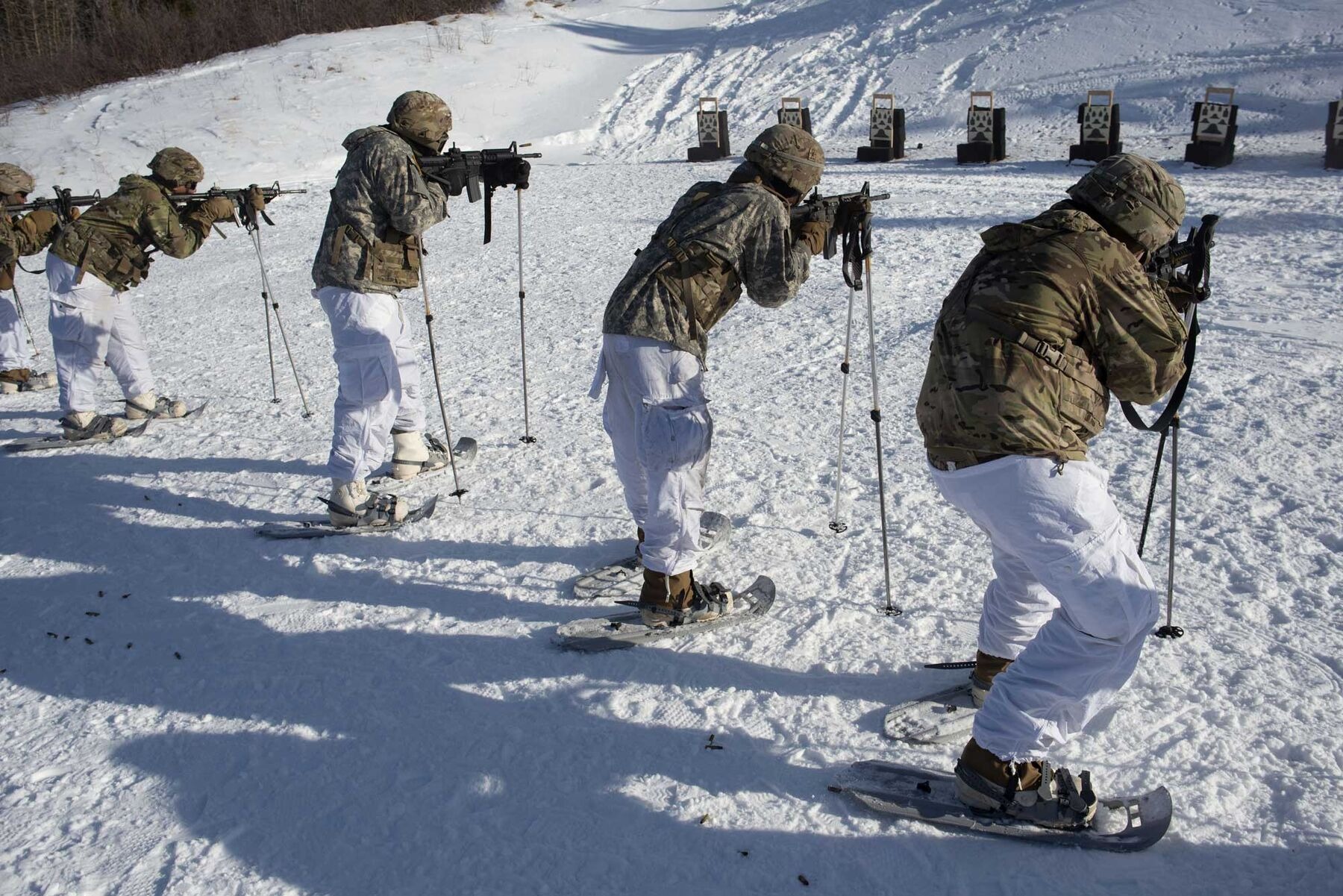
Mountains and rivalries forged a military built for resilience (Shutterstock)
During the 1950s and 60s, the government concentrated on self-reliance in security matters. This was particularly evident after the 1962 war with China, which exposed weaknesses in preparedness and logistics.
That experience acted as a wake-up call. Defence planning began to focus more seriously on modernisation, equipment upgrades, and reorganisation of military command structures. These adjustments were meant to prevent a repeat of such military problems and prepare the forces for any future confrontation.
Border Conflicts and Their Lasting Effects
Tensions along the borders, particularly with Pakistan and China, have played a central role in shaping the country’s military thinking. After the wars of 1965 and 1971 with Pakistan, focus shifted towards deterrence and quick-response capabilities.
The conflict in 1971, which led to the creation of Bangladesh, showcased an effective coordination between military branches. That operation also proved the effectiveness of joint command and planning, leading to the realisation that air and naval forces should be given more prominent roles in strategy.
When China became more assertive during the later decades, military planners began to take the threat from the northern frontier more seriously. As a result, forces stationed near the Himalayas were strengthened.
Roads and communication infrastructure in that region received more attention. In addition, specialised units trained for high-altitude warfare were developed and given better resources.
Technological Advancements and Strategic Planning
Modern warfare demands up-to-date technology, and this reality influenced changes in procurement and development plans. During the 1980s and 90s, partnerships with foreign countries, including Russia, helped in acquiring fighter jets, submarines, and advanced artillery. These acquisitions filled critical gaps in defence capabilities and encouraged a move towards combined operations using ground, sea, and air assets.
The nuclear tests conducted in 1998 confirmed a new dimension of defence thinking. A formal nuclear doctrine followed, which included a declared policy of no first use.
This placed focus on second-strike capability, prompting investment in missile systems, early warning networks, and strategic submarines. The creation of a nuclear command authority reflected efforts to strengthen control over the country’s strategic assets.
Information technology also brought changes in the approach to defence. The development of electronic warfare systems, surveillance satellites, and cybersecurity protocols became part of the strategy.
With an eye on digital threats and cyber espionage, new branches within the armed forces were tasked with protecting sensitive information and critical digital infrastructure.
Growing Importance of the Navy and Air Force
As global trade routes became more vital, protecting interests in the Indian Ocean gained fresh importance. The Navy, once a smaller component of the defence plan, saw major investments in warships, aircraft carriers, and maritime patrol systems. Protecting shipping lanes and securing sea-based energy imports became central reasons for this change.
The Air Force also received considerable upgrades, both in terms of personnel training and acquisition of multirole fighter aircraft. Air defence systems, aerial refueling tankers, and precision-guided weapons began to receive higher budget allocations. With evolving threats from long-range missiles and drone technology, airspace protection took on new urgency.
Strategic air bases were strengthened in remote areas, especially close to international borders. This helped in reducing reaction time during any sudden military engagement. A network of radar stations and air surveillance units was also expanded across the length and breadth of the country.
Defence Industrial Development and Domestic Production
For many years, defence equipment was imported in large quantities. However, there has been a steady movement towards building manufacturing capacity within the country.
The launch of programmes aimed at encouraging domestic production led to the creation of partnerships between public sector organisations and private firms. In recent times, particular attention has been given to indigenously designed fighter jets, tanks, and missile systems.
The “Make in India” initiative brought defence production under sharper focus. By supporting local companies and reducing dependency on imports, the long-term aim was to develop technological expertise at home.
Technology transfer agreements were signed as part of defence deals, and these provided knowledge that could later be applied to new projects managed by local engineers and scientists.
The Defence Research and Development Organisation played a central role in advancing missile technology, including short and intermediate-range ballistic missiles. In addition, efforts have been made to improve communication systems, night vision capabilities, and secure command networks for battlefield use.
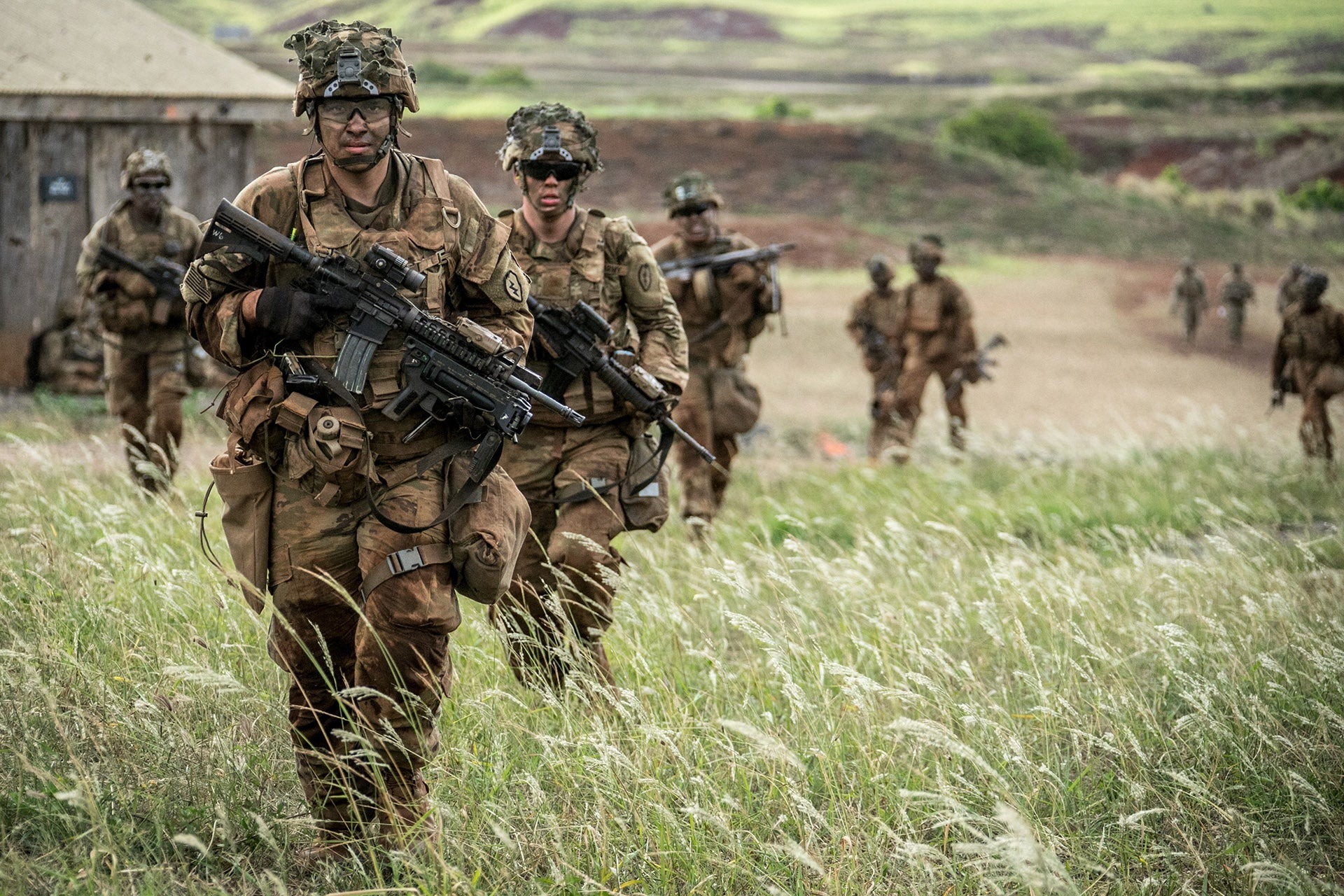
Lessons from past wars pushed modernization to the forefront (Photo: Alamy)
Joint Exercises and International Cooperation
Over the past two decades, participation in joint military exercises with foreign countries has increased. These engagements serve multiple purposes. They allow troops to train with modern techniques, test equipment in simulated combat environments, and improve coordination with potential allies. Training exchanges have occurred with countries such as the United States, France, Russia, and Australia.
Naval drills in particular have become more common. By conducting these exercises in international waters, the Navy has demonstrated a willingness to play a broader role in maritime security.
These operations have also helped in counter-piracy efforts, disaster relief, and humanitarian assistance missions. Such engagements have improved diplomatic ties and provided the forces with exposure to international standards of military readiness.
Peacekeeping roles have also featured prominently. The military has contributed troops to United Nations missions across Africa and Asia. These missions offer experience in conflict resolution, civil-military cooperation, and operating in difficult terrain under multinational command structures.
Policy Reforms and Structural Changes
Adjustments in how defence affairs are handled at the policy level have also contributed to the changing approach. The creation of the post of Chief of Defence Staff provided a link between military planning and government decisions. This step helped streamline defence operations and brought focus to inter-service coordination.
Plans to create theatre commands aim to organise military units based on geographical zones, instead of separating them strictly by branch. This is expected to make operations more efficient and ensure that resources are used in a coordinated manner. Such changes are part of broader efforts to modernise both the structure and mindset of the armed forces.
The introduction of new procurement rules has also sought to cut down delays in acquiring military equipment. By simplifying approval procedures and giving more authority to service chiefs, the aim has been to respond more quickly to urgent needs.
Future Direction and Emerging Priorities
While past defence decisions were shaped by immediate security concerns, future planning is increasingly influenced by long-term trends. With space and cyber threats becoming more common, new capabilities are being developed to protect communication satellites and data networks. Investments in artificial intelligence, robotics, and drone systems suggest a push towards integrating modern tools into everyday operations.
Another priority is maintaining operational readiness across multiple terrains, including deserts, mountains, jungles, and coastal regions. Training programmes are being redesigned to ensure that troops remain prepared for varied scenarios. Logistics chains are being reviewed so that supplies can be delivered to remote outposts without delay.
Energy security, environmental changes, and access to fresh water are also starting to influence strategic decisions. Defence planners are beginning to factor in how these issues might affect security over the next two to three decades. Infrastructure near borders is being expanded to allow easier troop movement and quicker deployment of heavy equipment.
By studying past mistakes, adjusting to current realities, and preparing for tomorrow’s challenges, the country’s defence planners continue to shape a military force capable of handling both traditional and modern threats. Each reform, acquisition, and training module reflects a desire to remain ready, responsive, and resilient.