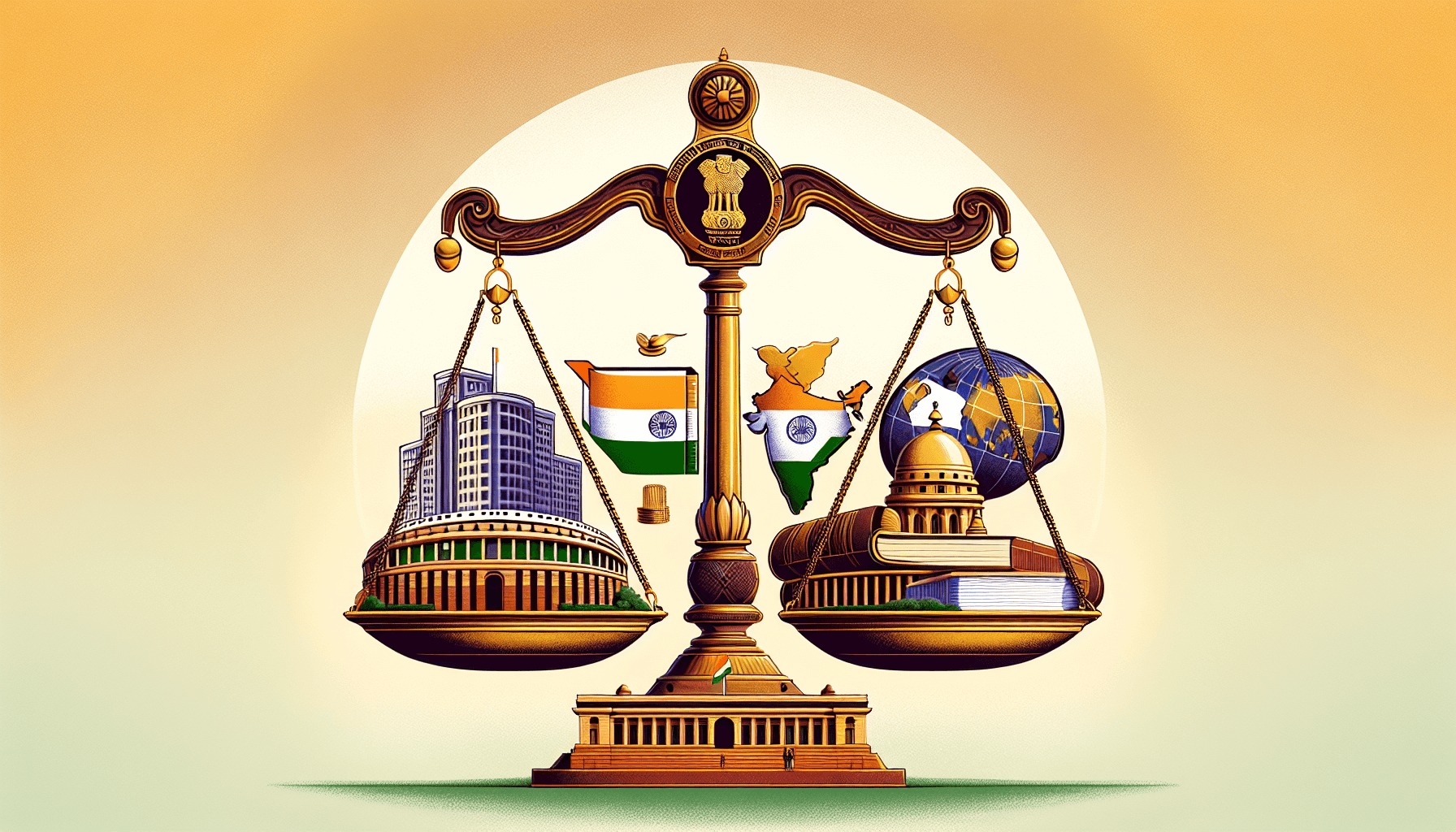
A country with a large democratic structure requires someone at the top who can act as the guardian of its constitutional values. That person is known as the President. Though many assume this office is just ceremonial, there are layers of responsibility attached to it that extend well beyond mere protocol.
As the head of the state, the President holds a special position within the framework of the Constitution. Understanding this role requires attention to detail, especially considering how the President relates to other parts of government.
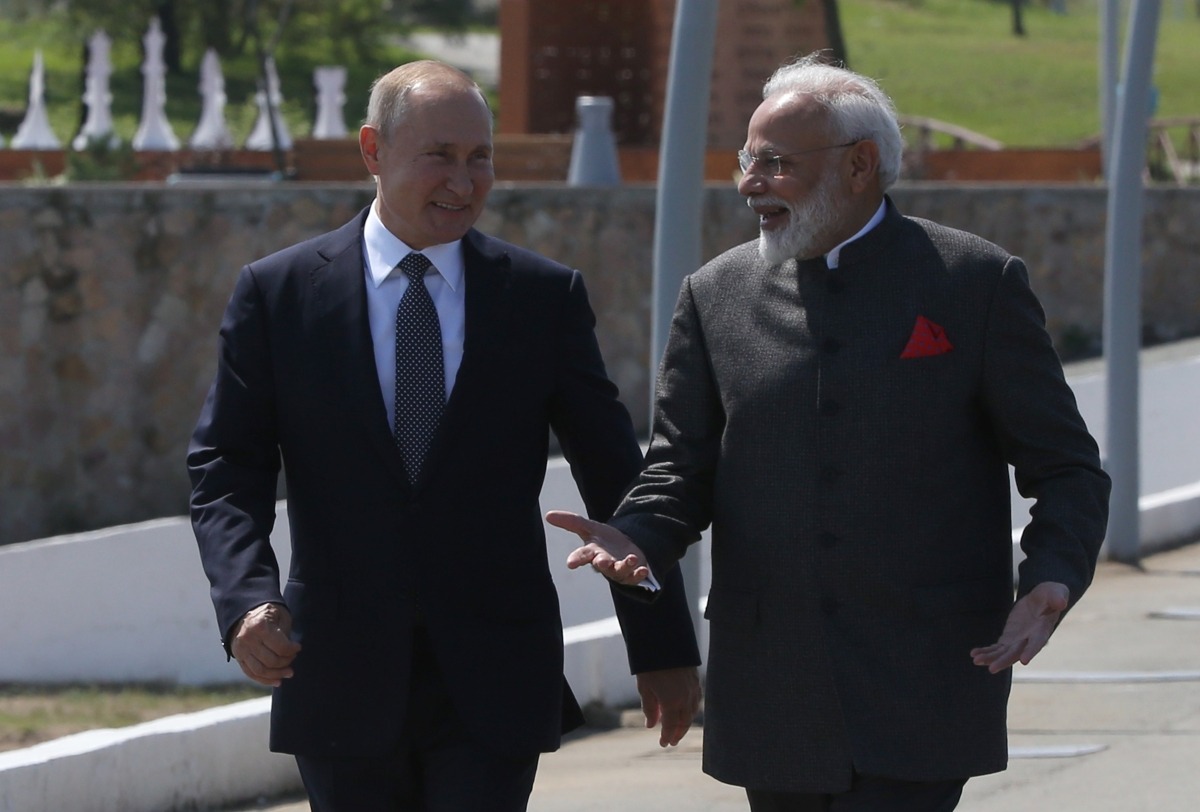
Holding the highest seat means balancing tradition with legal duty (Photo: Getty Images)
This office does not operate in isolation. It is closely linked with the legislature, the judiciary and the executive. While the Prime Minister takes charge of daily governance, the President carries out functions that keep the wheels of the state turning within legal boundaries.
This unique arrangement gives room for checks without interfering directly in everyday decisions. One must pay attention to both the symbolic and practical roles that define the presidency.
To grasp this function fully, one should look into how the President is chosen, what powers the Constitution gives to the office, and how it fits into the daily functioning of the government.
There are formal duties, legal obligations, and traditional responsibilities tied to this position. These different aspects reflect how the President serves as a bridge between law and action.
Selection and Eligibility Process
Before anyone can occupy this seat, there are strict conditions to be met. A candidate must be a citizen of the country and at least 35 years old. They must also be qualified to become a member of the Lok Sabha, which is the lower house of Parliament. However, individuals holding an office of profit under the government cannot contest unless they resign from such positions.
The election process follows an indirect method. Unlike Members of Parliament who are elected directly by the public, the President is chosen through an Electoral College.
This body includes elected members from both Houses of Parliament and the elected representatives of the State Legislative Assemblies. Votes are assigned a particular value, ensuring a balance between the central and state governments in this selection.
The procedure is designed to reflect federal principles and protect the balance of power. Voting takes place through a secret ballot using the single transferable vote system. This method allows the most widely acceptable candidate to be selected, reducing the influence of narrow political interests.
Duties Linked to the Executive Arm
Even though the real control of government rests with the Prime Minister and the Cabinet, the President plays an essential part in executive affairs. According to constitutional provisions, every executive action is taken in the name of the President. However, this does not mean that the President acts independently.
On paper, the President appoints the Prime Minister, along with other ministers, governors, ambassadors and top officials. These appointments are based on advice received from the appropriate bodies or leaders, especially after elections or political changes in the legislature. The President also has the authority to dismiss ministers, but this is rarely exercised and is usually done on the Prime Minister’s recommendation.
In routine matters, the President signs off on decisions made by the Cabinet. This signature is what gives those decisions legal backing. However, in exceptional times, the President can exercise discretion, particularly when there is no clear majority in the legislature or during constitutional breakdown in a state.
Connection with the Legislative Body
There is a strong link between the President and Parliament. The President summons both Houses and has the power to prorogue them or even dissolve the Lok Sabha. At the beginning of each session, especially after general elections and the start of a new parliamentary year, the President addresses the joint sitting of both Houses. This address outlines the government’s policies and goals.
No bill becomes law until the President gives assent. While usually a formality, the President can return a bill once for reconsideration, except in the case of money bills. If Parliament passes the bill again, the President is required to give approval.
There is also the option to reserve some bills for further study or advice from the judiciary, especially if there are concerns about constitutionality. These interactions underline the President’s role in lawmaking without stepping beyond constitutional boundaries.
Role During Emergencies
This office becomes more pronounced during periods of emergency. There are three types: national, state and financial. When any of these are declared, the President assumes a broader role, though still within a framework advised by the government.
During a national emergency, the President can approve laws made by Parliament even on subjects reserved for state legislatures. In a state emergency, also called President’s Rule, the President takes control of that state’s executive functions after dissolving or suspending its legislative body. This happens when a state government cannot function as per constitutional norms.
A financial emergency is less common, but if declared, the President gains authority to cut down on the salaries of officials and direct financial matters in states. These emergency powers expand the President’s scope temporarily but are tightly controlled through constitutional checks.
Authority in Judicial and Military Matters
The President also plays a part in the judicial and defence structures. Judges of the Supreme Court and High Courts are appointed by the President, usually after consultation with the Prime Minister and Chief Justice. These decisions shape the judicial character of the country for years.
In terms of defence, the President serves as the Commander-in-Chief of the Armed Forces. This is a ceremonial position in practice, as strategic decisions come from the Defence Ministry and the Cabinet. However, the President is responsible for formal declarations of war or peace, again based on government advice.
This role brings dignity and ceremonial respect to the armed forces, giving recognition to service personnel during events like military honours, parades and national celebrations.
Not just a figurehead the President ensures checks remain in place (Photo: Alamy)
Clemency and Pardoning Powers
The major responsibility of the President involves the power to pardon or reduce sentences in criminal cases. This function is used in cases involving extreme punishment, including death sentences. The power covers a wide range of actions such as commutation, reprieve, respite and remission of punishment.
Although the President usually acts on the advice of the Home Ministry, especially in high-profile cases, these powers are meant to act as a final safeguard. They allow for human consideration and review where legal proceedings may have reached a harsh outcome.
This authority adds a human layer to justice, reflecting the idea that mercy can be extended even after due process has been followed.
Cultural and Ceremonial Functions
Beyond constitutional duties, the President also plays a central part in public life. As the ceremonial head of the country, the President presides over events of national importance. Independence Day and Republic Day celebrations, official receptions for foreign leaders, and award presentations to citizens fall under this category.
During these occasions, the President represents the values, heritage and aspirations of the people. Though there is little actual power in these events, the symbolism carries weight. It brings unity across regions, languages and social groups, reflecting national pride.
Additionally, the President may act as a guide and moral voice, especially during crises or public uncertainty. Public addresses from the President often carry weight and respect, even when they are limited to advice or appeals for peace and order.
Term and Possibility of Re-election
The term for the President lasts five years, but the officeholder may continue until a successor is elected and ready to assume office. Re-election is allowed, and there is no limit to how many times a person can hold the post. Though most Presidents serve only one term, the option to return remains open.
If a vacancy occurs due to resignation, death, or removal through impeachment, the Vice-President steps in until a new President is chosen. The Constitution also provides steps for smooth handover and maintenance of stability during such transitions.
Through each action taken during the tenure, the office of the President preserves the constitutional spirit and ensures continuity of democratic governance. Whether acting in response to government advice or providing formal approval, the President remains a major figure in keeping the structure of the state balanced and effective.