Powerful changes in national leadership have often found their origin in state-level politics. From the way regional parties shape coalition governments to how state-level electoral dynamics influence central policy directions, each part of the country plays a major part in determining who rules from New Delhi.
State assemblies may appear to be concerned with only local matters, but the ripple effects from their outcomes go far beyond their borders. Political trends that begin within one state frequently impact decisions at the federal level. This pattern has remained consistent since independence and continues to define federal political behavior.
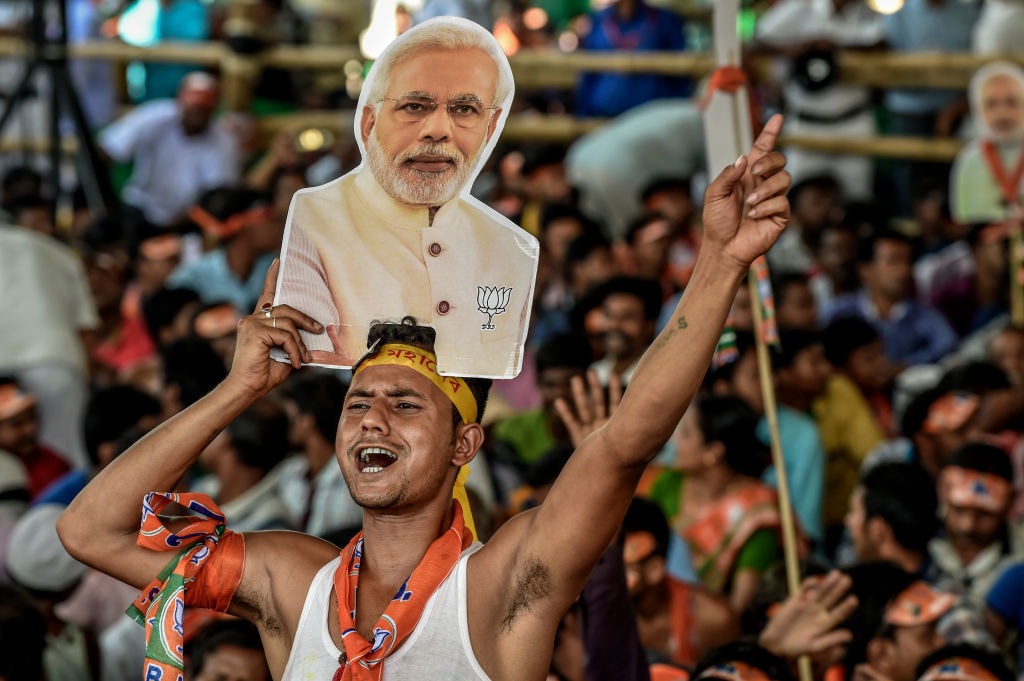
Local victories create waves that reach the heart of national power (Photo: Alamy)
The constitutional arrangement grants each state its autonomy, but there is a clear connection between state-level governance and national power. Strong local support often becomes the stepping stone to higher ambitions.
Politicians who perform well at the state level build the credibility needed to influence national debates. This has made states into breeding grounds for future prime ministers and central ministers. The diversity in language, culture, and demographics across states brings a wide range of priorities, and the central government must constantly respond to these differences to remain relevant.
Federal Structure and Political Realities
The Indian Constitution established a federal model where powers are shared between the Union and state governments. However, the way politics plays out has created a situation where the states exercise a strong voice in national matters.
Coalition politics, in particular, has given regional parties the opportunity to shape major decisions. As central governments increasingly depend on support from multiple parties to remain in power, regional interests are pushed to the front.
This is evident in parliamentary alliances, where regional leaders negotiate on major issues like resource allocation, representation, and policies that directly affect their states. A chief minister with a strong presence within their state can use that influence to demand more say in national policy.
As a result, political strength at the state level has become a kind of bargaining chip. Central leadership cannot afford to overlook demands from these states, especially those led by powerful regional figures.
Regional Parties and Their Influence
Some of the most powerful political changes have occurred because of regional parties. These parties are born out of state-level issues, yet they find a place in national politics when no single party secures a full majority.
Their influence often forces national parties to alter their agenda or accommodate regional demands. Whether it is economic policy, language rights, or social issues, the presence of these smaller parties brings added pressure on central leadership.
In states like Tamil Nadu, West Bengal, and Uttar Pradesh, strong regional parties have consistently delivered members of parliament who decide the fate of national legislation.
These states contribute a large number of seats to the Lok Sabha, and any party hoping to win a national mandate must take them seriously. As a result, leaders from these areas frequently become kingmakers.
Uttar Pradesh as a Decider
No discussion about the political structure is complete without considering the role of Uttar Pradesh. As the state with the highest number of Lok Sabha seats, it serves as the political heartland. Leaders who manage to win the majority here often find themselves with the momentum to lead the country. Many past prime ministers have come from this state, showing just how central its role is.
Political parties design their campaigns to focus heavily on this state. Promises made here often include specific infrastructure projects, job creation schemes, and religious appeals because of the state’s diverse voter base. Even when a party does not win nationally, a strong performance in Uttar Pradesh gives it credibility and negotiation strength.
South Indian States and Policy Resistance
Southern states often present a contrasting political structure when compared to the North. The electorate in states like Kerala, Tamil Nadu, and Andhra Pradesh typically support regional identities and demand more fiscal autonomy.
Leaders from these states often stand against central policies that do not align with their local vision. Their resistance sometimes blocks the central government from pushing nationwide reforms, especially when the ruling party at the centre does not hold power in these states.
The call for more devolution of powers and better financial treatment remains a recurring demand. Regional pride, strong literacy rates, and active civic participation give these states a strong voice in national dialogue.
When policies do not reflect the concerns of these regions, their governments often raise objections in the national media, through parliamentary debate, or even through Supreme Court challenges.
Coalition Governments and State Bargaining
Since the late 1980s, India has seen several coalition governments, and these arrangements have created space for regional leaders to play a central role.
Whether through alliances like the National Democratic Alliance (NDA) or the United Progressive Alliance (UPA), regional parties have often been included to secure a majority. These partnerships are not formed without cost. Regional parties demand specific ministerial portfolios, policy directions, or financial packages for their home states.
These negotiations show the strength that state-level politics brings to the national table. A small party from a single state can influence national foreign policy or economic reform if its support is crucial. This means the ruling party must constantly balance between keeping allies happy and maintaining a consistent message to the broader electorate.
Electoral Patterns and National Outcomes
Election results in major states often serve as indicators for what might happen nationally. When a party wins big in Maharashtra, Bihar, or Karnataka, analysts consider it a sign of possible national momentum.
This is because these states represent varied demographics, from urban professionals to rural farmers, from industrial hubs to agricultural heartlands. As such, a party that manages to appeal across these groups is often considered a contender for national power.
In some cases, states have set the tone for wider political trends. For example, policies introduced in Gujarat under a state leader later became part of national governance when that leader rose to prime ministerial position. The success or failure of these models at the state level influences voter decisions across the country, encouraging or discouraging similar initiatives.
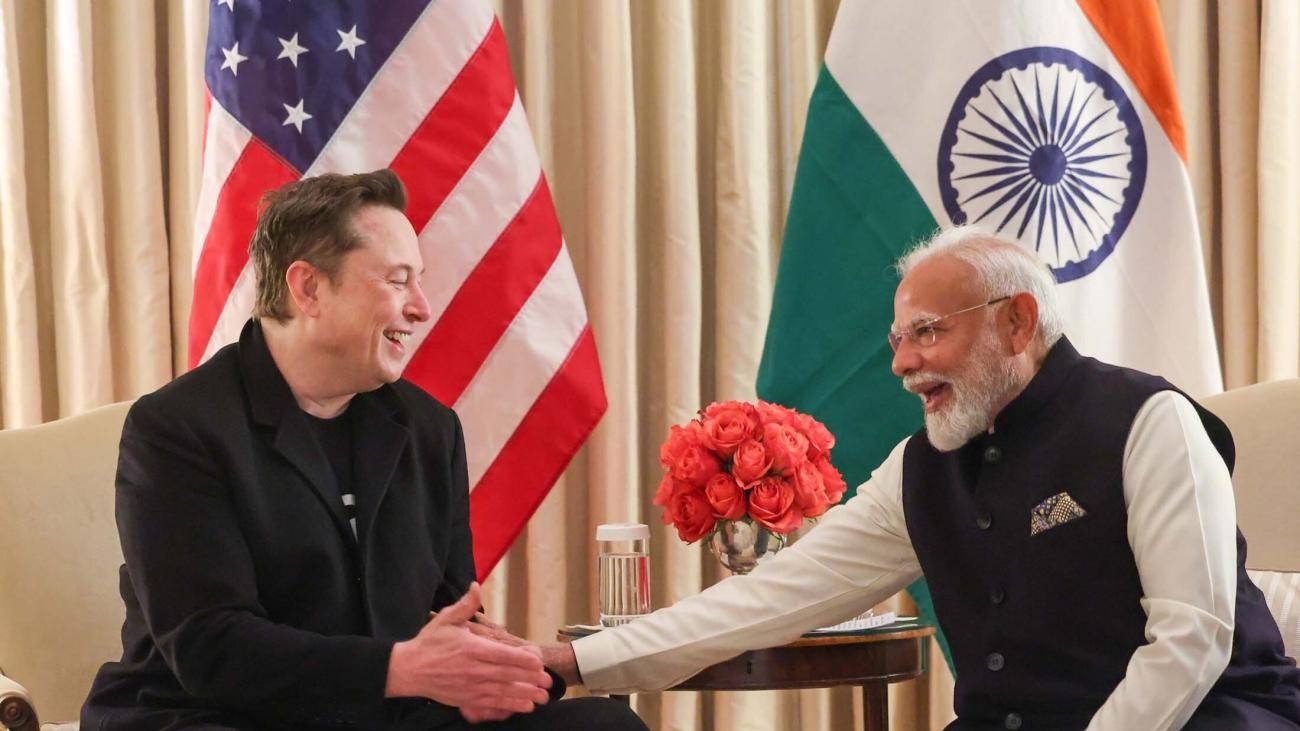
Chief ministers turn regional strength into federal leverage (Photo: Shutterstock)
Caste and Religion as Deciding Factors
Many Indian states still base much of their political structure on caste equations and religious considerations. These social factors hold strong influence in voting behavior. Parties at the national level must adjust their strategies to reflect these state-specific patterns.
In states like Bihar and Uttar Pradesh, caste alliances can make or break electoral fortunes. This requires parties to form local agreements and field candidates that match the social expectations of the region.
Similarly, religious identities shape campaign promises, candidate selections, and even the tone of political debate. A national leader hoping to make gains in these states must tread carefully, offering assurances without alienating other voter groups across the country. These factors demand a very state-sensitive approach from any party hoping to lead from the centre.
Policy Innovation from States
There are numerous cases where a policy started at the state level and later became accepted nationwide. Midday meal schemes, rural employment guarantees, and public health models were all first introduced by state governments.
When these ideas showed positive results, they were either adopted by the centre or inspired similar programs across other states. This makes state governments into policy laboratories.
Such examples highlight the critical role states play in shaping national discussions around development and welfare. Political leaders from the centre often visit these states, study their models, and adapt their strategies. A successful state policy does more than solve local problems. It provides evidence of what might work nationally.
Impact on Political Culture
Each state brings its unique political culture into the national conversation. From aggressive electioneering in West Bengal to consensus-driven politics in Kerala, these styles influence how debates take shape in Parliament. Leaders who grow within a specific political culture carry those traits into the national space. This results in a diverse and often tense but vibrant political environment at the central level.
The influence also runs the other way. National trends occasionally reshape politics within the states. For example, when a central party gains wide popularity, it tries to strengthen its presence at the state level, even in places where it traditionally struggled. This constant push and pull keeps both levels active and responsive.
The functioning of democracy across such a vast and diverse country cannot remain centralised. States act as filters, interpreters, and enforcers of national will. At the same time, they bring their own expectations, challenges, and styles into the federal space.
This two-way relationship has proven to be one of the strongest features of the political process. The seat of power may lie in Delhi, but its foundation runs deep through every state capital.