
A rising force has begun to shape democratic decisions with increasing influence, especially during elections. Youth voters have become a crucial part of the electoral process, their choices carrying weight in shaping national policies and leadership directions.
Their participation in recent years has revealed how younger generations are no longer sitting on the sidelines but stepping forward to take part in matters that define the country’s future.
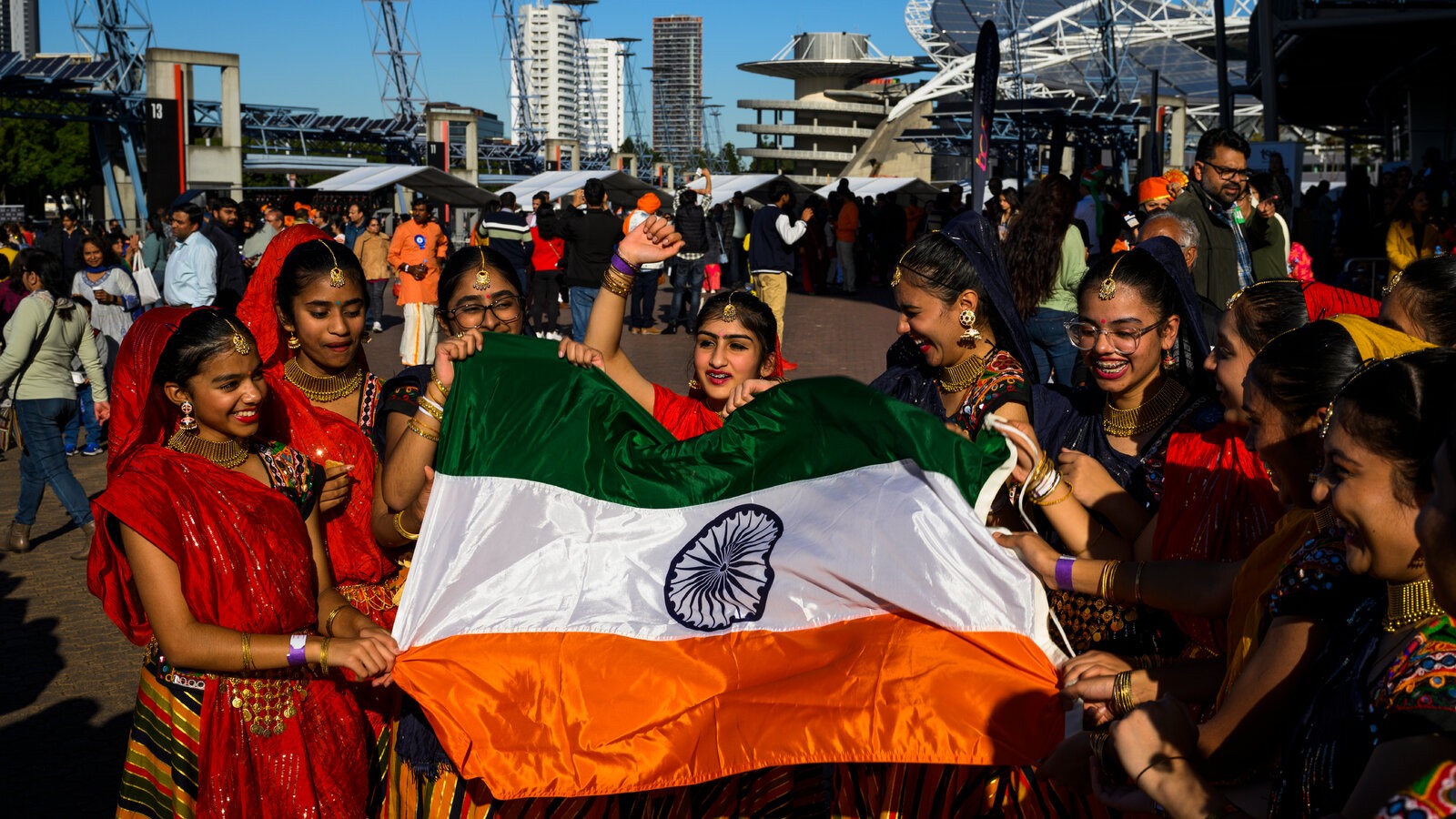
College campuses are turning into launchpads for political engagement (Photo: Twitter)
With increasing access to education, technology, and social awareness, they are no longer passive observers. Instead, they are becoming decisive voices in matters of governance and development.
Political analysts and observers have noticed a pattern of increasing voter turnout among citizens between the ages of 18 and 25. These young individuals often come to the polls with strong opinions, firm beliefs, and an eagerness to bring change.
The digital age has empowered them with tools to question long-held political structures and challenge outdated systems. As such, their energy and passion have created new expectations in political campaigns and public conversations.
It is now common for political parties to shape their messaging to appeal to youthful concerns such as employment, education, climate change, digital privacy, and transparency in governance.
Rising Numbers in Voter Participation
Over the past few elections, youth turnout has experienced a steady increase. This trend has proven that many young adults want their opinions to be counted where it matters most.
With an expanding number of first-time voters entering the system every five years, electoral commissions have seen large spikes in voter registrations among people below the age of 30. Many of them are first-time voters who view participation as a civic responsibility.
Unlike earlier generations that may have aligned strongly with a single political ideology or party, young voters today often consider multiple factors before making their decisions. They weigh manifestos, monitor political debates, and assess individual candidate performance on a personal and community level.
Many of them focus more on accountability and integrity rather than party loyalty. Such scrutiny from youth has pushed politicians to be more transparent and mindful of public perception.
Youth Expectations from Political Leaders
One of the strongest demands from young citizens is the creation of employment opportunities. With a large section of the population consisting of young adults, the pressure on job markets continues to grow.
Youth voters want leaders who can bring realistic policies that result in meaningful employment. Internship programs, entrepreneurship funding, skill acquisition projects, and stronger educational frameworks are just a few areas where the youth seek urgent action.
Aside from jobs, they also seek improvement in educational quality. Accessibility, affordability, and relevance of academic programs remain top issues. Students are more aware of global trends and expect learning systems that prepare them for real-world challenges. When politicians present promises on these fronts, young citizens tend to analyse them closely, looking for detailed plans rather than vague assurances.
Climate change and environmental concerns also hold growing importance among this age group. Many young voters support policies that promote clean energy, waste reduction, sustainable agriculture, and eco-friendly development projects.
As environmental awareness spreads through digital platforms and student networks, young people have started demanding firm commitments from those seeking public office.
Influence of Digital Media on Youth Engagement
Social media platforms and digital tools have given young citizens a strong platform to raise their voices and form communities around shared interests. These platforms have become places where political opinions are shaped, facts are examined, and decisions are influenced.
Instead of depending only on traditional news outlets, today’s youth turn to influencers, social justice advocates, and verified independent channels for information.
Live debates, video blogs, podcast discussions, and public polls now form a large part of youth engagement. Political figures are being held accountable more rapidly than before, as digital evidence and past statements can be retrieved instantly. Youths are often at the forefront of starting conversations on trending political issues, whether on social platforms or through organised street protests and college forums.
The digital space has also made it easier to mobilise movements. Petitions, campaigns, online voting guides, and awareness content can now spread within minutes. This rapid exchange of ideas has added speed and pressure to political campaigns, as public reactions can shape entire strategies overnight.
Role of First-Time Voters
The excitement and responsibility that comes with voting for the first time is unmatched. First-time voters often approach elections with intense curiosity and enthusiasm. While their choices may be shaped by family background or peer discussions, most of them take time to understand current affairs and evaluate leadership quality.
Political parties now target these voters directly by creating content that resonates with their concerns. Music videos, street art, interactive websites, and celebrity endorsements are some of the methods used to catch their attention. However, this generation is also quick to spot performative acts and token promises. They value honesty, clear communication, and track records over empty slogans.
Registration drives on campuses, digital awareness projects, and mobile voting apps have been introduced to ease participation for young voters. These efforts have helped build an inclusive voting environment that respects the energy and expectations of younger citizens. First-time voters continue to bring fresh perspectives and ask questions that others may have overlooked for years.
Shaping Future Policies Through Youth Preferences
It is becoming more common for youth-centred topics to influence election outcomes. Issues like gender equality, mental health awareness, digital privacy, and LGBTQ+ rights are now part of political conversations because younger voters insist they be addressed. As such, the presence of youth has broadened the focus of campaign discussions.
Candidates and political groups have learned that winning elections without engaging the youth is a tough task. Campaign messages are now customised to reflect current trends, memes, and pop culture. These methods may appear casual but they show that youth preferences hold real value in shaping political approaches.
Political manifestos have also started reflecting demands made by students and young workers. From extending student loan support to investing in tech start-ups, many leaders now dedicate parts of their agendas to youth-focused plans. This adjustment shows a growing awareness of how much young voters can influence who leads and how policies are designed.
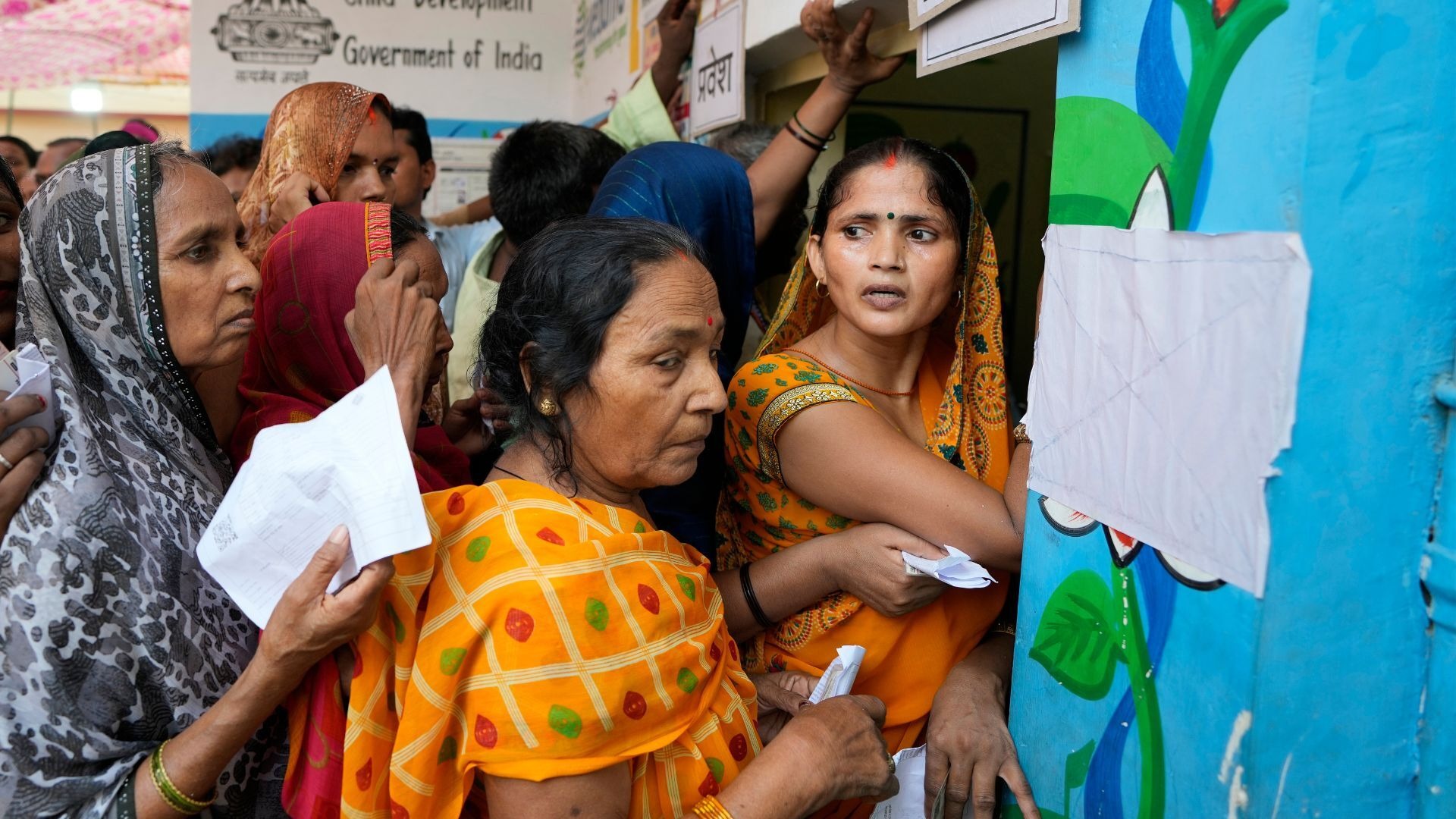
The digital generation is demanding transparency from every candidate (Photo: Getty Images)
Barriers Faced by Young Voters
Despite their increasing involvement, many youths still face challenges that affect their participation in elections. Complicated voter registration processes, misinformation, security concerns during campaigns, and lack of political representation continue to limit full involvement. For some, it becomes difficult to trust political systems due to corruption scandals or unfulfilled promises.
There are also areas where youth feel excluded from political decision-making spaces. Many leadership positions are still held by older individuals who may not fully understand the challenges younger generations face. As a result, youth wings of political parties and student-led pressure groups have started demanding more seats at the decision-making table.
Efforts are ongoing to include more young voices in both policy drafting and political appointments. Mentorship programs, fellowship opportunities, and youth policy dialogues have emerged as important tools in bridging the gap between young citizens and political institutions.
The Power of Collective Youth Action
When youth come together with a united voice, they can demand accountability in ways that were not possible before. Their numbers and coordination allow them to influence public opinion, challenge questionable decisions, and drive movements that reflect modern values. Campaigns led by students have led to court rulings, policy changes, and resignation of public officials in different instances.
This level of influence is a reminder that age does not determine ability to lead or initiate change. The unity shown by young people across regions and cultures has made them a group that politicians cannot afford to ignore. Whether through organised protest, artistic expression, or consistent online pressure, their determination leaves an impact that shapes national directions.
With every election cycle, more young people will be added to the voter base. This change brings an opportunity to redefine political participation and social responsibility. If current trends continue, young voters will remain key to demanding progress in multiple areas. Their expectations will keep influencing how leaders act, how policies are written, and how systems function.
The path ahead depends on continued education, access to information, and willingness to engage in public matters. Encouraging civic responsibility among the youth is essential to keep this energy alive. When young citizens feel heard and respected, they become active builders of national development.
As elections continue to shape the future of governance, the participation and influence of youth voters will remain central. Their voices are not just loud; they are filled with intent, vision, and a desire for meaningful progress that reflects modern values. Their contribution will help shape a country that meets the hopes of future generations.