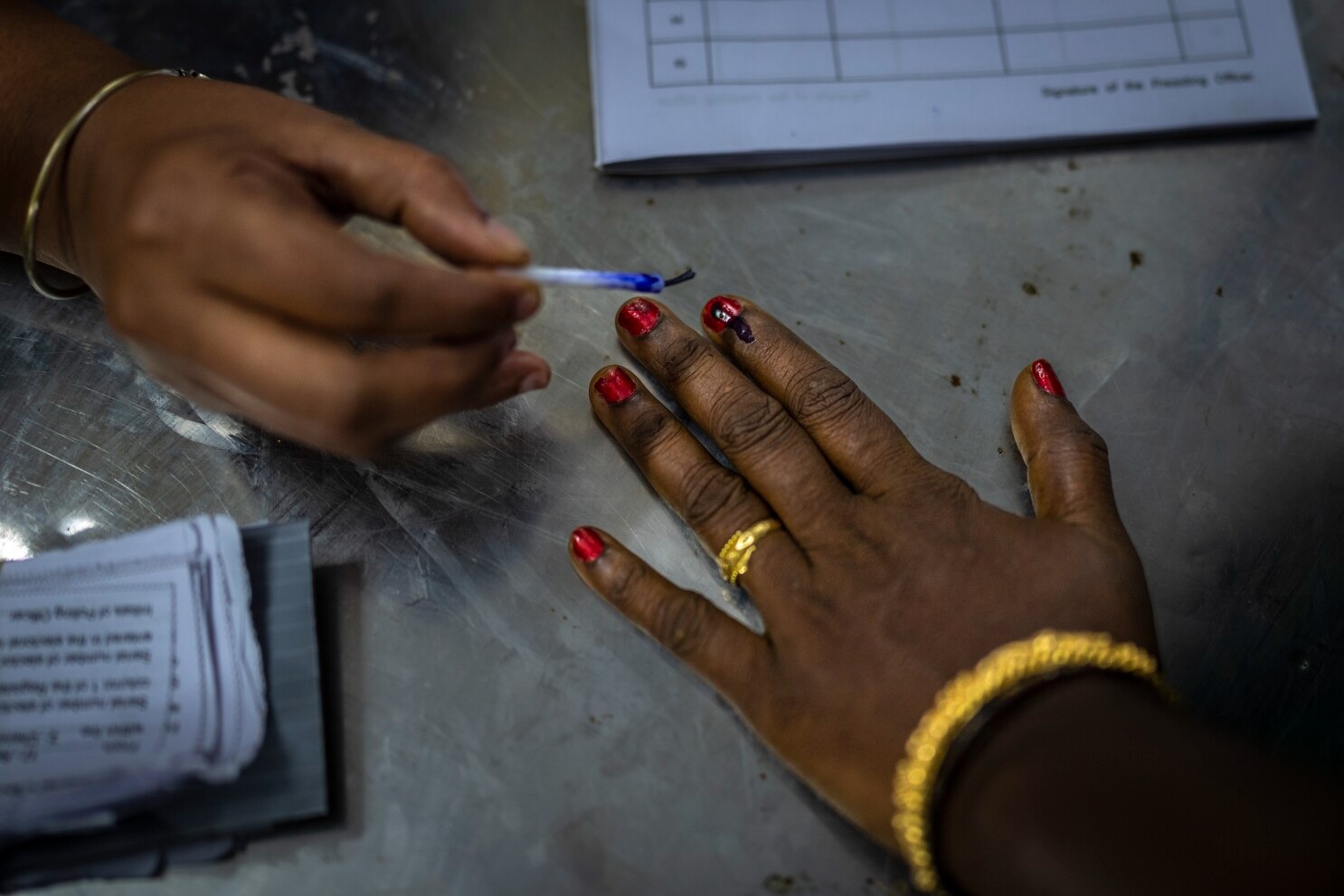
The process of choosing national leaders in the second most populated country on earth is carried out through a structured system that involves several stages, institutions, and legal frameworks.
Elections in this country are handled with strict rules to ensure fairness and allow eligible citizens to participate fully in selecting their representatives. This entire arrangement is handled by a powerful autonomous authority that does not answer to the ruling government. That body sees to it that all activities before, during, and after the election stick strictly to the law.
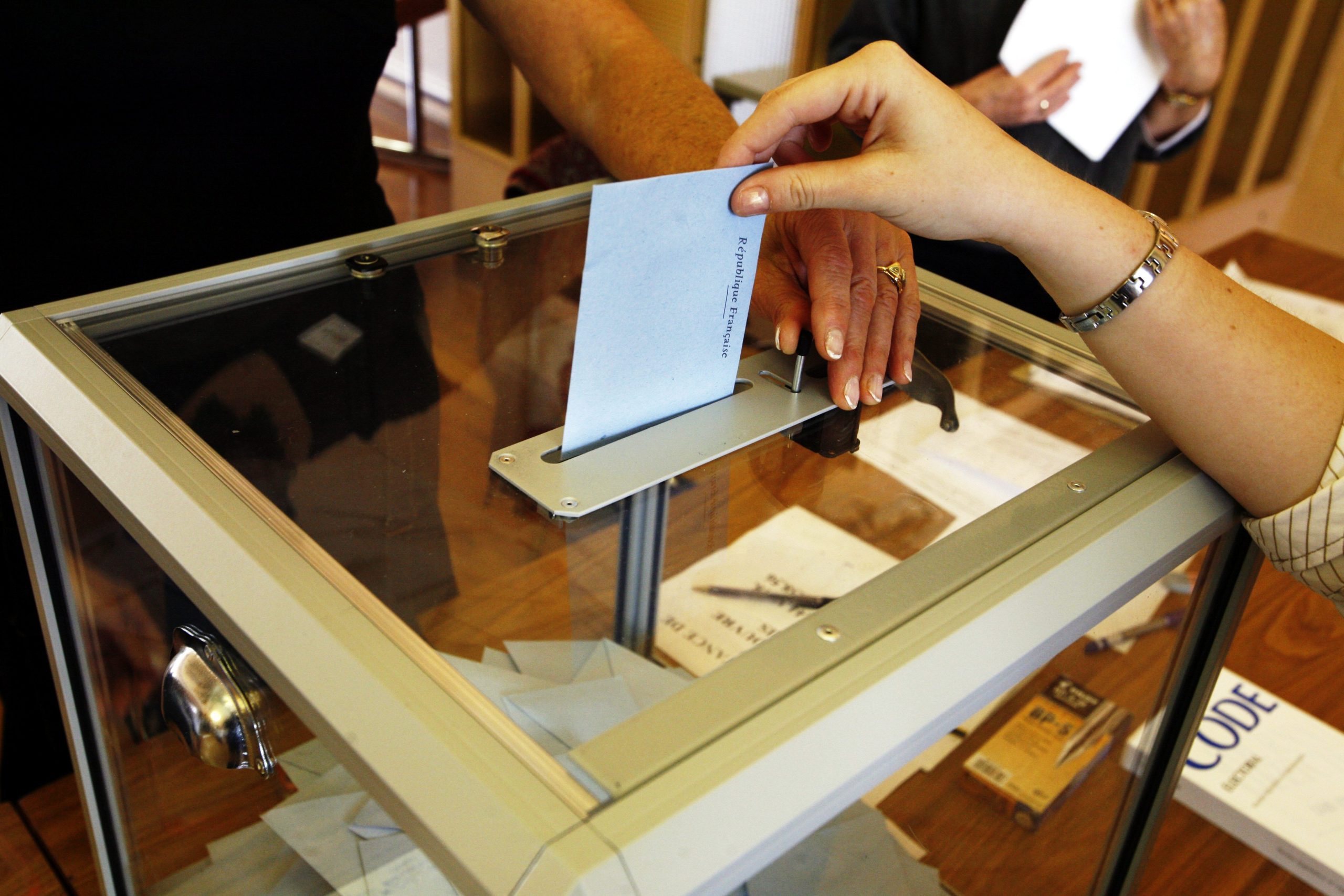
The Election Commission ensures every vote is counted and every voice heard (Photo: Shutterstock)
Each voter has the right to choose candidates without interference, and this right is exercised through ballots cast during voting periods set by law. General elections happen every five years unless disrupted by special circumstances. The focus is usually on choosing members of parliament who will later determine who becomes Prime Minister.
This setup reflects a parliamentary democracy where power flows from the legislature. Even though the country is made up of multiple ethnic groups, languages, and religions, every adult citizen is allowed to take part equally, provided they meet the eligibility requirements.
Electoral Commission and its Duties
The Election Commission of the country is the main institution responsible for conducting elections. It was established through constitutional provisions and given wide powers to oversee every part of the electoral process. The commission is expected to act with independence and neutrality. Its major roles include preparing voter rolls, monitoring political parties, setting election dates, and supervising vote counting.
It also ensures that political parties and candidates comply with campaign rules. These rules prevent excessive spending and ensure public institutions are not used unfairly during campaigns.
If any political group or individual fails to obey the commission’s guidelines, sanctions can be applied, including barring them from participating. The commission also takes charge of deploying election officials and security personnel across different locations to make sure that voting is safe, smooth, and credible.
The Structure of Parliamentary Elections
General elections focus on selecting members of the Lok Sabha, which is the lower chamber of parliament. This chamber holds 543 elected seats, and each member represents a constituency.
A constituency is a specific geographical zone with a certain number of eligible voters. Only one member is chosen from each constituency using a system known as first-past-the-post, where the candidate with the highest number of votes wins.
Each candidate is usually backed by a political party, although independent candidates can also contest. Political parties submit nominations for their preferred candidates across different constituencies.
Campaigning begins several weeks before voting, with parties trying to win support through rallies, advertisements, and media outreach. After voting ends, results are declared, and the party or coalition with the majority of seats in the Lok Sabha gets to form the government.
Role of the Prime Minister and the President
While the President is the ceremonial head of state, real executive power lies with the Prime Minister. After elections, the President invites the leader of the majority party or coalition in the Lok Sabha to form the government.
That person then becomes the Prime Minister. The Prime Minister selects ministers and assigns portfolios, and these ministers help in running different arms of government.
The President is also elected, though through a different method. Instead of a popular vote, the President is chosen by an electoral college made up of both central and state lawmakers.
The person holding that office performs symbolic duties but also acts during constitutional crises or when there is a dispute over government formation. However, on most matters, the President acts on the advice of the Prime Minister and the cabinet.
Preparation of Voter List and Voter Eligibility
One of the major tasks before any general election is to update the voter list. The commission ensures that only citizens who are 18 years and above, and who are not legally disqualified, are included.
Names are removed when a person dies or moves to another location, while new voters can register online or through physical forms. Each voter is issued a unique identity card, which they must present during voting.
Special measures are put in place to help persons living with disabilities and senior citizens to vote without stress. Citizens living abroad and certain categories of security personnel may also vote under special rules. The goal is to make sure that no eligible person is denied the opportunity to take part in electing leaders.
The Voting Process and Use of Technology
The actual voting process takes place over several phases in different regions due to the size and population of the country. Voting is conducted using electronic voting machines, which have largely replaced paper ballots. These machines are designed to be secure and tamper-proof. Each voter presses a button next to the name or symbol of their preferred candidate.
Once the machine records the vote, a paper trail is also generated to allow verification. Counting of votes begins soon after polling ends in all regions. The result from each machine is added up, and the total is announced publicly.
Media houses often report these figures live, and there is usually a lot of interest from the public. Victory certificates are then issued to the winners, and the new parliament is inaugurated.
The Influence of State Elections
Apart from national elections, each state also conducts its own legislative elections to choose members of the state assembly. These elections follow a similar format, but winners serve at the state level. The head of a state government is known as the Chief Minister, and this person is selected in the same manner as the Prime Minister, based on which party wins the majority in the state assembly.
Sometimes, state and national elections are held at the same time. Other times, they are held separately depending on the calendar. State-level politics can influence national elections, especially when regional parties have strong support in their areas. These regional groups often enter into alliances with larger national parties, and such arrangements affect the outcome of national polls.
Challenges Faced During Elections
Several problems can arise during elections, including attempts to influence voters through illegal means. There have been concerns about vote buying, voter intimidation, and misuse of government machinery.
The electoral body works with security agencies to reduce these problems by deploying officers in sensitive areas and running awareness campaigns to educate voters about their rights.
Fake news and misinformation also create problems. Political opponents sometimes spread false stories through social media to harm the image of their rivals. This affects voter choices and can lead to tension.
In response, the commission now works with digital platforms to track and remove misleading content. Voters are encouraged to verify information before sharing or believing it.
Legal Framework and Dispute Resolution
The conduct of elections is guided by the Constitution and various laws passed by parliament. These include acts that define how political parties should operate, how campaigns must be conducted, and how disputes should be settled. Candidates who feel cheated during the process can file petitions at special courts known as election tribunals.
These courts review evidence and testimonies before reaching a judgment. If wrongdoing is found, the election may be cancelled, and a fresh one may be ordered. Penalties include banning guilty candidates from contesting again for a set number of years. These legal mechanisms help to maintain order and encourage honesty during campaigns and voting.
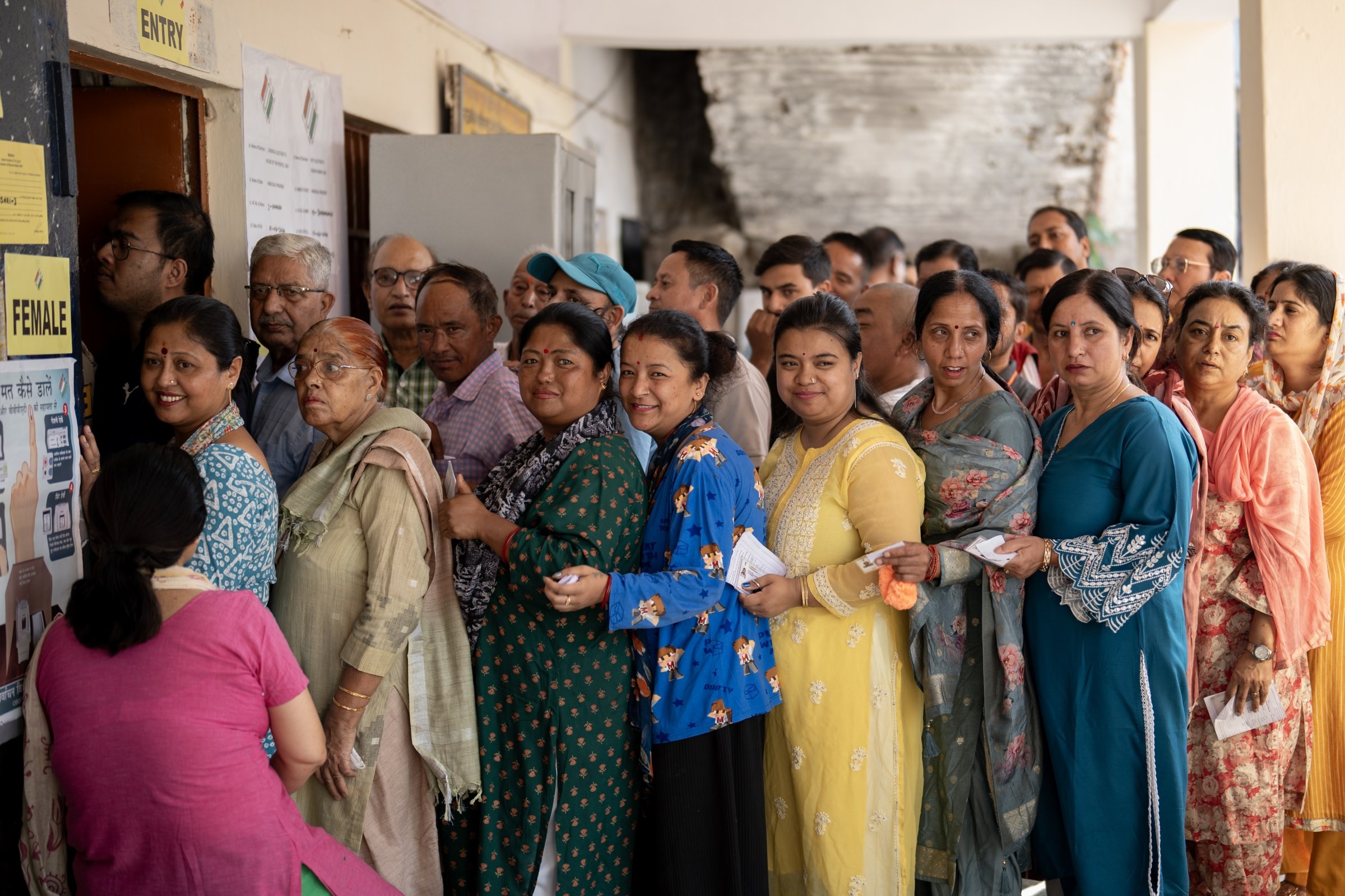
Parliamentary power begins with the people in the world’s largest democracy (Photo: Getty Images)
Youth Involvement and Voter Awareness
Young people play a major role in the political future of the country. Many first-time voters make up a large portion of the voting population. To get them involved, the electoral body runs campaigns in universities and uses social media to share information about how to register and vote. Various apps and digital platforms have been introduced to make it easier for citizens to participate without delay.
Voter education programmes are also conducted to explain how to verify names on the register, how to identify symbols on voting machines, and what to do if they encounter problems. These efforts are aimed at increasing voter turnout and reducing the influence of money or violence in politics.
Observers and Election Monitoring
To boost public trust, both local and international observers are invited to monitor elections. These individuals check whether polling is done fairly, and if results reflect the actual votes cast. They visit polling units, speak with voters, and submit reports that may influence future reforms. Their presence discourages illegal activities and helps boost transparency.
Observers also give feedback on logistics, such as whether materials arrived on time and if polling stations were accessible. Their reports may include suggestions on how to improve future elections, especially in areas where problems were noticed. The electoral body usually reviews such recommendations when making updates to procedures.
Future Possibilities and Reforms
There is growing discussion about whether national and state elections should be held at the same time to reduce cost and improve efficiency. However, many political groups have differing opinions on this idea. Another topic being debated is allowing remote voting for citizens who cannot return to their constituencies during election periods.
Technology will continue to shape how elections are conducted. More innovations are being considered, such as online voting and better data protection for voters. These proposals are being examined carefully to avoid creating new problems while trying to solve old ones. The electoral body remains focused on making sure that the system remains free, fair, and inclusive.