























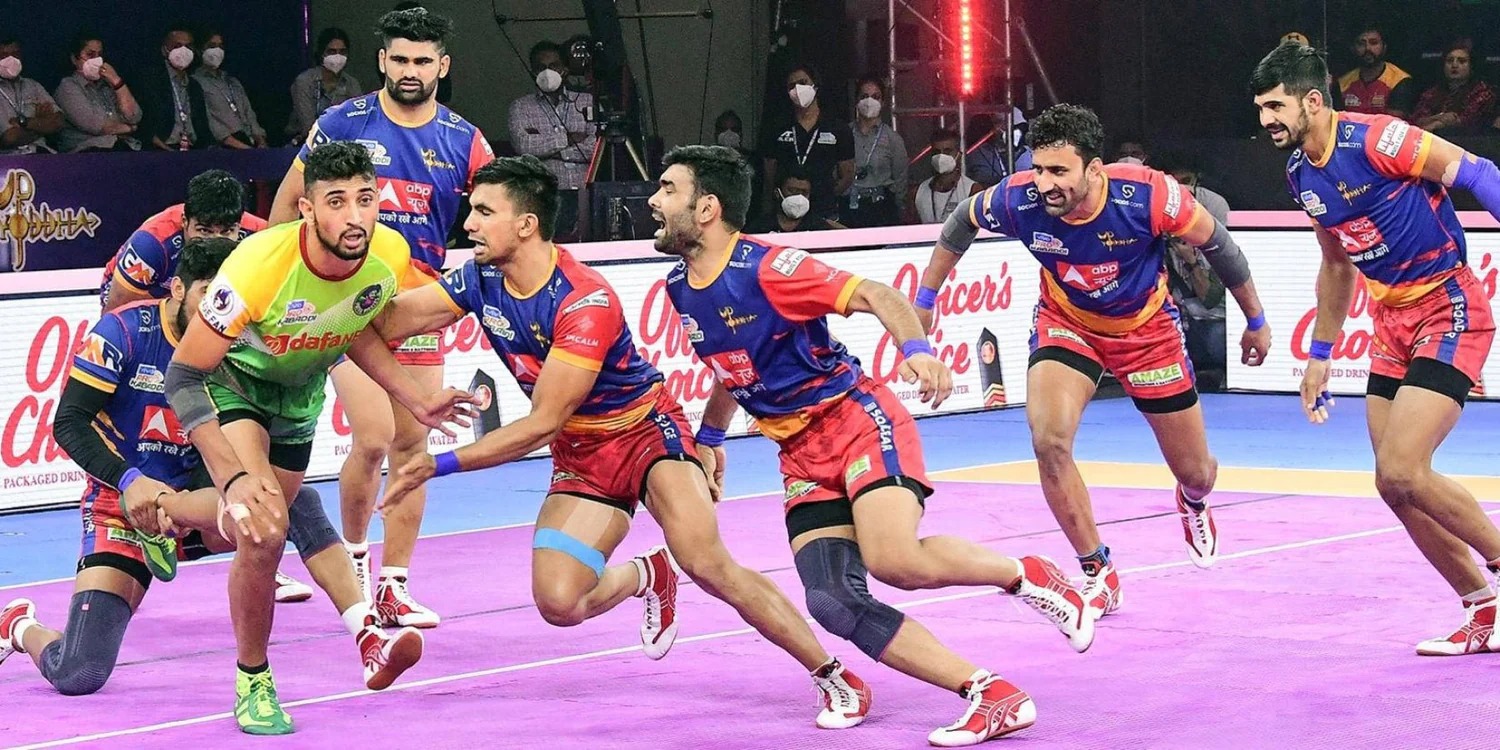
Kabaddi, once regarded as a local recreational activity in villages and small towns, has gradually found a prominent place on national platforms through structured promotion, organised tournaments and increased media coverage.
The sport’s origin lies in traditional roots, yet it has experienced a considerable transformation in the way it is perceived, played and followed. No longer restricted to informal community gatherings, it now commands structured teams, sponsors and professional leagues.
Young people across the country now see Kabaddi as a legitimate sporting career, and several athletes have risen from humble backgrounds to become well-known players within the sport.
The change did not happen overnight. Various reforms over the past few decades have contributed to this change. Governing bodies, both at the state and central levels, have put efforts into organising tournaments, offering training programmes and ensuring player welfare.
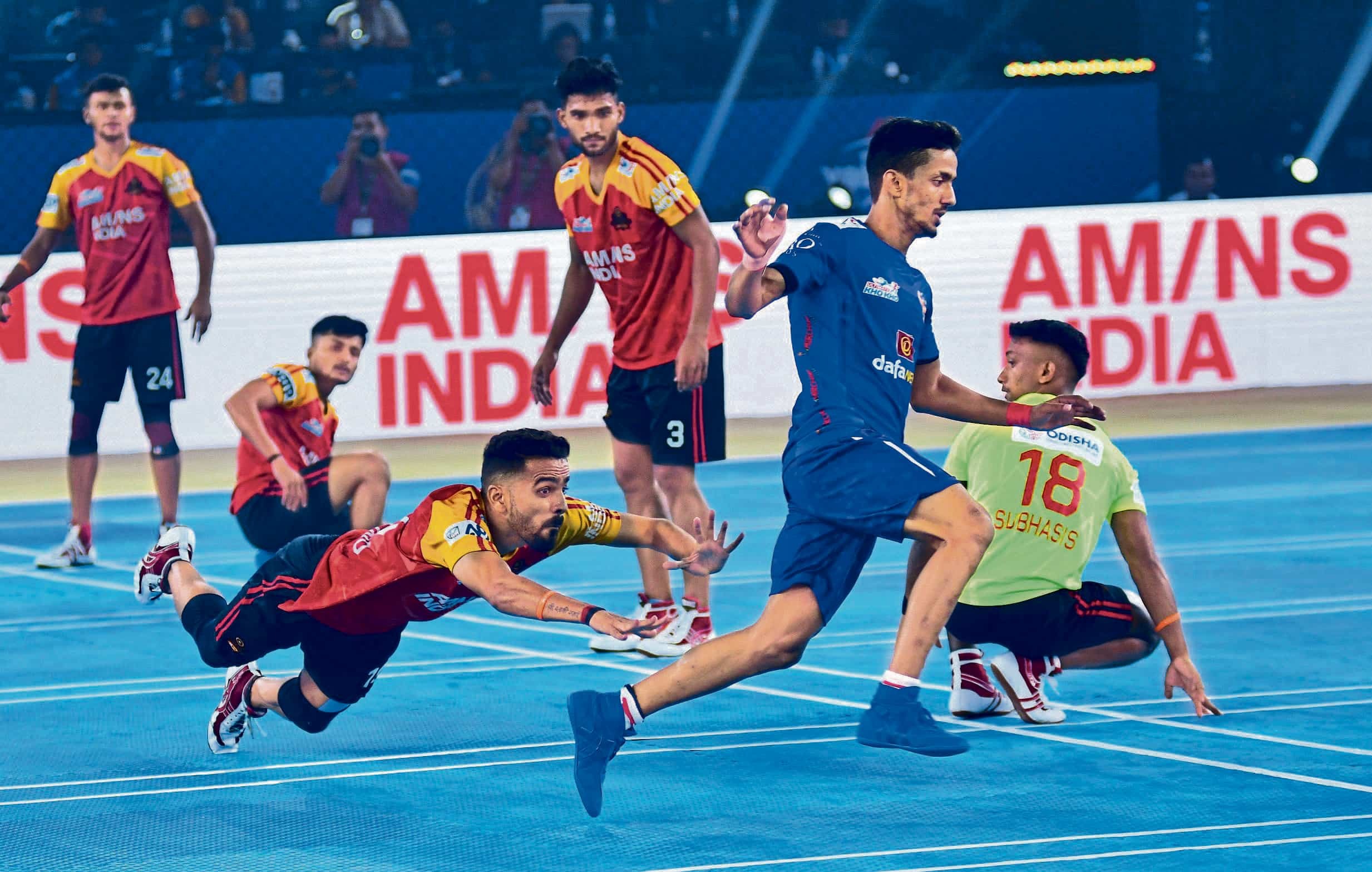
From dirt courts to stadium lights the journey of Kabaddi shines (Photo: Getty Images)
These steps have helped the sport move from rural playgrounds to brightly lit stadiums broadcast across television networks. Viewership has grown considerably, and interest among younger generations has increased, owing to the fast-paced nature of the game. Physical strength, mental agility and team coordination make Kabaddi exciting and intense, which keeps spectators engaged from start to finish.
Establishment of Formal Leagues and Television Reach
The birth of professional Kabaddi leagues brought about a new chapter for the sport. The league format introduced in recent years brought in corporate investments, player auctions and city-based teams, which mirrored successful models used in cricket and football.
The matches were scheduled, ticketed and broadcasted, bringing Kabaddi into urban households where it had rarely been followed. Families began supporting teams and players the way they supported cricket stars, creating a culture around the sport.
Television coverage contributed immensely to this growth. With high-definition cameras, slow-motion replays and expert commentary, the experience of watching Kabaddi changed dramatically. Viewers could understand the rules better, appreciate strategies, and get emotionally connected to individual players.
The presence of former athletes as analysts further helped break down the technical aspects of the sport. In many cases, school children began imitating their favourite players and joining local clubs. Schools and colleges also began to form teams, encouraged by the visibility the sport had gained.
Promotion in Schools and Local Training Centres
Efforts to popularise Kabaddi among school children have played a major role in creating a pipeline of new talent. Sports instructors in several states now actively include Kabaddi in their physical education programmes, and competitions are held at inter-school, district and state levels.
These events allow young players to experience structured matches and receive feedback on their performance. The exposure at such an early stage builds confidence and helps them prepare for more competitive levels.
Alongside school involvement, many regions have invested in community-based training centres that focus on coaching and fitness. These centres provide mats, equipment and qualified trainers who guide young players on proper techniques, safety and game awareness.
With this kind of support available, it becomes easier for rural talent to emerge without needing to relocate to big cities. Accessibility to resources at the grassroots level has given rise to many successful athletes who began their journey in small towns and rose through consistent practice and support.
Government Support and Policy Initiatives
Several policy decisions have played a strong role in shaping Kabaddi’s current status. Various ministries responsible for youth and sports development have included Kabaddi in national schemes that offer scholarships, training stipends and job reservations for accomplished players.
These initiatives ensure that athletes have both encouragement and a safety net, which reduces the pressure to abandon the sport for financial reasons. Recognising Kabaddi as part of mainstream sports programming also ensures that it receives attention during sporting festivals and state events.
Public sector units and private companies have also stepped in to offer employment to players under sports quotas. This partnership between the government and corporate organisations creates a more stable environment for aspiring players, allowing them to focus on performance while having career security.
With more structured backing, players have started setting goals beyond state representation, aiming for national teams and international competitions.
Rise of International Competitions and Global Attention
Kabaddi is no longer confined to just one nation. International tournaments involving teams from countries like Iran, South Korea, Kenya and Bangladesh have shown that the sport has potential for global reach.
These competitions have opened new doors for players and given them the opportunity to experience diverse playing styles. When Indian teams travel abroad for such tournaments, they act as ambassadors for the sport and attract attention from foreign audiences.
The increase in global exposure also puts pressure on training systems to improve, which indirectly benefits all players. Domestic training camps have become more disciplined and scientific, focusing on injury prevention, nutrition and data-driven strategies.
Players today undergo physical assessments, video analysis and skill evaluations, all aimed at raising the performance standard to international expectations. This level of preparation would have seemed unrealistic in the past, but now it is becoming part of normal routines for national-level players.
Influence of Corporate Sponsors and Athlete Branding
The arrival of sponsors into Kabaddi has changed how players present themselves and how the sport is marketed. Branding opportunities allow top athletes to become the face of campaigns, merchandise and community initiatives.
Some of them even become motivational speakers or television guests, which contributes to their visibility and adds to the appeal of the sport. With commercial involvement, better infrastructure also follows. Teams receive quality kits, physiotherapists, mental health support and travel facilities.
Corporate sponsorship has allowed organisers to host Kabaddi matches in larger stadiums with better lighting, seating and security. This improves the spectator experience and encourages families to attend matches in person.
When viewers watch a match from well-maintained venues, they associate the sport with quality, which boosts its credibility. Businesses also benefit from this exposure, especially when matches attract high viewership and social media engagement. This cycle of investment and return keeps the sport’s momentum steady and strong.
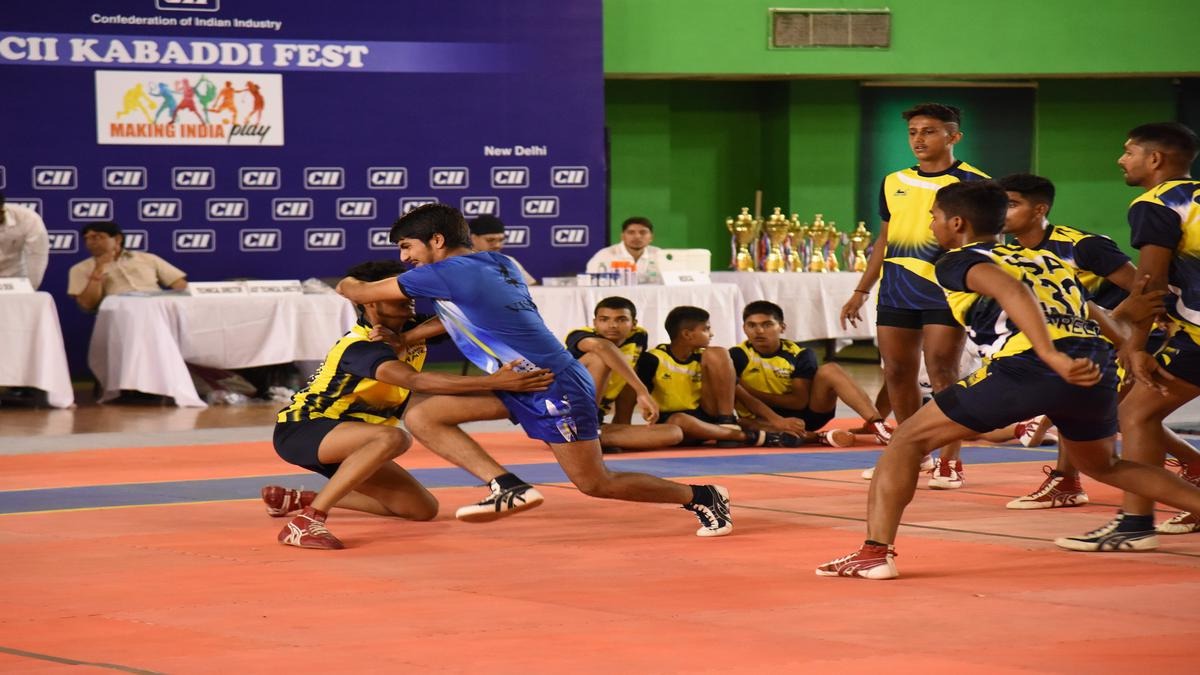
School kids now chase dreams with Kabaddi on the curriculum (Photo: Shutter Stock)
Women’s Kabaddi and Gender Representation
Another encouraging development is the progress of women’s participation in Kabaddi. While men’s teams have received much of the spotlight, the consistent efforts to give female athletes equal platforms have begun to show results.
National women’s tournaments are now receiving media attention, and female players are being scouted for endorsements and interviews. The representation of women in Kabaddi encourages younger girls to pursue the sport without hesitation.
Training camps for women, female coaches and all-women refereeing panels indicate that inclusiveness is being taken seriously. The emergence of role models in the women’s division of Kabaddi has created a healthy sense of competition and ambition. Their achievements are celebrated at the same level as their male counterparts, which sends a strong message about equality and merit.
Digital Media and Fan Engagement
Social media has changed how viewers interact with their favourite sports and players. Kabaddi has taken full advantage of these platforms to engage audiences through match clips, behind-the-scenes content, fan quizzes and player interviews.
Teams have official handles where they share updates, training videos and community work. This kind of digital engagement helps viewers feel part of the journey and encourages loyalty.
Younger viewers, in particular, consume most of their content online. By tailoring content to online audiences, Kabaddi has managed to maintain its appeal among people who may not have grown up watching it traditionally.
Online fantasy leagues, interactive match predictions and hashtags during live matches have helped keep interest levels high. As mobile data and smartphones become more accessible, the fan base of Kabaddi is likely to expand further, especially among students and young professionals.
Looking at the Next Stage of Growth
There is still much that can be done to take Kabaddi to greater heights. Increasing the number of training academies, improving medical support for players and ensuring long-term contracts for professionals are steps that can ensure sustainability. Introducing school scholarships, foreign exchange programmes for coaches and more international matches can also bring fresh energy into the sport.
The ongoing support from institutions and viewers alike remains essential. If these efforts continue with consistency and vision, Kabaddi will remain one of the fastest-growing sporting formats and an example of how indigenous sports can be transformed through the right blend of tradition and innovation.