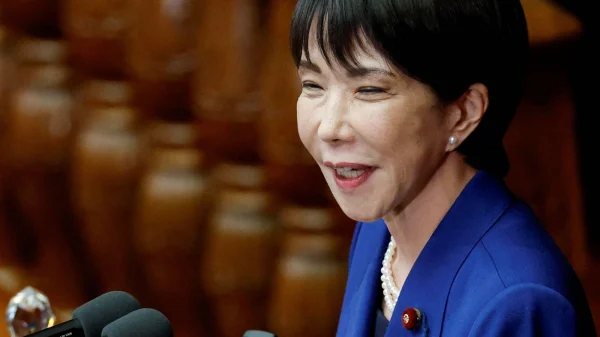










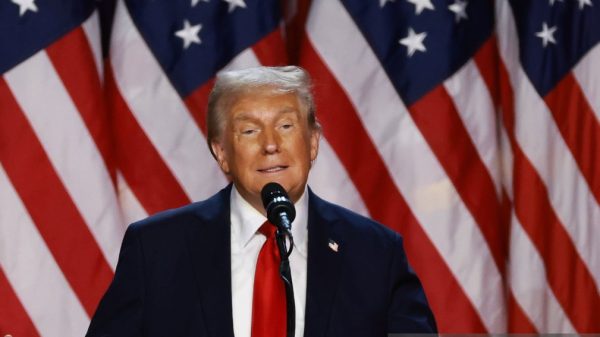






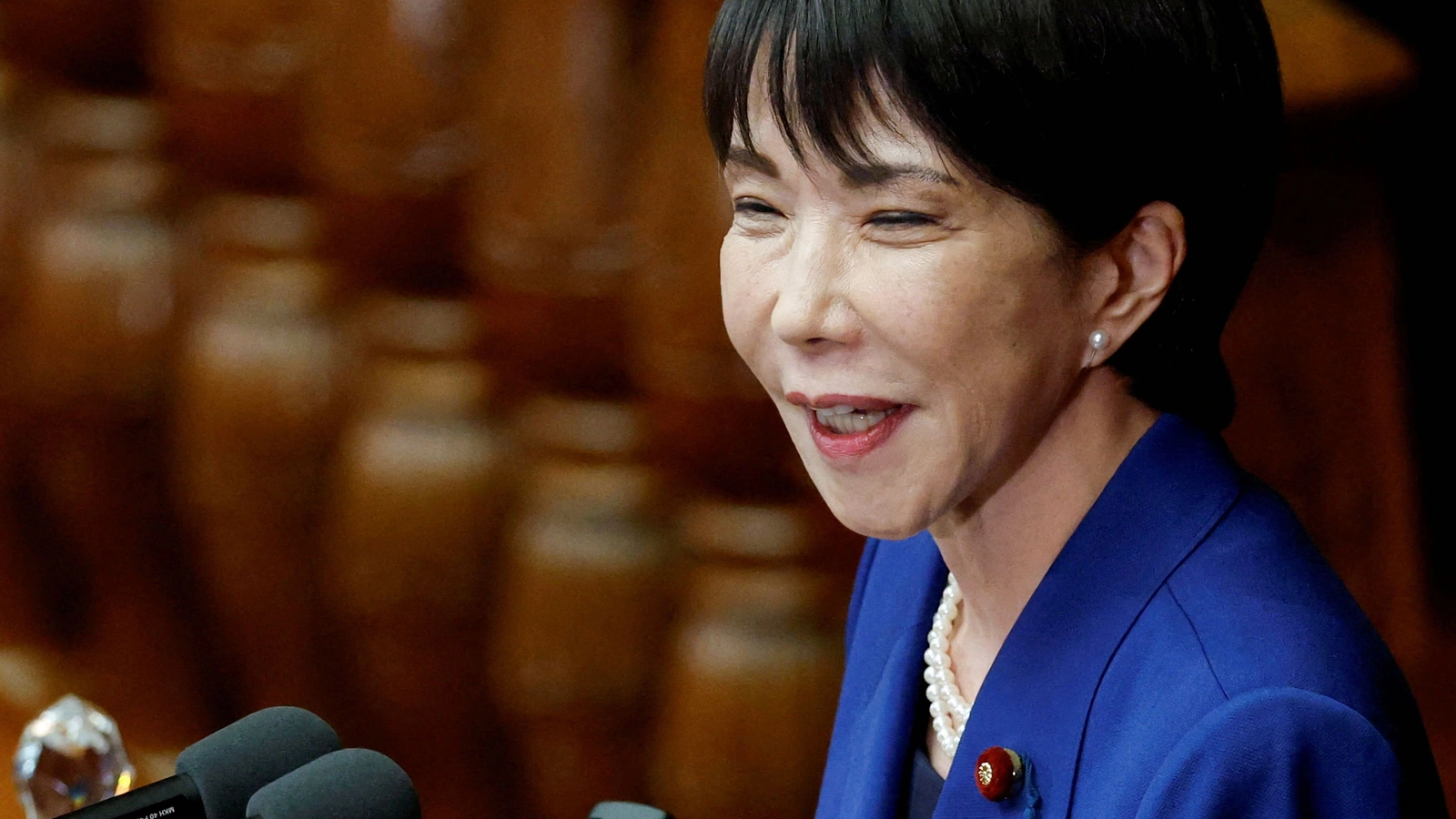
Donald Trump has thrown his support behind Japan’s Prime Minister Sanae Takaichi ahead of a snap election set to take place in the country on Sunday.
Takaichi has “already proven to be a strong, powerful, and wise leader… one that truly loves her country,” the US president wrote in a post on his Truth Social platform on Thursday, adding: “She will not let the people of Japan down!”
Although it is uncommon for sitting US presidents to openly endorse candidates in foreign elections, Trump has done so previously, most recently backing Argentina’s Javier Milei and Hungary’s Viktor Orban.
Takaichi has actively sought closer ties with the US president as Tokyo looks for greater stability in its relationship with Washington, its closest ally, particularly in the aftermath of Trump’s tariff threats.
Trump initially warned of imposing a 25% tariff, but Japan later reached an agreement in July to invest $550bn (£407bn) in the US. In return, Washington reduced import duties to 15%.
At 64, Takaichi became prime minister in October after winning the leadership contest within her party and securing sufficient backing in parliament. She has since called a snap election to seek a direct mandate from voters.
Just a week after assuming office, Tokyo extended a lavish welcome to Trump, complete with a full military honour guard and band, greeting him at the Akasaka Palace, the government’s official state guesthouse.
The visit marked her diplomatic debut and produced striking imagery: Takaichi standing aboard the aircraft carrier USS George Washington, pumping her fists as the US president praised her before thousands of American troops, images that were broadcast globally.
She aimed to present herself as a leader Trump could, and would want to, do business with, and perhaps more crucially for him, someone with whom he has a personal rapport.
The two leaders also share similar views on defence. Trump has urged Japan to increase its spending on its own security, a position Takaichi also supports, as sentiment grows within Japan that greater investment in defence is necessary.
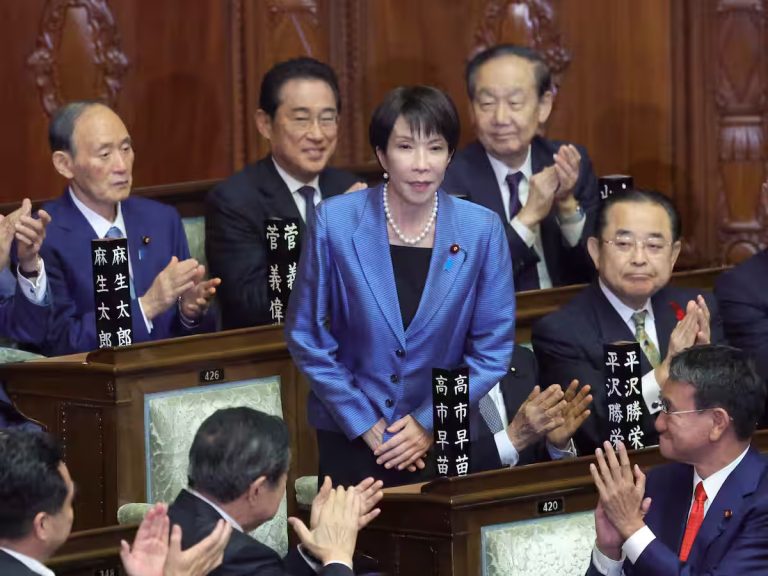
Japan’s Prime Minister Sanae Takaichi
During the visit, they exchanged praise and signed agreements on rare earths, along with a document proclaiming a new “golden age” of US-Japan relations. Takaichi referred to Trump as a “partner in a new golden era” and commended his role in efforts to bring peace to the Middle East.
“In my visit to Japan, I and all of my representatives, were extremely impressed with her,” Trump wrote in his Truth Social post on Thursday, noting progress between the two nations on both national security cooperation and economic issues.
Trump also said he would host Takaichi at the White House on 19 March. Trump’s endorsement, which signals that his administration would be willing to work closely with Takaichi, is aimed not only at Japanese voters but also at the wider region, particularly China.
Beijing and Tokyo are currently embroiled in a diplomatic rift, with their historically strained relationship reaching its lowest point in more than a decade.
Takaichi drew China’s ire in November after suggesting Japan could deploy its own self-defence forces if China were to attack Taiwan, the self-governed island Beijing has long claimed. She has since refused to walk back those remarks.
Trump’s backing comes amid ongoing tensions with China and just a day after he held a phone call with Chinese President Xi Jinping.
Trump said he enjoyed an “extremely good” relationship with China and that both he and Xi “realise how important it is to keep it that way”.
According to Chinese state media, Xi described Taiwan as “the most important issue” in US-China relations, stressing that the island was “China’s territory”. He also warned Trump that Washington should be “prudent” in supplying weapons to the self-governed island China claims.
Polling so far suggests a landslide victory for Takaichi, though winning Sunday’s election would only be the first of several challenges ahead.
Her tenure will ultimately be shaped by how effectively she addresses Japan’s stagnant economy and navigates its delicate relationships with both the US, its most important security ally, and China, its largest trading partner.