
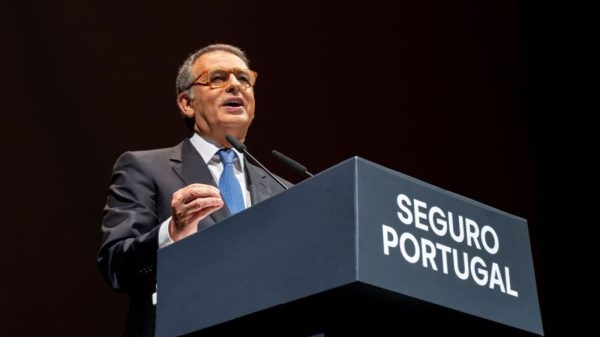
























Portugal has elected a moderate socialist as its next president, with António José Seguro securing a decisive victory in Sunday’s run-off election. However, his far-right challenger, André Ventura, still recorded the strongest result ever achieved by his populist Chega party.
Seguro won 66.8% of the vote, compared with Ventura’s 33.2%, in an election held despite weeks of disruption caused by severe and deadly storms.
The contest to replace the outgoing president, Marcelo Rebelo de Sousa, was shaped by an unusual cross-party effort to prevent a Chega victory. Several senior figures from the right threw their support behind the centre-left candidate in an attempt to block Ventura’s path to the presidential palace.
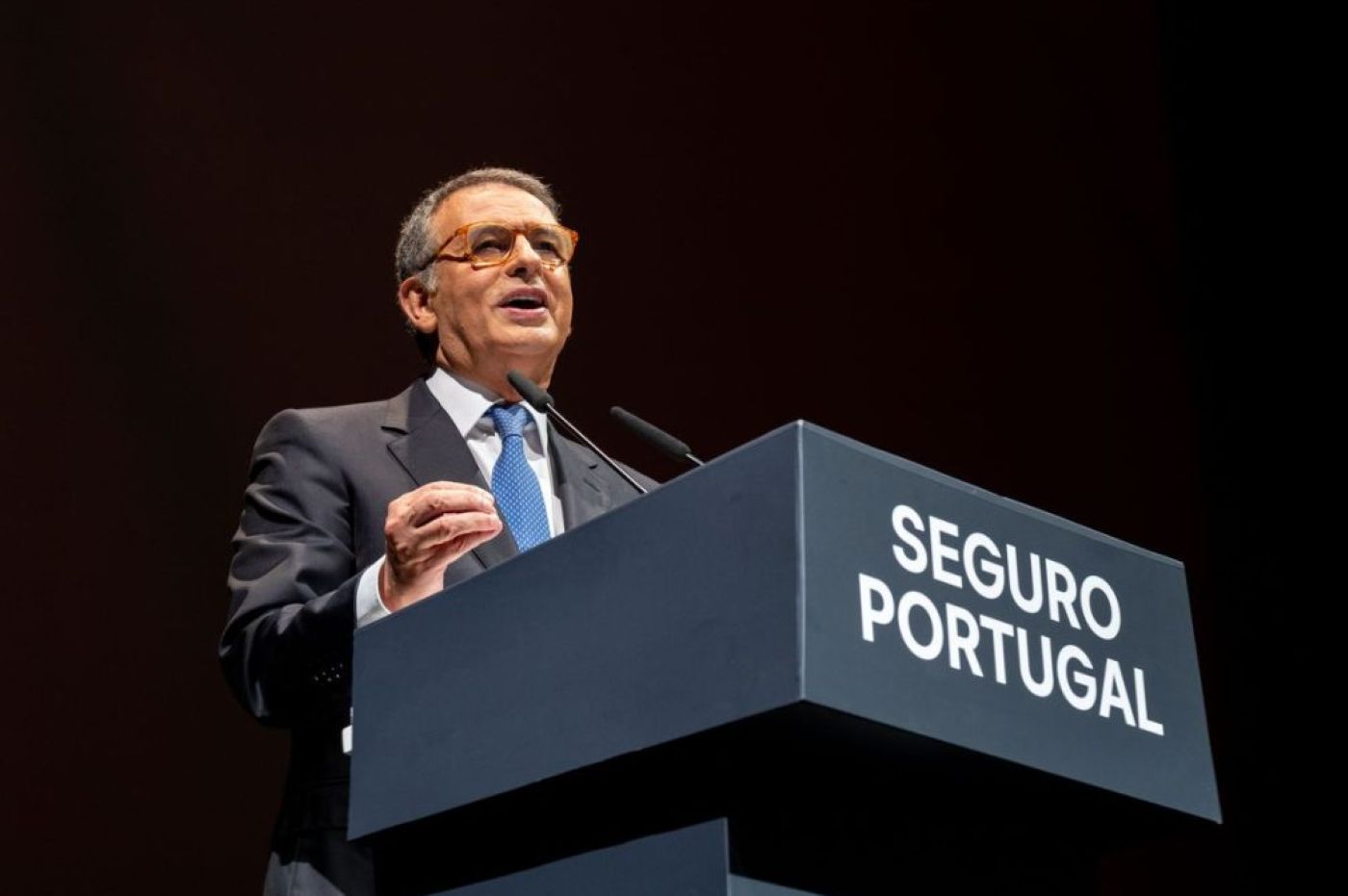
“The response the Portuguese people gave today, their commitment to freedom, democracy, and the future of our country, leaves me naturally moved and proud of our nation,” Seguro said following his win.
Ventura, a former football pundit, columnist, seminarian, and novelist who founded Chega seven years ago, said the outcome showed that “the message from the Portuguese people is clear”.
He claimed that Chega was now the leading force on the right and would “soon be governing Portugal”. Earlier in the day, he had accused “the entire political system” of banding together to oppose him.
Once again, the far-right, anti-establishment party made immigration a central theme of its campaign, erecting billboards across the country declaring “This isn’t Bangladesh” and “Immigrants shouldn’t be allowed to live on welfare”.
Chega’s performance far surpassed the 22.8% it secured in last May’s general election, and even exceeded the 31.2% won by the governing centre-right Democratic Alliance, which took power in that contest and installed Luís Montenegro as prime minister.
European leaders were quick to congratulate Seguro. French President Emmanuel Macron said he looked forward to working with Portugal’s new head of state in support of “a Europe that decides for itself, and is more competitive, more sovereign, and stronger!”.
Ursula von der Leyen, president of the European Commission, praised Portuguese voters for turning out despite the extreme weather, saying their participation “in the face of the devastation caused by the storms, demonstrated remarkable democratic resilience”. She added: “Portugal’s voice in defending our shared European values remains strong.”
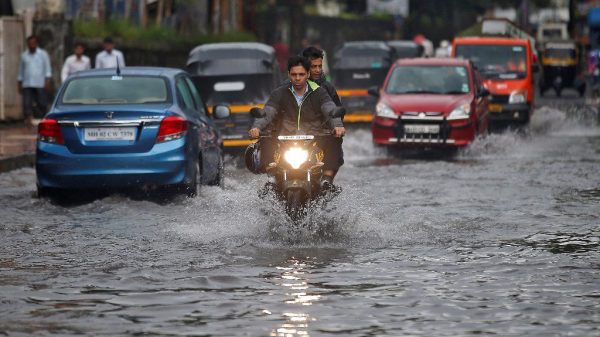
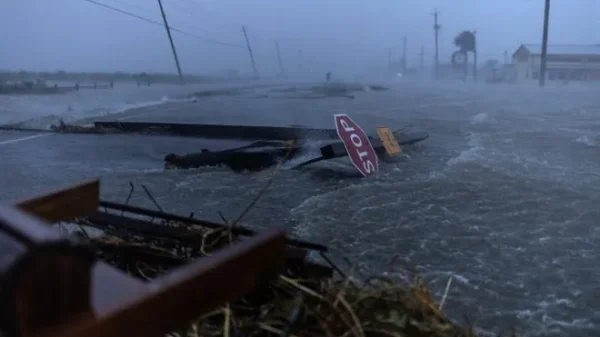
The second round of the campaign was overshadowed by two major storms that led authorities to declare a state of calamity, now extended until 15 February. Ventura had called for the election to be postponed by a week, describing the issue as “a matter of equality among all Portuguese”.
However, the national electoral authority ruled that the vote would proceed as planned, stating: “A state of calamity, weather alerts or overall unfavourable situations are not in themselves a sufficient reason to postpone voting in a town or region.”
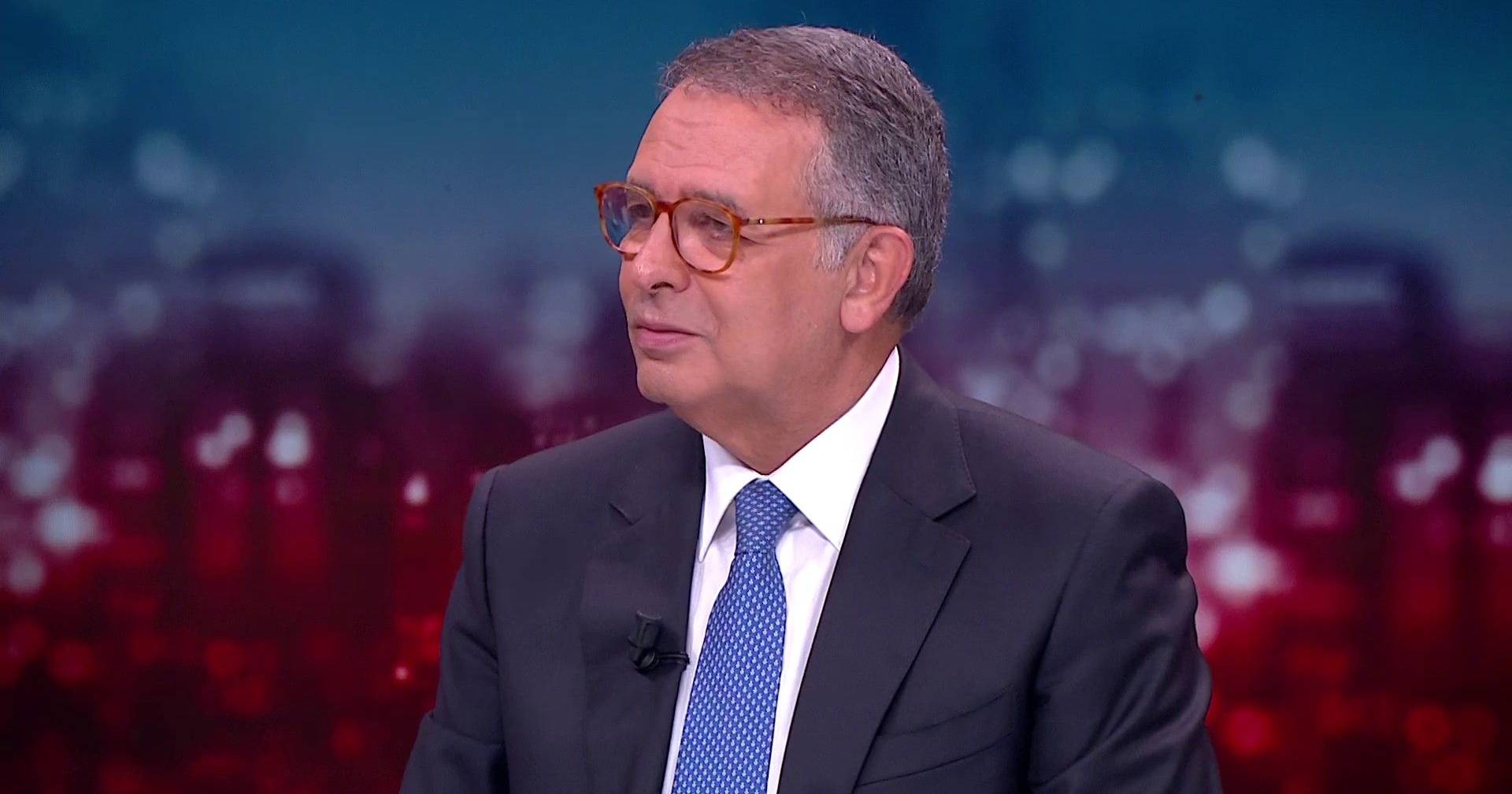
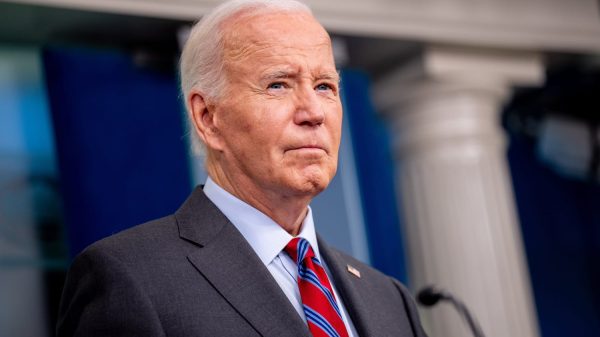
António José Seguro
Even so, the impact of Storm Leonardo forced around 20 badly affected constituencies to delay voting by a week. The postponement applied to roughly 37,000 registered voters, about 0.3% of the electorate, and is not expected to alter the final result.
Portugal’s presidency is largely ceremonial but carries important constitutional powers, including the authority to dissolve parliament in certain circumstances. Ventura had pledged to act as a more “interventionist” president, arguing for greater influence for the head of state.
By contrast, Seguro presented himself as a consensual figure who would work alongside Montenegro’s centre-right minority government, distancing himself from Ventura’s populist rhetoric and anti-immigration attacks.
Elsewhere in southern Europe, the far right also made significant gains in Spain, where Vox doubled its number of seats to finish third in a regional election held in Aragón.
The conservative People’s Party (PP) retained control of the region despite losing two seats and will once again rely on Vox’s backing to govern. The Spanish Socialist Workers’ party, led by Prime Minister Pedro Sánchez, came second after losing five seats.
Sánchez, whose party and close advisers have been hit by a series of corruption allegations, congratulated the PP’s candidate, Jorge Azcón, while insisting that the socialists remained “the only progressive alternative”.
The PP’s leader, Alberto Núñez Feijóo, said the result highlighted declining support for the prime minister. “How many more collapses does Sánchez need before he understands that enough’s enough?” he asked.
Vox leader Santiago Abascal said his party was willing to cooperate with the PP, but only if it adopted a tougher stance on immigration. Disputes over the issue led Vox to walk away from coalition governments with the PP in five regions in 2024.
“If the PP wants to change its policies, it can count on us,” Abascal said. “But if the PP wants to continue with the policies that led us to quit the regional governments, then it’s best look towards the socialist party.”