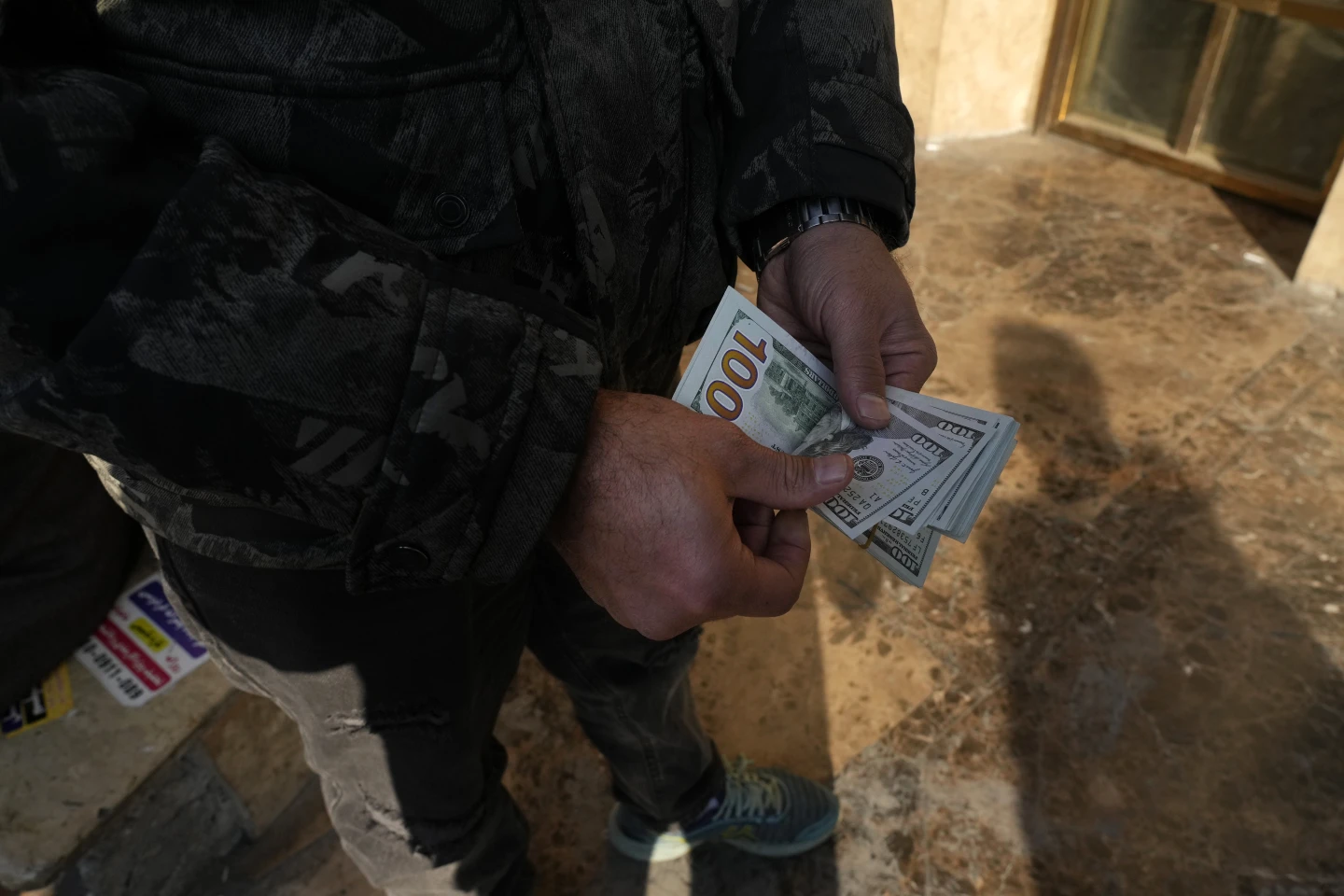
Iran’s currency, the rial, plunged to a historic low on Saturday, trading at over 1 million rials to the U.S. dollar, reflecting severe economic instability as the country returned from the Nowruz holiday.
During the break, informal trading dominated due to closed currency shops, but the market worsened when formal trading resumed, with the rate dropping further to 1,043,000 rials per dollar. Traders in Tehran’s Ferdowsi Street, the main hub for currency exchange, responded by turning off rate displays due to extreme volatility and uncertainty about further depreciation.
Sanctions, Isolation, and Regional Tensions Accelerate Iran’s Currency Collapse and Economic Decline
The collapse of the rial is largely attributed to intensified U.S. sanctions, especially since Donald Trump’s 2018 withdrawal from the Iran nuclear deal. When the agreement was intact, the rial stood at a much stronger 32,000 to the dollar. Trump’s renewed “maximum pressure” campaign targeted Iranian oil exports, including discounted sales to China, further isolating Iran economically.
His recent return to office reignited hopes and skepticism around possible negotiations, though Iran insists on indirect talks only, while simultaneously facing regional tensions over the U.S.’s military actions against Iranian proxies in the Middle East.
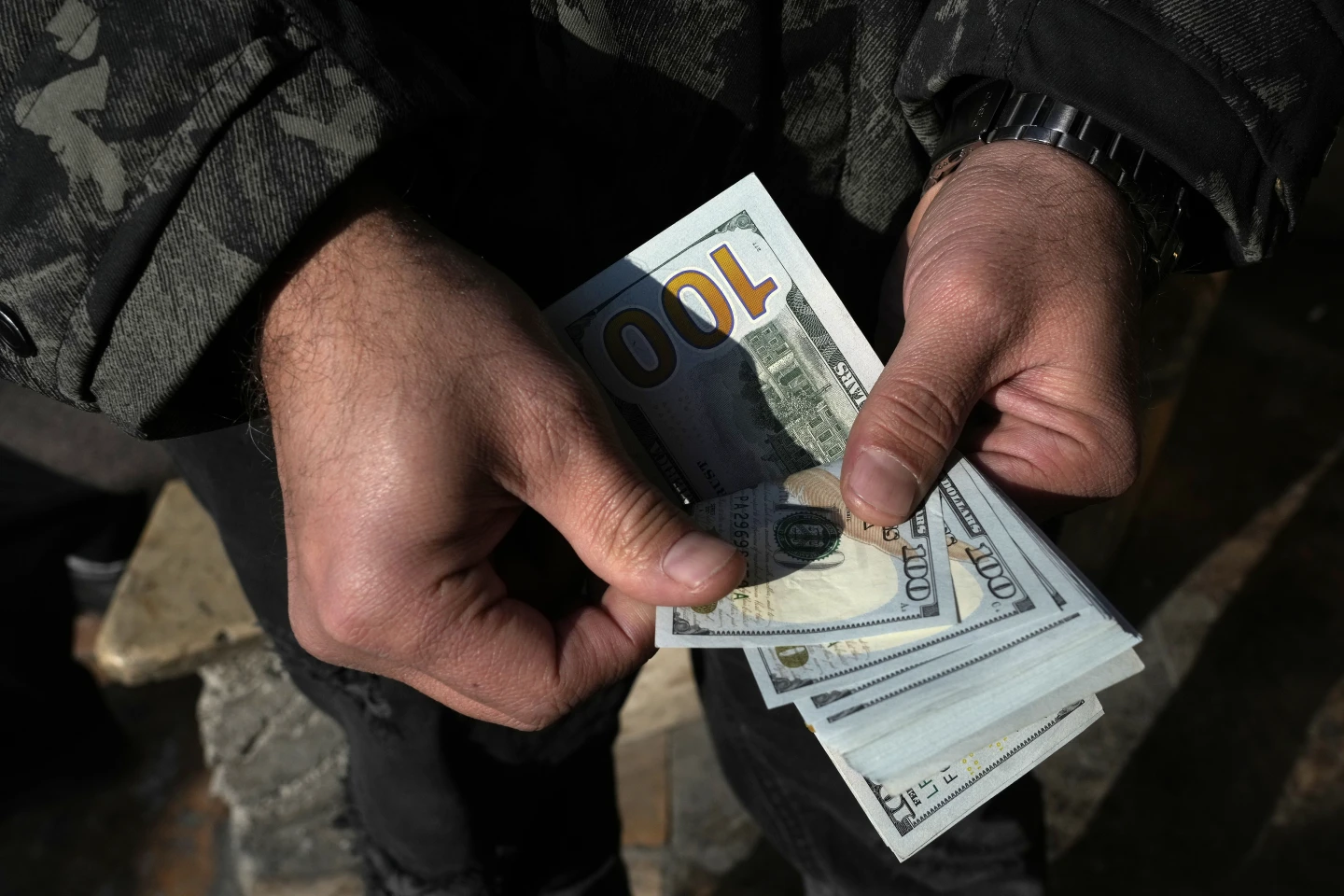
Iran’s Rial Plunges Past 1 Million per Dollar as Sanctions, Protests, and Political Chaos Fuel Crisis
Experts, like analyst Mehdi Darabi, link the rial’s fall to international pressure and the fear of reduced oil revenue and rising inflation. These concerns have spurred demand for hard currencies.
Citizens like a retired man named Saeed believe a shift in Iran’s foreign policy could relieve the economic strain, arguing for diplomatic relations with neighboring countries. This public sentiment underscores a growing recognition that isolation and aggressive foreign postures may be exacerbating Iran’s economic woes.
Internal Unrest, Economic Strain, and Political Turmoil Deepen Iran’s Worsening National Crisis
Beyond foreign sanctions, Iran’s internal political and social unrest adds to its instability. Public savings have eroded, leading people to invest in gold, foreign currencies, or even risky ventures like cryptocurrency.
Simultaneously, tensions persist over issues such as mandatory hijab enforcement and rumors of a gasoline subsidy cut, both of which have historically sparked protests. The easing of restrictions on figures like Mehdi Karroubi, a long-detained reformist, highlights the government’s attempt to relieve political pressure amid a broader crisis.
President Masoud Pezeshkian faces mounting challenges, with the parliament impeaching his finance minister in March and the public angered by reports of luxury travel by top officials during economic hardship. Pezeshkian responded by firing his vice president and criticized extravagant behavior by public officials as insensitive.
While advocating for balanced negotiations with the U.S., Pezeshkian condemned what he sees as America’s contradictory approach to diplomacy, insisting that threats undermine any genuine intent for dialogue.