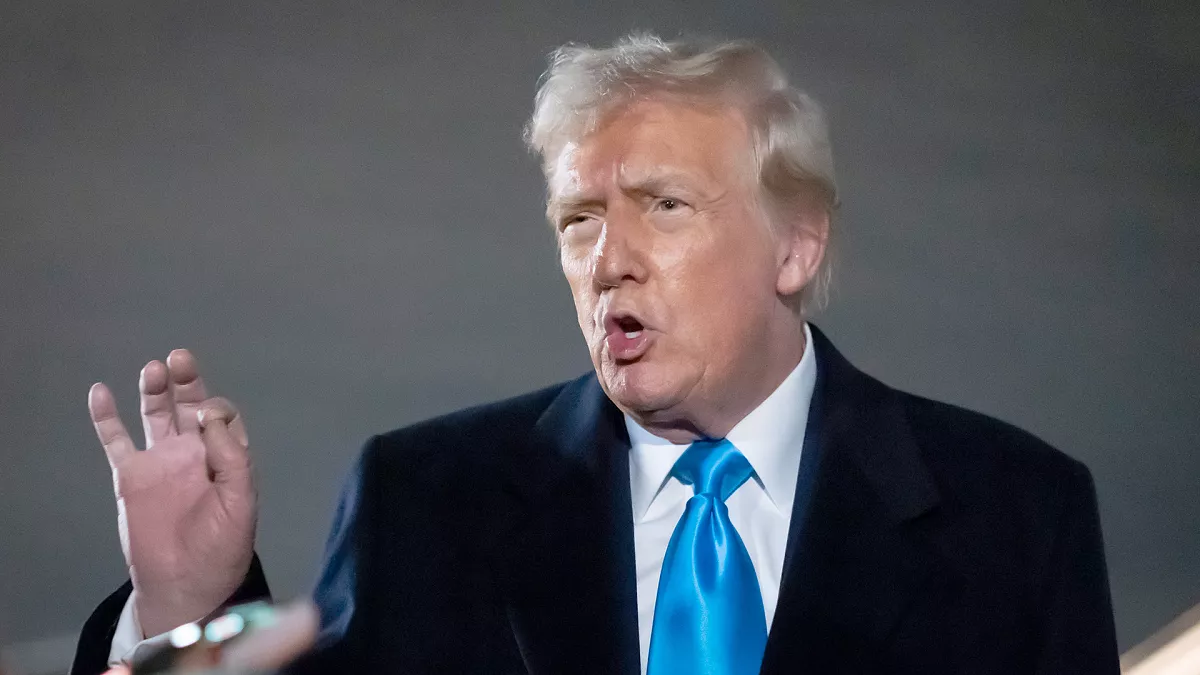
Former President Donald Trump has set his sights on a sweeping and controversial global tariff strategy that he believes will “change the fabric” of the United States. In his vision, tariffs are not just a tool of economic policy but a lever for national renewal — one that can reshape the global trade system in America’s favor.
While the plan appeals to his long-standing protectionist instincts, it has also sparked major political, market, and internal party turbulence.
Despite the tough rhetoric, Trump and his administration are acutely aware of the anxieties his tariff plan has caused, especially among businesses, investors, and key Republican allies. Behind the scenes, administration officials are working to contain the damage.
They’ve launched a multi-pronged strategy: emphasizing the possibility of securing favorable deals with other countries, highlighting Trump’s past tax cuts as a counterbalance to any economic pain, and holding meetings with business groups to soothe their concerns.
White House officials maintain that the only special interest guiding Trump’s actions is “the best interest of the American people.” According to spokesman Kush Desai, Trump sees addressing chronic trade deficits as a national emergency and intends to act accordingly.
The current moment reveals a tension within Trump himself. He has long portrayed two central identities: the hard-nosed protectionist battling unfair foreign trade and the master negotiator who can secure better deals for America.
These personas now clash. The tariffs represent a culmination of his decades-long disdain for what he sees as America’s weak trade posture — but they also risk undermining his business-friendly brand, especially as economic fallout begins to mount.
Yet Trump remains unyielding. “Nobody but me would do this,” he declared, arguing that the country has a once-in-a-generation chance to reset the rules of trade.
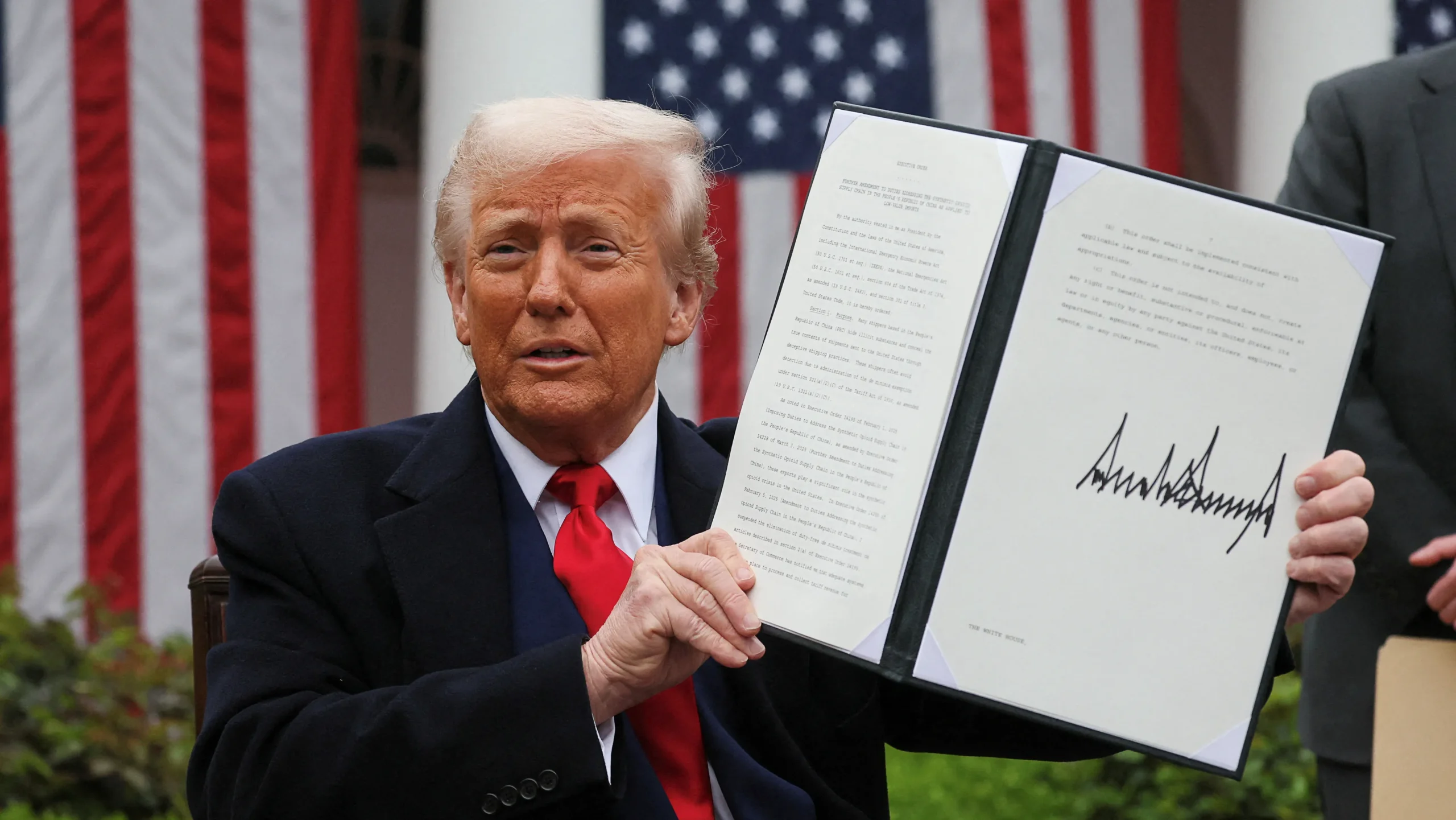
Trump’s Tariff Gamble Sparks Backlash as Markets Slide and GOP Faces Growing Divisions
Market Downturn and Business Criticism Highlight Uncertainty Around Trump’s Tariff Strategy
Financial markets have not responded kindly. Since Trump’s announcement of tariffs, calculated based on trade deficits, a method widely criticized by economists, the Dow Jones and S&P 500 have dropped by over 10%. Business leaders and Trump-aligned billionaires have been vocal in their criticism. JPMorgan Chase CEO Jamie Dimon warned of increased economic strain and higher prices.
Hedge fund manager Bill Ackman, usually a Trump supporter, urged the administration to revise its approach before what he sees as a looming economic misstep. Elon Musk went further, mocking top trade adviser Peter Navarro and expressing dismay at the policy’s rationale.
Even Trump loyalists like Dave Portnoy took veiled shots, with Portnoy dubbing a recent market crash “#orangemonday” — a play on Trump’s identity and the stock plunge.
The White House has tried to stay on message, emphasizing that other nations are now more open to negotiating on tariffs and trade terms. Trump claimed that over 50 countries had reached out in response to the plan. Administration officials pointed to Vietnam, Cambodia, Israel, and Poland as examples of governments eager to avoid steep tariffs by cutting deals.
However, political damage control is underway. Chief of Staff Susie Wiles made calls to gauge how deep business unease really is. Despite the criticism, Trump has urged his supporters to remain resolute. In a post on Truth Social, he told them not to be “weak,” and to embrace short-term pain in exchange for long-term “greatness.”
Confusion reigns within the administration over the nature of the tariffs. Trump has said they are both negotiable and permanent, a paradox that reflects the internal tug-of-war between competing camps. Officials like Howard Lutnick and Peter Navarro insist the tariffs are not up for debate. Others suggest flexibility, particularly as countries begin offering concessions.
This lack of clarity has sown frustration even among allies. Louisiana Senator John Kennedy criticized the administration’s scattershot explanations, saying that aides appear to be talking over one another and sending contradictory signals about the purpose and permanence of the tariffs.
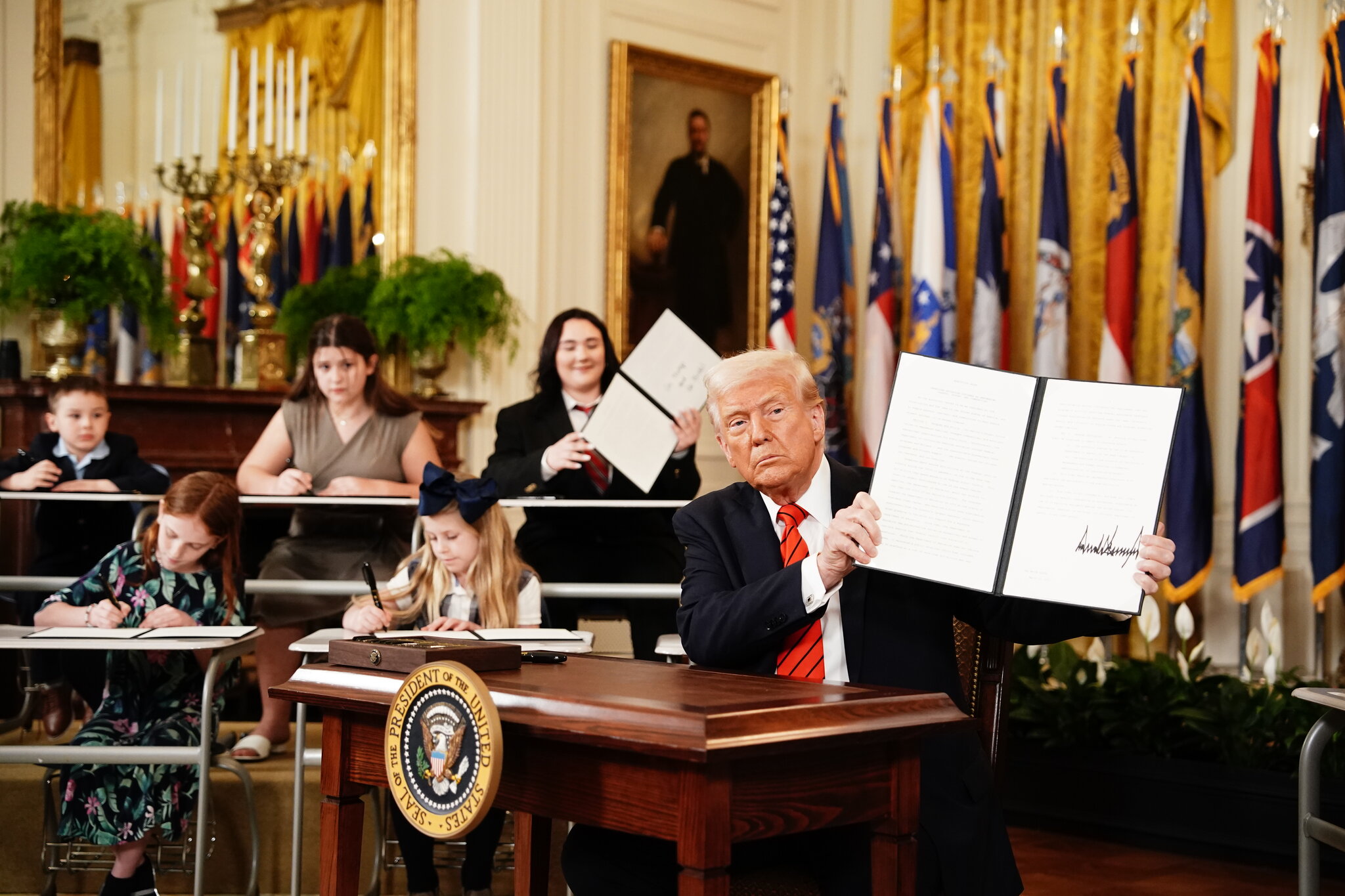
Trump’s Tariff Gamble Sparks Backlash as Markets Slide and GOP Faces Growing Divisions
GOP Divided on Trump’s Tariff Strategy Amid Economic Uncertainty and Market Instability
While some congressional Republicans support Trump’s bid to reset global trade norms, others — especially in the House — are panicking over the economic instability and lack of clear communication from the White House. Several GOP senators have even backed a bill to limit the president’s authority to impose tariffs, though Trump has vowed to veto it.
House Republicans are particularly concerned. During a conference call, Rep. Darrell Issa asked for a detailed tariff briefing. House Speaker Mike Johnson promised to coordinate with the White House and encouraged Republicans to trust the process, referencing Trump’s past economic successes. Still, there’s growing pressure to show a unified fiscal plan — especially to counteract the market fallout.
Trump’s allies see a strategic opening. Steve Bannon declared that the trade war would increasingly target China, arguing that Beijing’s retaliatory tariffs justify further escalation. Treasury Secretary Scott Bessent also framed China as the main adversary, while praising other countries for cooperating.
Senator Ted Cruz noted that Trump has the chance to reduce global tariffs if he leverages this moment correctly. But he warned of “angels and demons” influencing Trump, unsure which voices the former president will ultimately heed.
Stephen Moore, a former Trump economic adviser, also called for a more focused strategy. For the tariffs to succeed, Moore argues, they must be used to bring other nations to the negotiating table for new trade agreements.
Trump’s public actions amid the economic crisis have drawn criticism. He spent the past weekend golfing at Mar-a-Lago while markets tumbled. Critics called the move tone-deaf, especially as ordinary Americans watched their 401(k)s decline in value. Protests erupted nationwide, with demonstrators blaming his trade policy for the financial turbulence.
A White House official brushed off the optics, comparing Trump’s golfing to attending a birthday party after a friend’s surgery, suggesting he’s still managing affairs, even if not visibly. The administration remains confident that the economy will stabilize.
Trump’s global tariff plan represents one of the most ambitious — and risky — trade policy moves in modern U.S. history. While the former president sees it as a way to restore American economic sovereignty, it has triggered a sharp backlash from Wall Street, global partners, and even longtime supporters.
The administration’s messaging remains inconsistent, and its long-term strategy unclear. Yet Trump appears undeterred, buoyed by early signs of international outreach and the belief that he alone can reshape America’s trade destiny. Whether this gamble will yield the transformation he envisions or backfire politically and economically remains to be seen.