Azerbaijan, Kazakhstan, and Uzbekistan have formalized their commitment to a major renewable energy initiative aimed at exporting electricity to Europe. The three nations signed a memorandum of understanding (MOU) with the Asian Development Bank (ADB) and the Asian Infrastructure Investment Bank (AIIB). This agreement marks a pivotal step in establishing an institutional and legal framework for cross-border electricity trade, potentially transforming the region into a key energy corridor between Central Asia and Europe.
Trans-Caspian Power Line to Deliver Central Asia’s Green Energy to European Markets
The project envisions the creation of a trans-Caspian power line that will carry renewable energy-generated electricity, primarily solar and wind, from Central Asia to Azerbaijan. From there, the electricity would be relayed to the European Union. According to ADB Director General Yevgeniy Zhukov, this MOU represents a “defining moment” in developing a sustainable energy corridor linking Central Asia and the South Caucasus, and ultimately to Europe via a second link across the Black Sea.
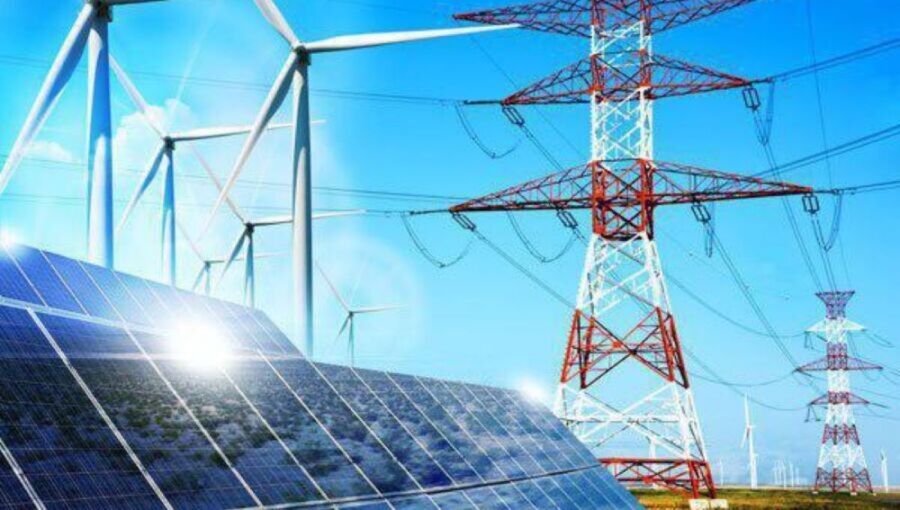
Central Asia Joins Forces to Power Europe with Green Energy via Trans-Caspian and Black Sea Links
Following the MOU signing in Baku on April 4, Azerbaijani Energy Minister Parviz Shabazov highlighted the commencement of feasibility studies for the trans-Caspian segment. He emphasized that the collaboration sets the stage for the region’s first trans-Caspian Energy Corridor. While the project’s conceptual framework is now in place, detailed financial estimates and construction timelines are yet to be announced, underlining that the project remains in its early stages.
Black Sea Power Cable Project Gains Momentum as Strategic Link to European Market
In parallel with the Caspian initiative, Azerbaijan is working with Turkey, Georgia, and Bulgaria on a separate but connected Black Sea power cable project. These countries signed an MOU in early April and are currently undertaking technical preparations for a feasibility study. The project is being promoted as a critical link to the European energy market, offering a strategic complement to the trans-Caspian corridor.
To accelerate progress, Azerbaijan and Georgia have requested that the European Union grant special status to the Black Sea power cable initiative. This designation would streamline regulatory approvals and enhance financing prospects for the consortium members. The regional push reflects a strategic alignment of Central Asian and South Caucasus nations seeking to become pivotal players in Europe’s green energy transition.