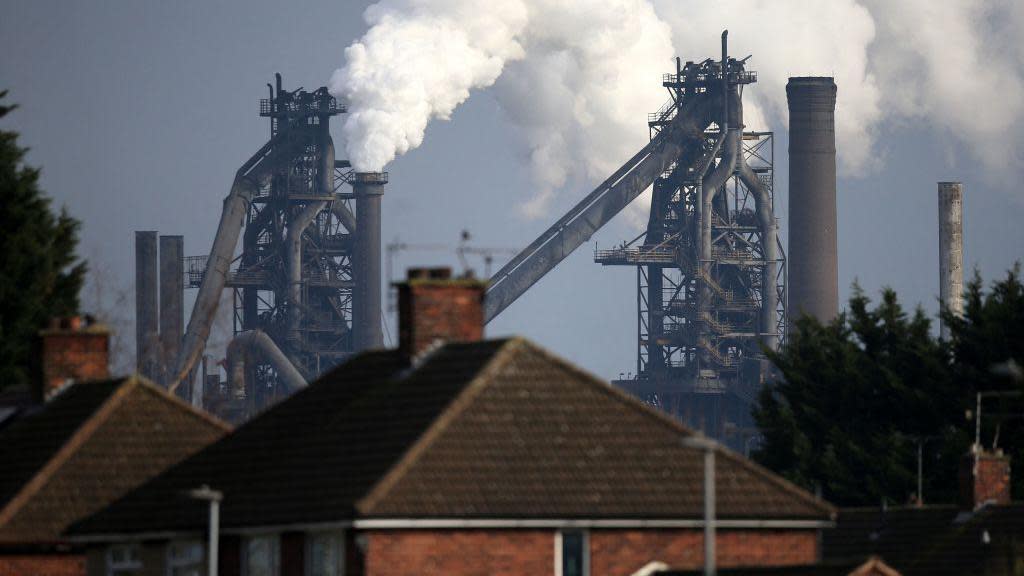
The U.K. Parliament has authorized the government to take control of the Chinese-owned British Steel plant in Scunthorpe to prevent its closure and the potential loss of 2,700 jobs. This decision was made after a breakdown in negotiations between the British government and Jingye, the Chinese firm that owns the steel plant. The emergency session of Parliament, held on Saturday morning, aimed to pr
Government Takes Immediate Control of British Steel After Failed Negotiations with Jingye
The emergency session was convened following a collapse in negotiations between the British government and Jingye. Since July, the government had been working with Jingye to find a solution that would keep the plant open. Despite efforts to secure the plant’s future, talks fell apart when Jingye demanded an “excessive amount” from the government. This prompted the urgent decision to pass legislation that would allow the government to take control of the steelworks and maintain operations.
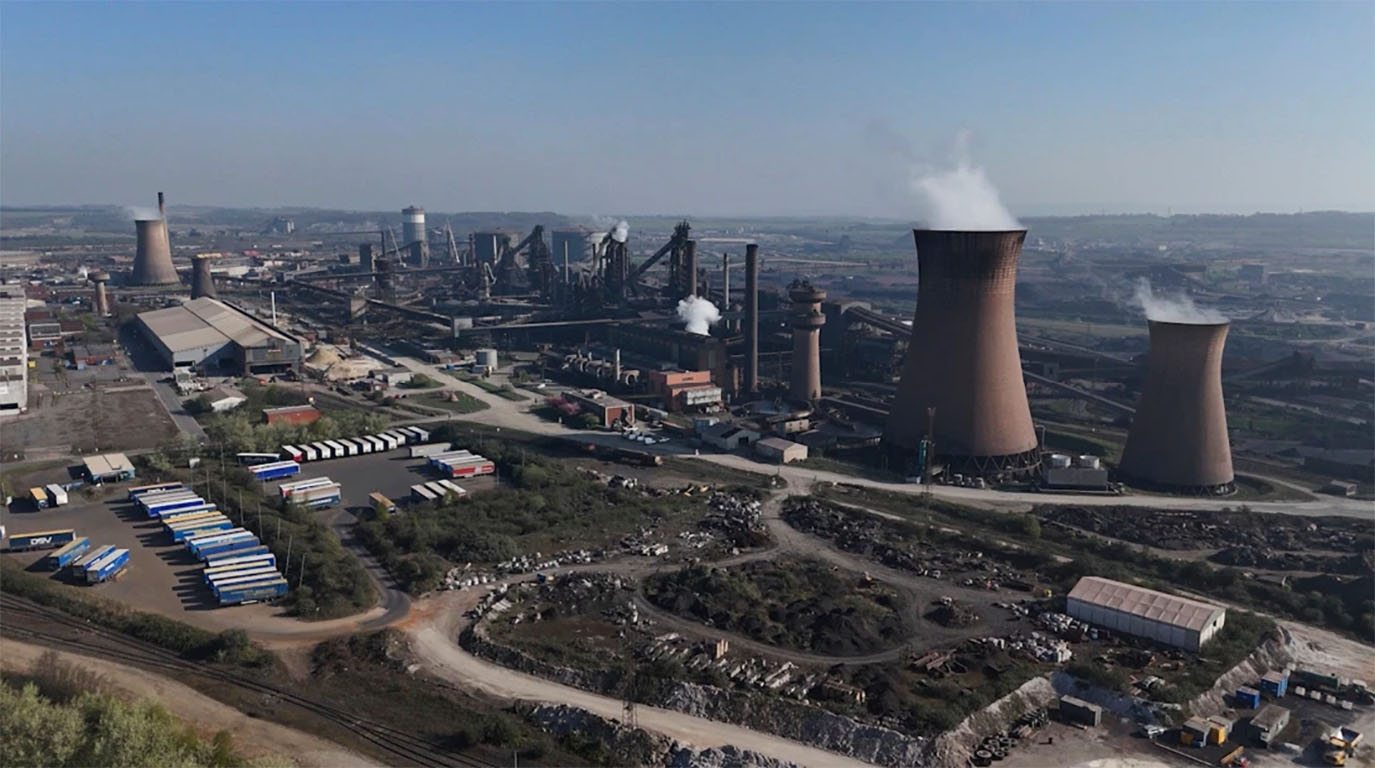
UK Government Seizes Control of British Steel to Prevent Collapse and Save 2,700 Jobs
In a rare move, Parliament introduced, passed, and granted royal assent to the emergency law on the same day. This new law grants U.K. Business Secretary Jonathan Reynolds the authority to seize control of British Steel and other steel assets. The law also permits the government to ensure continued steel production by securing raw materials and paying workers while providing penalties for violations, including imprisonment for up to two years. The rapid passage of this legislation underscores the urgency of the situation and its impact on the British economy.
Parliament’s Rare Emergency Session Secures British Steel’s Future, Protecting Jobs and Industry
The emergency session of Parliament on Saturday was only the sixth of its kind since World War II, reflecting the exceptional nature of the crisis. Prime Minister Keir Starmer and his cabinet recognized the necessity of special powers to keep the steel plant operational.
Starmer expressed his support for the steelworkers, acknowledging their vital role in sustaining British Steel for many years. The government’s swift action and support for the workforce highlighted the importance of the plant as the last primary maker of virgin steel in the U.K.
Jingye had planned to cease operations at the plant, refusing to purchase the necessary raw materials to keep the blast furnaces running. This move would have led to a significant disruption in the steel industry and posed a substantial threat to jobs in the area.
However, with the U.K. government’s intervention, the future of British Steel has been secured, at least for the time being. The takeover ensures that the plant will continue its operations, providing vital steel to the U.K. market and preserving the jobs of its workforce.