
Over the last decade, extended warranties have undergone a remarkable transformation in the automotive industry. What was once considered an unnecessary upsell is now widely seen as a crucial tool for managing the increasing costs associated with car ownership.
As vehicles become more technologically advanced and complex, the cost of repairs has escalated, making extended warranties an essential safeguard for car owners. This shift reflects broader changes in the automotive market and consumer attitudes toward financial protection.
The primary driver of the increased relevance of extended warranties is the growing complexity of modern vehicles. Today’s cars are equipped with advanced technology, intricate systems, and costly components, all of which increase the likelihood of expensive repairs.
Consequently, extended warranties have transitioned from being an optional add-on to an essential financial tool, offering peace of mind to consumers who face unpredictable repair bills. This shift highlights the evolving nature of car ownership, where maintenance and repair costs are no longer just occasional inconveniences but significant financial burdens.
Extended Warranties Integrate with Debt Management Offering Predictability, Transparency, and Flexible Payment Options
As rising repair costs continue to burden car owners, extended warranties have become an integral part of debt management strategies. Many consumers prefer the predictability of a fixed monthly warranty payment over the uncertainty of an unexpectedly large repair bill. This predictable cost structure allows for better budgeting and financial planning.
In response to this demand, warranty providers have worked closely with financial institutions to offer flexible payment options, making it easier for consumers to integrate warranty payments into their existing debt management plans.
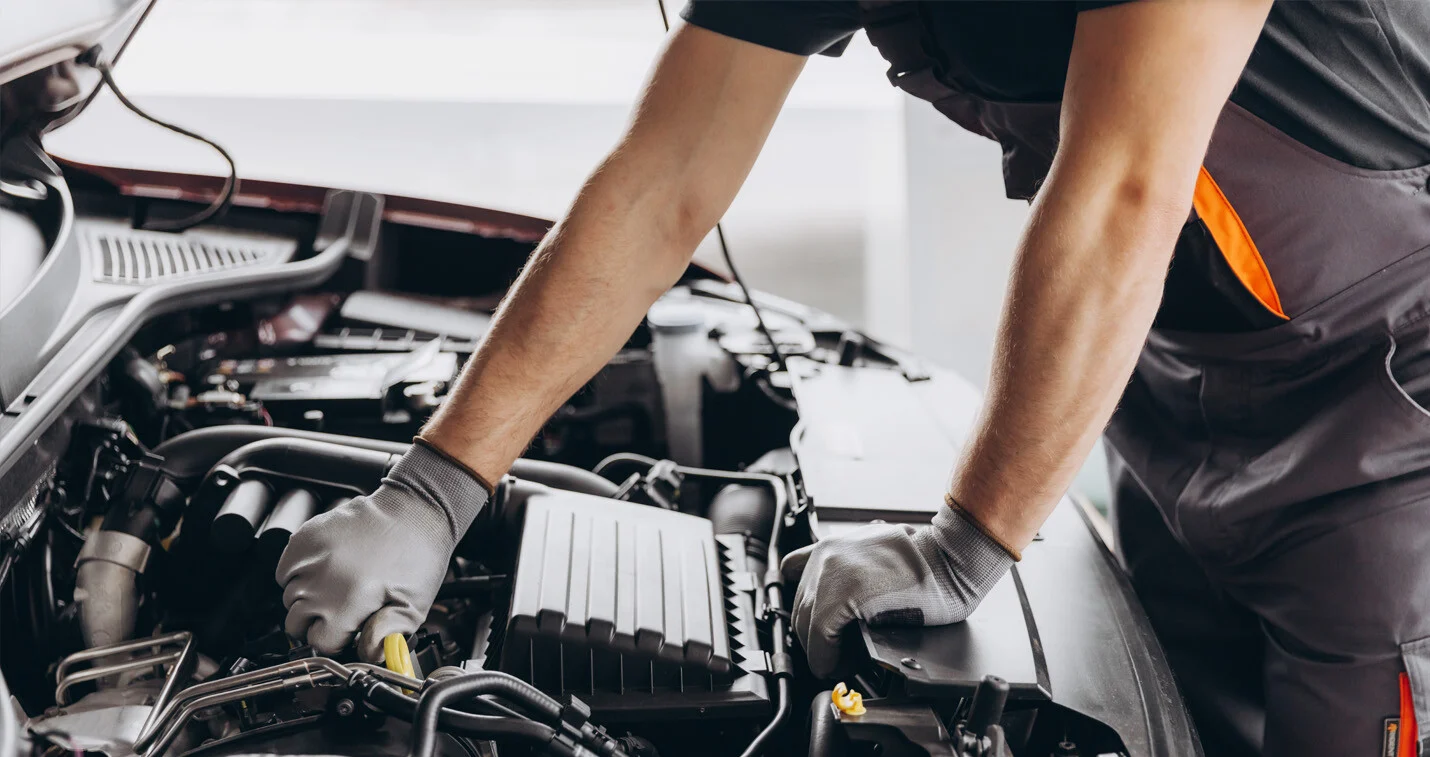
Extended Warranties Evolve into Financial Lifelines as Car Repairs Grow Costlier and Global Demand Rises
Another significant shift in the extended warranty industry is the increased emphasis on transparency and flexibility. As consumers increasingly rely on digital platforms for reviews and comparisons, warranty providers have been pushed to offer clear terms and conditions.
This transparency ensures that consumers understand exactly what they are purchasing, which strengthens trust in the product and promotes its role in debt relief. Flexible coverage options tailored to individual needs further enhance the appeal of extended warranties, making them more accessible and adaptable to different financial situations.
Global Surge in Extended Warranties with Regional Preferences Shaping Consumer Demand and Security
The demand for extended warranties has not been limited to domestic markets; it has seen a global surge, especially in emerging markets. As cars become more technologically sophisticated, consumers in regions like Asia and Europe are seeking protection from expensive repair costs.
In these markets, the demand for extended warranties is often driven by debt sensitivity and a desire for financial security. While European consumers prioritize comprehensive coverage due to high repair costs, Asian markets tend to focus on affordability and flexible payment plans. Understanding these regional preferences has been crucial for warranty providers looking to expand their global footprint.
The last decade has witnessed extended warranties shift from being seen as an optional luxury to an essential financial safeguard in the automotive industry. Their role in providing debt relief, along with enhanced transparency, flexibility, and growing demand across different regions, guarantees that extended warranties will remain a critical tool for car owners worldwide.
As the automotive industry continues to advance, the significance of extended warranties in managing increasing repair costs will only rise, solidifying their position as a fundamental aspect of financial planning for vehicle owners everywhere.