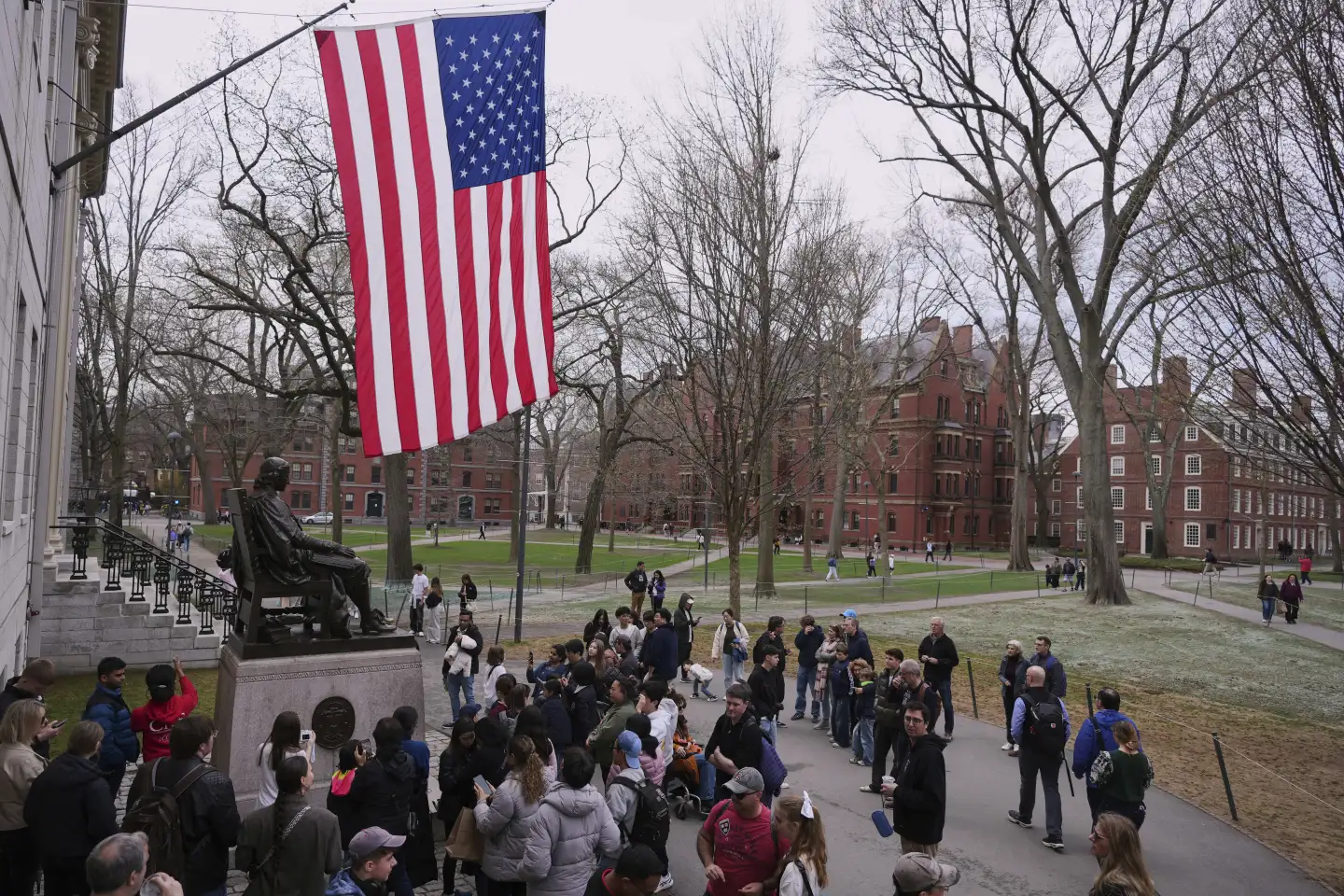
Harvard University President Alan M. Garber issued a bold statement asserting that the institution would not relinquish its independence or constitutional rights, despite growing pressure from the Trump administration.
This defiant response came in the wake of demands from the administration to make significant changes to its admissions, hiring, and disciplinary policies, and to undergo outside audits to ensure compliance with civil rights laws. Failure to comply would result in the university losing all federal funding. This marked a dramatic confrontation with the federal government, with Garber taking a strong stand against what he viewed as an overreach into university autonomy.
Garber Defends Harvard’s Reforms Amidst Financial Penalties and Escalating Tensions
Garber’s response was not without context, especially given the controversial tenure of his predecessor, Claudine Gay, who resigned after facing significant criticism. Gay had been embroiled in scandals related to the loss of billions in donations, mishandling of campus antisemitism issues, and allegations of plagiarism.
In his statement, Garber positioned Harvard as having already undergone structural and policy changes in response to earlier criticisms, despite the administration’s claims that further reforms were necessary. The university’s legal team echoed this sentiment, claiming that any further changes would infringe upon Harvard’s First Amendment rights.
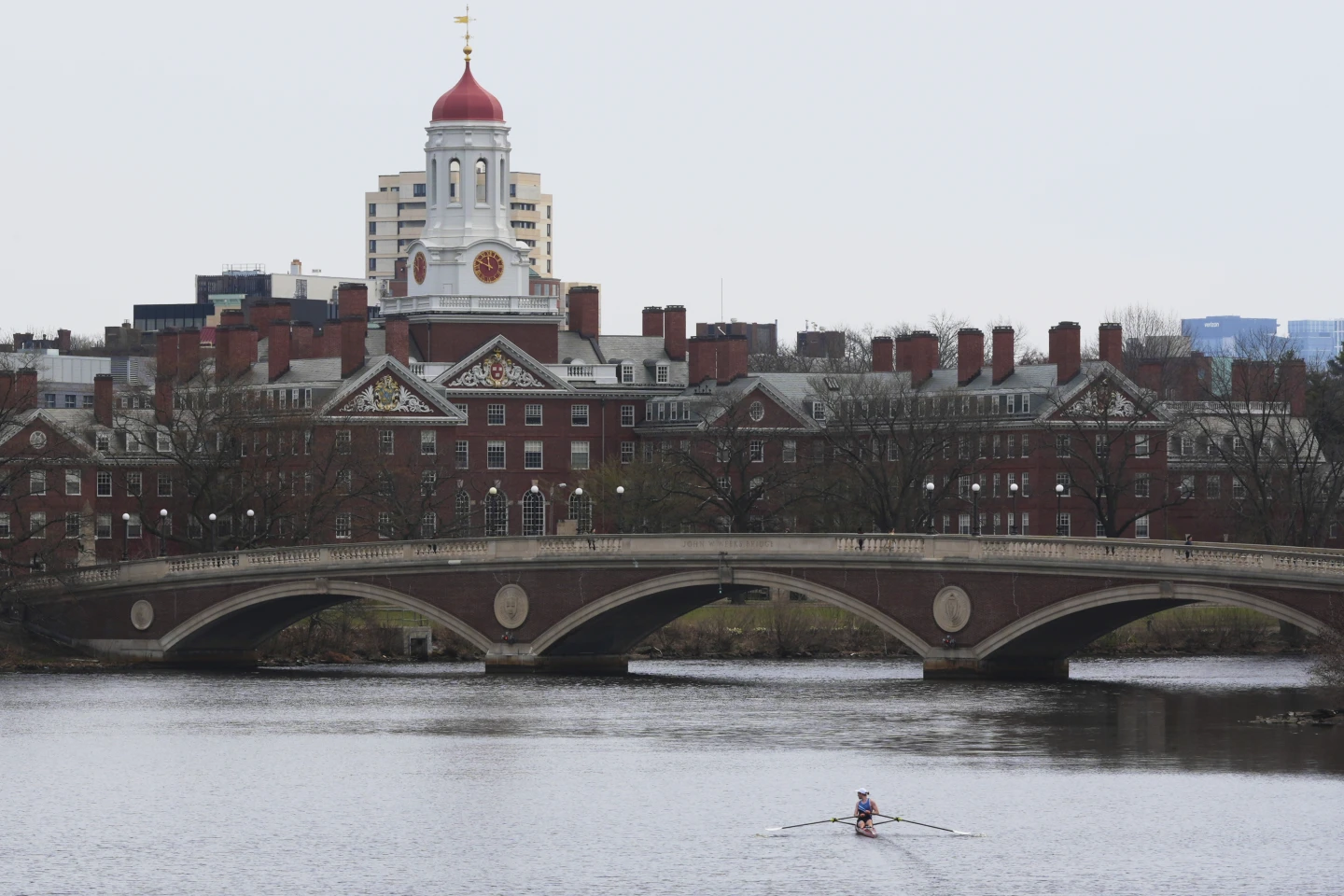
Harvard Defies Trump Administration Over Funding Threats, Setting Stage for Historic Higher Ed Clash
Despite Garber’s defiance, the situation rapidly escalated. Within hours of his letter, the Trump administration retaliated by canceling $2.2 billion in grants to Harvard, along with at least $60 million in contracts. This represented the largest financial penalty imposed on an educational institution to date.
Although Harvard had prepared for such a scenario by floating $750 million in bonds, there were concerns about whether the university could weather the financial fallout, especially with the potential loss of billions in additional grant funds to its partners. This has led to growing anxiety among faculty and researchers about the future of their work without federal funding.
Limited Support for Garber’s Stance Amid Legal and Financial Uncertainty at Harvard
Garber’s stance, though initially praised by some, was not widely echoed by other academic leaders. Columbia University’s acting president, Claire Shipman, voiced her intention to maintain the institution’s autonomy but did not take a similar confrontational approach.
Meanwhile, legal challenges were filed by Harvard and Columbia to block the funding cuts, though these cases face an uncertain future, particularly with the Supreme Court’s current conservative majority. Harvard’s critics, including high-profile politicians and media figures, continued to push for more severe consequences, including the revocation of the university’s tax-exempt status.
Despite its immense $53.2 billion endowment, Harvard’s financial future remains uncertain in the face of these mounting challenges. The university’s endowment, much of which is restricted by donor conditions, leaves a limited amount available to cover expenses, though Garber insisted that the funds are essential to support critical programs.
Harvard’s refusal to comply with the administration’s demands, coupled with the loss of federal funds, has set the stage for a prolonged struggle, with the university facing both external political pressure and internal financial instability. The outcome remains uncertain, but it is clear that the situation has far-reaching implications for higher education.