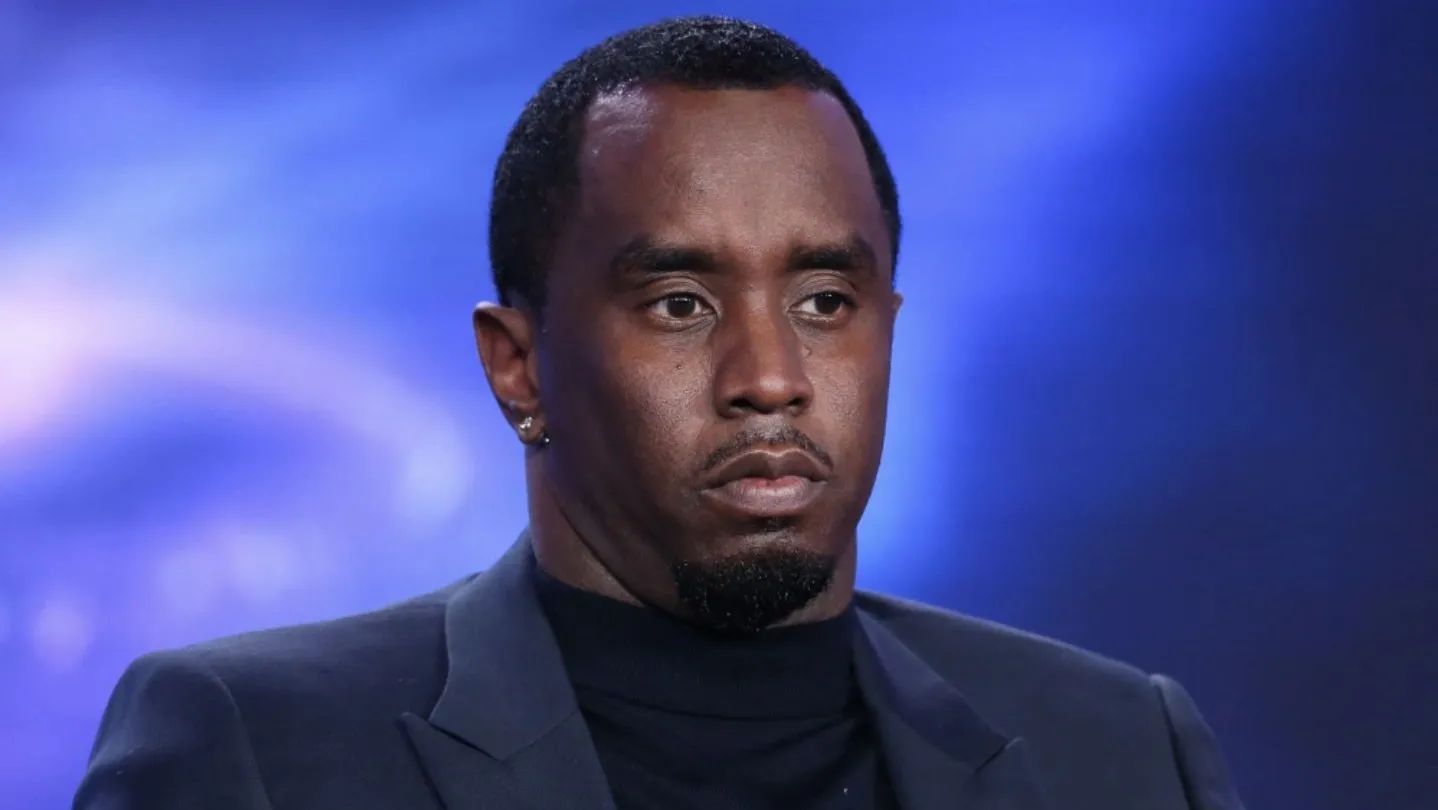
A federal judge in New York has rejected a request from Sean “Diddy” Combs’ legal team to delay his upcoming sex-trafficking trial. Combs’ attorneys sought an additional two months to prepare their defense following new charges added earlier this month. However, Judge Arun Subramanian ruled that the trial would proceed as scheduled, with jury selection beginning on May 5, citing insufficient justification for the delay.
Combs Faces Five Charges Over Alleged Two-Decade Pattern of Sexual Exploitation
Sean Combs, 55, is facing five federal charges, including sex trafficking, transportation to engage in prostitution, and racketeering conspiracy. These alleged crimes are said to have occurred over the course of twenty years. Since his arrest in September, Combs has been held in federal custody in New York City, maintaining his plea of not guilty.

Judge Denies Diddy’s Trial Delay Request as Sex Trafficking Case Moves Forward with Protected Witnesses
Prosecutors have accused Combs and his associates of manipulating at least three women into performing sex acts under duress, often while drugged. Some of these acts allegedly involved male prostitutes and were referred to by Combs as “Freak Offs.” Authorities claim he documented some of these encounters and used both incentives, like career advancement and threats of violence, to maintain control over his victims.
Judge Allows Anonymity for Victims, Limits Evidence on Past Allegations in Trial
In a related ruling, Judge Subramanian stated that the women accusing Combs would be allowed to testify under pseudonyms to protect their identities. An exception was made for Cassie Ventura, Combs’ former girlfriend, whose testimony is expected to be public. The decision aims to balance witness protection with the defendant’s right to a fair trial.
The judge also ruled that most evidence concerning past sexual assault allegations against Combs—those not included in the current indictment—would be inadmissible in court. This limits the scope of historical behavior that prosecutors can use to establish a pattern, focusing the trial narrowly on the specific incidents cited in the charges.