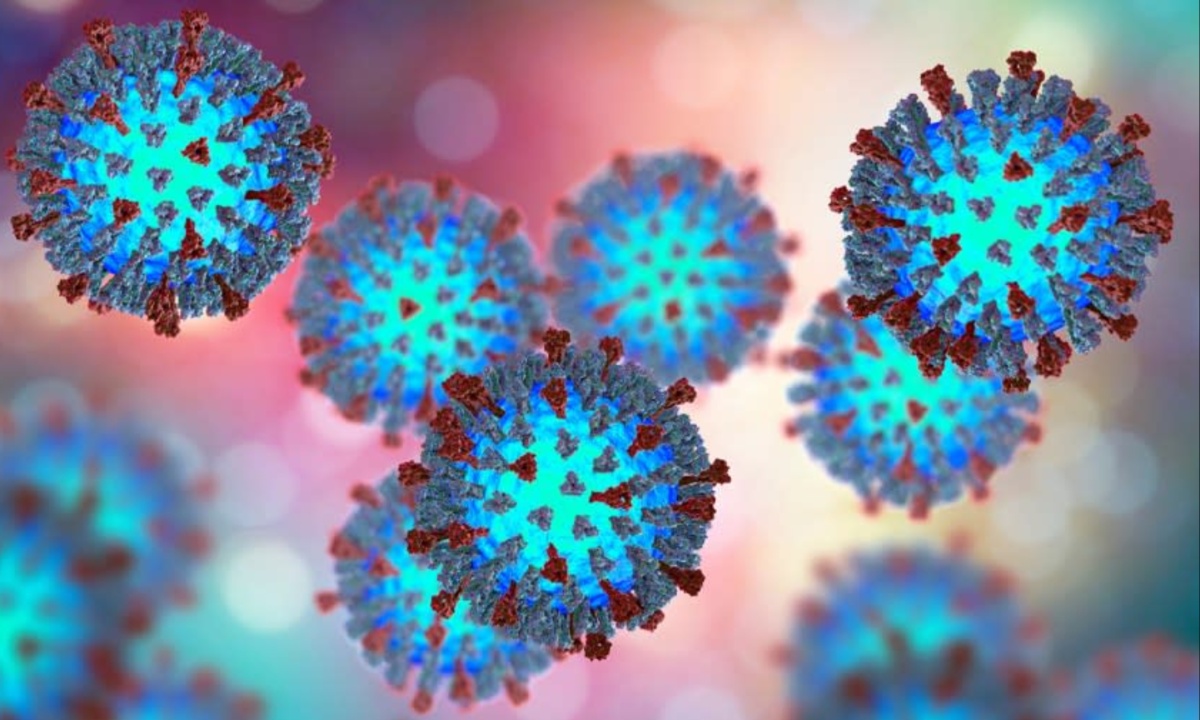
The Virginia Department of Health has confirmed the state’s first measles case of 2025, contributing to a broader national outbreak now spanning 26 states. The patient is a young child aged between 1 and 4, residing in Virginia’s Northwest region, who recently traveled internationally.
Due to privacy concerns, the health department has not disclosed whether the child was vaccinated. Health officials stressed that international travel increases the risk of importing the highly contagious disease and highlighted the importance of vaccination in preventing its spread.
Officials Urge Vaccination as Measles Cases Surge Nationally, Outbreaks Intensify in 2025
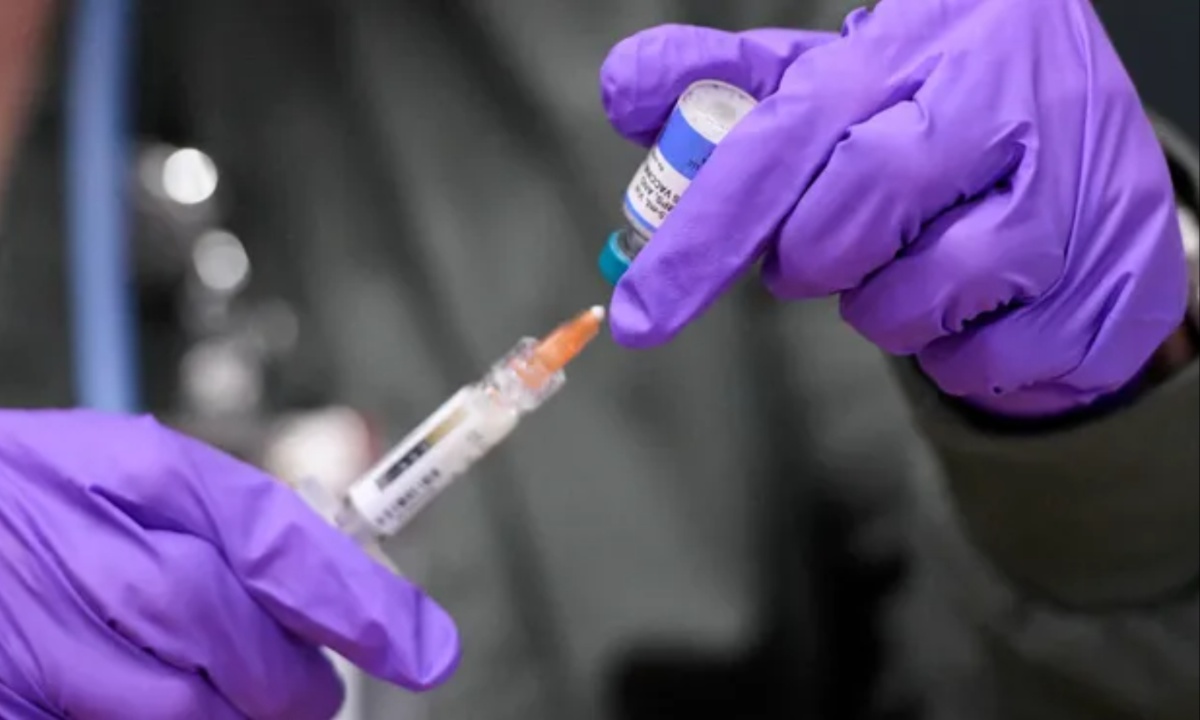
State Epidemiologist Laurie Forlano emphasized that measles is preventable through vaccination, describing the MMR (measles, mumps, and rubella) vaccine as both safe and highly effective. She encouraged Virginians, particularly those planning to travel, to check their vaccination status and consult with healthcare providers. The case in Virginia follows a growing national concern, with health authorities pushing for increased vaccination rates to curb the outbreak.
Virginia Confirms First Measles Case of 2025 as National Outbreak Spreads Across 26 States
As of mid-April, the Centers for Disease Control and Prevention (CDC) reported over 800 confirmed measles cases across 24 states, significantly surpassing the 285 cases reported in all of 2024. Ten separate outbreaks—defined as three or more connected cases—have been documented so far in 2025. Alarmingly, 94% of this year’s cases have been tied to outbreaks, with 11% requiring hospitalization and three resulting in death, including two unvaccinated children in Texas.
Health Officials Identify Measles Exposure Sites, Urge Immediate Action and Symptom Monitoring
Virginia health officials have named two potential measles exposure locations: the Kaiser Permanente Caton Hill Medical Center in Woodbridge on April 15 and the Kaiser Permanente Fredericksburg Medical Center on April 16. Those who visited these facilities during the identified times may have been exposed. Individuals born before 1957 or who have received at least one dose of a measles-containing vaccine are considered protected.
People who suspect exposure are urged to contact healthcare providers immediately and monitor for symptoms—such as fever, rash, cough, or conjunctivitis—for 21 days following the possible contact. If symptoms develop, individuals should isolate at home and alert healthcare facilities before visiting to prevent further spread. Those who are immunocompromised or unsure of their vaccination status should seek medical advice promptly to ensure appropriate care and containment.