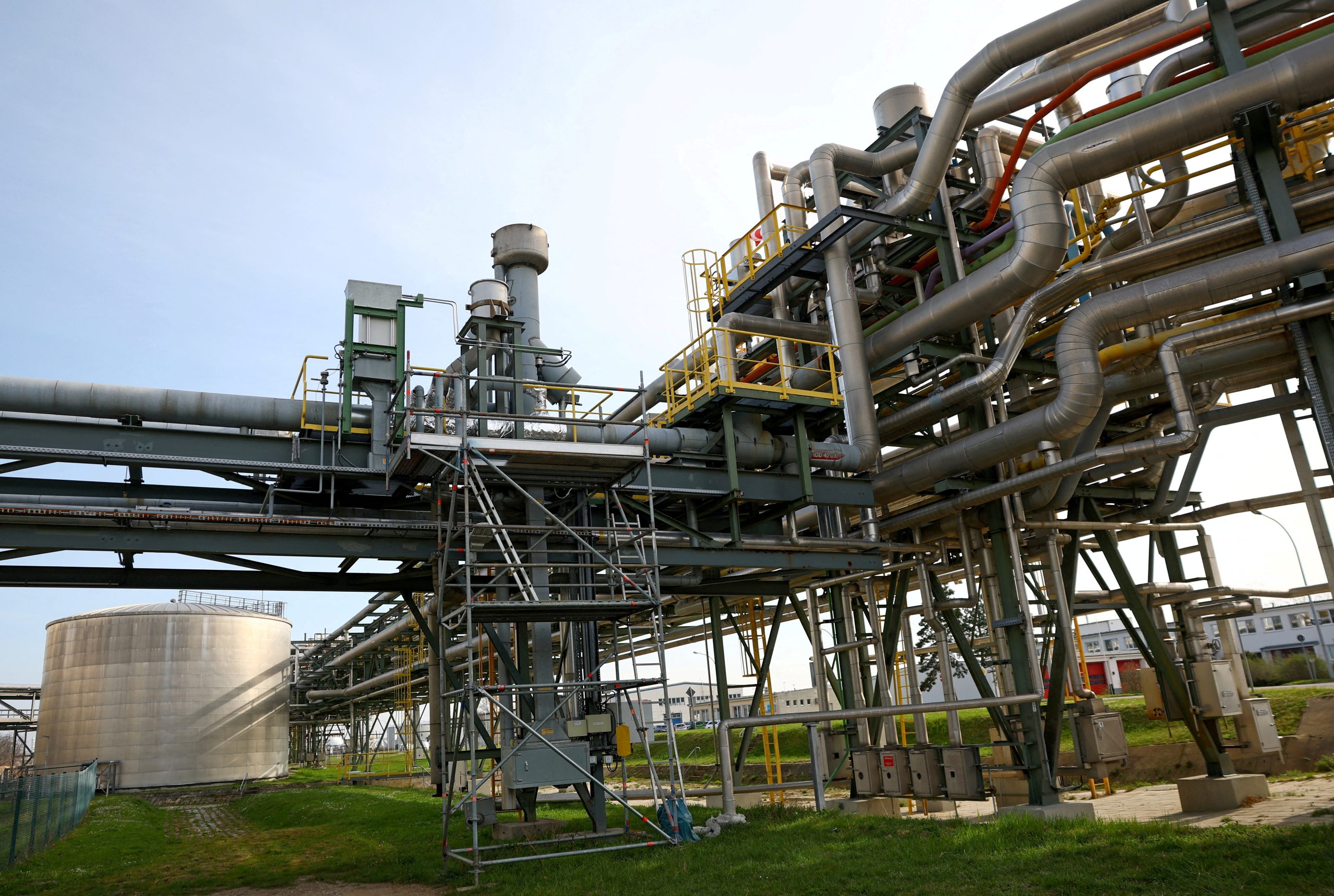
The European Parliament’s energy committee has endorsed a proposal that grants EU member states more flexibility in meeting natural gas storage targets. This move is part of a broader strategy to prevent supply shortages and price spikes during the winter season. The current approach, which mandates specific storage levels by a fixed date, is seen as too rigid in the face of volatile energy markets.
EU Considers Flexible Gas Storage Targets to Balance Supply, Prices, and Security
Under the committee’s proposal, instead of strictly reaching 90% full storage by November 1, countries would be required to achieve an 83% level at any time between October 1 and December 1. Furthermore, if gas prices are unusually high, states could miss the target by up to four percentage points without penalty. However, a minimum threshold of 75% storage before winter remains mandatory for all member states to ensure basic energy security.
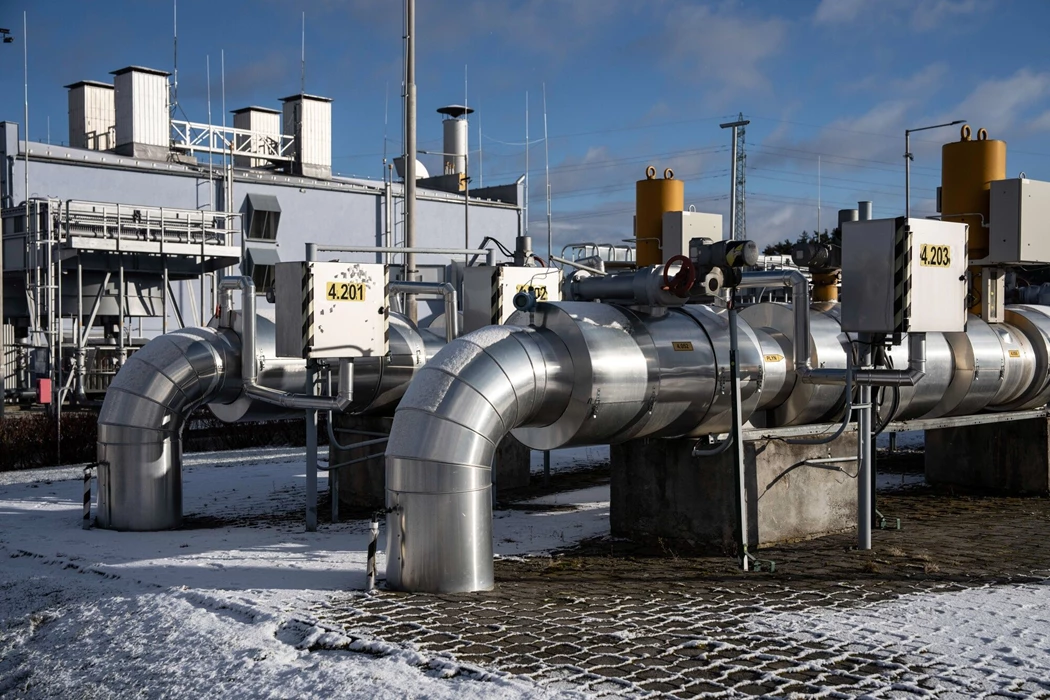
EU Energy Committee Backs Flexible Gas Storage Rules to Ease Winter Pressure and Price Volatility
While the energy committee has shown support, the European Parliament has yet to finalize its position, with a full vote expected in May. This will determine the Parliament’s stance ahead of negotiations with the Council, which represents the member states. The outcome will shape the final version of the revised gas storage regulation, currently being updated to extend its application by two more years.
Member States Push for Flexible Gas Targets Amid Volatile Market and Price Risks
Several key member states, including Germany and France, have long called for more pragmatic measures. They argue that the rigid 90% storage target could lead to excessive market pressure and price hikes, especially during abnormal or volatile conditions. Their position reflects concerns that the existing rules lack the adaptability needed to respond to real-time supply and demand challenges.
In times of heightened market volatility, EU nations face a tough choice between subsidizing gas stockpiling or allowing market forces to dictate prices, which could lead to costly purchases later in the season. This flexibility initiative aims to give countries the tools to manage these risks more effectively, balancing the need for preparedness with economic reality.