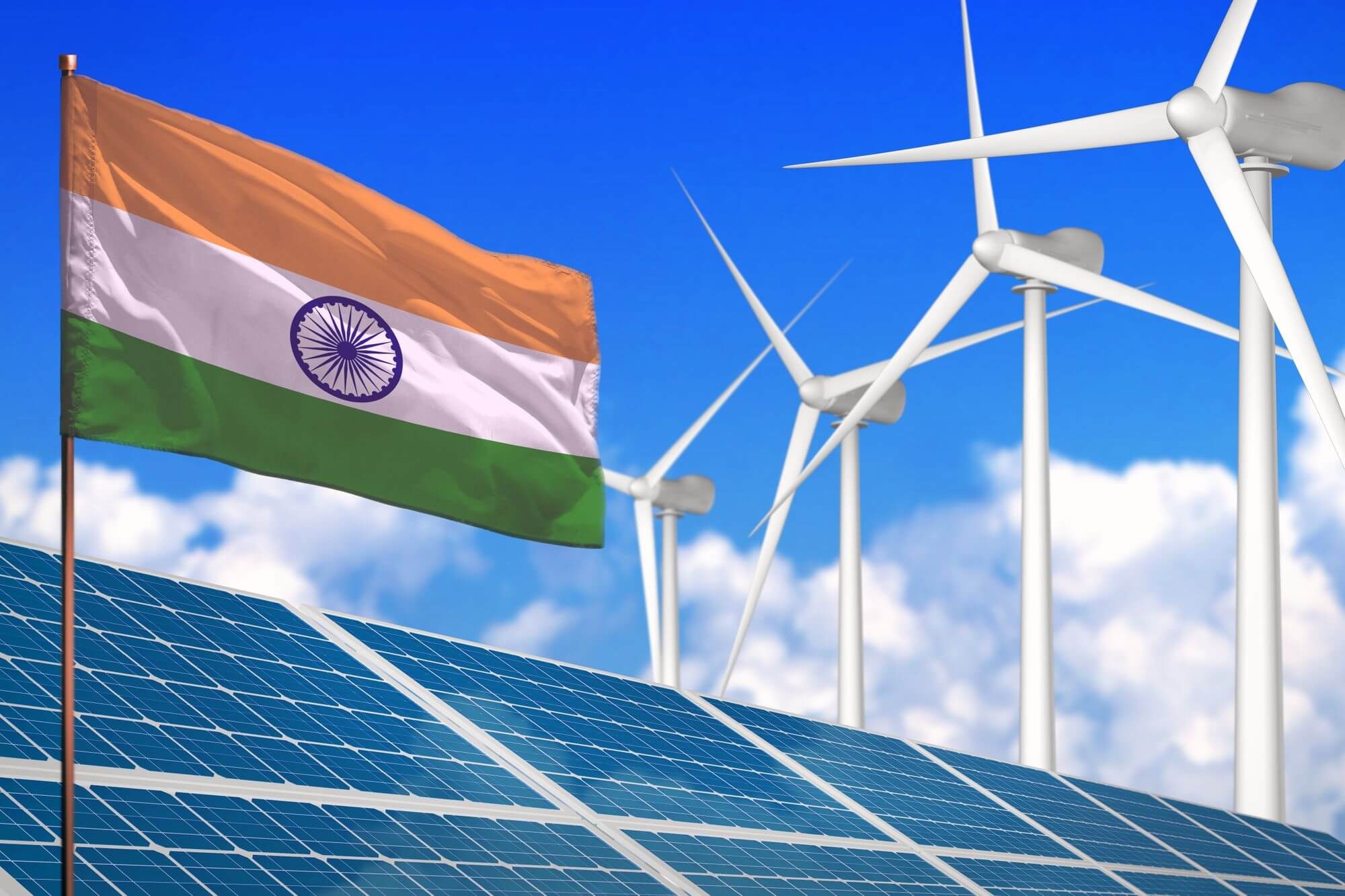
India is making steps in embracing renewable energy, especially solar power, to meet its increasing electricity demands. The 14th National Electricity Plan (NEP14), introduced in May 2023, aims to double the nation’s electricity generation capacity by 2032, with solar energy playing a crucial part in this goal.
This article offers an in-depth view of India’s energy sector, spotlighting the rapid growth of solar power, supported by government initiatives and its promising potential for future expansion.
It highlights the environmental and economic advantages of solar energy, government strategies to enhance solar adoption, and the expected influence of India’s solar initiatives on the global clean energy sector.
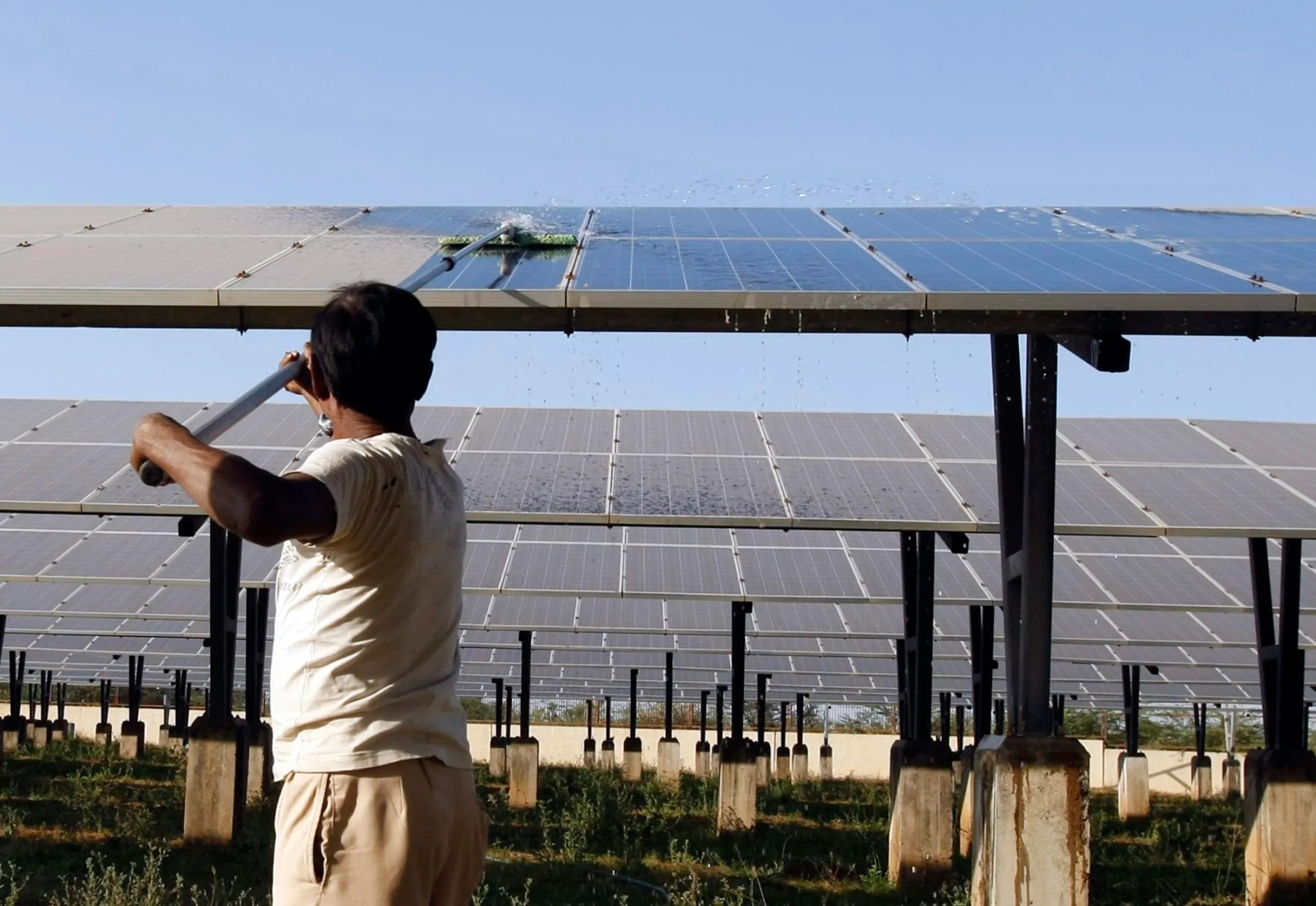
Rooftops to deserts are lighting up with India’s solar ambitions (Photo: Getty Images)
India’s Coal-to-Solar Energy Transition
Since 2017, India’s power sector has witnessed a remarkable transformation, with solar energy initially accounting for just 1% of the country’s energy mix. With a bold move away from coal, the NEP14 envisions a dramatic increase in solar energy’s share, targeting a rise from 5% to 25% between 2022 and 2032.
The plan anticipates India’s total electricity generation capacity growing from 399.5 GW in 2022 to approximately 849 GW by 2032. Solar power is expected to experience substantial growth, increasing from 66.78 GW in 2023 to 366 GW by 2032, contributing to half of the total energy capacity growth.
India’s solar capacity is projected to expand at a compound annual growth rate (CAGR) of 22.7% from 2023 to 2027, with an initial target of 185.6 GW by 2027 and a further increase to 364.6 GW by 2032, as per the NEP14.
The Multifaceted Benefits of Solar Energy
Solar energy provides a broad array of advantages, positioning it as an essential component of India’s pursuit of sustainable energy.
Eco-friendly Energy: Unlike conventional energy sources that harm the environment, solar energy is clean and green. It generates electricity without releasing harmful pollutants, thus protecting the environment.
Energy Independence: The rise of solar energy has lessened the reliance on traditional energy sources, offering a more sustainable and balanced energy ecosystem.
Minimal Maintenance: Solar power systems require little upkeep, including occasional cleaning and replacing inverters every 5-10 years, making them cost-effective in the long run.
Safety: Solar power systems are generally safer than conventional energy sources, both during use and maintenance, offering a secure energy solution.
Lower Electricity Bills: Using solar energy reduces electricity bills, with savings depending on individual energy consumption, helping consumers avoid rising electricity costs.
Wide Applications: Solar energy has diverse uses, from generating electricity and heat to providing power to off-grid areas, supporting industrial activities, and ensuring a clean water supply.
Technological Advancements: The increasing use of solar energy has driven innovation in technology and industry, with further advancements expected to support the sector’s growth, promising a bright future for renewable energy.
By facilitating cost savings, environmental preservation, and technological development, solar power represents a step toward a sustainable energy future.
Government Measures to Strengthen Solar Power Adoption
The growth of solar power in India necessitates advancements in domestic solar module manufacturing and the production of raw materials, which are currently imported from China or Europe.
To address this, the government has introduced initiatives such as the Production Linked Incentive (PLI) and the Scheme for Promotion of Manufacturing of Electronics Components and Semiconductors (SPECS) to encourage local manufacturing. India’s power grid infrastructure must also be upgraded to accommodate the intermittent nature of renewable energy.
To address this, the government has committed US$ 35 billion (Rs. 2.8 lakh crores) to improve the inter-state transmission network, enabling the efficient evacuation of renewable energy.
Financing remains a crucial factor in the success of NEP14. To support this, the Reserve Bank of India (RBI) has prioritised renewable energy financing by including it in the priority lending sector.
The government is strongly promoting solar power adoption as a key strategy to address environmental concerns and meet the growing energy demands of the nation.
This proactive approach reflects India’s commitment to reducing its carbon footprint and transitioning to cleaner, more environmentally friendly energy alternatives. Key government initiatives include:
Foreign Direct Investment (FDI): The government has opened up foreign direct investment of up to 100% under the automatic route to promote solar energy investments.
Production Linked Incentive (PLI) Scheme: The scheme aims to boost domestic solar module manufacturing, reducing reliance on imports. With a budget of US$ 2.9 billion (Rs. 240 billion), the scheme is designed to scale up manufacturing of high-efficiency solar photovoltaic (PV) modules.
Through PLI (Tranche I), 8,737 MW of integrated capacity has already been added. In Tranche II, 39,600 MW capacity has been allocated to 11 companies, with an investment of US$ 1.7 billion (Rs. 14,007 crores).
The initiative is expected to play in phases, with the final goal of adding 15,400 MW by 2026, attracting US$ 11.2 billion (Rs. 93,041 crores) in investments and creating over 101,487 jobs, including both direct and indirect roles.
Proposed Solar Cities and Parks: The government has authorised the establishment of 50 solar parks across 12 states, targeting a total capacity of 37,990 MW. Of these, 11 parks with a combined capacity of 8,521 MW are complete, and 7 more are partially completed, contributing 3,985 MW.
Inter-State Transmission System (ISTS) Waiver: The Ministry of Power has waived ISTS charges for the interstate sale of wind and solar power from projects commissioned by June 2025. Project Development Cell: This cell has been set up to attract investments and support solar energy project development.
Tariff-Based Competitive Bidding: The government has introduced standard bidding guidelines for the procurement of solar energy through competitive bidding. Green Term Ahead Market (GTAM): Launched to facilitate the sale of renewable energy, including solar power.
PM-KUSUM Scheme: This initiative seeks to add 30.8 GW of solar power by March 2026, focusing on the agricultural sector and promoting the use of locally produced solar equipment. Pradhan Mantri Suryodaya Yojana: Launched in January 2024, this initiative will provide rooftop solar installations to 10 million households.
India’s Bold Vision for Solar Energy Leadership
India’s solar energy potential is immense, with about 5,000 trillion kWh of solar energy annually across its landmass, with regions receiving between 4 and 7 kWh per square meter per day.
The National Institute of Solar Energy has estimated India’s solar potential at around 748 GW, assuming 3% of wasteland areas are used for solar PV modules.
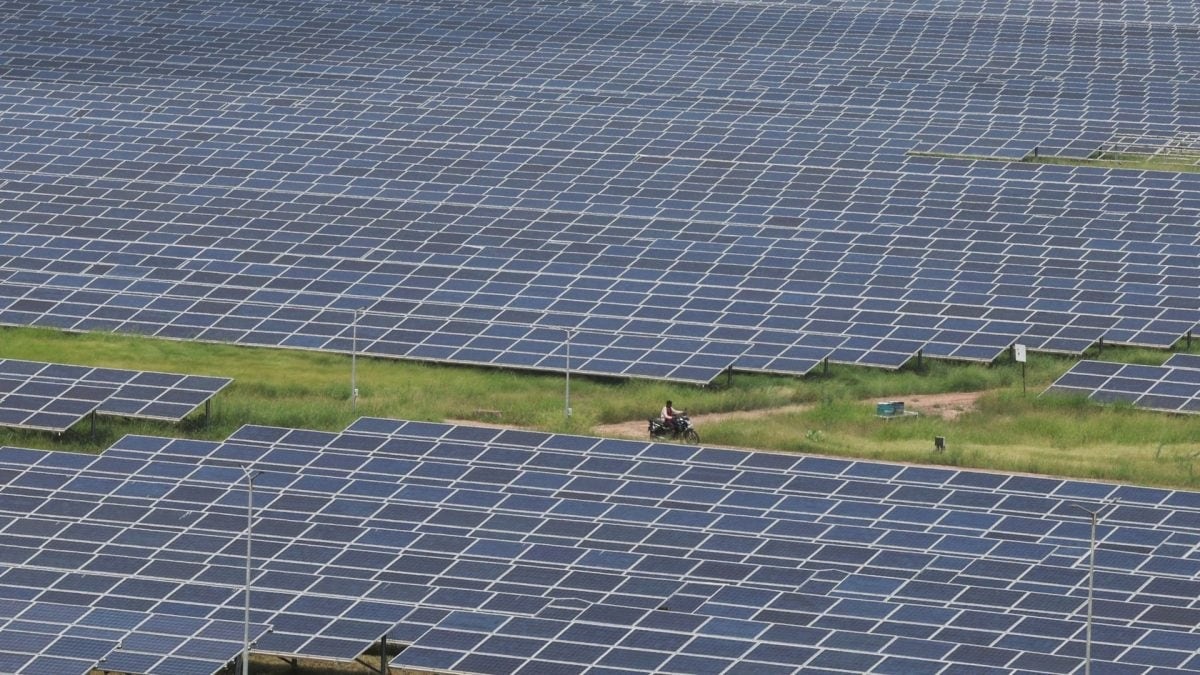
From coal shadows to sunlit grids, India powers forward (Photo: Alamy)
During its G20 presidency, India introduced the ‘Roadmap of Solar Energy for Universal Energy Access,’ emphasizing solar energy’s critical role in providing widespread electricity access and fostering socio-economic development. The Interim Union Budget for 2024–25 further bolsters this commitment by increasing funding for green infrastructure.
Specifically, the budget for grid-connected solar power has risen to US$ 1,204 million (Rs. 10,000 crores) in 2024–25, up from US$ 572.6 million (Rs. 4,757 crores) in 2023–24, reflecting the government’s unwavering support for solar energy.
India’s 2030 targets are ambitious, aiming for 500 GW of non-fossil fuel-based capacity, including 280 GW from solar and 140 GW from wind.
To achieve this, the government plans to auction approximately 50 GW of renewable energy capacity annually over the next five years, with key renewable energy agencies like the Solar Energy Corporation of India Limited (SECI), National Hydroelectric Power Corporation (NHPC), and Satluj Jal Vidyut Nigam Limited (SJVN) driving these efforts.
India’s solar energy sector is set to play a leading role in the country’s green transition, bolstered by supportive policies, robust manufacturing, and a skilled workforce.
The nation aims to become a global leader in clean energy manufacturing, with estimated investments of US$ 350–400 billion annually by 2030, presenting investment opportunities for global investors.
As India works towards its 2030 goals, the country is not only focused on increasing its solar capacity but also aims to meet 50% of its total energy needs with renewable sources. This strategy is in line with global climate objectives and positions India as a key player in the global effort to address climate change.
The expansion of solar power is expected to drive economic growth, with potential job creation of 5–6 million by 2030 and 9–10 million by 2047, thus boosting the national economy.
India’s Commitment to Solar Energy
India is resolute in enhancing its solar energy capacity as a vital aspect of its sustainable development and energy self-sufficiency plan. The nation is well-positioned to meet its ambitious solar power targets by 2032, supported by government initiatives and technological advancements.
As India progresses toward its renewable energy goals, solar energy will not only bring environmental benefits but also contribute to economic growth and job creation, affirming India’s leadership role in the global switch to renewable energy.