
India has invested heavily in restoring its green cover in recent decades, and this effort has begun to show visible progress. From degraded forests to barren lands previously written off as unproductive, large portions of the country have been transformed with new tree plantations.
Various states have taken the initiative to contribute to national goals aimed at reversing deforestation and promoting sustainability. With strong support from both public institutions and private sectors, the campaigns have evolved into coordinated efforts involving local communities, schools, and corporate entities.

Tree planting drives breathe new life into India’s once-barren landscapes (Photo: Getty Images)
Over the years, afforestation has become a key part of India’s climate-related strategies, particularly in meeting its obligations under global environmental agreements. Through consistent funding, policy backing, and grassroots involvement, India’s tree-planting initiatives have become deeply rooted in its national development programmes.
While some early programmes lacked focus or scale, more recent efforts have combined scientific planning with long-term community participation. States like Madhya Pradesh, Uttar Pradesh, and Telangana have led major drives that broke previous records in single-day planting events.
These massive campaigns gained momentum from both national pride and international pressure to reduce emissions and improve air quality. The target has never been only about increasing forest area but also about creating better livelihoods and reducing soil erosion.
Authorities now track survival rates of saplings with improved monitoring tools and technologies, rather than just counting how many trees get planted.
Government Strategies and Policy Integration
Afforestation in India did not emerge overnight. The government began by establishing the National Afforestation Programme (NAP) as a centrally sponsored scheme aimed at ecological restoration.
This initiative focused largely on degraded forest lands and involved the Joint Forest Management (JFM) model, where villagers and forest officials collaborate in managing resources. With financial backing from the Compensatory Afforestation Fund Management and Planning Authority (CAMPA), more states have received the needed support to act on reforestation at the local level.
One major policy change was seen in the Green India Mission, which aims to increase forest and tree cover by five million hectares and improve the quality of another five million hectares.
Legal frameworks also played a part. The Forest (Conservation) Act made it difficult to divert forest lands for non-forest use without clearances. This protection allowed existing forests to remain intact while attention was turned toward afforestation on degraded lands.
These policies align with India’s larger environmental commitments under the Paris Agreement and the United Nations Convention to Combat Desertification. The strategies also blend with rural employment schemes, like the Mahatma Gandhi National Rural Employment Guarantee Act (MGNREGA), which often involves locals in planting and caring for saplings.
State-Level Drives with Lasting Impact
Several Indian states have gone beyond policy to implement impactful field activities. Uttar Pradesh, for instance, organised a drive that saw more than 250 million saplings planted in just one day. This effort engaged schoolchildren, NGOs, bureaucrats, and farmers alike.
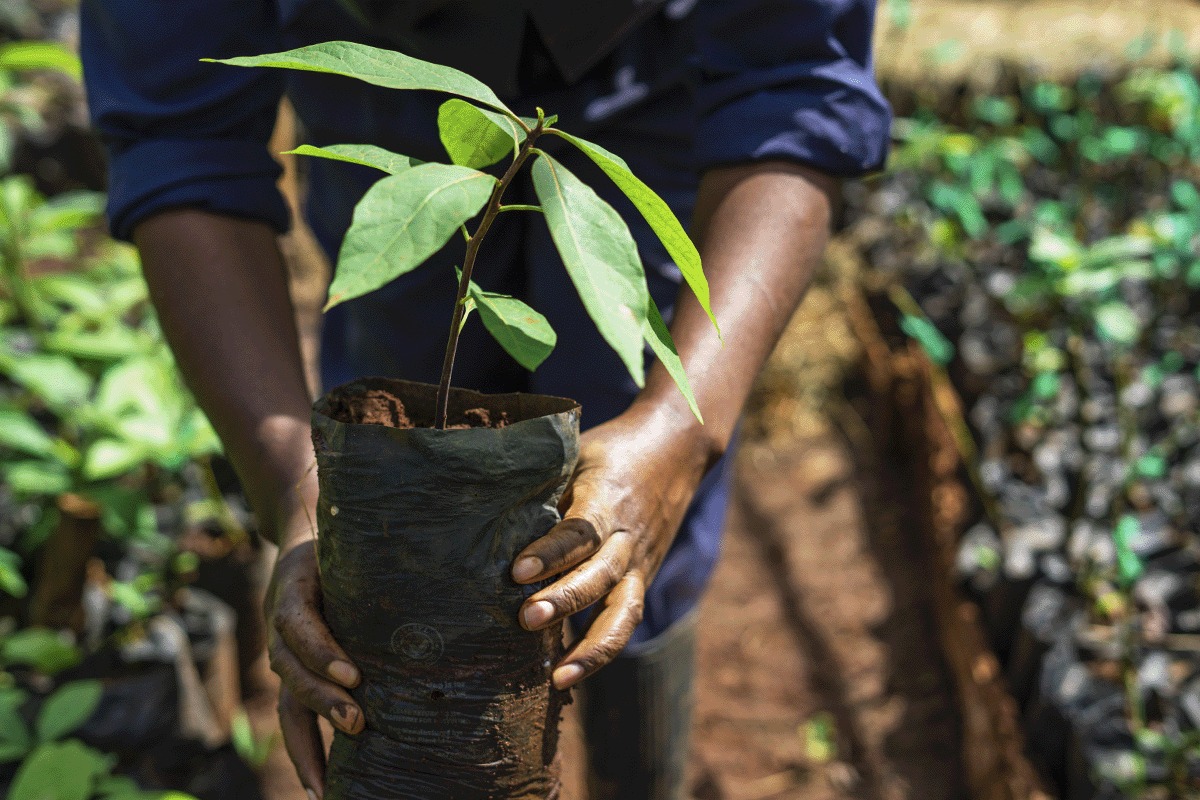
State-led efforts show how afforestation can revive soil and spirit (Photo: Alamy)
Madhya Pradesh followed with similar enthusiasm, adding millions of trees near riverbanks and degraded regions. Telangana’s Haritha Haram programme is another example where political will translated into sustained effort, aiming to plant over a billion trees. The state has integrated afforestation with urban planning and conservation of catchment areas around water bodies.
In Maharashtra, the Van Mahotsav celebration serves as an annual reminder of the importance of forests, and the state has steadily increased its forest cover. Kerala has focused on native species and biodiversity preservation while integrating afforestation into post-flood recovery.
Each state adopts its own unique model, but all share a central belief that environmental revival must go hand in hand with community involvement and long-term maintenance.
Use of Technology and Innovation in Tree Planting
As planting efforts grew, there was a need to use better tools for tracking progress and ensuring results. India’s forest departments began to rely on satellite imagery, GIS mapping, and drone surveillance to monitor afforested areas. These technologies provide real-time data on tree growth, mortality, and health.
Several private startups and environmental organisations now work with government bodies, offering mobile apps and AI-driven systems to track the survival of each sapling.
Seed balls and aerial seeding have become popular in areas that are difficult to access. This method involves dropping seed-coated clay balls from aircraft to stimulate growth in barren or hilly terrains.
Other innovations include soil testing kits for determining the best species for each location and moisture sensors for smarter irrigation. Technology has turned afforestation into a data-driven exercise rather than a symbolic one-time event. This allows each planted tree to be accounted for and cared for more effectively.
Challenges in Implementation and Survival Rates
Despite the large numbers reported in planting campaigns, ensuring that saplings survive remains a major challenge. Planting trees is only the first step. Without proper maintenance, many young trees die within the first few years.
Factors such as lack of irrigation, poor soil quality, animal grazing, and neglect reduce the success of these programmes. The gap between planting numbers and actual forest regeneration continues to be an area that demands attention.
Some critics point out that many campaigns favour fast-growing exotic species that do not support native biodiversity. Such choices can disrupt existing ecosystems and water cycles. There are also concerns about tokenism, where tree-planting becomes more of a publicity activity than a lasting contribution to the environment.
Government officials have acknowledged these issues and are beginning to move focus toward quality rather than quantity. Regular audits and community-led maintenance models are being introduced to deal with this gap.
Community Involvement and Education
The backbone of any lasting afforestation campaign is community ownership. India has slowly but steadily increased citizen participation through school programmes, village-level committees, and awareness campaigns.
Involving people from the early planning stages helps build emotional investment in the trees being planted. Some regions offer incentives such as fruit trees or medicinal plants that can be used or sold by villagers.
Children in government and private schools now participate in annual plantation drives. These events go beyond mere activity and are tied to environmental education curricula. Women’s self-help groups are also brought in to care for nurseries and monitor sapling health, thus providing additional income and local pride.
Religious and cultural values are often linked to tree planting, creating a spiritual sense of responsibility. This human connection to afforestation has strengthened its impact, especially in rural and semi-urban areas.
International Support and Global Recognition
India’s large-scale afforestation has not gone unnoticed outside its borders. International agencies such as the World Bank, UNDP, and GIZ have partnered with India in various projects aimed at improving forest cover and climate resilience. These collaborations provide funding, research input, and training opportunities that help raise the standard of local efforts.
The Bonn Challenge and the UN Decade on Ecosystem Restoration have listed India’s targets and progress as case studies. By 2020, India had pledged to restore 26 million hectares of degraded land, and while work is still ongoing, the country remains among the top contributors to global restoration targets. These achievements are presented at climate conferences and summits as part of India’s environmental portfolio.
Linking Afforestation to Broader Goals
Tree planting in India is no longer seen as a standalone activity. It is now linked with river rejuvenation projects, climate change mitigation strategies, urban green belt development, and tribal welfare schemes.
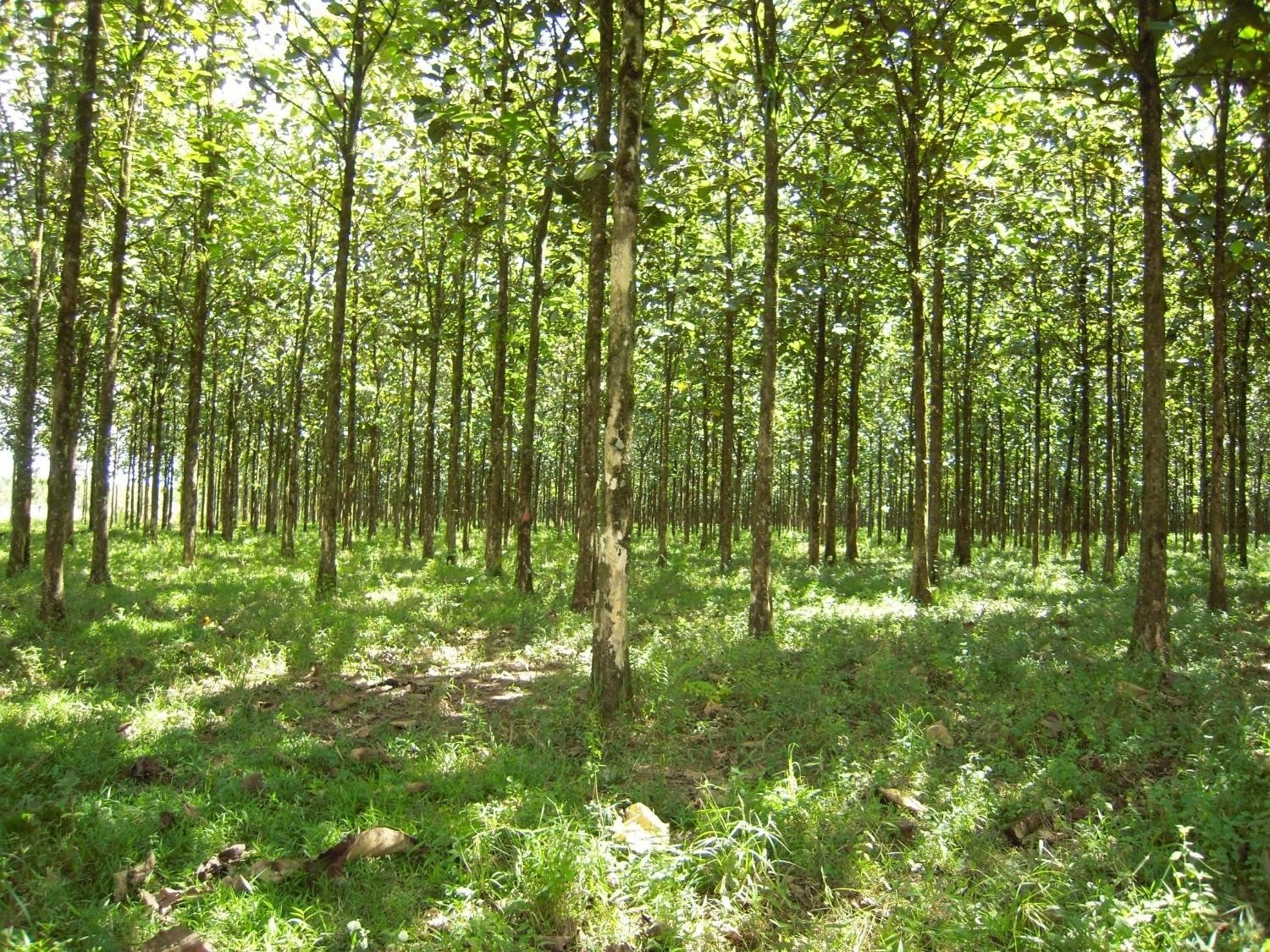
Greener futures begin with every seed planted across Indian states (Photo: Twitter)
For instance, forests are being revived along the Ganga river as part of a broader clean-up project. Urban municipalities now include green buffers as part of their master plans, and smart cities incorporate tree canopies for shade and carbon absorption.
The idea is to make afforestation part of everyday governance rather than an annual formality. With forest-based livelihoods being secured through training and micro-credit, rural populations also view these efforts as economic opportunities. India’s focus has expanded to include agroforestry, where farmers are encouraged to grow trees alongside crops for better yield and soil health.
Looking Ahead with Renewed Commitment
India’s afforestation campaigns have gone through several phases of reform, reflection, and renewal. While the initial years focused heavily on numbers, the current approach leans more toward sustainability and ecosystem health.
From better species selection to long-term monitoring, the country has introduced a range of improvements that are helping bring real change to forest cover and biodiversity. With increasing climate threats and the need for carbon sequestration, India will likely continue placing afforestation at the heart of its environmental planning.
Though challenges remain, the collective commitment from citizens, institutions, and international partners provides a solid base for continued progress. The success so far gives reason for cautious optimism, provided that the balance between planting and preserving remains intact.