
The health and wellness industry across India has experienced rapid movement in recent years, largely because of how fitness-focused businesses have redefined what it means to stay active.
These startups are no longer just providing gym memberships or selling protein shakes. They are making technology an essential part of personal fitness goals and are introducing fresh ways to encourage healthier routines.
From mobile applications that guide workouts to platforms that offer real-time data about physical performance, these businesses are no longer working in isolation. They are working with healthcare professionals, nutritionists, and digital engineers to provide better services.

From gyms to apps the wellness game has changed across India (Photo: Alamy)
With the increased use of smartphones and easier access to high-speed internet, Indian consumers now demand fitness tools that are more connected, accurate, and reliable. There has also been a growing awareness about the benefits of maintaining a balanced lifestyle.
People want fitness advice that works for them, not just generic plans. This is where these new businesses are coming in strong. They are designing products and services for modern users who prefer flexibility and convenience without losing quality. Their growth is also being supported by rising investments and stronger demand for custom wellness experiences.
While many global companies have entered the Indian market, home-grown startups have quickly gained attention through their deep understanding of local habits and needs. Some have even expanded beyond borders, taking their services to other parts of Asia and beyond.
Fitness Goes Digital with Smarter Tools
One of the biggest steps taken by Indian startups in recent times is the combination of mobile technology with physical activity. Companies such as Cure.fit and HealthifyMe have created apps that combine fitness training, meal planning, and mental well-being into one experience.
These platforms do more than count steps or calories. They offer virtual trainers, personalised food suggestions, and meditation sessions that users can access any time of day.
Artificial intelligence plays a strong role in how these systems work. Through machine learning, these apps understand the user’s body type, progress rate, and preferences. This way, users are not pushed into the same routines as everyone else. Instead, they follow plans that grow with them, adjusting based on new goals or physical conditions.
Many of these platforms also allow real-time feedback during workouts. This means users can correct posture or adjust intensity while exercising, leading to better performance and fewer injuries. The convenience of doing all this from home or office has attracted thousands, especially during times when public spaces were limited.
Community Support Encourages Better Habits
Another major step forward taken by these startups is their use of social features. People now want to stay active with support from others, and many of these apps include groups, challenges, and leaderboards.
These additions create a feeling of belonging and push people to stay on track. Even when someone feels like giving up, seeing others progress can help them try again.
Companies such as Fittr and StepSetGo have focused heavily on building this kind of community-driven approach. They allow users to form teams, take on weekly challenges, and earn rewards for staying consistent. This brings a layer of accountability that traditional gyms often cannot match.
The idea is no longer just about burning calories. It is also about enjoying the journey, connecting with others who share similar goals, and celebrating progress as a group. These changes have helped many people stay active, especially those who might have given up without that extra push.
Expanding Beyond Tier-One Cities
While most digital fitness services started by targeting major urban centres like Delhi, Mumbai, and Bengaluru, they have since widened their reach. Startups are now making efforts to serve users in smaller cities and even rural communities. This wider coverage has become possible because of lower smartphone costs, better network coverage, and increased health education.
Companies are now producing content in multiple languages and offering offline features for places where internet access may be limited. This has opened the door for millions more users who want to stay fit but lacked the tools in the past. Instructors from local areas are also being included in the platform experience, allowing users to train with someone who understands their background.
By adjusting content to fit regional lifestyles and removing barriers such as cost or language, these startups are showing that fitness can be more than a luxury. It becomes something every person can reach, regardless of where they live.
Funding Pushes Innovation Forward
Investor interest in Indian health-tech startups has grown rapidly in recent years. With more money available, these companies are hiring better engineers, designing improved user interfaces, and entering new areas such as wearable tech and diagnostics. Venture capital has allowed founders to test different models and expand their services across the country without losing speed.
Funding has also helped with international expansion. A number of Indian fitness startups have moved into other countries in Asia, offering their tech-based services to customers who face similar challenges when it comes to fitness and health access. As more users adopt these systems, data collection improves, which then improves service quality.
Some startups are also forming partnerships with hospitals and insurance providers. These partnerships help bring fitness into the wider healthcare picture. For example, some companies allow users to share workout records or diet history with doctors to help them better understand long-term health patterns. This kind of cooperation between wellness and medical care points to a new way of staying healthy.
Personalisation Through Data and AI
Personalised health solutions are no longer just an idea. Indian startups are now offering detailed wellness tracking that adapts to the user’s daily patterns. These services gather data from wearables, food logs, sleep records, and activity levels to offer suggestions that match each individual’s condition. For example, someone recovering from an injury can receive a modified workout plan that supports healing without causing more strain.
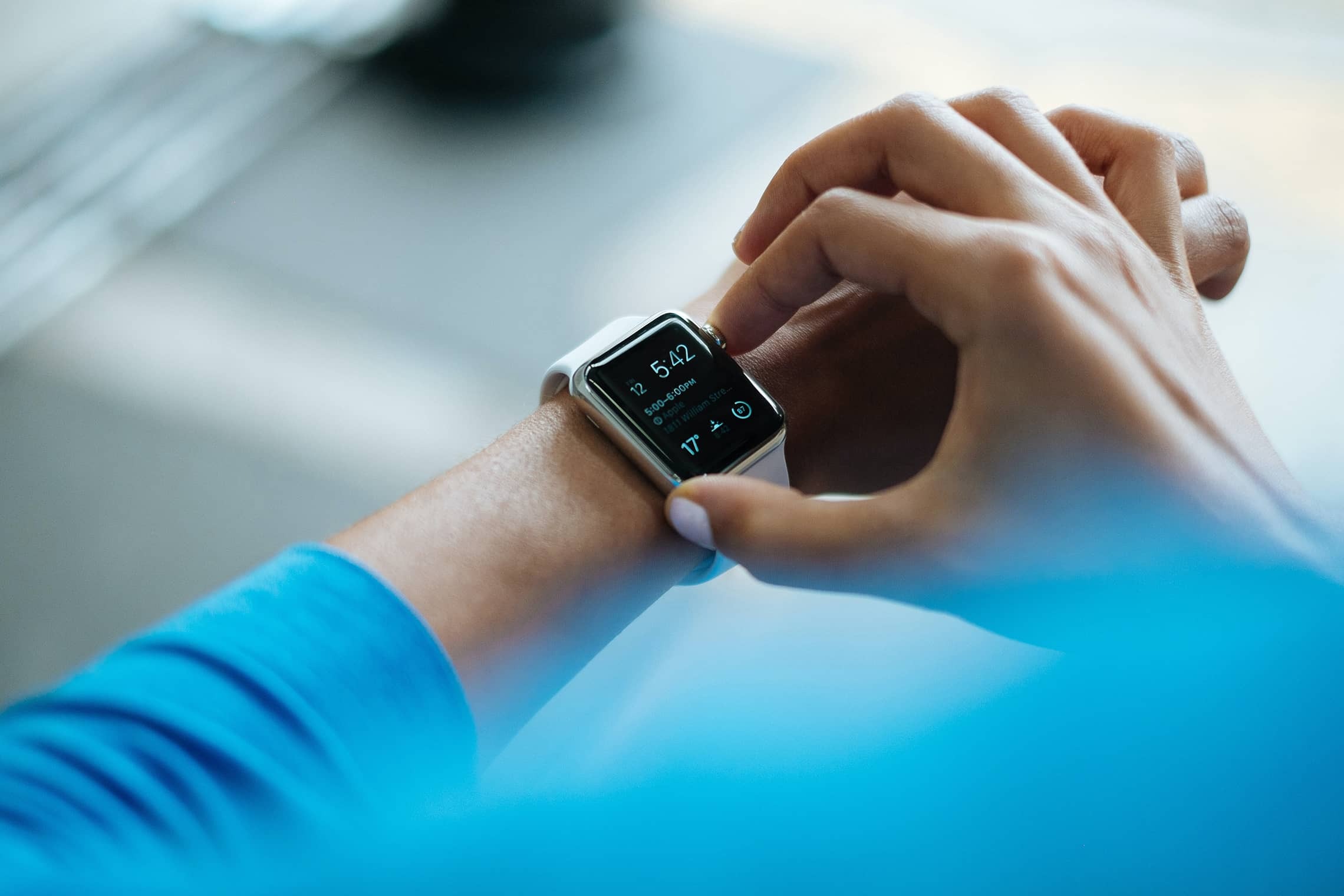
Digital platforms make wellness smarter and more connected than ever (Photo: Getty Images)
AI also helps in predicting risks and avoiding issues before they arise. For users with lifestyle-related conditions such as diabetes or high blood pressure, the app can adjust the exercise type, timing, and intensity to avoid danger. This is far beyond what traditional trainers or coaches could manage on their own.
By combining information from multiple sources, these businesses help users make better choices without stress. The result is a more confident and educated fitness journey.
New Trends in Wearables and Fitness Gear
As people begin to take more control over their wellness, many startups have also moved into the space of fitness devices. From smartwatches that measure heart rate and oxygen levels to clothing fitted with sensors, Indian companies are bringing these innovations to the market in fresh ways.
These products are becoming more accurate and user-friendly. Data collected from them can now feed directly into mobile apps, providing full control and real-time progress reports. Some even alert users when their body shows signs of fatigue or dehydration.
Startups are also designing equipment that works better for Indian bodies and environments. Items such as sweat-resistant bands, portable resistance tools, and foldable home gym kits are now being offered at affordable prices. These developments allow people to train wherever they are, whether at home, in a park, or while travelling.
Wellness is Becoming a Daily Practice
One of the most important effects these startups have had is the way they have changed people’s daily choices. It is now easier for someone to include short movement breaks during work hours or follow a healthy recipe using guidance from their app. This change toward frequent but simple routines has been welcomed by both young professionals and older users alike.
The focus has moved away from occasional fitness bursts to regular health-minded habits. Whether through morning walks logged on the app or guided stretching sessions during lunch breaks, users are showing more interest in steady improvement. Many even begin their day with motivational tips or evening wind-down sessions to reduce stress.
The result is a fresh way of looking at wellness. It is no longer treated as a temporary goal but part of everyday behaviour.