
Public conversations around mental health have grown steadily in recent years, yet challenges remain in several regions, including India. While medical advancement has provided improved treatments for physical health conditions, psychological well-being still receives far less attention.
Mental health concerns do not show themselves through visible injuries, yet they affect individuals’ lives just as deeply. Issues such as depression, anxiety, and stress-related disorders continue to influence families, workplaces, and communities, often without being addressed.
In India, a mixture of traditional beliefs, lack of education on mental well-being, and social pressures have created an environment where seeking help is often delayed or avoided. People experiencing emotional strain or psychological discomfort may remain silent for fear of judgment, rejection, or exclusion.

Advocates push for open conversations in a culture shaped by silence (Photo: Alamy)
Without proper support, symptoms may grow worse, affecting relationships, productivity, and self-esteem. This reality has pushed advocates and professionals to call for greater public awareness and access to support systems.
Several parts of Indian society still treat conversations about psychological health as taboo. There is also limited access to trained professionals, especially in rural or underfunded regions.
Children, teenagers, adults, and the elderly are all vulnerable to different emotional issues, but support structures remain uneven. Addressing this situation requires collective effort from educational institutions, religious organisations, government agencies, and everyday citizens.
Influence of Cultural Perceptions on Mental Health Conversations
Cultural values strongly affect how people react to emotional challenges. In India, many people grow up with the belief that emotional suffering must be endured quietly or overcome through prayer, discipline, or family advice alone.
This creates a situation where seeking therapy or counselling may be viewed as a sign of weakness or personal failure. As a result, even individuals who can afford professional help may avoid it, fearing they will be misunderstood by relatives, neighbours, or colleagues.
Religious beliefs, while providing comfort in some cases, have also contributed to the idea that mental distress is spiritual punishment or the result of bad karma. Such views discourage individuals from treating psychological issues as health-related matters that deserve proper care.
Changing this outlook will take time. It begins by including mental health education in school programmes and public outreach. Through open discussions and sharing real-life experiences, more people will understand that these challenges are common and treatable.
The Effect on Young People and Students
Among young people in India, the pressure to succeed academically and professionally has reached an intense level. Expectations placed by parents, relatives, and society can create unbearable stress. Many students feel isolated, overwhelmed, or anxious, particularly during board exams, entrance tests, or university admissions.
Social media has also created new problems. Online comparison, bullying, and unrealistic portrayals of success affect how teenagers and young adults view themselves. Unfortunately, very few schools have dedicated counsellors or mental wellness programmes.
Some students may display signs of emotional trouble through changes in behaviour, withdrawal from activities, or declining academic performance, but these signs are often ignored or misunderstood.
To support this age group, schools and colleges must include trained professionals who can identify early symptoms and offer proper care. Families must also be encouraged to listen without judgment and offer emotional backing rather than pressure.
Workplace Mental Health and Professional Stress
In professional spaces across India, long hours, strict deadlines, and pressure to deliver results have taken a toll on many workers. From corporate sectors to manual labour, emotional strain affects both white-collar and blue-collar professionals. Burnout has become a growing concern, yet most companies do not prioritise employee wellness unless it starts affecting profits or output.
Employees who show signs of fatigue, depression, or lack of motivation may be dismissed as lazy or unproductive. Many are afraid to speak about their difficulties with human resources, fearing it will harm their career progress. This silence deepens the emotional burden and may lead to more severe outcomes over time.
Introducing mental health policies within company structures can reduce this problem. Offering stress management workshops, free counselling sessions, and flexible work arrangements can improve both morale and long-term performance.
Role of Government and Policy-Making in Addressing Mental Health
Laws and policies can help build the support needed for mental wellness, but action must follow intention. The Indian government has introduced the Mental Healthcare Act of 2017, which was created to ensure people have access to treatment and protection from discrimination. However, awareness about this law remains low among the general population.
Budget allocation for mental health in India is still far below what is needed. Government hospitals often lack enough professionals, beds, and medication to serve everyone in need. Mental health is usually treated as an afterthought rather than as a priority. As a result, people with serious conditions often go untreated or receive care only after reaching crisis point.
To bring improvement, public funding must support training of psychiatrists, psychologists, and social workers. Awareness campaigns can also help inform people about their rights and available services.
Community Support and Role of Families
In Indian communities, family plays a central role in the lives of most individuals. While this can be a source of strength, it can also be a reason why mental health remains ignored.
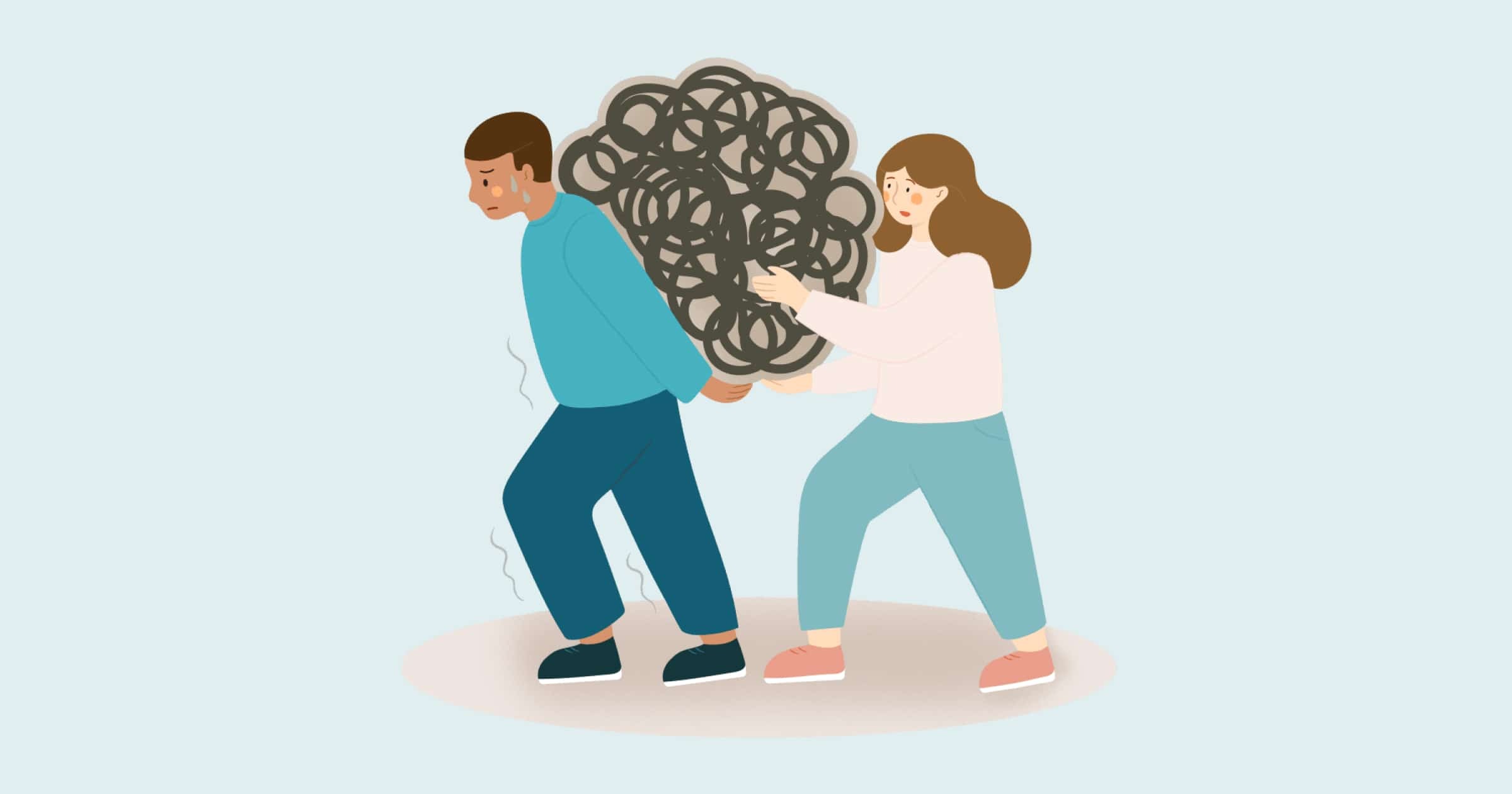
Stigma keeps too many from seeking the help they truly need (Photo: Twitter)
Families often fail to recognise symptoms of depression or anxiety, mistaking them for laziness or bad behaviour. Many individuals suffering from emotional issues are told to be strong or keep their problems to themselves to avoid bringing shame.
However, families can also become the first line of support if they are educated about emotional well-being. Listening with empathy, seeking expert advice when needed, and showing patience can lead to better recovery outcomes. Communities should also create local centres or informal support groups where people feel safe to talk without fear of being judged.
Faith-based groups, women’s collectives, and self-help circles can also provide comfort when professional services are not easily available. The idea is to replace silence with support and allow space for healing.
The Need for Early Intervention and Education
Introducing education about emotional well-being from an early age can help prevent problems from growing worse. Children should be taught how to express their feelings, recognise stress, and understand that seeking help is a sign of strength, not failure. Schools that include these subjects in their curriculum are more likely to raise individuals who care about both their own well-being and that of others.
This early introduction also encourages boys and girls equally to view mental wellness as part of normal life. Removing shame from such conversations allows for healthier growth, better relationships, and improved confidence. Parents and teachers must work together to model supportive behaviour and address emotional problems without blame.
Widening Access to Mental Health Services Across India
Access to treatment remains uneven across India, with urban centres having more therapists and counsellors compared to rural areas. Those living in small towns or villages often have to travel long distances to reach a hospital or clinic with psychological services. In many cases, even when such facilities exist, social pressure discourages people from visiting them.
Telehealth services have helped reduce some of these barriers. With phone-based counselling and online therapy sessions, people can now receive care without needing to leave their homes. However, these services must be made affordable, secure, and culturally sensitive.
Public-private partnerships can also help create mental health centres in low-income areas. Non-governmental organisations already play an active role in this area, and they can be supported with funding and training to expand their reach.
Greater understanding of emotional well-being helps communities grow stronger. By improving access, encouraging open discussions, and investing in support systems, India can take bold steps toward making mental wellness part of everyday life rather than a hidden issue. Everyone deserves the chance to feel heard, supported, and healed—no matter their background or income level.