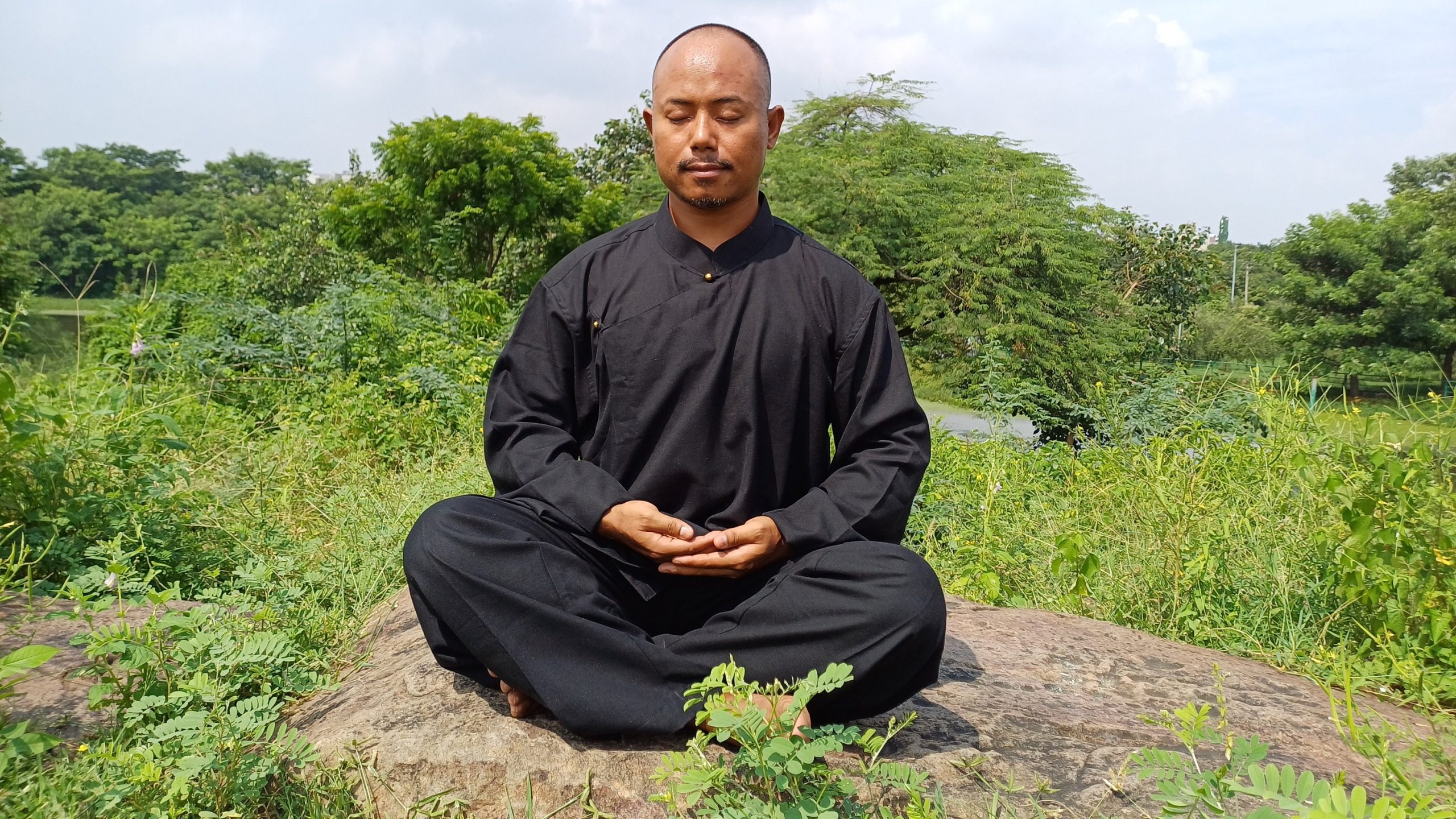
Many Indians, especially in recent years, have started giving more attention to inner peace and mental stillness through daily practices. What used to be a private activity for a few has now gained wide attention, reaching people of different ages and walks of life.
Across urban and rural spaces, individuals are adopting techniques that once remained within spiritual communities and traditional teachers. This change reflects changes in how people view mental and emotional health, especially as daily routines grow more demanding.
The growth of mobile apps, online classes, and wellness retreats has given more people access to these practices. With increasing interest from younger generations, what used to be reserved for elderly or religious groups is now being embraced by working professionals, students, and even children.

Breathing in silence, one student at a time, across Indian classrooms (Getty Images)
This change has also affected healthcare advice, workplace culture, and education systems, where people now understand that mental calmness contributes to better productivity and improved well-being.
Although meditation has deep roots in Indian tradition, recent interest has moved beyond religious or ritual settings. Now, people approach it for personal reasons—some seek relaxation, others want to manage stress, while some just want quiet time in their day. The modern version of this practice still honours its origins, but its uses have widened in many ways.
Increased Presence in Educational Institutions
A number of Indian schools have started including quiet sessions during the day, where students are encouraged to sit still and focus on breathing. These sessions are often held before lessons begin or after lunch, helping learners settle down and reduce restlessness. Teachers have reported better attention during classes and fewer behavioural disruptions when these practices are introduced regularly.
Some universities have also followed suit by offering optional sessions on campus. These are often organised by student clubs, wellness centres, or visiting instructors. For young people dealing with academic pressure or personal challenges, having a calm moment during the day provides relief without relying on medication or external help.
Parents and guardians who have noticed the positive effects now support the inclusion of these exercises in school routines. Many believe that introducing it at an early age may reduce anxiety, improve discipline, and develop emotional balance over time.
More Companies Embracing It at Workplaces
Private firms and even government offices have started offering guided sessions to help employees manage daily stress. Some companies organise weekly group sessions, while others give access to online recordings or mobile-based guidance that workers can use during breaks. Human resource departments now include it as part of wellness programmes, along with gym access and health check-ups.
For those who sit for long hours in front of screens or deal with high-pressure tasks, a few minutes of silent focus can make a big difference. Employees have reported improved concentration, less fatigue, and better moods after such breaks. Managers also say that these practices have led to fewer complaints about mental burnout and better cooperation among team members.
Startups especially have been quick to try out these options. With flexible work cultures and a young workforce, they often look for new ways to support mental and emotional well-being. Founders themselves sometimes lead these sessions or bring in trained guides.
Role of Digital Platforms and Influencers
The growth of online content has played a strong role in spreading interest. Mobile apps, video tutorials, and virtual group classes now make it easy for anyone to learn and practise from home. Several Indian platforms have created localised content in regional languages, helping people who prefer to learn in their mother tongue.
Influencers and public figures who promote health and wellness have also encouraged more people to try it. From Bollywood actors to cricketers, many have shared personal experiences and even posted videos of their routines. When familiar faces support something, it gives others confidence to try as well.
Social media channels continue to post short clips and tips, showing how one can include these moments of calm even during a busy day. Whether at home, in a car, or inside a crowded office, many people now find small pockets of time for this practice.
Traditional Roots Meeting Modern Needs
Though recent interest may seem new to some, the practice itself dates back thousands of years. India’s spiritual history includes various forms that encourage quiet reflection, inner awareness, and breath control. What has changed now is how people engage with it—less about rituals and more about personal gain.
Today’s users often combine older techniques with recent methods. While some follow guided audio sessions, others rely on silent sitting or chants. Many also combine it with light yoga or walking. The variety of styles allows each person to choose what suits their lifestyle and belief system.
It is also common to see wellness centres in cities offering courses that mix ancient knowledge with scientific research. These centres explain how steady breathing can help reduce heart rate, balance emotions, and bring better sleep.
Government and Institutional Support
Some government bodies have taken steps to support the practice through public health campaigns. A few states now include mental health awareness as part of their health outreach, encouraging citizens to find quiet time each day. Public broadcasters also air short clips and segments that guide viewers through basic techniques.
Health departments and school boards have considered suggestions to train teachers and staff, so they can guide students through basic routines. Some public hospitals have introduced optional sessions for patients who deal with anxiety, high blood pressure, or sleep disorders. These sessions are usually led by staff trained in psychology or traditional wellness.
In the last few years, large national events such as International Yoga Day have added sessions to raise awareness. These events, often attended by thousands both physically and online, have helped raise visibility and break the idea that this practice is only for religious or elderly people.
Growing Interest Among Youth
Teenagers and university students have shown a rising interest in learning how to manage their emotions, especially during exams or social challenges. Many have started forming small groups, where members meet weekly to sit in silence or follow guided instructions. These peer-led groups allow young people to support each other while building mental strength.

When busy minds pause, even workdays feel lighter (Photo: Twitter)
This change reflects a change in how youth deal with pressure. Instead of only relying on entertainment or distraction, many now value quiet time, personal reflection, and stillness. As social pressure and digital exposure increase, more young people are looking inward for balance.
Workshops, mobile applications, and short retreats are now created especially for students. These tools offer structured guidance while remaining flexible enough to fit into busy schedules.
Spiritual Centres Attracting Broader Audiences
Ashrams and retreat centres that once attracted mostly elderly or religious visitors now welcome a wider group. Visitors include tech workers, artists, teachers, and homemakers, all seeking calm and stillness. Some come for short weekend stays, while others attend longer sessions for deeper practice.
These centres often use both traditional and modern teaching methods. While old scriptures may still be read, instructors also use projectors, guided recordings, and scientific explanations. This mix has helped many overcome earlier hesitation and find value in the practice.
Several of these centres now run online workshops, making it easier for people across India and abroad to participate. As demand increases, more such centres continue to appear in towns and cities.
A Quiet Revolution Taking Root
The rising interest in this practice reflects a broader movement towards inner calm and personal stability. People from all walks of life now include quiet moments in their routines, helping them deal with stress and improve entire well-being. The effort is no longer limited to spiritual seekers or health enthusiasts—it has become part of daily life for many.
As more people share their experiences and find support from institutions, workplaces, and digital tools, this movement is expected to grow even more. What once remained within specific circles has now reached homes, offices, classrooms, and even public services.