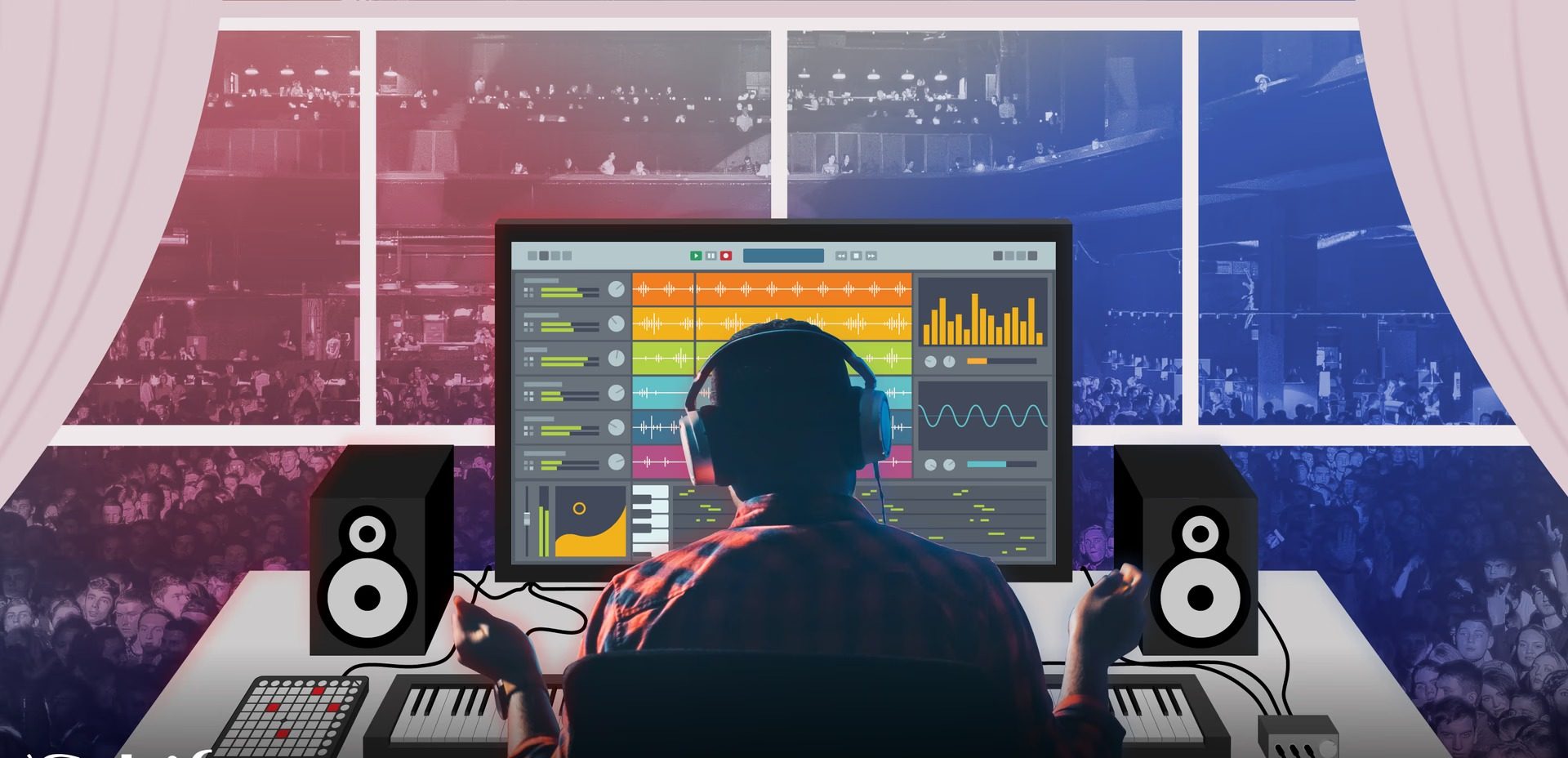
The rise of indie music in India has become one of the most remarkable developments in the country’s music scene in recent years. For decades, mainstream music, largely influenced by Bollywood, has dominated the airwaves and the hearts of Indian listeners.
However, with the emergence of the internet and the growing access to global music platforms, independent artists have begun to carve their own space in the industry, moving away from the commercial pressures that often define popular music. These indie musicians, representing diverse genres and languages, are now enjoying the freedom to experiment and present authentic musical expressions.
The transformation in the Indian music industry is undeniable. With the advent of streaming platforms such as Spotify, YouTube, and Apple Music, indie artists are no longer confined to local radio stations or limited by traditional distribution channels.

Global streaming platforms are empowering indie artists to reach fans far and wide (Photo: Getty Images)
These platforms provide artists with the opportunity to showcase their music to a global audience, breaking down barriers that once made it difficult for non-mainstream artists to reach wider recognition. The ease of access to these platforms has resulted in a growing number of independent musicians releasing their content and gaining followers, proving that there is an ever-expanding market for non-commercial music in India.
The growth of the indie music scene in India has also coincided with the increasing popularity of music festivals. These events, often centered around independent artists, have become major cultural touchpoints for young audiences in urban centres. They allow fans to experience live performances and connect with artists in a way that was not possible in the past.
Festivals like NH7 Weekender and Sunburn have played an important role in the promotion of independent music in India, providing a platform for both well-established and emerging indie artists. These festivals are not just musical events but cultural experiences that celebrate the diversity and creativity of India’s independent music scene.
Rising Popularity of Diverse Genres
India’s indie music scene is characterised by its wide variety of genres. Unlike the mainstream music that predominantly caters to Bollywood-style pop, indie artists have the liberty to investigate many musical traditions, fusing them with contemporary influences.
From rock, folk, and electronic to experimental and alternative genres, the indie music scene has become a melting pot of different musical styles. This diversity has allowed indie musicians to cater to a broader demographic, reaching people who may not resonate with the conventional Bollywood sound.
One of the outstanding things about indie music in India is the blending of regional sounds with global trends. Artists from different parts of the country, speaking various languages, have used their roots as inspiration for their music, while also incorporating international influences.
For example, Tamil indie artists are gaining recognition not only for their unique sound but also for their ability to combine traditional Indian melodies with Western music styles like jazz and blues. This fusion has garnered attention from listeners across the country and abroad and is proving that Indian music can stand on its own while maintaining its cultural identity.
Empowering Independent Artists
What sets indie musicians apart is the freedom they have in their creative process. Unlike mainstream artists who are often bound by the demands of music labels and producers, indie artists in India have complete control over their music.
They can produce, record, and distribute their songs independently, which allows for a more personal connection between the artist and the listener. This freedom has led to the production of highly innovative and raw music that resonates with fans on a deeper level.
The financial freedom that comes with independent music is also a major factor contributing to its rise. With the availability of crowdfunding platforms like Kickstarter and Patreon, many indie artists can fund their projects without relying on large record labels.
This has made it possible for musicians to create music that is authentic to their vision, without worrying about meeting commercial expectations. The financial independence of indie artists allows them to take risks, experiment with new sounds, and create music that reflects their personal experiences.
Social Media: The Game Changer
The role of social media in the success of indie music in India cannot be understated. Platforms like Instagram, Twitter, and TikTok have allowed musicians to promote their work and engage directly with their audience.
Social media has become an invaluable tool for independent artists to build a fan base, share their journey, and market their music without the need for a traditional record deal. The ability to communicate with fans and other artists has helped to foster a sense of community among independent musicians in India.
Social media platforms also serve as an excellent way for musicians to gain exposure. Many indie artists have used YouTube to showcase their talents, share their creative process, and even produce music videos that reflect their artistic vision.
This type of self-promotion has led to a rise in the number of indie music channels, which have built large followings, further cementing the change towards independent music. The rise of TikTok, with its short video format, has also allowed independent musicians to reach a wider audience in India, as people enjoy sharing their favourite songs and music videos on the platform.
Challenges Faced by Indie Artists
Despite the many opportunities available, indie musicians in India still face several challenges. One of the biggest obstacles is the lack of support from traditional music industry players, such as record labels, which can make it difficult for indie artists to gain a foothold in the market.
The absence of a large promotional budget means that many indie artists rely on word-of-mouth or social media to promote their work, which can be limiting in terms of visibility.

Indie music is making waves in India, offering authenticity and artistic freedom (Photo: Shutterstock)
Additionally, many indie musicians struggle with the lack of resources for high-quality production and marketing. While streaming platforms provide an avenue for distribution, they do not always offer the necessary support for producing music at a professional level.
For an artist who is just starting, the cost of recording, mixing, and mastering can be prohibitively expensive. As a result, many indie musicians have to take on multiple roles, acting as their producers, managers, and marketers. This can be time-consuming and takes away from their ability to focus purely on their music.
Another issue faced by indie artists in India is the challenge of reaching rural audiences. While urban centres have embraced indie music, it remains less accessible to listeners in rural areas where access to the internet and streaming platforms is limited.
This digital divide makes it difficult for indie artists to reach a wider demographic, especially those who do not have the means to listen to music online. For many indie musicians, expanding their fan base beyond urban centres remains a challenge, as they must find ways to bridge this gap.
A Bright Future for Indie Music in India
Despite the challenges, the future of indie music in India looks promising. As more people embrace streaming services and discover new music, indie artists have the chance to expand their reach and continue to grow their fan base.
The increasing number of music festivals and live performances also creates opportunities for indie musicians to showcase their talent on a larger scale. However, as the music industry becomes more diverse, the demand for unique and authentic music is only expected to rise.
The success of indie music in India is not just about the music itself but about the cultural change it represents. It reflects a growing desire for creative freedom, individuality, and a break from the mainstream.
Indie music is empowering artists to tell their stories and express their emotions in ways that are not constrained by commercial interests. This movement has already started to change the world of Indian music, and its influence will continue to grow, as more and more artists are encouraged to take the leap and create the music they truly want to make.
In the years to come, indie music will likely continue to thrive in India. The rise of new technologies and platforms, the increasing number of music festivals, and the growing demand for diverse musical expressions will all contribute to the expansion of the indie music scene.
As Indian audiences continue to embrace the unique sounds of independent artists, the genre is poised to become an integral part of the country’s music industry. For musicians, it represents a world of opportunity, creative freedom, and a chance to shape the future of Indian music in their image.