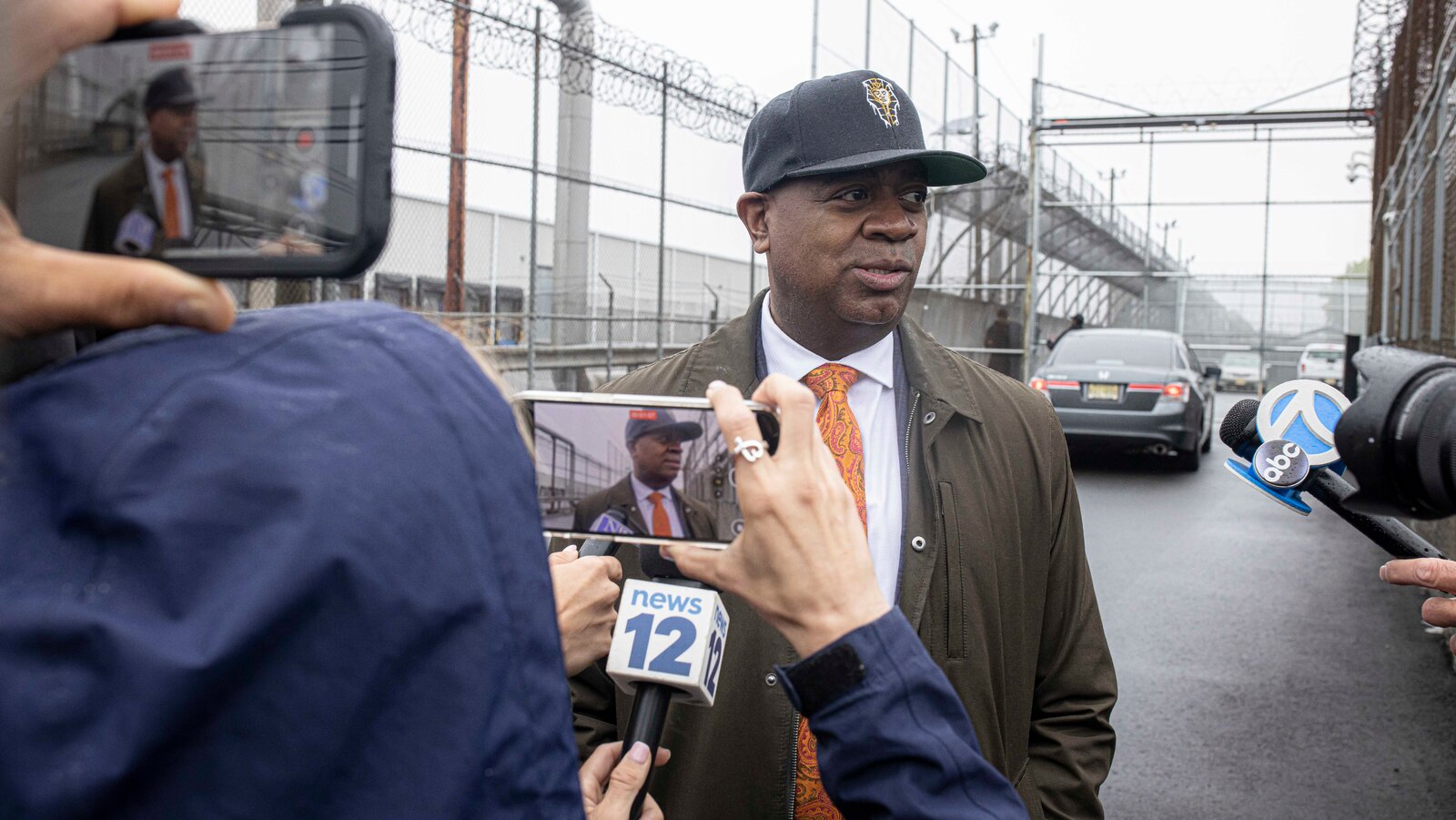
Newark Mayor Ras Baraka was detained by Immigration and Customs Enforcement (ICE) on Friday outside Delaney Hall, an ICE detention center in Newark, New Jersey. He was released later that evening and insisted he “didn’t do anything wrong.”
Baraka stated he was not protesting but attempting to serve a lawsuit to the facility, which he claims has violated city inspection laws. Despite this, ICE officials arrested him after alleging he trespassed on federal property.
Baraka’s detention comes amid heightened tensions surrounding President Donald Trump’s aggressive immigration enforcement policies during his second term. The administration has used the Alien Enemies Act to justify broader detentions and deportations of noncitizens.
Deportation practices, particularly involving families and children, have drawn national scrutiny, with DHS defending its stance. Baraka’s actions were framed by some as part of the broader resistance to these policies.
Baraka’s Arrest Sparks Heated Debate Over Law, Oversight, and Civil Rights Protections
Baraka’s arrest ignited strong responses from both political allies and opponents. Alina Habba, acting U.S. Attorney for New Jersey, accused Baraka of ignoring multiple warnings and declared, “No one is above the law.”
Meanwhile, Baraka and other officials had gathered outside the detention center, demanding oversight of the conditions inside. His critics argue that the mayor broke the law; supporters claim he was exercising oversight rights as an elected official.
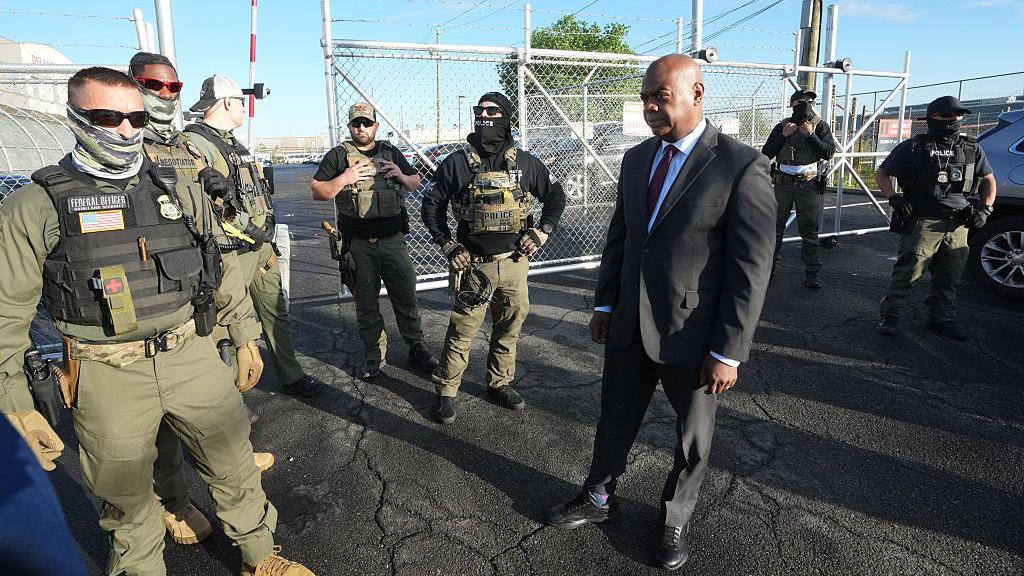
Newark Mayor Ras Baraka’s Arrest by ICE Sparks Legal Showdown and Political Uproar
Speaking with CNN, Baraka described the arrest as “humiliating and painful,” though he noted that ICE agents treated him respectfully. He emphasized that he never received a formal order to vacate the premises and believed his actions were lawful. Baraka said he ultimately agreed to accompany ICE agents to avoid escalating the situation further. He firmly denied trespassing or causing disruption and stated he had no regrets.
Public Outcry and Political Fallout Over Baraka’s Arrest Fuels Immigration Policy Debate
The incident sparked commentary from organizations and political figures. The GEO Group, which operates Delaney Hall, defended its facility and accused New Jersey officials of political interference. In contrast, the ACLU of New Jersey condemned Baraka’s arrest as part of the Trump administration’s intimidation campaign against public officials challenging its immigration agenda. Governor Phil Murphy expressed relief at Baraka’s release, asserting he should never have been detained.
The future legal consequences for Baraka remain uncertain. His arrest has intensified debate about the legality of ICE operations and the role of local officials in federal immigration enforcement. As Baraka campaigns for New Jersey governor, the incident could become a focal point in the state’s political discourse.
Questions continue around whether his arrest was justified or a politically motivated overreach, as supporters push for accountability and transparency in ICE practices.