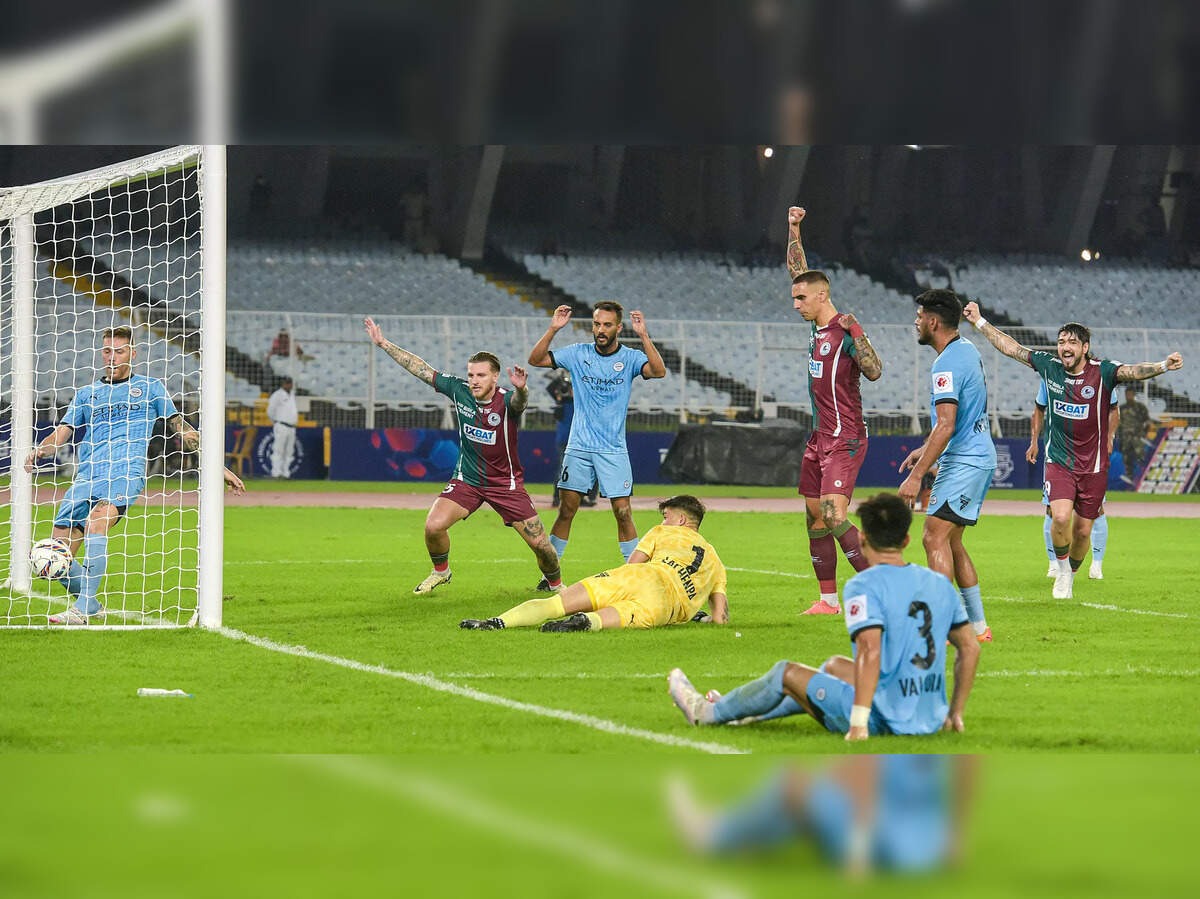
Football’s rapid rise in India is no longer a matter of speculation. The last decade has seen remarkable growth in interest, participation, and investment in the sport, particularly through the Indian Super League (ISL).
As the ISL celebrates ten years of existence, it is important to reflect on the achievements and transitions that have defined Indian football since the league was introduced. From humble beginnings to an increasingly professional setup, the progress made so far speaks volumes about the country’s drive to be counted among emerging footballing nations.
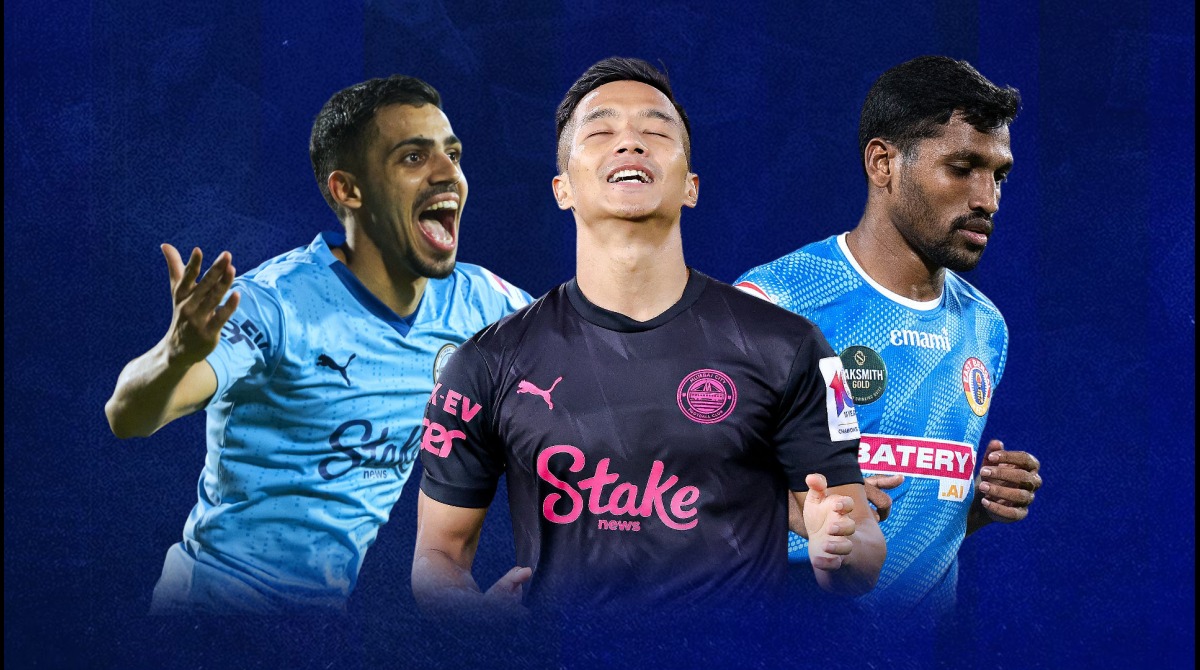
Star power and passion lit up stadiums across Indian cities (Photo: Getty Images)
History
Comparisons have often been drawn between India’s football development and that of the United States, especially in how both countries treated football as a secondary sport for many years.
Yet long before the ISL was launched, India had already produced footballers who left a lasting impact. Legends like I.M. Vijayan, Bhaichung Bhutia, and Sunil Chhetri had already etched their names into public memory, keeping the spirit of the sport alive even when attention was limited.
Efforts to create a fully professional league started with the National Football League in 1996. However, the league failed to gather momentum and had to be discontinued in 2006.
It was soon restructured into what became known as the I-League. Although this change did bring about improvements, it wasn’t until the emergence of the Indian Super League in 2013 that interest among fans and stakeholders grew substantially.
The Creation of the Indian Super League
The launch of the ISL came about through the partnership between IMG Reliance (now called RISE), Star Sports, and the All India Football Federation (AIFF). The Reliance Group, under the leadership of business mogul Mukesh Ambani, played a central role in financing and shaping the ISL project.
At its launch, the league had eight participating teams, each representing major Indian cities. These clubs attracted a diverse group of investors. Former cricket superstar Sachin Tendulkar backed Kerala Blasters, while popular Bollywood actors like Salman Khan, Ranbir Kapoor, and John Abraham supported Northeast United, Mumbai City FC, and FC Pune City, respectively.
International involvement also began early, with Atlético Madrid entering as co-owners of Atlético de Kolkata. Years later, Mumbai City FC became part of the global City Football Group portfolio, adding further credibility and financial muscle to the league’s ambitions.
The inclusion of personalities from entertainment and sports helped spark interest among fans. Adding to the excitement were the high-profile foreign players signed in the early years, a tactic borrowed from similar leagues elsewhere.
Luis Garcia, who previously lifted the Champions League trophy, became the first marquee player when he joined Atlético de Kolkata. He was soon followed by globally recognised stars such as Robert Pires, David James, Freddie Ljungberg, Alessandro Del Piero, Joan Capdevila, and David Trezeguet.
These big names not only raised the league’s profile but also brought thousands of fans to stadiums, eager to see these international stars perform. Their presence helped put the ISL in the public eye and added prestige to the domestic competition.
Early Issues
The ISL’s first few years were not without challenges. During the initial three seasons, the league lacked recognition from both FIFA and the Asian Football Confederation. As a result, participating clubs were barred from continental tournaments such as the AFC Champions League and AFC Cup. Also, the ISL and the I-League ran as separate entities with no direct path between them.
A key concern was the absence of a promotion and relegation structure. Although this model provided financial stability for ISL clubs, it also restricted the chances of long-established teams from the I-League to join the ISL based on merit. Such a setup created division within the domestic football system.
Guided by consultations with both the AFC and the AIFF, structural reforms were eventually introduced. The ISL and the I-League were synchronised into a unified football structure. This reorganisation made the ISL the top-tier competition and granted its clubs access to participate in the AFC Champions League.
Synchronising both league schedules also created room for a more coherent football calendar. These efforts helped bring about a stronger competitive environment that was previously lacking.
Emphasis on Youth Development
As the ISL began to solidify its role at the top of the Indian football pyramid, there was a change in focus towards grooming young talents. Moving away from an over-reliance on foreign players, the clubs were encouraged to invest more in the development of Indian youngsters, in line with the Premier One licensing standards required for AFC and AIFF-sanctioned competitions.
These licensing requirements go beyond performance and include infrastructural, legal, and financial benchmarks. Developing homegrown players was part of the long-term approach to improve club quality and reduce dependency on imports.
Though international talent remained part of the league, local players started assuming greater responsibilities within their teams. In 2021, the Reliance Foundation Development League was introduced to provide a platform for players under 21 years of age. This league opened up opportunities for ISL academies and independent youth outfits to develop emerging talents.
Such initiatives feed into the broader plan known as Vision 2047, which aims to establish India as a competitive force in Asian football by the country’s centennial year of independence. The focus on grassroots growth ensures the pipeline of future players continues to be nurtured consistently.
Present Day League Structure
The merger between the ISL and I-League represented a turning point for club football in India. With this integration, the traditional model of promotion and relegation was introduced, allowing deserving clubs from the I-League to compete in the premier division. This development gave smaller clubs the incentive to invest and improve, knowing they had a route to the top.
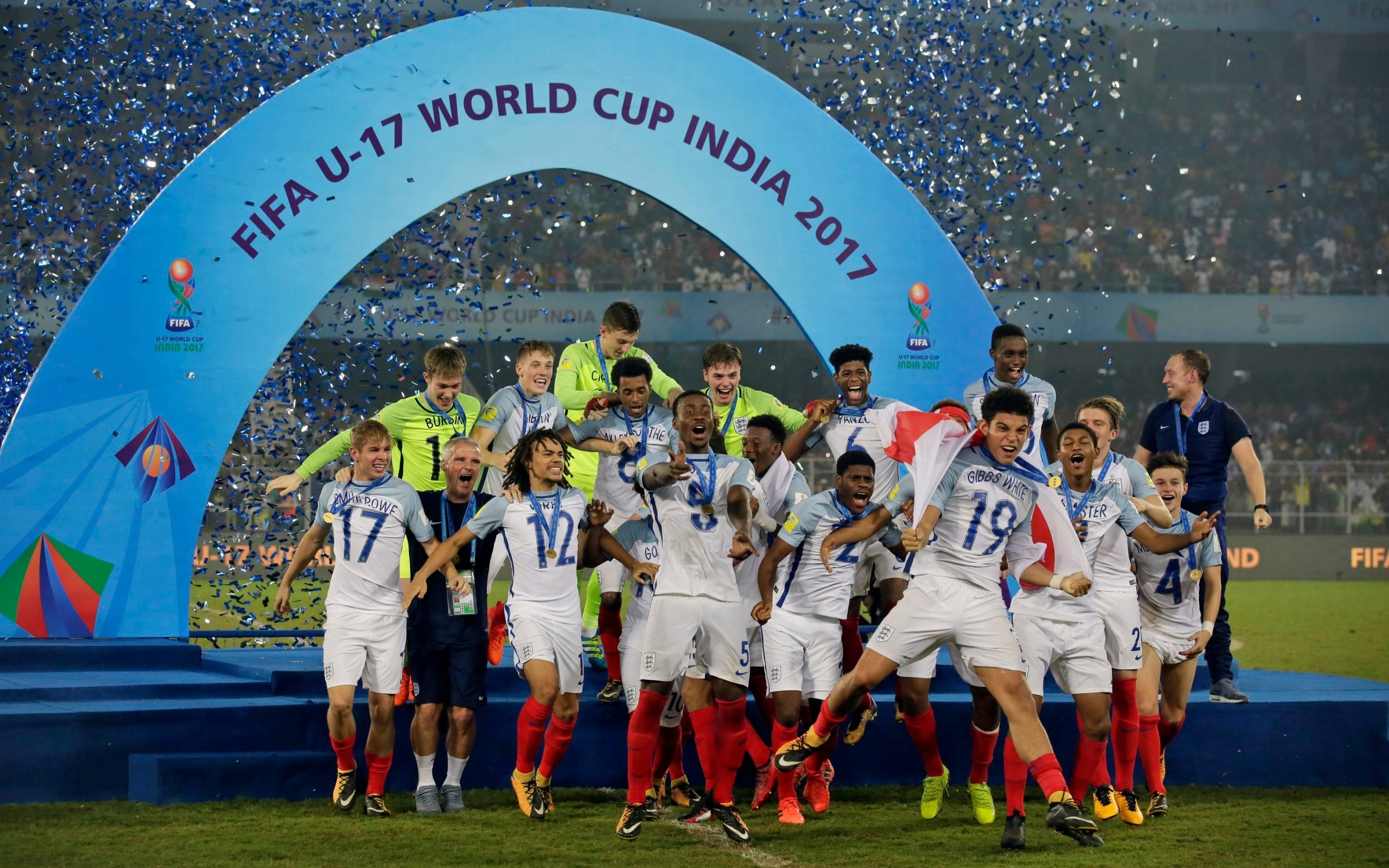
Global legends brought global eyes to Indian football (Photo: Twitter)
Recent expansions have further diversified the reach of the ISL. By setting up new clubs in previously untapped regions, the league has been able to connect with a broader fan base and foster enthusiasm in areas that were once considered outside the football map.
Clubs like FC Goa and Mumbai City FC have shown what is possible through sound management and sustained ambition. Both have qualified for the AFC Champions League, and Mumbai City FC is set to test its mettle against Al Hilal from Saudi Arabia in an upcoming fixture. Such matches present a unique opportunity for Indian clubs to gain exposure and build international experience.
Impact of Global Leagues on Indian Football
International football competitions continue to influence football in India in multiple ways. Although the ISL has built its own identity, attention remains firmly fixed on leagues such as the Premier League, La Liga, and the UEFA Champions League. These competitions enjoy massive television viewership and dedicated fan followings across India.
Aspiring footballers in India frequently look up to global icons like Lionel Messi, Cristiano Ronaldo, Kevin De Bruyne, and Kylian Mbappé. Their achievements offer motivation for local players aiming to reach higher levels of the sport.
At the same time, the popularity of foreign leagues has pushed Indian clubs and governing bodies to invest more in youth academies and sports infrastructure. There is a growing effort to reduce the performance gap between Indian teams and their international counterparts.
A strong example of this developmental cooperation is the Next Gen Cup, hosted under the Reliance Foundation Premier League umbrella. This competition involves clubs from India, South Africa, and the United Kingdom. By enabling youth teams from these countries to compete in a professional setting, the tournament fosters learning and prepares the players for future challenges.
Such tournaments also reflect long-term efforts to raise the standard of football in the country. As India looks ahead, the emphasis remains on nurturing young players and providing them with competitive environments that will shape them into professionals capable of making a mark both domestically and abroad.