The Indian Premier League (IPL) has brought a remarkable change to cricket that no one can ignore. Since its beginning in 2008, it has shaken the foundations of how cricket is played, watched, and managed around the world.
The way players perform, the money involved, and the fans’ excitement have all experienced new levels. What began as a local tournament has now grown to become a global phenomenon that has influenced cricket in many important ways.

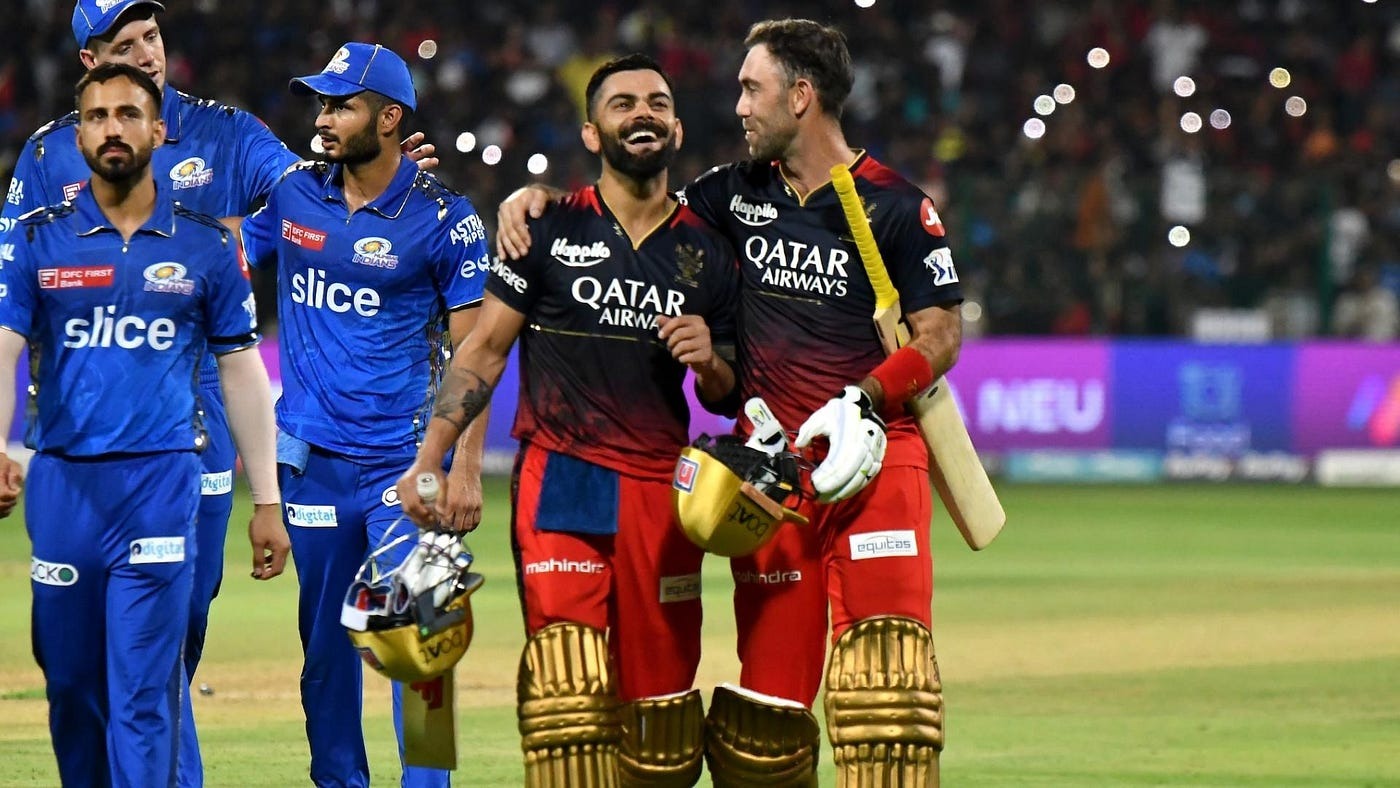
Twenty20 brought new energy and excitement to the game (Photo: Getty Images)
Restructuring Cricket Formats
Before the IPL started, cricket mostly focused on Test matches and one-day internationals, which often lasted hours or even days. The IPL introduced the Twenty20 format to a much larger audience, condensing the game into fast-paced, high-energy matches lasting just about three hours.
This shorter version captured the attention of people who might never have followed cricket before, bringing in a fresh crowd that enjoys speed, power hitting, and constant excitement.
The idea of finishing a game in one evening made it easier for fans to commit time and follow their favourite teams. This transformation changed the way cricket boards across the world began organising their own T20 leagues.
Commercial Boom and Player Earnings
The IPL opened up avenues for cricketers to earn money beyond traditional contracts with their national teams. Players from different countries now participate in the league, which has become one of the highest-paying sporting competitions globally. This financial boost gave cricketers a chance to focus more on their skills and fitness, knowing they have substantial earnings from the league.
The commercial success of IPL also attracted big sponsors, broadcasters, and advertisers who saw the tournament as a goldmine. The substantial television rights deals set new standards in cricket marketing, helping other leagues emulate the IPL’s business model.
Global Talent Exchange
One key impact of the IPL lies in the opportunity it creates for players from various countries to interact, compete, and learn from one another. This exchange helps to raise the quality of cricket worldwide.
Young players from emerging cricket nations get the chance to play alongside and against some of the best in the game, improving their skills and experience.
Veteran players also benefit from new challenges and fresh teammates. The IPL acts as a bridge, connecting cricketers globally in a professional yet competitive environment, allowing talent to shine irrespective of nationality.
Boost to Cricket Infrastructure and Technology
The league’s success encouraged investment in better cricket infrastructure, stadiums, and technology not only in India but around the world. High-definition broadcasting, advanced analytics, and player tracking systems have been integrated into the game, making viewing more engaging and helping teams improve their strategies.
The IPL’s model pushed other cricket boards to upgrade their facilities and embrace innovation, raising the entire standard of cricket operations internationally.
Expanding Fan Engagement
Before the IPL era, fan involvement mostly meant attending matches or watching on television. The league revolutionised this by using social media, digital platforms, and interactive campaigns that brought fans closer to the game.
Audiences now enjoy behind-the-scenes content, player interviews, and live updates through various channels, making the sport more accessible and personal. This new level of engagement helped grow cricket’s popularity among younger generations and created passionate fan bases for franchises, much like in football or basketball.
Influence on National Team Strategies
The fast pace and intensity of IPL games have influenced how national teams prepare and select players. T20 skills such as power-hitting, innovative bowling variations, and sharp fielding have become more critical even in longer formats of the game.
Coaches and selectors now give weight to performances in T20 leagues when deciding players for international matches. The IPL experience has helped players develop mental toughness, adaptability, and fitness levels required for modern cricket. This has led to more dynamic and aggressive styles of play across formats worldwide.
Challenges and Controversies
While the IPL has brought many advantages, it has also faced its share of challenges. Issues such as match-fixing scandals, excessive commercialisation, and player burnout have raised concerns. The intense schedule often puts pressure on cricketers, affecting their international duties.
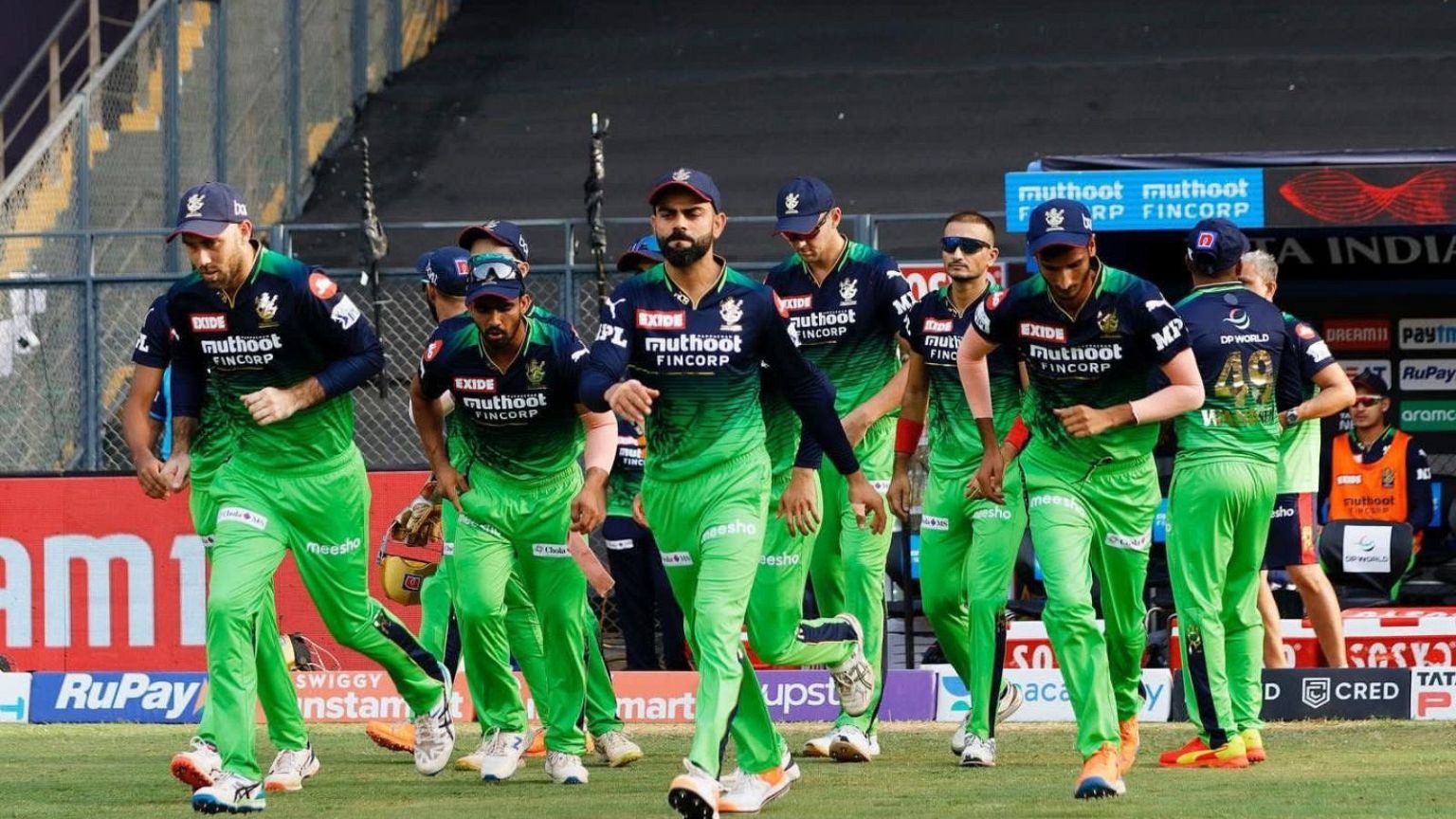
Fans found a new love for cricket in just three hours of action (Photo: Getty Images)
Additionally, balancing the IPL’s franchise interests with national cricket boards can sometimes lead to conflicts. Despite these hurdles, the league has continued to grow and adapt, learning lessons that help maintain its status as a leading cricket tournament.
IPL’s Role in Popularising Cricket Globally
Many countries that once had limited cricket followings now see the sport gaining popularity thanks to the IPL’s influence. The excitement, star power, and entertainment value have made cricket more appealing to audiences in the United States, Europe, and Asia outside the traditional strongholds.
New leagues have emerged, inspired by the IPL’s format and success, further expanding cricket’s reach. Through this process, the IPL has contributed to making cricket a truly global sport.
The Indian Premier League changed cricket by introducing a fast, entertaining format that attracted millions of new fans. It created new financial opportunities for players and opened doors for talent exchange across countries. Improvements in technology and infrastructure followed the league’s rise, and fan interaction reached a new level of intensity.
National teams adapted their approaches, reflecting the skills honed in the IPL. Even with some challenges, the league has maintained its position as a powerful force in cricket’s growth and appeal. The transformation brought by the IPL remains one of the most remarkable chapters in cricket history, influencing how the game is played and enjoyed worldwide.