
Foreign engagement in 2025 has become more focused for a rising Asian power that sits at a vital intersection of global trade, defence, and diplomacy. Rather than reacting to global developments, its strategy now reflects deliberate thought, calculated risks, and long-term planning.
This approach is more evident in the way it deals with its immediate neighbours and powerful economic blocs. Attention is now placed on ensuring that domestic growth and international influence are not treated as separate matters, but as connected aspects of a wider vision.
Relationships once taken for granted are now receiving fresh attention. Economic partnerships are no longer based purely on trade numbers.

Foreign policy now mixes caution with strategic boldness (Photo: Getty Images)
Strategic value, security cooperation, and supply chain dependencies are playing larger roles in foreign dealings. These developments show that what used to be considered passive diplomacy has now transformed into a process that demands active shaping.
Strengthening Regional Presence Through Bilateral Engagements
Efforts toward building deeper ties with nearby countries have grown beyond formal summits and symbolic visits. More is being done to invest in physical infrastructure that connects borders, offers new trade routes, and strengthens regional stability. In South Asia and Southeast Asia, this nation is using roadways, digital frameworks, and energy links as means of building influence.
Rather than acting as a counterbalance to larger nations, this country is presenting itself as a dependable partner for regional development. With targeted investments and joint initiatives in transport, education, and public health, its standing in the region is not built on pressure, but on mutual benefit. The willingness to provide technical support and disaster relief has also strengthened bonds with smaller neighbours.
Responding to Changes in Global Power Equations
With the global stage constantly realigning, power blocs and alliances are becoming more fluid. This Asian country has responded by creating stronger links with major players on both sides of global issues.
It has grown closer to the United States through defence pacts and technology partnerships, while also maintaining trade relations with Russia and regional collaboration with China where necessary.
This balancing act requires careful timing and precise language. Military deals are designed to protect sovereignty, while trade agreements are shaped to avoid dependency.
By playing both economic and security roles in major groupings like the G20 and BRICS, it is choosing not to limit itself to one side. Instead, it maintains the freedom to act based on national interest without external pressure guiding its hand.
Technological Cooperation as a Core Diplomatic Tool
Beyond conventional diplomacy, scientific partnerships are forming a major part of foreign strategy. Countries seeking collaboration in artificial intelligence, digital identity systems, and space research now look toward this Asian power. This reputation was earned through consistent investment in local innovation, as well as the ability to scale up operations quickly.
Digital public infrastructure is being shared with allies, especially in developing regions. Several countries in Africa and Asia now use platforms and systems modeled after Indian technologies for banking, identification, and e-governance.
These moves are not just about branding or goodwill. They create dependencies that ensure continued cooperation and position the country as a leader in digital services.
Energy Security and Climate Diplomacy
Energy requirements are driving new foreign partnerships, especially with nations in the Gulf, Central Asia, and Africa. Securing long-term energy supplies while diversifying sources remains a top concern.
While oil continues to be a part of the energy basket, newer sources like solar and green hydrogen are being pursued in collaboration with global firms and government-backed consortiums.
This approach to energy diplomacy includes building cross-border pipelines, funding green projects in smaller economies, and participating in climate agreements not just as a signatory, but as a contributor of resources and technology.
The country also promotes solar alliances and climate-focused coalitions, using these efforts to showcase commitment while also gaining soft power advantages.
Managing Relations With Traditional Rivals
Where tensions have remained high for decades, the approach now appears to be one of firmness without escalation. Border negotiations and military talks are held without compromising on core issues, while public messaging remains measured. At the same time, backchannel talks and diplomatic silence are being used to reduce provocation without losing control of the situation.
With one particular neighbour, economic restrictions and visa bans were introduced without heavy rhetoric, letting policy actions speak. Cybersecurity and defense preparedness have also seen updates to counter threats without drawing unnecessary attention. The goal appears to be maintaining peace without giving room for misinterpretation of weakness.
Engaging With Multilateral Institutions Differently
Participation in global forums is no longer limited to attendance or support. This country has started to challenge old structures and call for better representation of developing countries. It has become vocal in pushing for reforms in institutions such as the UN Security Council and the WTO.
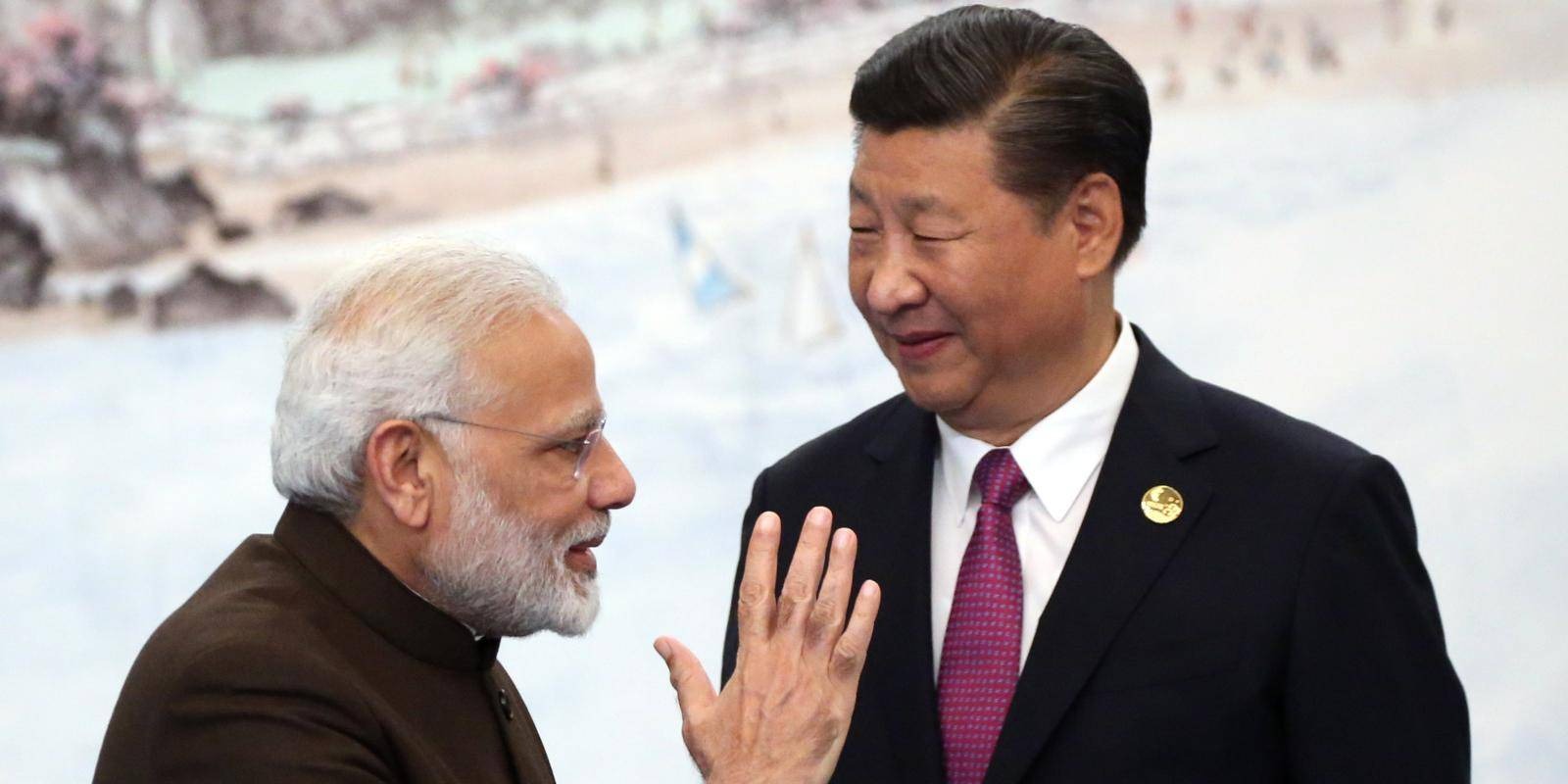
Bilateral talks take center stage in shaping cross-border influence (Photo: Alamy)
The current foreign approach pushes for results that reflect new power balances. While joining global initiatives on finance and development, it also leads alternative formats such as the Global South summits. These meetings provide space for like-minded countries to build proposals outside older power centres.
Foreign Policy Reflecting Domestic Goals
What happens inside the country now has a direct influence on how it deals with others. With a growing youth population, large digital footprint, and focus on manufacturing, its interests abroad reflect what is being pursued at home. The goal is to secure opportunities for citizens, especially in employment, education, and innovation, through foreign relationships.
This has led to new visa agreements, education tie-ups, and cooperation in pharmaceuticals and engineering. Governments and private sector players across continents are now engaging with Indian businesses and universities more actively than before. The external approach is no longer one-size-fits-all, but instead is tailored to serve specific economic sectors.
This foreign strategy for 2025 has moved beyond slogans and speeches. It has become a multi-directional plan that connects defence, trade, technology, energy, and people-to-people ties. By adjusting its position depending on the context, this country is no longer reacting to events but helping shape what comes next.
Rather than relying on old alliances or ideology, its decisions now reflect a clear alignment with national progress. Every handshake, agreement, or public statement is measured to protect interest, expand influence, and reflect readiness for the changing demands of global engagement. Through careful calculation and broader involvement, its place among world powers is being shaped not by force, but by choice.

