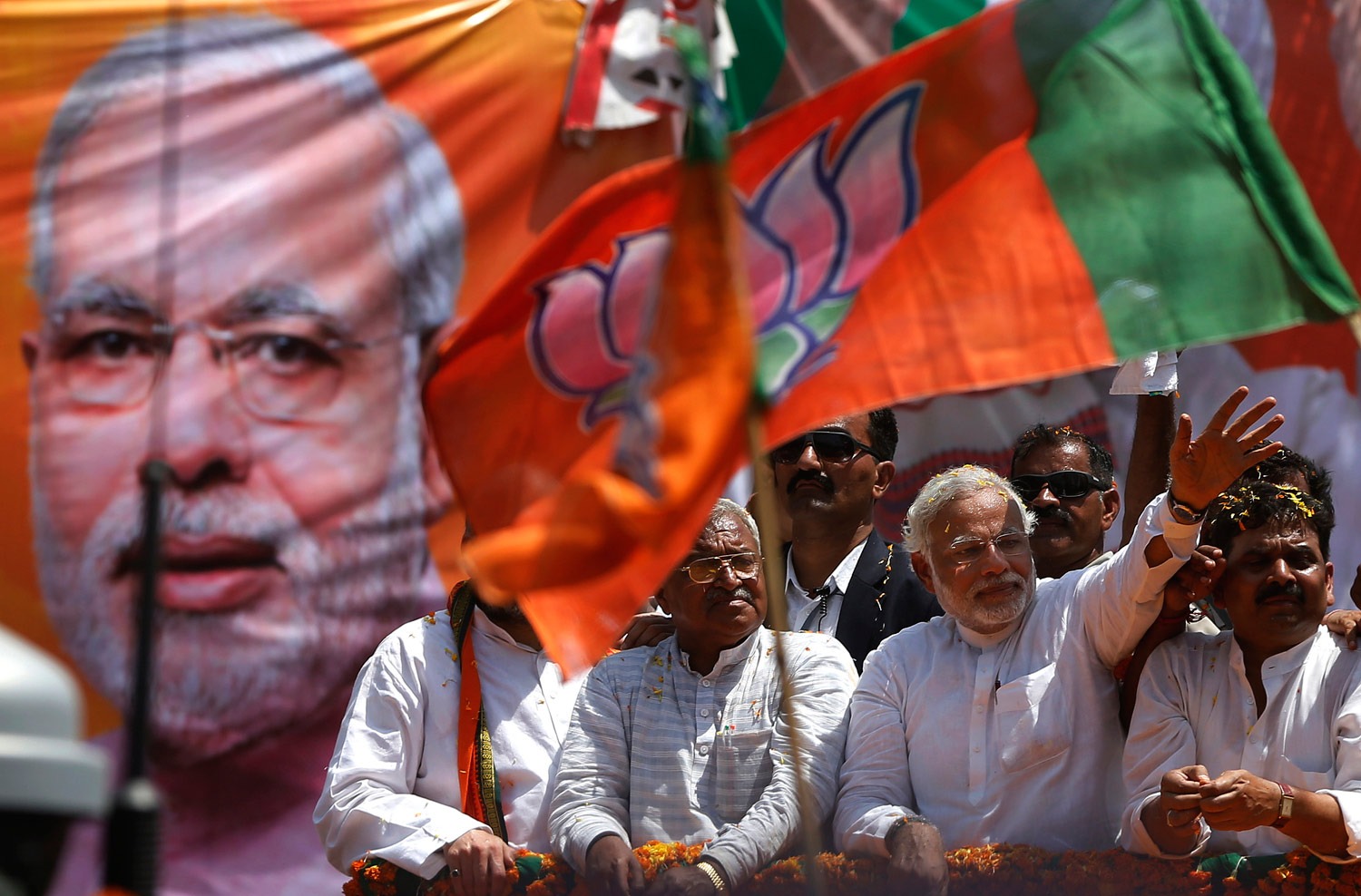
From a country that gained independence in 1947, the growth of a democratic system built on constitutional values and electoral representation has drawn attention across continents.
With one of the largest populations on earth, the steady functioning of a democracy in such a vast and diverse society offers lessons that continue to draw interest globally.
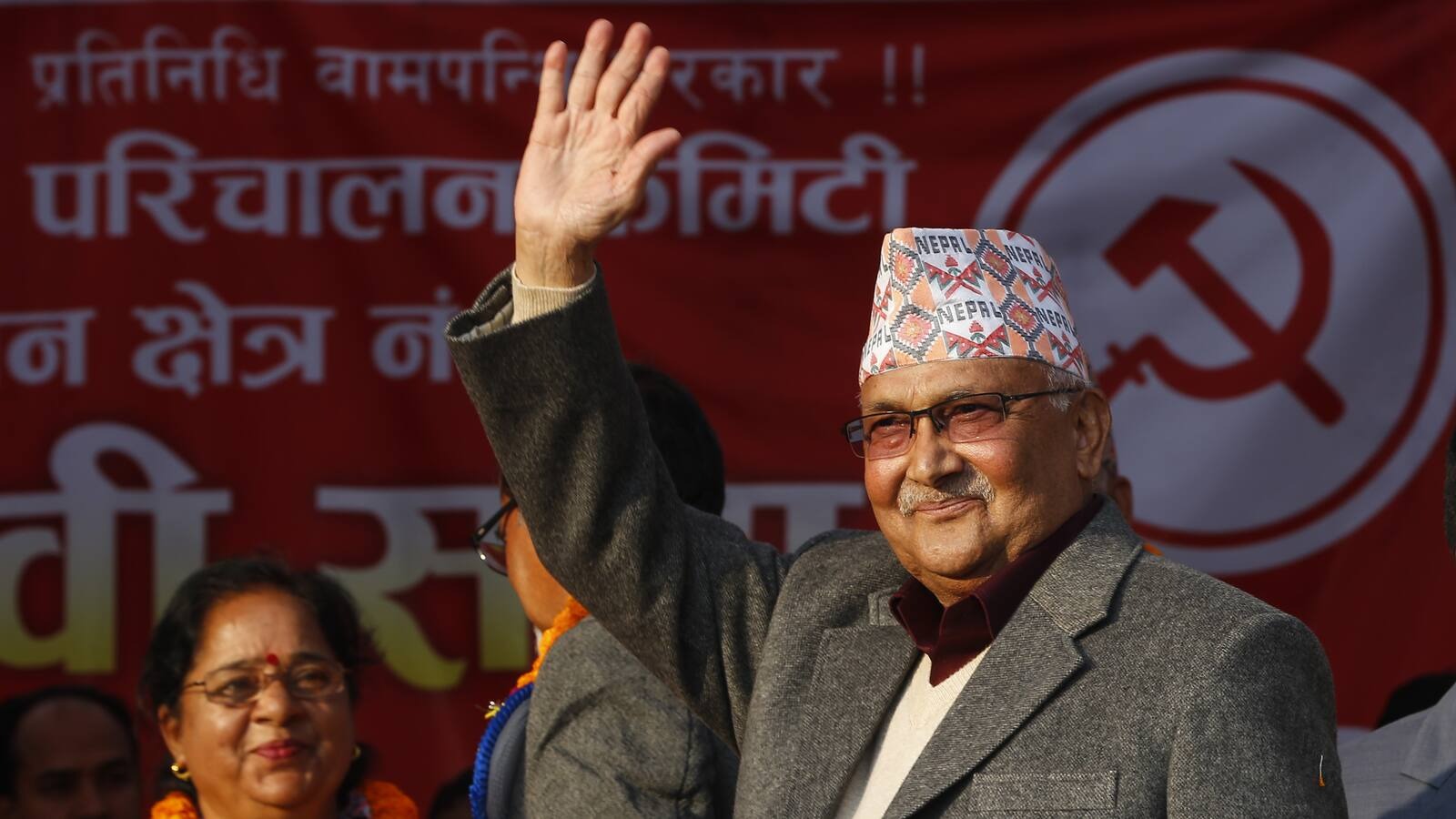
Ballots cast from bustling cities to mountain villages (Photo: Twitter)
What sets this model apart is not just the scale, but the consistent practice of holding elections, protecting civil liberties, and allowing a free press to operate despite the challenges that come with ethnic, religious, and linguistic diversity.
One main strength lies in how the country has held firm to the foundational ideals of equality before the law and universal adult suffrage. While some nations with fewer people struggle to conduct free and fair elections, this South Asian democracy has shown that it is possible to maintain electoral credibility even in areas with difficult geography or limited infrastructure.
It is this ability to keep democratic processes active in both rural and urban zones that has left a strong impression globally. Another dimension that strengthens interest is the peaceful transfer of power after every election cycle. Political parties, no matter how powerful, have stepped aside when defeated.
The judiciary, though not without criticism, has frequently played a role in checking the actions of the executive and legislature. These consistent patterns reinforce confidence in the institutional framework that holds the system together.
Foundation Rooted in the Constitution
The structure of governance was laid out clearly in the Constitution that came into effect in 1950. This document remains one of the lengthiest on earth, providing detailed guidelines on everything from fundamental rights to the powers of various levels of government.
It reflects careful planning to accommodate various social groups and ensure participation from different corners of the country. For a multi-religious and multilingual population, this careful planning ensured that no one region or community dominates the political system.
One of the major strengths is the concept of federalism which gives regional governments the right to manage their own affairs while still remaining part of a united country.
This system helps to maintain balance in regions with strong local identities. While the central government sets national policy, state governments have enough freedom to develop their own strategies on education, health, transport, and public safety.
The Constitution also includes provisions that encourage social justice. Policies such as reservation for historically disadvantaged communities were introduced to reduce social inequality. Though debates around such policies continue, their inclusion in the constitutional framework shows a commitment to improving access for those previously left behind.
Regular Elections and an Independent Election Commission
Since independence, the country has consistently conducted general elections without fail. These elections are managed by an independent body, the Election Commission, which has earned global admiration for conducting such massive operations with fairness and discipline. Voters have confidence that their voices matter and that the results reflect the will of the people.
The voting process is designed to reach even the most remote villages. Polling booths are set up in mountain areas, deserts, forests, and islands, ensuring every eligible voter gets an opportunity.
Security forces are mobilised to maintain peace during the election period, and observers are deployed to monitor the process. With more than 900 million eligible voters in recent years, such achievements cannot be ignored.
In many cases, elections are fiercely contested, and smaller parties have space to grow and challenge dominant players. This keeps the political field competitive and forces those in power to respond to public demands or risk being voted out. The presence of multiple parties and the absence of any single group holding permanent control enhances the value of democratic participation.
Role of the Media and Civil Society
A vibrant democracy requires free expression, and the media in this country has played an active role in highlighting issues and keeping those in power accountable.
Print newspapers, television news channels, and digital platforms have created space for debate, criticism, and analysis. This constant scrutiny makes it difficult for any government to operate without public awareness.
Civil society organisations also contribute by promoting awareness about voting rights, organising public discussions, and challenging policies that may harm public interest.
Legal advocacy groups, student unions, and trade associations play important roles in bringing grassroots concerns into national conversations. Though there are moments of tension between the government and these bodies, their ongoing presence shows that democratic space continues to be active.
Social media has added a new layer to public engagement. Young people, who form a large part of the population, are now using platforms to voice opinions, campaign for causes, and even influence policy. The democratic model adjusts with time, adopting new tools without losing sight of its core values.
Peaceful Power Transitions and Judicial Oversight
One striking example of democratic stability is the peaceful transition of power following election results. Even when rival parties have sharp ideological differences, they have respected the outcome of the vote. This respect for process gives the public greater faith in institutions.
The judiciary has taken stands on various constitutional matters and ruled against sitting governments when necessary. It has struck down laws and executive decisions that failed to meet legal standards.
Such judgments show that the courts are willing to act as a counterbalance when the need arises. This legal strength has added depth to the system and strengthened international confidence in its governance model.
The Supreme Court and high courts in different states continue to function as places where citizens can challenge actions they believe to be unjust. This opportunity to seek justice from the courts, even when confronting powerful individuals or authorities, highlights the value placed on law and individual rights.
Balancing Tradition and Progress
One major challenge has always been the need to respect cultural traditions while promoting modern values. The society includes a wide range of beliefs and customs, yet the political structure has found ways to protect personal freedoms without forcing uniformity.
Religious minorities and tribal communities are guaranteed certain rights under the law, including the freedom to practice their customs.
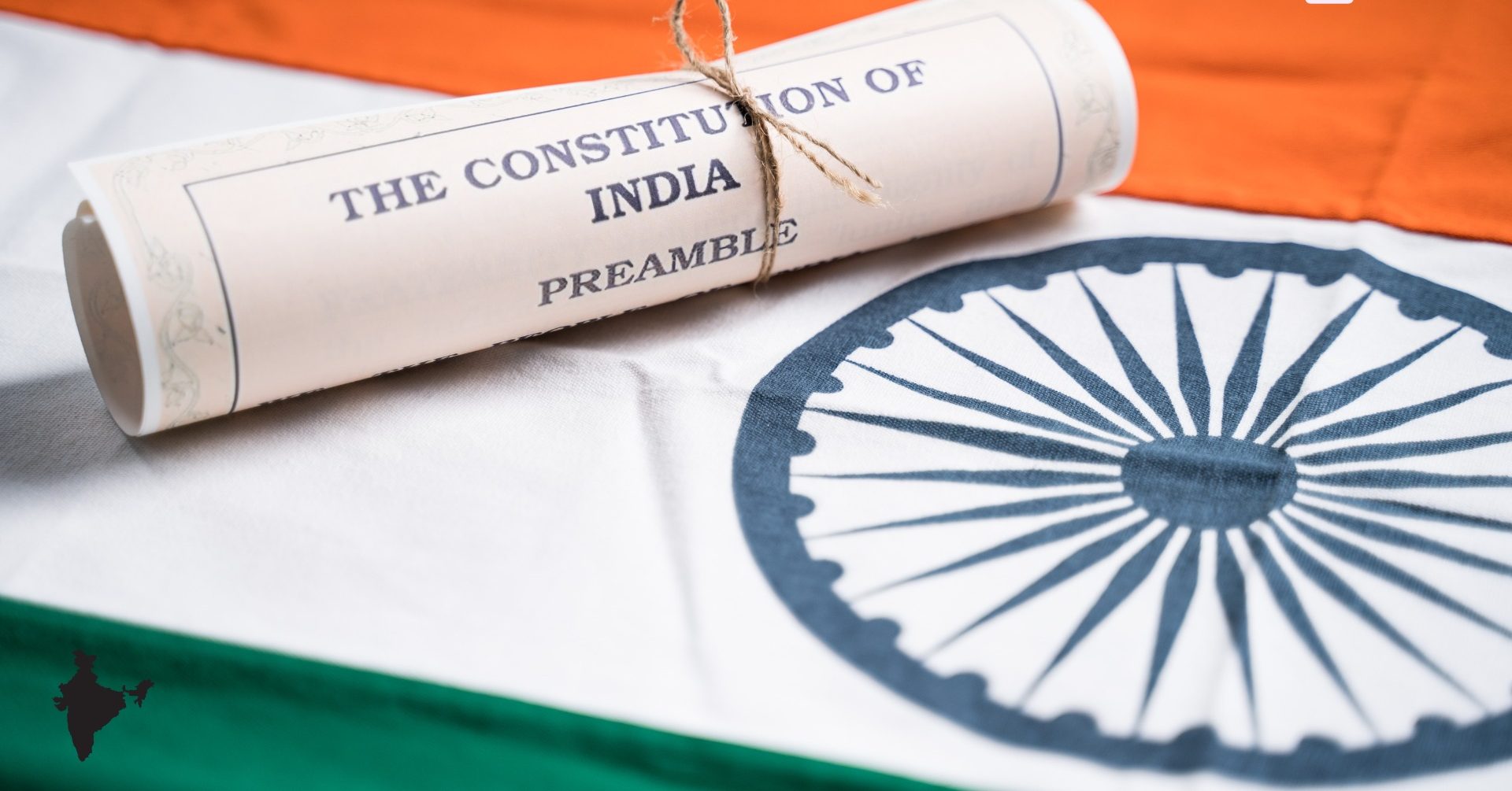
The Constitution still guiding a nation’s evolving journey (Photo: Alamy)
At the same time, the system promotes progress in areas like education, technology, and women’s rights. Laws have been passed to support school attendance for girls, punish domestic violence, and increase female representation in local government. While challenges remain, these efforts show a willingness to grow while holding on to the principles of democratic rule.
Economic reforms introduced in the 1990s opened the door for more competition and private enterprise. This change led to economic growth and improved living standards, especially in cities.
As the country became more connected globally, the democratic structure gave investors, companies, and trade partners greater confidence that policies would remain stable and accountable.
Global Observation and Influence
Many observers outside Asia have taken interest in how this system has functioned despite complex conditions. Large-scale elections, legal protection of individual rights, and open public debate offer a model for emerging democracies.
Countries seeking to strengthen democratic practice often look towards this example as evidence that such a system can work even in a large and divided society.
It is also important to mention the active participation in international forums that promote democratic values. This commitment extends to supporting democratic institutions abroad and offering training, advice, or assistance to other nations looking to improve their electoral processes. These actions demonstrate a steady outward influence without imposing any single model.
Multilateral cooperation, peacekeeping missions, and global partnerships reflect the belief that democratic values can coexist with economic ambition and national pride. The respect earned through decades of democratic practice supports soft power and diplomatic ties in different regions.
Respect for Diversity Within the Political Space
Political discussions involve voices from many different ethnic and religious backgrounds. Lawmakers represent various communities, and coalition governments have become common at both state and federal levels. This creates an inclusive political environment where negotiation and alliance-building are necessary.
Though the system has faced allegations of bias or misuse of authority from time to time, public institutions continue to function. Elections are held as scheduled, courts issue rulings, and citizens speak freely. These habits maintain a sense of continuity that other democracies admire.
The multi-party structure ensures that no single voice dominates the conversation for long. Even regional parties, with narrow local bases, can influence national policy through alliances or issue-based support. This type of representation helps maintain harmony in a country known for its vast cultural richness.
Conclusion Based on Sustained Democratic Commitment
The system that began over seventy years ago has developed, but its foundations remain strong. It has delivered regular elections, upheld basic freedoms, and included a wide range of voices. These consistent practices reflect a deep-rooted commitment to values that continue to attract international recognition.
Even with imperfections and criticism, the democratic structure has remained active and responsive to public demand. That stability, combined with adaptability, has made the model appealing to nations that seek examples of how democracy can work on a large and complex scale.