
The steady interest in wellness practices has brought attention to ancient healing systems that prioritise balance between the body and mind. Among these, Ayurveda has experienced a noticeable rise in interest across several countries.
More people are now seeking a break from fast-paced lifestyles through natural and preventive methods, and this has pushed Ayurvedic retreats into the spotlight. These retreats offer an alternative path to health by placing emphasis on personalised treatments, plant-based remedies, and mindful living.

Personalized healing finds a home in serene Ayurvedic retreats (Photo: Alamy)
Unlike quick-fix solutions or mainstream health programmes, Ayurveda centres on restoring harmony through diet, routine, detoxification, and herbal therapies. Visitors are attracted by the idea of addressing root causes of health concerns rather than just treating symptoms.
Those who attend these retreats often return with improved physical well-being, mental clarity, and renewed appreciation for holistic methods. This develop towards wellness built on traditional knowledge has attracted travellers, health enthusiasts, and even medical professionals.
Though Ayurveda is deeply rooted in historical practices, its methods continue to progress in today’s health sector. By combining traditional principles with modern hospitality, these retreats have built credibility and attracted individuals who may have never considered alternative forms of healing before.
Why Travellers Are Choosing Wellness Retreats Over Modern Clinics
Ayurveda retreats differ from regular hospitals or wellness centres because they do not operate as transactional services. Guests are encouraged to stay for a minimum of a few days, allowing enough time for treatment and rest.
These retreats often begin with detailed consultations where the practitioner assesses the individual’s body constitution and health patterns. From there, a tailored plan involving herbal oils, massages, yoga, and dietary changes is introduced.
What makes this process appealing is the personalised approach. People no longer want one-size-fits-all prescriptions. They want to understand their body types and what contributes to their discomfort.
Ayurveda provides that framework, giving clients control and insight into their own recovery. The increase in lifestyle-related illnesses such as hypertension, digestive disorders, and anxiety has made people reconsider chemical-based treatment.
Unlike brief doctor visits or prescription refills, these retreats allow people to slow down and focus on long-term improvements. There is a sense of intentional living that surrounds the daily activities at these centres. It is not only about medicine but about changing how one lives, eats, and thinks.
The Role of Nature in Ayurvedic Healing Spaces
Ayurvedic retreats are often located in calm, green environments, far from city centres. This is not just for beauty but is tied to the idea that healing requires peace and minimal disturbance. Surrounded by forests, rivers, or mountains, many of these centres integrate nature into their treatment.
A typical day might begin with early morning meditation facing the sunrise, followed by herbal tea made from locally sourced plants. Throughout the day, activities such as walking in silence, traditional oil therapy, or cooking lessons with Ayurvedic ingredients are part of the schedule. The absence of urban noise allows visitors to connect more deeply with themselves and the environment around them.
Nature plays more than a background role. It serves as a healing force on its own. The use of local herbs, fresh air, and natural spring water are main parts of the treatment. This connection to the earth adds a dimension that synthetic medicines cannot replicate. Visitors often describe a sense of reset that comes from this setting, as though both mind and body have been refreshed.
Global Acceptance Among Health Seekers
In recent years, international travellers have begun to visit countries with established Ayurvedic centres for more than just tourism. Countries such as Sri Lanka and Nepal, in addition to those in South Asia, have seen a rise in wellness tourism linked to Ayurvedic practices.
Visitors from the United States, Canada, the United Kingdom, and parts of Europe now book weeks-long stays at retreats to manage chronic fatigue, insomnia, or even recovery after surgery.
Part of this change comes from the increased awareness of mental health and the role lifestyle plays in long-term wellbeing. There is also a growing concern over the side effects of prolonged pharmaceutical use. As a result, more individuals are seeking ways to strengthen immunity and prevent illness naturally.
Ayurveda provides a system that promotes prevention over cure. This approach appeals to individuals who want to remain healthy rather than wait until illness appears. Through oil treatments, herbal preparations, balanced meals, and physical activity, the body is supported to function at its best.
Technology Meets Tradition in Modern Retreats
Even as these retreats are built on centuries-old knowledge, they have adapted to suit global guests without losing their original values. Many now offer online consultations, digital booking systems, and multilingual staff to assist guests. This adjustment has allowed Ayurveda to become accessible to people from different cultural backgrounds.
Although the core of the retreat remains rooted in Vedic texts and traditional teachings, they now use scientific research to support their therapies. Medical reports, health trackers, and wellness data are sometimes integrated to track a client’s progress. This blend of traditional knowledge and modern hospitality has contributed to the increase in foreign visitors.
Visitors appreciate the transparency and professionalism that modern retreats offer. From clean facilities to certified practitioners, there is trust built into the experience. These retreats no longer appear rustic or unstructured but operate as respected centres for healing, combining hospitality with wisdom passed through generations.
Cultural Curiosity Drives Tourism and Health Interests
Interest in Ayurveda is often connected with cultural curiosity. Guests do not only come to improve their health. Many are also interested in understanding the philosophy behind Ayurvedic living. This includes learning about doshas, how food is selected for body type, the importance of meal timing, and the link between mental and physical wellness.
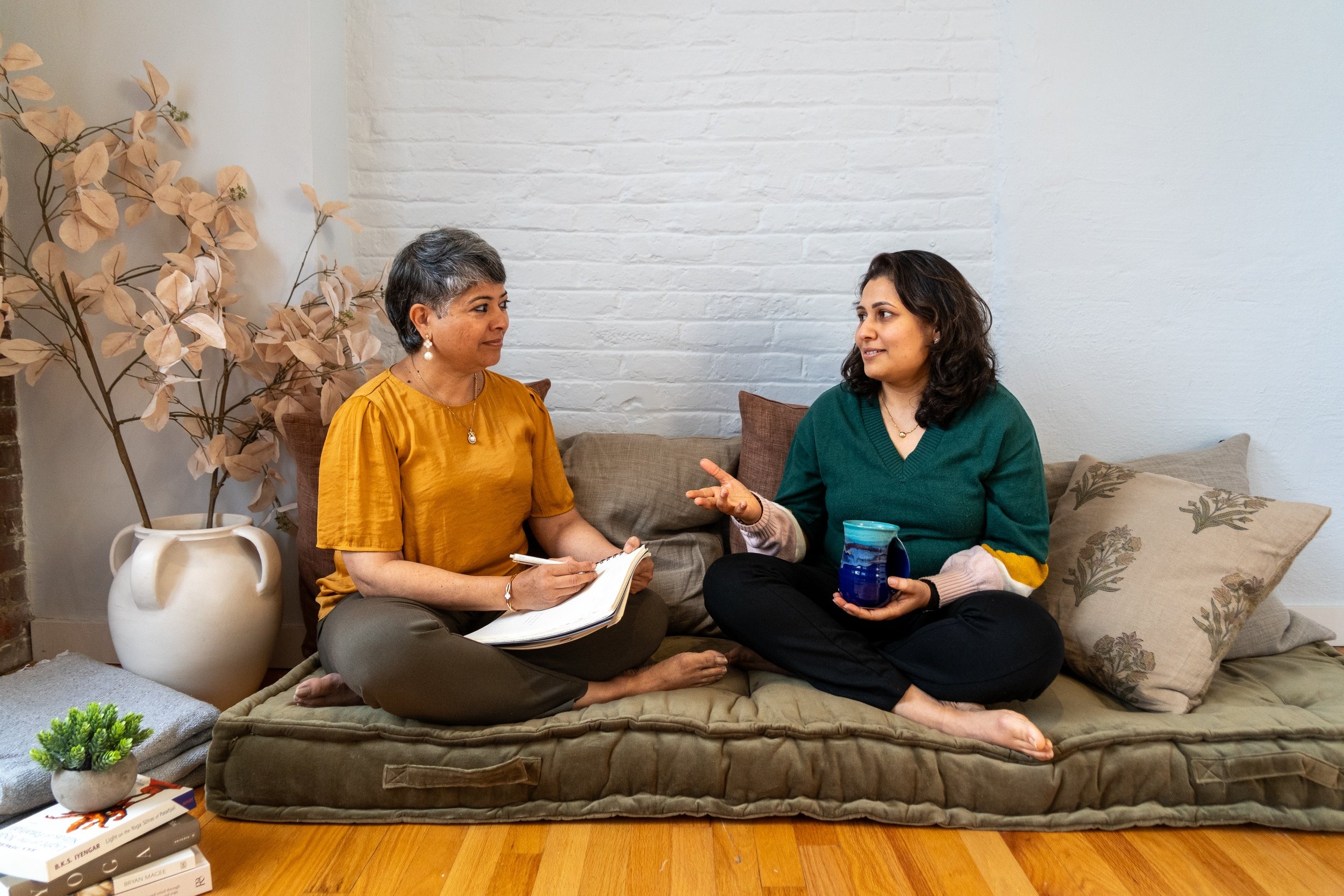
A journey inward begins with herbal oils and mindful meals (Photo: Alamy)
Workshops and group sessions during retreats often teach the guests how to apply Ayurvedic knowledge at home. From preparing herbal teas to self-massage techniques and morning rituals, visitors leave with tools to continue their routines independently. This experience creates lasting connections with the culture that goes beyond tourism.
The interest is more than just a trend. For many, it leads to lifestyle adjustments that last well after the retreat. Whether it is eating based on body type or incorporating yoga and breathing techniques, many visitors continue practising what they learned. This lasting impact plays a strong part in why interest continues to rise.
Tailored Therapies as a Solution for Lifestyle-Driven Illnesses
The world has witnessed a rise in stress-induced ailments and disorders related to digestion, sleep, and weight. Ayurveda focuses on bringing balance to internal functions by understanding personal imbalances. This customisation has drawn people who feel overlooked by standard treatment models.
Retreat programmes are usually adjusted depending on the length of the guest’s stay and the condition they wish to address. It is common to find separate protocols for individuals suffering from migraines, skin conditions, or hormonal imbalance. These methods do not rely on standard dosages but on observing how the person reacts over time.
Herbal medicines are often prepared on-site using fresh ingredients, and meals are cooked according to the body’s needs. Guests are encouraged to slow their pace, limit digital distractions, and focus on rest. These elements combine to provide deep support for recovery, especially for those who experience burnout or emotional exhaustion.
Why the Future of Health May Include Ancient Practices
The growing number of people visiting Ayurvedic retreats shows that health priorities are changing. More people are looking for long-term care methods that help them feel better without relying heavily on medication. Ayurveda offers that option by strengthening the body’s ability to heal itself.
Governments and health organisations in different parts of the world have started acknowledging the value of traditional health systems. Some insurance providers now recognise Ayurvedic treatments, and wellness tourism continues to rise. Although it was once seen as something foreign or spiritual, Ayurveda is now becoming part of discussions on how to stay healthy and live better lives.
The success of these retreats shows that people are willing to invest time and money into prevention, comfort, and education. With continued interest and steady results, Ayurveda may become more integrated into how future generations approach health. Rather than being seen as an alternative, it is increasingly seen as a valid and beneficial choice for people around the globe.