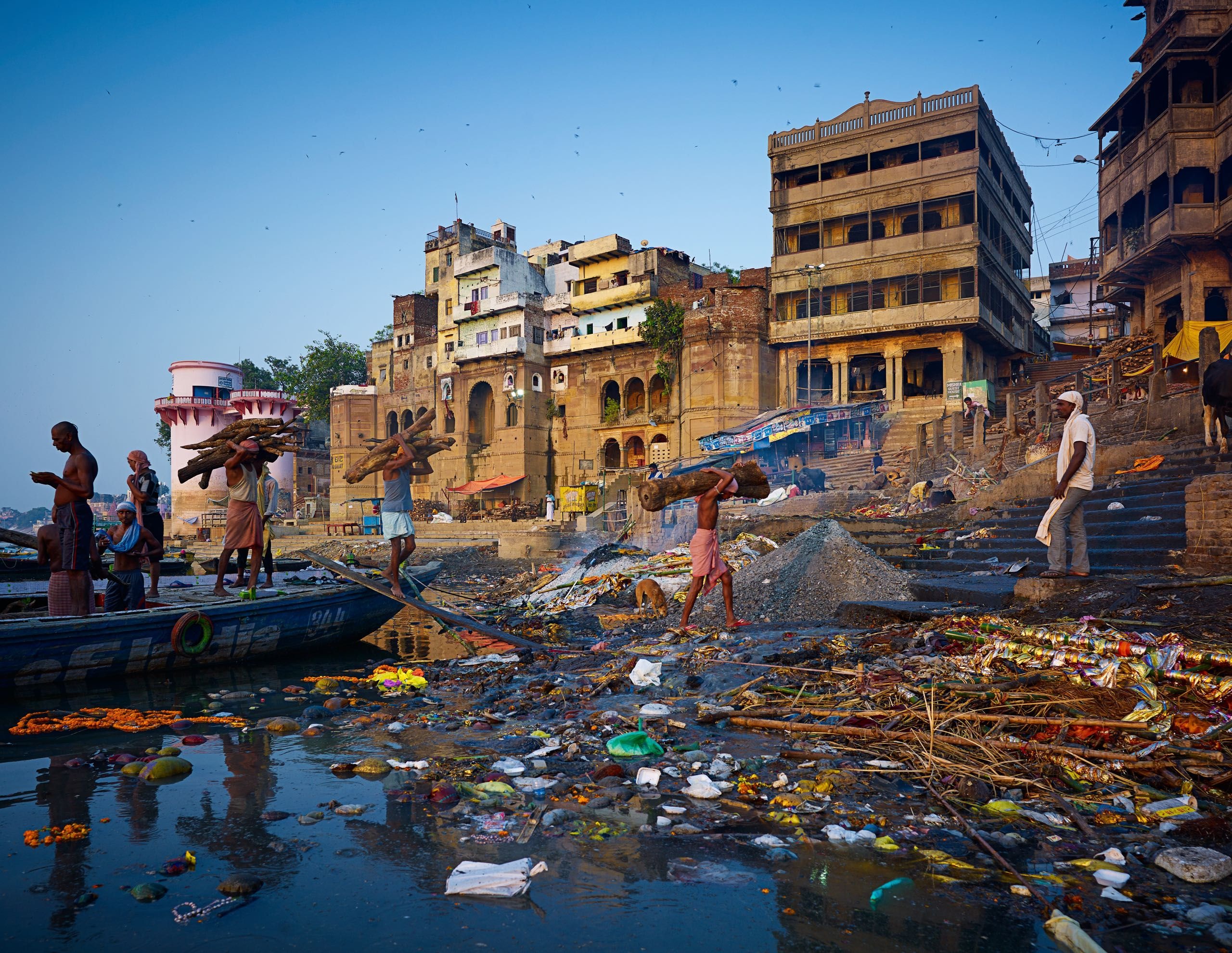
Efforts to reduce harmful emissions and address air quality have become more intense across several parts of South Asia, with particular attention paid to urban centres where industrial growth and population density have contributed to environmental degradation.
Various cities are stepping up initiatives and strategies that reflect a growing recognition of how dangerous unchecked pollution can be to public health and everyday living conditions.
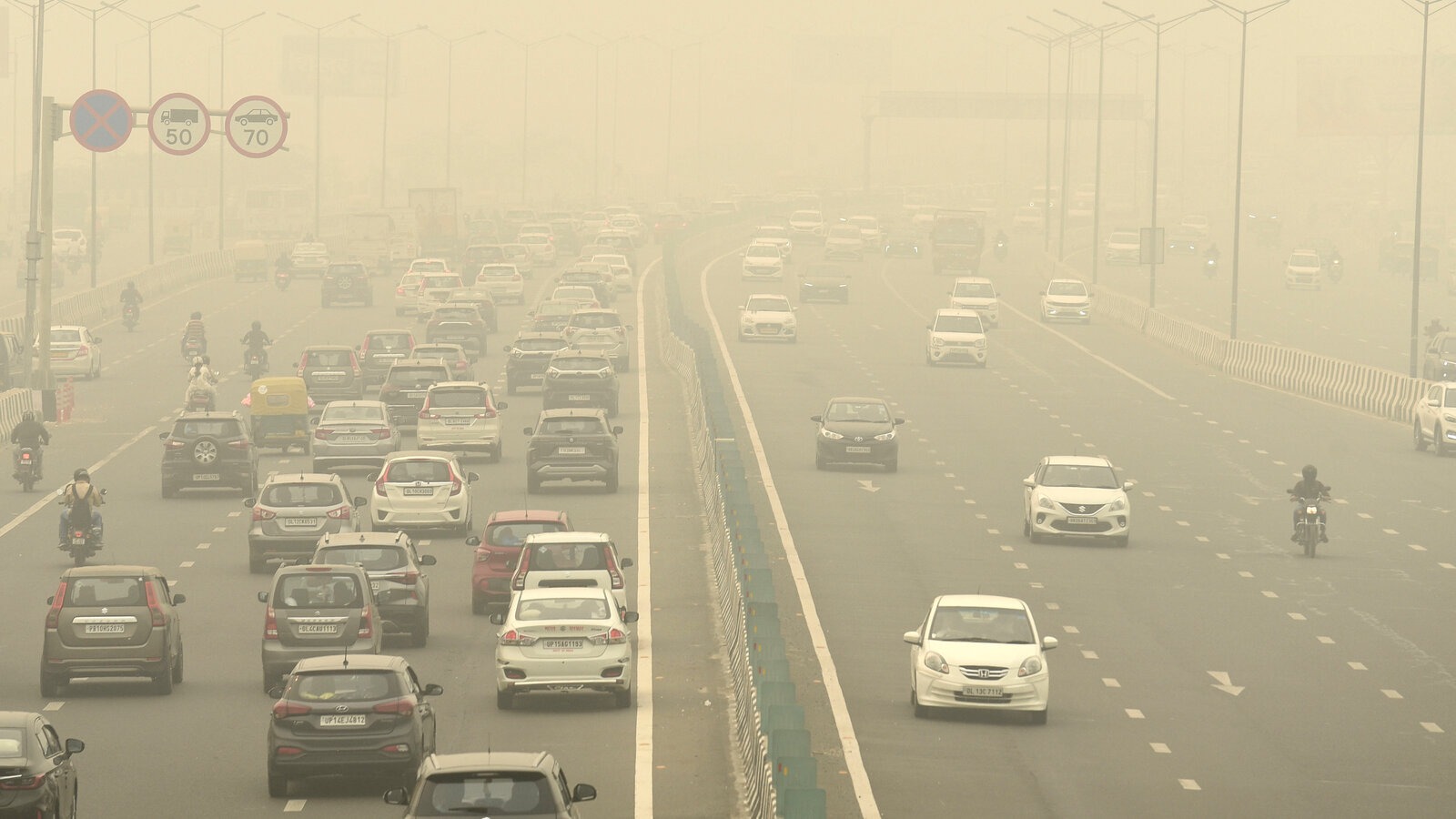
Smoggy skies push cities to rethink how they breathe (Photo: Twitter)
Several Indian cities are now putting in place practical plans to confront the hazards caused by pollution through a mixture of technological upgrades, policy enforcement, and public participation.
In recent times, air pollution has grown into one of the top concerns for urban authorities due to its direct effects on respiratory health, visibility, and climate conditions. From dust rising off construction sites to unchecked vehicular emissions and industrial waste, multiple sources contribute to a level of air contamination that affects daily life.
To combat this challenge, local governments and municipal bodies have moved to act with more urgency. This growing momentum points to a wider sense of awareness that pollution control is no longer optional but a necessary part of maintaining sustainable urban growth.
The attention has now turned to both short-term responses and long-term changes. While emergency measures like road rationing and school closures are sometimes needed during dangerous smog episodes, deeper reform requires improvements in public transport, energy sources, waste management, and urban design.
In each of these areas, certain cities are now serving as examples by putting plans into action and adjusting policies in response to current conditions.
Strict Vehicle Emission Standards and Green Transport
Major cities like Delhi and Bengaluru have taken steps to strengthen laws around vehicle emissions. One of the most impactful changes was the move to cleaner fuels like compressed natural gas for public transport vehicles such as buses and auto-rickshaws.
This effort was first introduced in Delhi and gradually expanded to other regions. The idea is to reduce the number of older, polluting vehicles and encourage a transition towards cleaner alternatives.
Beyond fuel conversion, several cities have started encouraging electric vehicles by giving tax reliefs, setting up charging stations, and allowing EVs to bypass certain traffic restrictions.
These actions form part of broader urban policies that aim to cut down emissions without affecting mobility. Authorities are also promoting cycling and walking by redesigning roads to include lanes and pathways for non-motorised transport.
Air Quality Monitoring and Public Awareness Campaigns
Without accurate data, it is difficult to take action. That is why many local governments have introduced air quality monitoring systems across different neighbourhoods.
These systems record pollutants such as PM2.5 and PM10, and they help authorities decide where enforcement should be prioritised. With the use of digital displays and mobile apps, residents are also being kept informed so they can make better decisions about their activities and exposure.
At the same time, educational programmes and media efforts are being used to change public behaviour. People are being encouraged to avoid unnecessary burning of materials, reduce car usage during high pollution days, and participate in tree planting. School programmes and corporate offices are being included in these outreach efforts so the message reaches different parts of society.
Construction Dust and Building Regulations
Construction remains one of the most common causes of dust pollution in urban areas. To address this, some cities have introduced rules that require builders to cover construction sites and store materials properly to prevent dust from spreading.
Wetting down dusty areas, using anti-smog guns, and installing air filters in large construction zones are now part of standard guidelines in cities such as Gurugram and Noida.
Government inspections are becoming more regular, with heavy penalties placed on those who violate the rules. The goal is to balance urban growth with environmental responsibility, so that development does not come at the cost of public health.
Builders are also being pushed to use eco-friendly materials and apply for green certifications as a way to show compliance and reduce harmful side effects.
Cleaner Fuels and Industrial Regulation
Industrial activity plays a huge role in generating pollution, especially in places where outdated technology is still being used. States like Maharashtra and Gujarat have introduced cleaner fuel standards for factories and small-scale industrial units.
These changes aim to phase out the use of coal and furnace oil, which produce large amounts of smoke and residue. Industries are being encouraged to change to piped natural gas or electricity for their operations.
Pollution Control Boards now conduct regular checks and require businesses to install emissions control equipment. Industries found violating air quality norms may face temporary shutdowns or large fines. Some industrial zones have also been relocated away from densely populated areas to reduce the risk of direct exposure for city residents.
Waste Management and Open Burning Controls
Burning of garbage, especially in the open, has been one of the stubborn causes of harmful air in many parts of India. Open burning of leaves, plastic, and household waste releases toxic chemicals into the air.
Urban administrations have now tightened enforcement on such activities. Waste collection services are being improved so that people do not resort to burning waste. Special waste-to-energy plants are also being introduced to process non-recyclable materials safely.
Citizen groups are being encouraged to separate biodegradable waste from recyclable items at home so the waste system runs more smoothly. Municipalities are adding more bins in public spaces and increasing the number of collection vehicles to ensure timely pickup. These small yet effective measures help reduce the quantity of trash that ends up being burnt in empty plots and road corners.
Seasonal Crop Burning and Regional Coordination
Air quality drops sharply during certain seasons, especially when farmers burn leftover crop stubble in northern states. The smoke from this practice travels long distances and covers nearby cities in thick smog. While the farming takes place in rural areas, the effect is most visible in cities like Delhi and Chandigarh.
To address this, both central and state governments are working together to provide machines that can dispose of crop residue without burning. These machines help mix the leftover stalks back into the soil or collect them for other uses such as biomass energy production.
Financial incentives are being offered to farmers who adopt cleaner methods. Though progress has been gradual, this kind of coordination is essential since pollution does not respect state boundaries.
Urban Greening and Open Spaces
Planting more trees and developing green zones has also become an important part of the response. Urban forestry projects are being launched to increase tree cover, especially in crowded areas where concrete dominates. Trees act as natural air filters and also help cool down city temperatures.
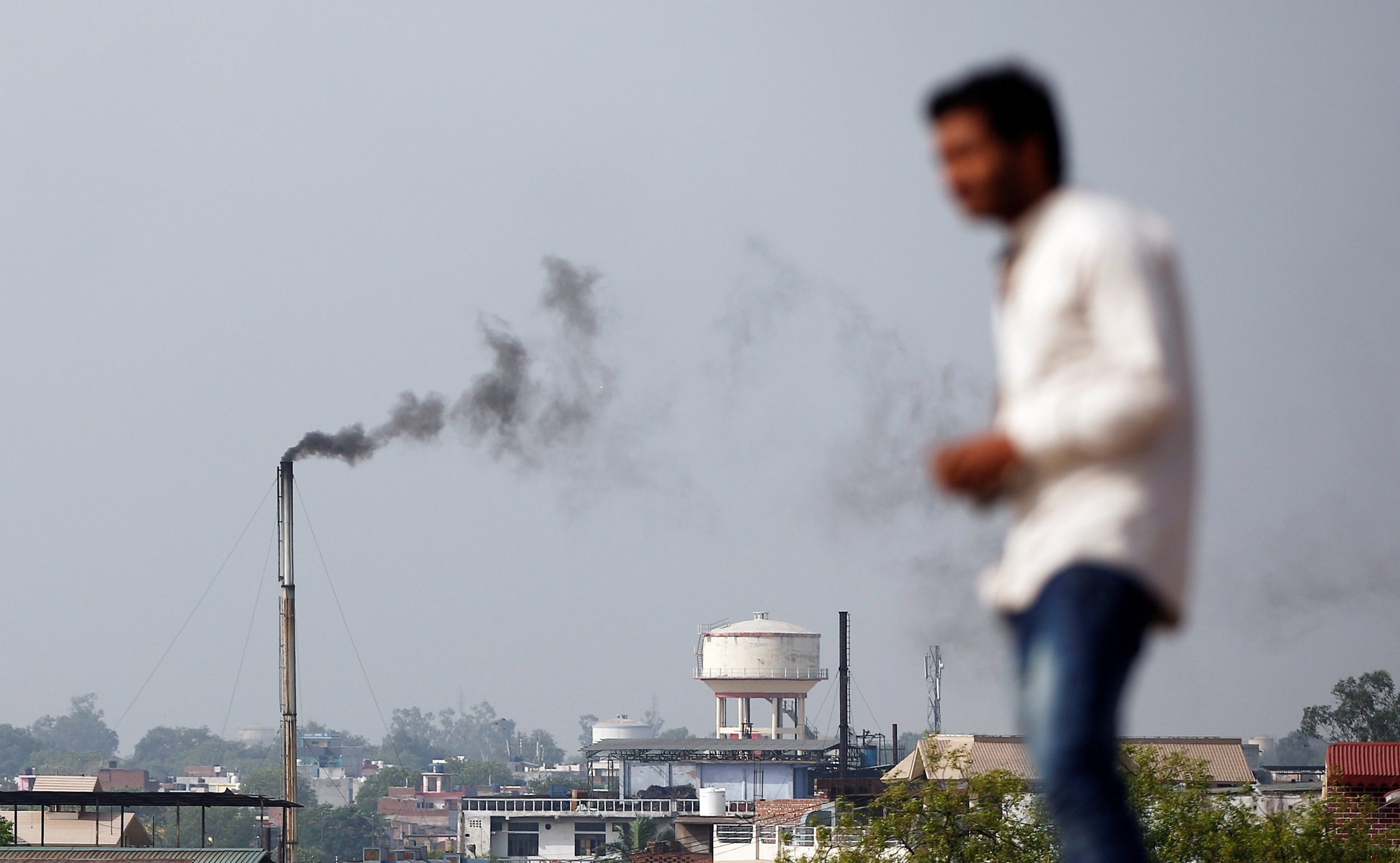
Air quality sensors help people track pollution in real time (Photo: Alamy)
Some municipalities have turned vacant plots into parks, while others are growing vertical gardens on flyovers and public buildings. The aim is to make the air cleaner and the environment more comfortable for those who live and work in these cities. Community-led tree planting drives and the promotion of rooftop gardens also form part of this wider green effort.
Technology and Policy Alignment
Modern technology is being used to support decisions related to air quality. Drones are being used to detect illegal burning or monitor industrial emissions. Artificial intelligence helps predict air quality based on current weather patterns and pollution levels. These tools allow local authorities to take preventive actions before pollution peaks.
Policies are also being revised regularly so they remain relevant. Courts have stepped in at times to direct urgent action when public safety was under threat. From state-level environment departments to city planning offices, the push is towards building systems that can respond quickly and efficiently to air quality issues.
Public Transport and Infrastructure Planning
Another important strategy involves strengthening public transport to reduce the number of private vehicles. Expanding metro rail systems, introducing electric buses, and building safe bus lanes are just some of the methods being used. These efforts help lower vehicle congestion and reduce the need for individual car use.
Smart planning is also being applied to city design, so that workplaces, schools, and shopping centres are closer to residential zones. This kind of planning cuts down the time people spend in traffic and the emissions generated in the process. As more people adopt shared transport options, the benefits reach every part of the city.
Cities across the country are applying a range of responses tailored to their individual needs and challenges. While some have made faster progress, others are still catching up. What remains clear is that the pressure to act has brought forward a wave of change driven by both policy and people.
With more awareness, better tools, and stronger enforcement, these cities are showing that the struggle against pollution is one that can be managed with steady action and public cooperation.