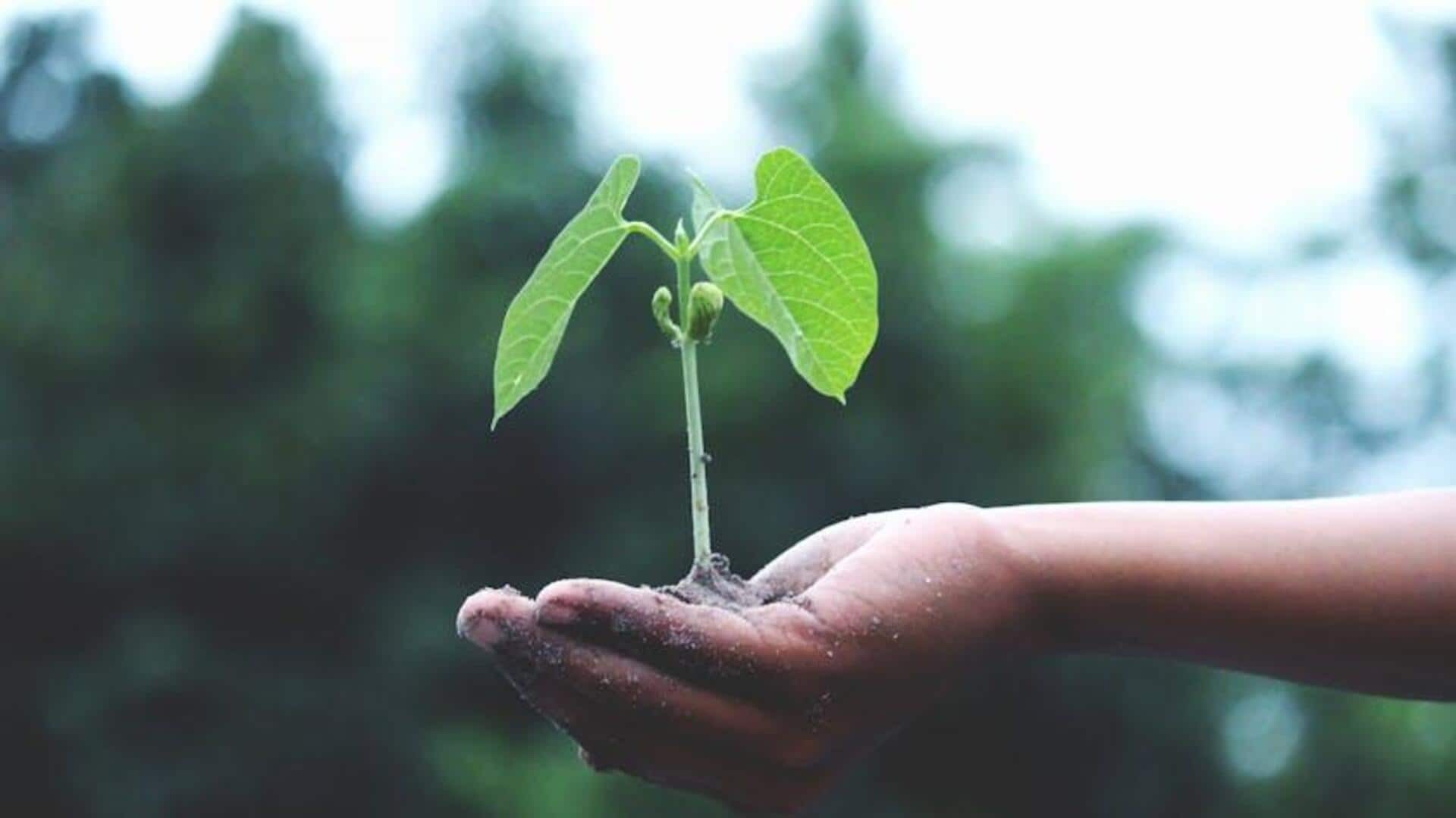
People in many parts of South Asia have been gradually adjusting their daily routines to support more environmentally conscious choices. With an increase in environmental awareness, a growing number of Indian citizens are choosing to make adjustments in the way they live, prioritising practices that reduce harm to nature.
From rural areas to crowded cities, these changes are being adopted at different levels, with both individuals and communities taking action in their own ways.
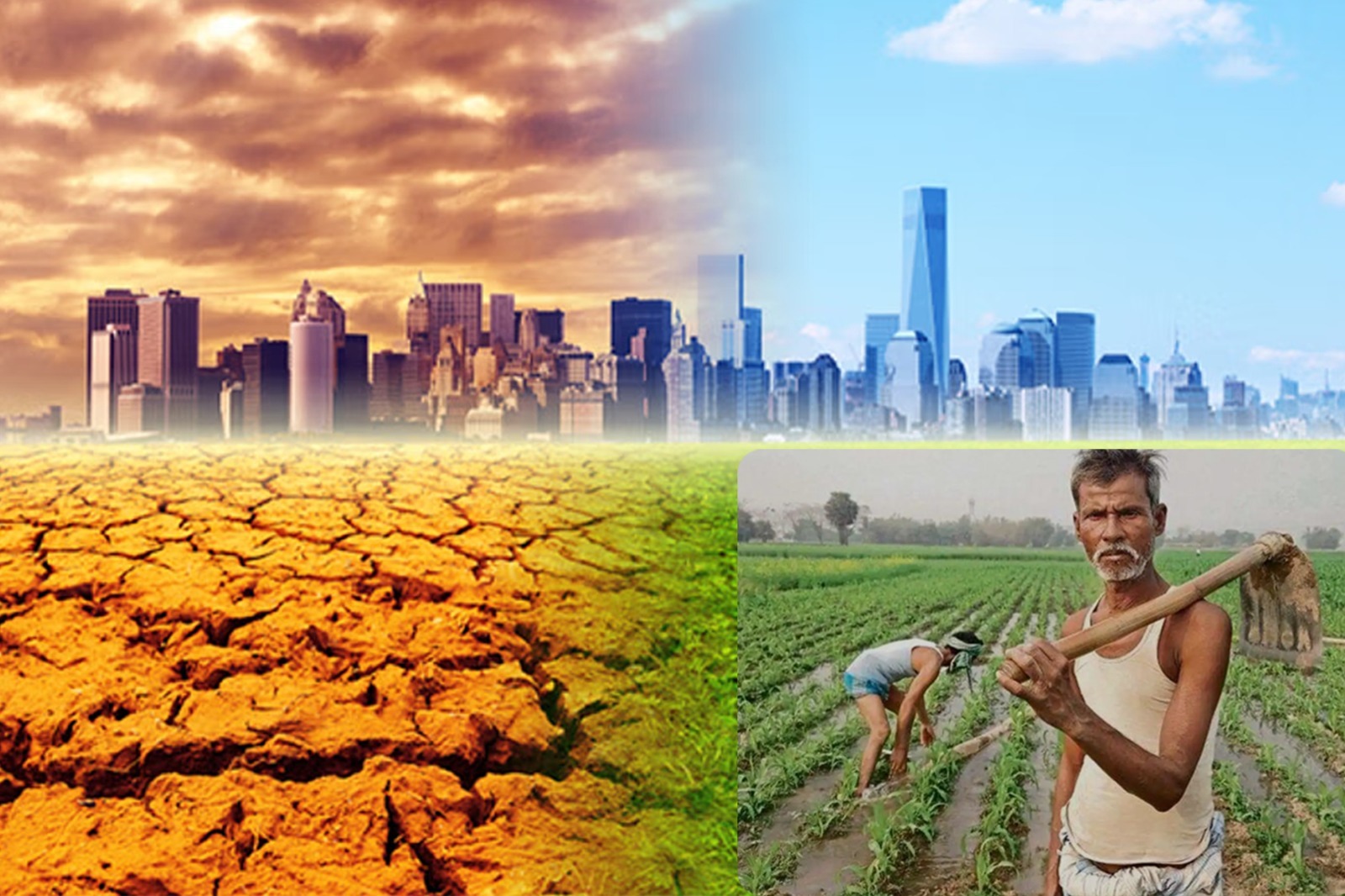
From plastic-free living to soil-friendly farming change is taking root everywhere (Photo: Alamy)
Eco-conscious habits are becoming part of normal life for several households, showing that concern for nature is no longer reserved for activists alone.
Whether it is a farmer returning to traditional farming methods or a young urban worker reducing their dependence on plastics, a quiet transformation is happening across the country. While economic growth and urban development continue to expand, many are also thinking deeply about how their actions affect the planet.
This growing interest in eco-friendly choices is affecting how people eat, commute, build houses and handle waste. Whether for health, cost-saving, or responsibility to future generations, the reasons differ, but the common factor remains a desire to cause less harm. Such lifestyle choices are no longer seen as extra efforts but are becoming part of daily routines.
Green Changes in Agricultural Practice
Many farmers have been returning to old planting techniques that involve little or no use of chemical products. The rise in organic farming shows this clearly.
Rather than using strong chemical sprays, a number of rural farmers now rely on compost, cow dung, and natural pest repellents made from local herbs. These methods not only protect soil health but also lower the cost of farming in the long run.
Young farmers are taking inspiration from their grandparents’ way of farming, understanding that the older style helped maintain fertile land for longer periods.
In some states, community-based farming projects now encourage farmers to share resources like compost and natural seeds. This reduces expenses and builds stronger relationships among neighbouring farms.
Government support for such efforts is also helping to strengthen these practices. Farmers are now given training on how to grow crops without harmful chemicals. This has resulted in better soil, cleaner water and safer produce, which consumers increasingly demand.
Sustainable Fashion and Conscious Consumption
The fashion industry has been known for large amounts of waste, but some Indian designers and consumers are now challenging this by turning to sustainable clothing. This includes the use of handwoven fabrics, natural dyes and recycled materials. Handloom products, once seen as old-fashioned, are now becoming fashionable again.
There is a renewed interest in traditional textile methods that do not pollute water or harm workers’ health. Many young professionals are buying from small-scale brands that focus on ethical production. Social media has also played a role, with influencers promoting clothes made under fair conditions.
Buying fewer clothes but better-quality ones is becoming more common among middle-class shoppers. Rather than throwing away garments, people are repairing and reusing. Some even organise exchange programmes where families swap gently-used outfits, reducing the pressure to buy new ones all the time.
Urban Living with Reduced Waste
City dwellers are facing growing concerns around waste disposal and air quality. As a result, some urban residents are making serious efforts to cut down on the amount of rubbish they produce. Many households now separate waste into dry and wet categories, which makes composting at home much easier.
Composting is gaining ground, even among apartment residents. Some buildings have created shared compost pits where food waste is turned into fertiliser. This makes it easier to manage waste without putting more pressure on city waste systems.
Reusable bags, steel containers, and glass bottles are replacing single-use plastics in kitchens. Children are being taught from a young age to avoid packaged items, and many schools are including practical environmental lessons. Some families even celebrate birthdays and other events without plastic plates or decorations, choosing reusable or biodegradable options instead.
Public Transport and Eco-Friendly Mobility
Traffic and air pollution have become serious concerns in large cities. To deal with this, many individuals are choosing less polluting means of transport. Bicycles are gaining popularity once more, and cycle-sharing services are now found in several cities.
Electric vehicles are another growing area. More families are now buying electric scooters and cars, especially as charging points become more available. Public transport is also getting better in certain areas, with newer buses that produce fewer emissions and trains that are powered by renewable energy.
Some companies now offer their staff rewards for choosing greener transport methods. Those who walk, cycle or use buses receive small bonuses or work-from-home options. These steps are encouraging more people to leave their cars at home, which helps ease traffic congestion and reduce smog.
Green Homes and Environmentally Minded Architecture
Eco-conscious building design has been gaining interest among architects and homeowners. More people are choosing to build homes that consume less energy. Some include rooftop gardens, solar panels and rainwater collection systems in their building plans.
Walls made of mud blocks and roofs that allow better airflow are replacing materials that trap heat and raise electricity bills. Builders are also using recycled wood and local stone to avoid long-distance transport that uses a lot of fuel.
Rainwater harvesting has become a regular feature in new houses. In dry regions, storing rainwater for later use is helping residents reduce their dependence on public water supply. Buildings that use natural light and airflow cut down on the need for lights and viewers during the day, which leads to lower energy bills.
Diet and Eating Habits with Nature in Mind
Food choices are also changing across different income groups. Plant-based meals are becoming common in both homes and restaurants. Some people have reduced how much meat they eat, especially as they learn about how much water and feed are needed to raise animals.
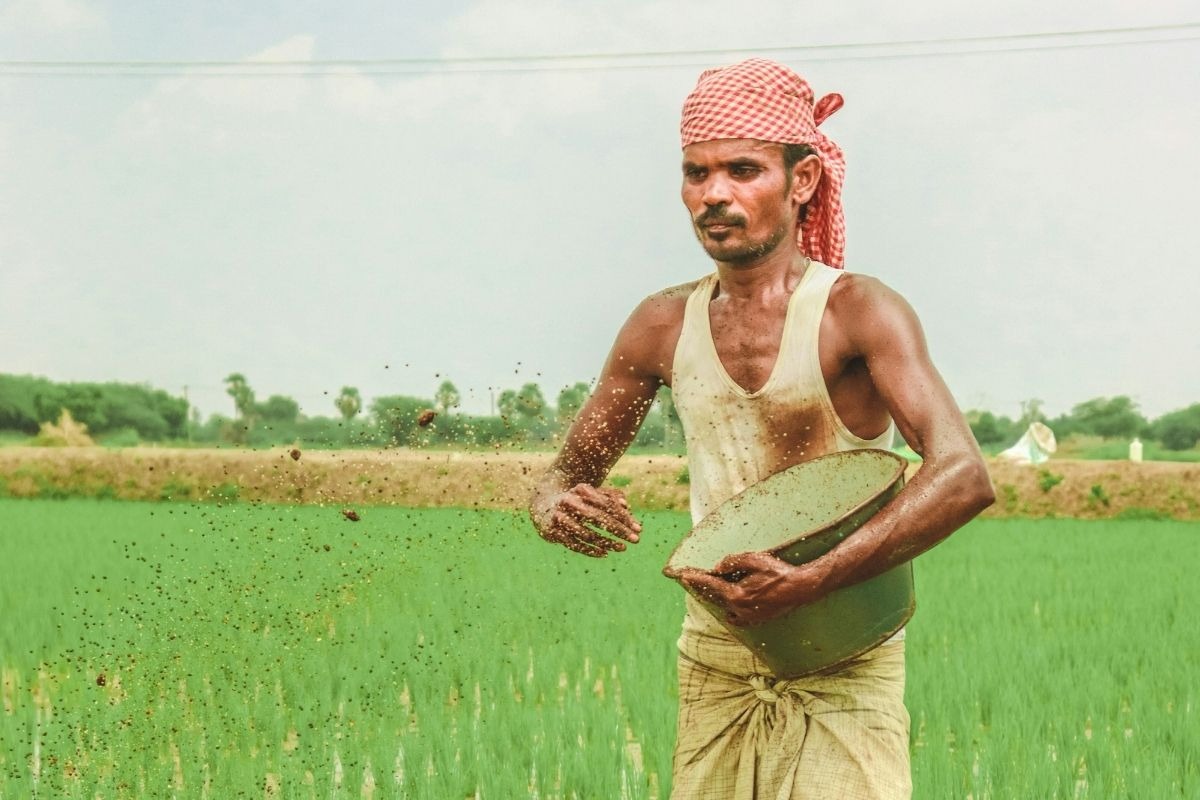
Farmers turn to compost and cow dung as natural tools for healthy harvests (Photo: Getty Images)
Local ingredients are being used more often, which supports nearby farmers and cuts the fuel used in transporting food. Instead of buying packaged snacks, more families are preparing traditional meals that use seasonal items.
Community markets are growing in popularity. These small markets give shoppers access to fresh produce, often free from chemical preservatives. Some families even grow herbs and vegetables at home in small pots, making them less dependent on shop-bought food.
Young People Leading Change
Many young Indians have taken active roles in promoting cleaner habits. School projects, neighbourhood clean-up drives and environmental clubs are now part of regular student activities. Through debates, art and drama, students are spreading the message of environmental care.
Social media campaigns run by teenagers and university students are reaching large audiences. They share simple tips like how to reduce food waste or switch to eco-friendly cleaning products. Some of them have even started small businesses that promote reusable items, such as cloth bags and bamboo toothbrushes.
Through their actions, younger generations are influencing their parents and neighbours to think more about nature. They are proving that concern for the environment is not just for experts, but something every household can be part of.
Traditional Wisdom Meets Modern Practice
Elders in rural communities often relied on nature-based solutions long before such terms became common. They used banana leaves instead of plates, avoided plastic, and built homes from mud and straw. These ideas are being respected once again, especially among those who want to live with less waste.
Younger people are now combining this traditional knowledge with modern science. For instance, old herbal recipes for pest control are being tested and improved with scientific methods. This approach helps make ancient wisdom more relevant in today’s world.
Many families are finding that going back to old ways does not mean giving up comfort. Instead, it often means better health, lower expenses, and stronger community ties. This blend of old and new is helping create a lifestyle that is kinder to the earth.
Adopting eco-friendly choices is becoming part of daily life for many. Whether through farming, food, transport or housing, different paths are leading to one goal — living with more care for nature. With each effort, no matter how small, individuals are showing that cleaner and healthier living is possible. Through steady actions and shared responsibility, the movement toward environmental care continues to gain strength.