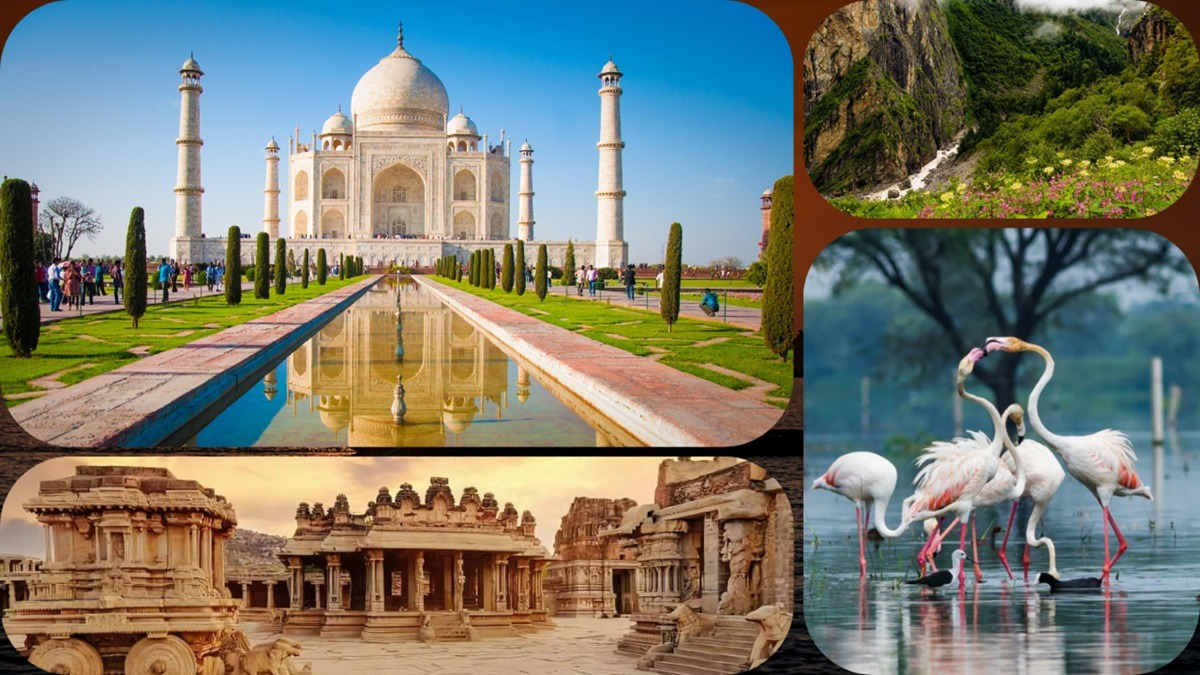
With a history stretching across millennia, the subcontinent stands out for its cultural treasures and historical depth. Among its most cherished assets are the sites recognised by UNESCO for their cultural and natural importance.
These destinations represent architectural mastery, spiritual heritage, artistic expression, and a deep connection to nature. From ancient ruins to sacred temples and elaborate caves, these locations offer lessons in resilience, craftsmanship, and devotion.
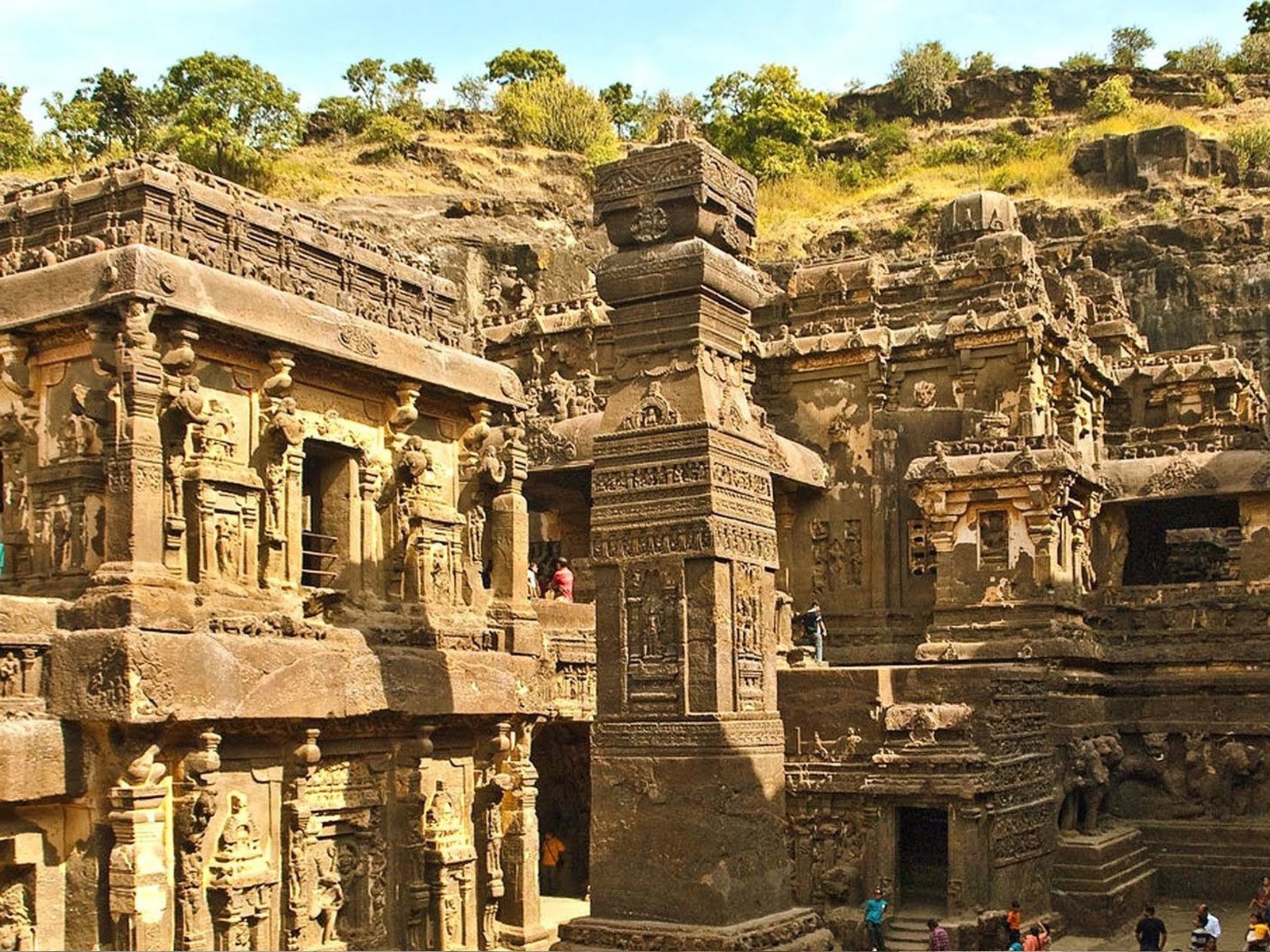
Centuries of devotion carved into stone at Ajanta and Ellora (Photo: Alamy)
While many countries boast a few recognised locations, this nation has built a strong reputation with dozens of UNESCO World Heritage Sites, each contributing to a diverse cultural legacy.
These destinations are more than tourist attractions; they serve as living evidence of various eras, rulers, spiritual movements, and ecological zones. Recognised for their value to humanity, they also reflect layers of historical transitions, cultural evolution, and environmental consciousness. Some date back thousands of years, while others reflect more recent history, blending the ancient with the modern.
Visitors drawn to these places often encounter a wide range of experiences. Whether it is the spiritual calm of temples, the vastness of stepwells, the wildlife of national parks, or the architectural detail found in monuments, every site carries stories etched into stone and preserved across time.
1. Ajanta and Ellora Caves: Spirituality in Stone
The rock-cut caves of Ajanta and Ellora remain among the most visually powerful locations, offering insight into Buddhist, Hindu, and Jain traditions. Located in Maharashtra, the Ajanta caves house paintings and sculptures related to the life of Buddha, most dating back to between the 2nd century BCE and the 6th century CE. These murals, though faded with age, still speak of a time when art was deeply spiritual and skillfully executed.
Just a few hours away, the Ellora caves showcase monumental carvings with a focus on harmony among religious traditions. Carved between the 6th and 10th centuries, the Kailasa temple within Ellora is carved from a single rock and remains an architectural marvel.
The effort, labour, and precision that went into its construction tell of a society that placed deep importance on spiritual devotion and artistic expression.
2. Taj Mahal: A Testament to Love and Artistry
Located in Agra, the Taj Mahal is one of the most recognised monuments globally. Built by Emperor Shah Jahan in memory of his wife Mumtaz Mahal, this mausoleum blends Persian, Islamic, and Indian architecture into a white marble structure that draws millions each year. What makes it stand out is not just the symmetry or the ornamental work, but also the emotional weight it carries.
Beyond its aesthetic beauty, the Taj Mahal reflects a time when architecture was used to express grief, love, and power. The intricate floral designs, Quranic calligraphy, and geometric patterns are evidence of the artisanship that flourished during the Mughal era.
3. Khajuraho Temples: Expressions of Life and Belief
In the central state of Madhya Pradesh, the temples of Khajuraho display carvings that range from the spiritual to the sensual. These Hindu and Jain temples were constructed between the 9th and 12th centuries and feature some of the finest examples of Nagara-style architecture.
The carvings on the walls show everyday life, divine figures, and human interactions in various forms. Though often associated with erotic imagery, the broader message embedded in these temples involves the celebration of life in all its forms.
The placement of deities, the planning of the complexes, and the artistic ambition behind them point to a culture that valued detail, philosophy, and balance.
4. Group of Monuments at Hampi: Remnants of a Flourishing Empire
Once the capital of the Vijayanagara Empire, Hampi now stands as an open-air museum of ruins. Located in Karnataka, the site features market streets, temples, royal structures, and irrigation systems that show the scale of one of South India’s most prosperous empires.
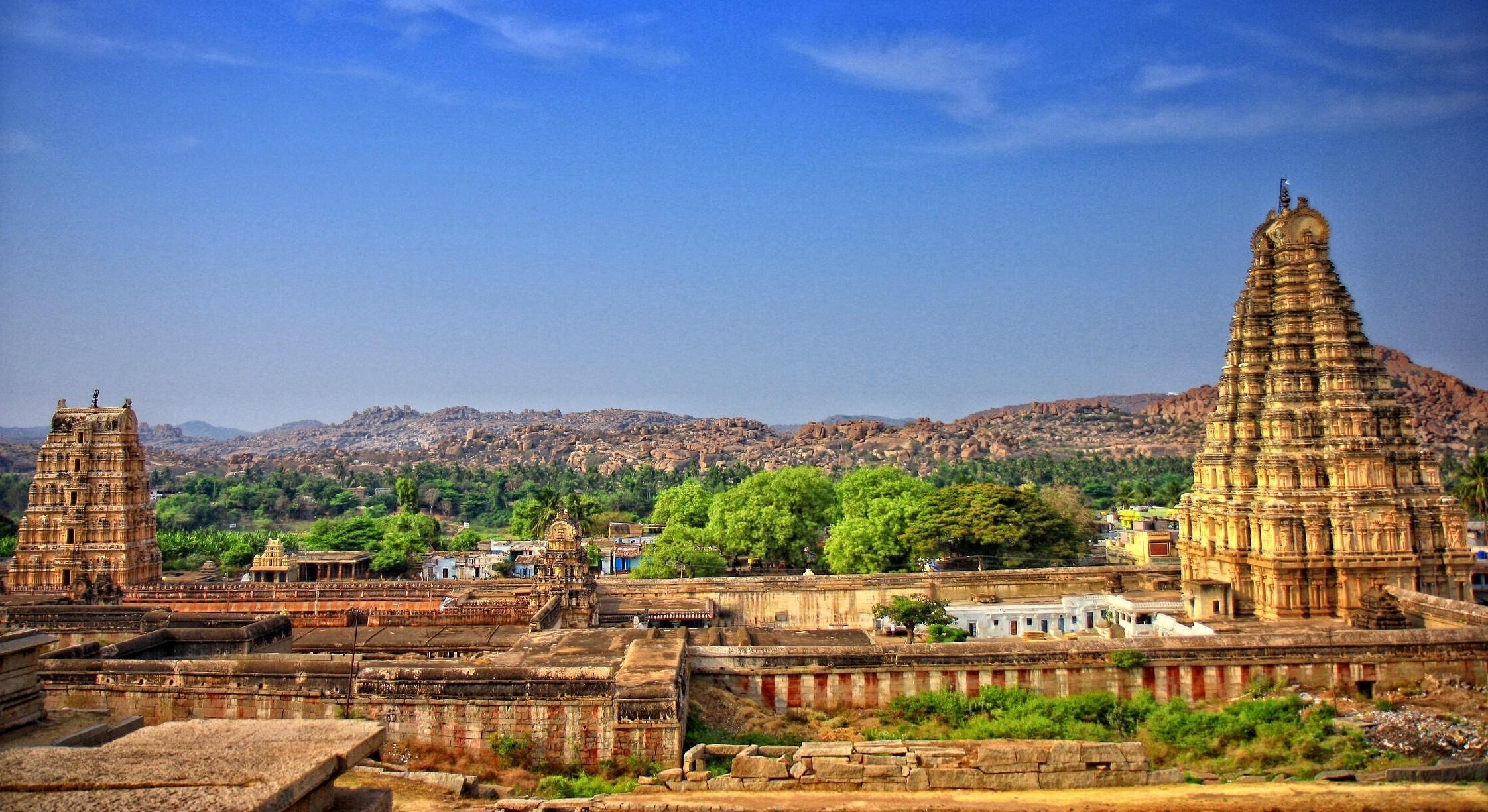
Group of Monuments at Hampi (Photo: Twitter)
Structures such as the Virupaksha Temple still attract worshippers, while the remains of the royal enclosure and stone chariot continue to draw admiration.
The granite terrain adds a natural texture to the site, and many structures seem to grow out of the surrounding boulders. The decline of the empire brought destruction to Hampi, but what remains shows a civilisation that was both powerful and cultured.
5. Mahabalipuram: Carvings That Defy Time
On the Coromandel Coast in Tamil Nadu lies Mahabalipuram, a historic port town known for its rock-cut temples and sculptures. Constructed during the Pallava dynasty in the 7th and 8th centuries, this site includes the Shore Temple and the Descent of the Ganges relief. These works showcase the devotion and technical skill of artisans from that period.
The bas-reliefs at Mahabalipuram often depict mythological stories, sacred rivers, and celestial beings. Unlike sites that evolved over centuries, many of the monuments here were built within a short time frame, showing a concentrated burst of creativity and patronage.
6. Kaziranga National Park: Haven for the One-Horned Rhinoceros
Shifting to natural wonders, Kaziranga National Park in Assam stands out for being home to the largest population of the one-horned rhinoceros. With its wetlands, tall grasses, and thick forests, the park supports a rich variety of fauna, including tigers, elephants, and swamp deer.
Established as a protected area in the early 20th century, Kaziranga’s efforts in wildlife preservation have earned global respect. Conservation strategies, especially anti-poaching measures and habitat maintenance, have helped the park restore its biodiversity and remain a vital zone for ecological research and tourism.
7. Churches and Convents of Goa: Traces of Portuguese Legacy
Goa offers more than beaches and nightlife. Its churches and convents tell a story of European influence and spiritual outreach. Structures like the Basilica of Bom Jesus, Se Cathedral, and Church of St. Francis of Assisi present a mix of Gothic and Baroque architectural styles.
The churches served both religious and administrative purposes during Portuguese rule. Their interiors often feature ornate altars, wooden carvings, and frescoes that echo European art traditions. The relics of St. Francis Xavier are preserved in one of these churches, attracting pilgrims from across the globe.
8. Fatehpur Sikri: A City of Red Sandstone Grandeur
Built by Emperor Akbar in the 16th century, Fatehpur Sikri served as the capital of the Mughal Empire for a short period. Despite its brief role, the city’s red sandstone structures speak of ambition and planning. Designed with a mix of Islamic, Hindu, and Persian styles, the complex includes courtyards, palaces, mosques, and audience halls.
The abandoned city, located near Agra, gives a sense of imperial life at its peak. Diwan-i-Khas, Panch Mahal, and the Buland Darwaza remain central attractions. Though the city was deserted due to water scarcity, the level of thought and effort put into its design remains impressive.
9. Sundarbans: Where the Mangroves Meet the Tigers
Located in West Bengal, the Sundarbans form the largest mangrove forest on the planet and serve as a crucial habitat for the Royal Bengal Tiger. The dense network of waterways, mudflats, and salt-tolerant trees makes the region difficult to access, yet essential for biodiversity.
This area supports many endangered species, including estuarine crocodiles and the fishing cat. The ecological system of the Sundarbans also protects nearby settlements from cyclones and tidal waves, serving both environmental and human needs.
10. Rani ki Vav: A Stepwell of Intricate Detail
Rani ki Vav, or the Queen’s Stepwell, located in Gujarat, stands as a tribute to water architecture. Built in the 11th century by Queen Udayamati, this stepwell was designed for both water storage and ritual use. Unlike ordinary wells, it features multiple levels, galleries, and over 1,500 sculptures.
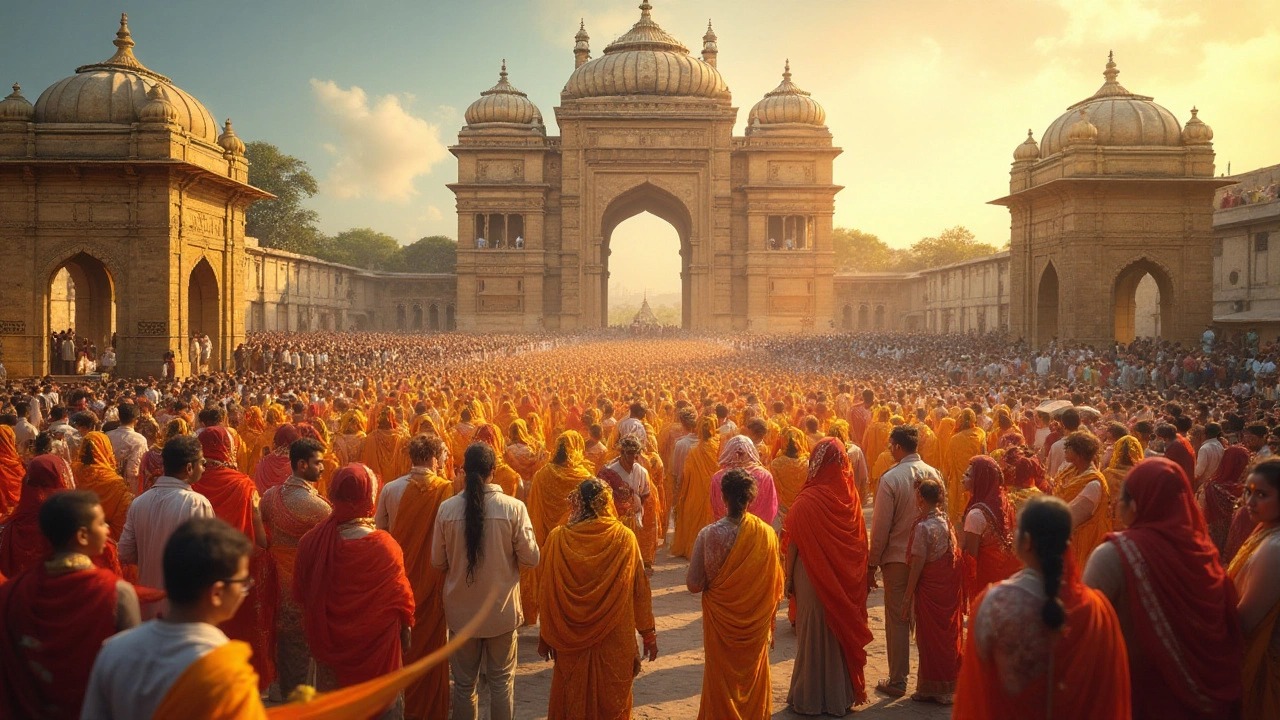
Murals and monuments that echo ancient India’s artistic soul (Photo: Shutterstock)
These carvings, many of which depict Vishnu and his avatars, turn a utilitarian structure into a sacred space. The precision and craftsmanship involved show how engineering and aesthetics were once deeply interconnected.
11. Great Living Chola Temples: Symbols of Dynastic Power
Tamil Nadu is also home to the Great Living Chola Temples built during the Chola dynasty, mainly between the 11th and 12th centuries. These include the Brihadisvara Temple at Thanjavur, the Gangaikonda Cholapuram Temple, and the Airavatesvara Temple at Darasuram.
Each temple is a study in proportion, iconography, and spiritual intention. Massive towers, intricate sculptures, and vast courtyards characterise these structures. They served not only as places of worship but also as centres for music, dance, and education.
12. Valley of Flowers and Nanda Devi National Parks
High in the Himalayas of Uttarakhand lie these protected areas known for their unique ecosystems. While Nanda Devi stands as one of the highest peaks in the country, the Valley of Flowers bursts into a natural spectacle every monsoon with countless varieties of blooming plants.
Trekkers, botanists, and nature lovers frequently visit to witness this rare alpine biodiversity. The strict conservation policies in the region help maintain its purity and make it one of the least disturbed habitats of its kind.
These heritage locations, each distinct in purpose and design, reflect the diverse history, spiritual thought, and ecological awareness that define the subcontinent.
Every site contributes something unique, offering educational and cultural value to both local and international visitors. Whether focused on faith, nature, or history, these places continue to hold their place as treasured monuments for present and future generations.