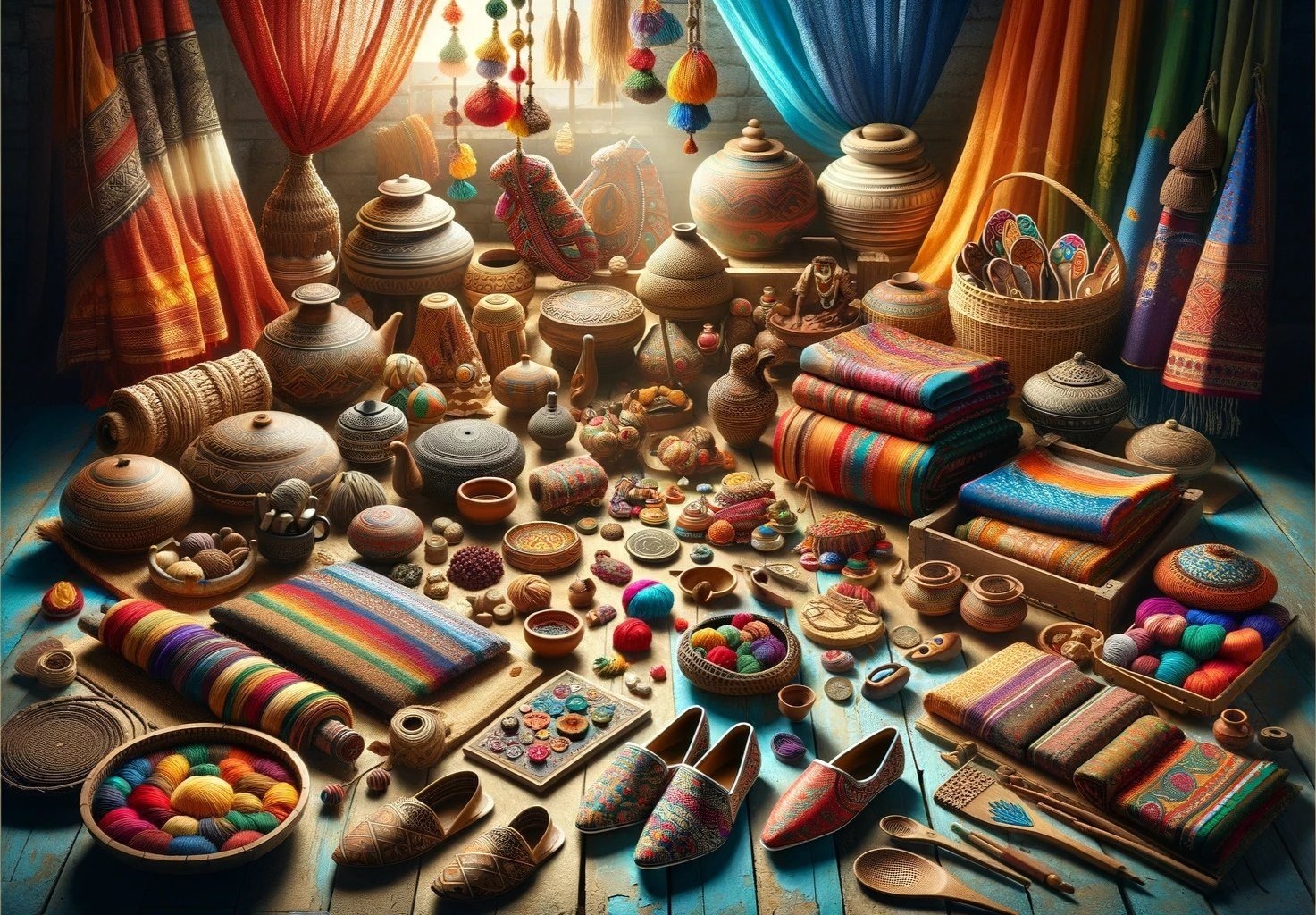
From ancient times, artistic expressions and handmade creations have played a central part in shaping how people understand the cultural nature of the Indian subcontinent. Generations have passed down customs through methods that include embroidery, pottery, sculpture, weaving, and painting.
These works are more than decoration or items for trade; they reflect belief systems, traditional practices, religious devotion, and community values. Every region of the country boasts a unique form of artistry that reflects local culture, which has remained strong through centuries of foreign influence, political rule, and economic change.
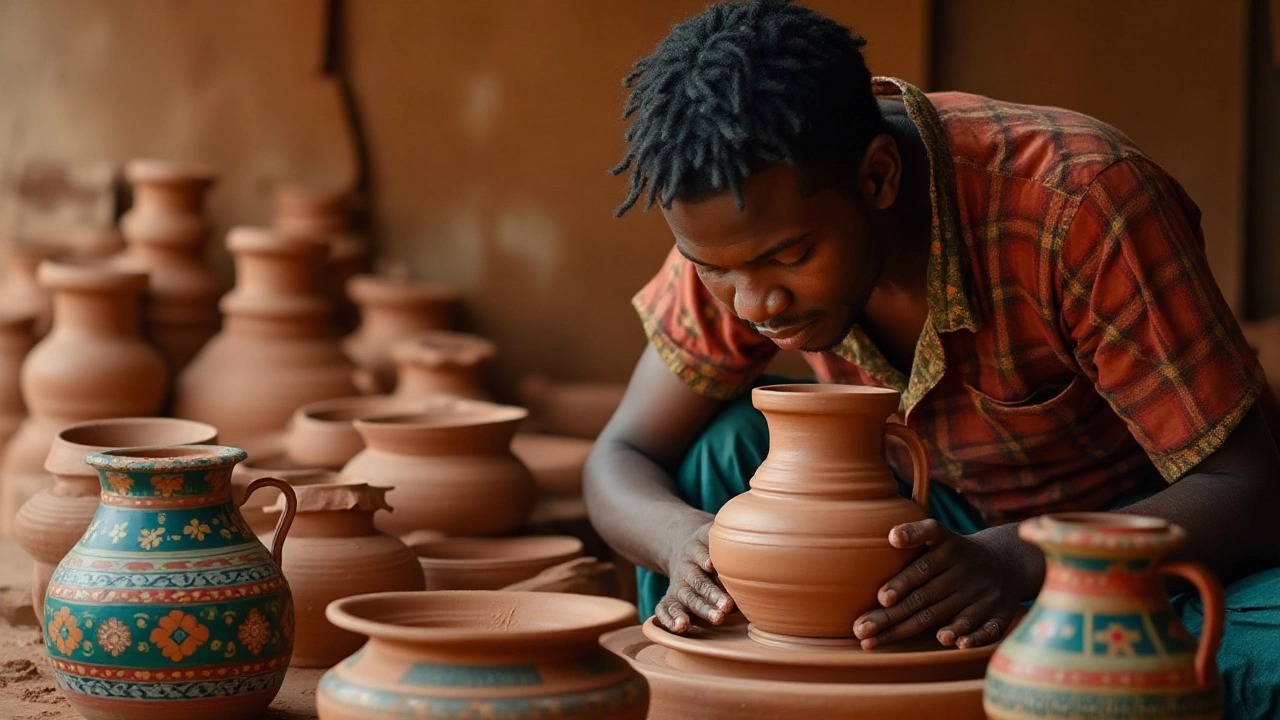
Each handcrafted piece echoes the spirit of its community (Photo: Alamy)
These artistic practices are not only about skill or beauty. They carry memories, beliefs, and identity. Whether it is the vibrant patterns on a saree woven in Varanasi or the intricate tribal paintings from Madhya Pradesh, each piece serves as a link between the past and the present.
Art and craft allow individuals and groups to maintain a distinct voice and preserve their place within a broader society that has often tried to enforce uniformity through colonial or global influences.
Cultural Expressions Rooted in Heritage
Various crafts form a strong foundation in different communities. Madhubani art, known for its bold lines and natural dyes, originates from the Mithila region and has remained part of religious and social practices for centuries.
Warli paintings from Maharashtra, simple in appearance, carry deep meaning and are used to mark rituals and daily life. Each artistic style is rooted in specific customs and serves purposes beyond decoration.
Textile craftsmanship stands out as another area where cultural heritage finds full expression. From the dyeing techniques of Bandhani in Gujarat to the needlework of Phulkari in Punjab, fabrics tell stories of local customs, climate conditions, and economic activity.
Certain designs are exclusive to particular social events, such as weddings or religious ceremonies, and are passed down through female members in families. Such traditions make textiles part of the social and emotional experience in everyday life.
Preservation Through Community and Generational Transfer
What makes these forms of art continue through time is how they are preserved within families and local groups. Artisans do not usually learn through formal schooling. Instead, skills are taught at home, with parents training children from an early age.
This way of learning does not just pass techniques but also teaches respect, patience, and a sense of belonging. It allows younger generations to feel a direct link with their ancestors and strengthens their connection to their roots.
Though some young people choose careers away from craft-based trades, others return with renewed interest. In certain places, workshops and community projects are helping to keep traditional methods alive by encouraging collaboration between elders and youth.
This exchange not only helps to preserve historical skills but also allows innovation in patterns, materials, and uses, making the art more relevant in modern times.
Influence of Religion and Spiritual Beliefs
Religious beliefs have strongly influenced the development of Indian crafts. Temples across the country have served as major centres for art. Sculptures and carvings found in places like Khajuraho or Mahabalipuram are full of symbolic meaning and reflect deep spiritual teachings. These artworks were never made only for decoration. They helped to instruct, guide, and remind followers about their faith.
Painting traditions such as Pattachitra from Odisha often show scenes from Hindu epics, and Tanjore paintings from Tamil Nadu use rich colours and gold foil to honour deities.
These forms serve as devotional objects and act as a form of silent prayer. Such works help communities to keep their religious beliefs strong through visual storytelling that goes beyond spoken language.
Influence of Politics and Economy
During colonial rule, several local crafts suffered neglect or were undervalued by foreign administrations. Traditional artisans were sometimes pushed aside to make way for imported goods.
However, these changes never completely erased local knowledge. Rather, they changed the position of Indian crafts in global trade and forced communities to adjust their techniques and marketing strategies.
In recent decades, a fresh interest in traditional Indian art has appeared both within the country and abroad. Government initiatives, private organisations, and cultural festivals now promote local crafts, helping artists to gain visibility and better income.
Some craftspeople have even formed cooperatives to protect their methods and ensure fair earnings. These efforts help to raise awareness about the importance of handmade goods and encourage appreciation beyond economic value.
Education, Design, and Urban Appreciation
Cities have started to pay more attention to handmade crafts through educational institutions and design collaborations. Universities and design schools now include courses that focus on traditional forms.
These efforts help younger generations understand the value of historical methods and how they can be adapted for present-day use. Designers often work closely with rural artisans to bring their work into fashion and interior decoration.
Urban markets are now filled with items that blend traditional art with modern function. Handmade lamps, printed fabrics, and ceramic tiles that draw inspiration from folk traditions now find their way into restaurants, homes, and offices.
This growing presence shows that there is space for artistic heritage in today’s society, especially when supported by thoughtful design and respectful collaboration.
Identity Through Regional Styles
Each area of India has its own visual language. The colourful wooden toys from Channapatna, the blue pottery of Jaipur, the delicate Zardozi embroidery of Lucknow, and the terracotta works from West Bengal all show how regional differences contribute to a broader cultural picture. These differences are not meant to divide but to express variety and richness.
Regional styles provide people with a clear understanding of where they come from. When someone wears a handloom saree or displays a carved wooden figure, they do more than show good taste.
They send a message about their background, family, and social belonging. In times when cultural identity often feels threatened by outside forces, these items become quiet but powerful statements.
Craft as Livelihood and Social Status
Craftsmanship provides many families with stable sources of income. Especially in rural places, whole villages depend on selling handwoven, hand-painted, or hand-carved goods. The sale of such work supports food, education, and home needs. This economic role has encouraged families to keep these traditions alive.
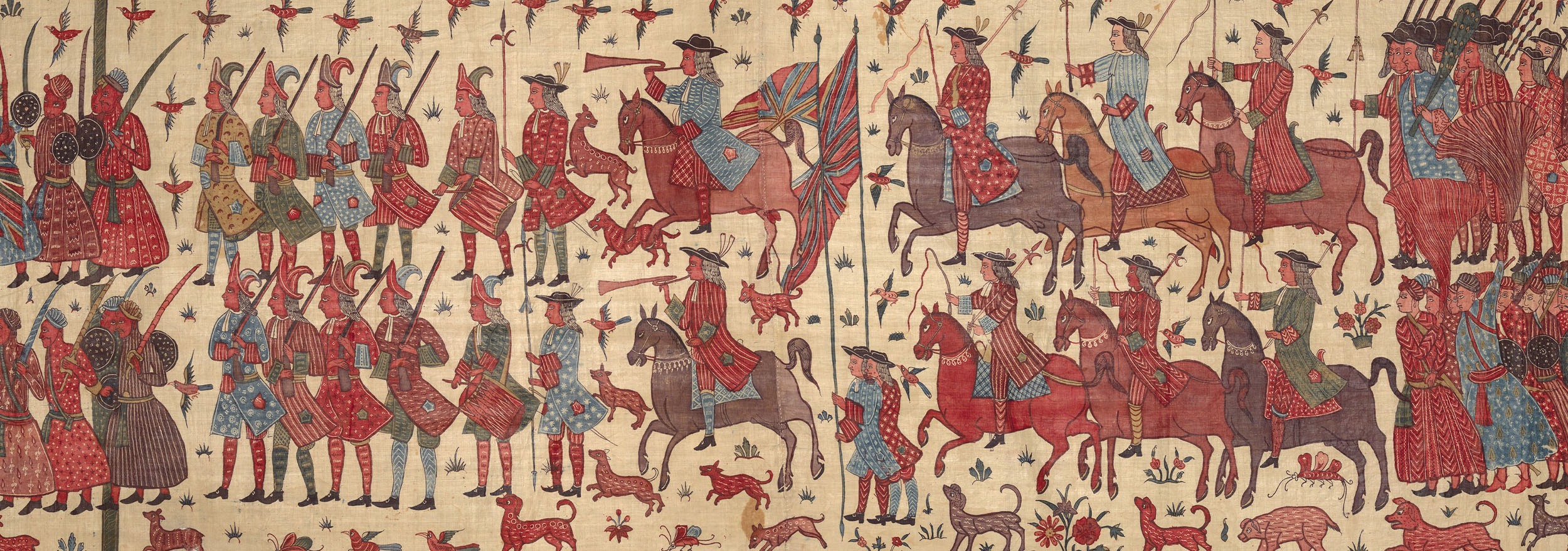
Tribal brushwork and bold lines that speak volumes (Photo: Twitter)
In addition, the quality of a person’s work can improve their social standing. A well-respected artisan may receive awards, be invited to public functions, or gain national attention. This recognition creates pride in one’s craft and motivates others to reach high standards of skill. Even in modest homes, artistry can create dignity and respect.
Global Influence and Changing Perceptions
As interest in sustainable living and handmade goods grows, Indian crafts have attracted global attention. Tourists often search for unique items that reflect deep culture, and online platforms have made it easier for artisans to sell their work outside the country. Many international designers have also drawn ideas from Indian methods, creating mutual exchange and increased value for original works.
However, global exposure brings both good and challenging effects. While it creates new markets, it also puts pressure on artists to produce faster or change traditional designs.
Balancing authenticity with demand remains an important concern for many communities. Despite this, many artists continue to hold fast to their traditions while adjusting to new ways of working.
Shaping Identity Across Generations
Young people often find their sense of identity strengthened through involvement in traditional crafts. By learning family methods or participating in craft festivals, they gain a stronger feeling of who they are. This involvement can help them carry their roots with pride even if they live in cities or travel abroad.
Efforts by schools, NGOs, and cultural events help to connect young people with local traditions. Storytelling sessions, craft competitions, and exhibitions give them practical ways to learn and appreciate the value of handmade work. Such exposure supports confidence and builds a deeper sense of belonging.
Art as a Form of Silent Resistance
When history brought attempts to erase or dominate native cultures, handmade art provided silent resistance. Crafts allowed people to continue expressing their beliefs and identity even when speech was restricted. Certain designs, colours, or motifs carried meanings understood within communities but hidden from those outside.
This quiet resistance remains relevant today. In a time where digital images and mass-produced goods often surround daily life, choosing to create or use handmade items becomes a decision with meaning. It helps people remain connected to their roots and values, even when things around them change quickly.