
For centuries, the bond between a teacher and a learner has held deep value in various traditions. The guru-shishya parampara, a system where wisdom is passed down from a master to a disciple, remains one of the oldest forms of learning and guidance.
Though rooted in ancient customs, this approach still holds relevance today. In modern society, where fast-paced lifestyles and digital distractions have taken over, many are starting to understand the unique benefits that come from a personal and focused style of mentorship.
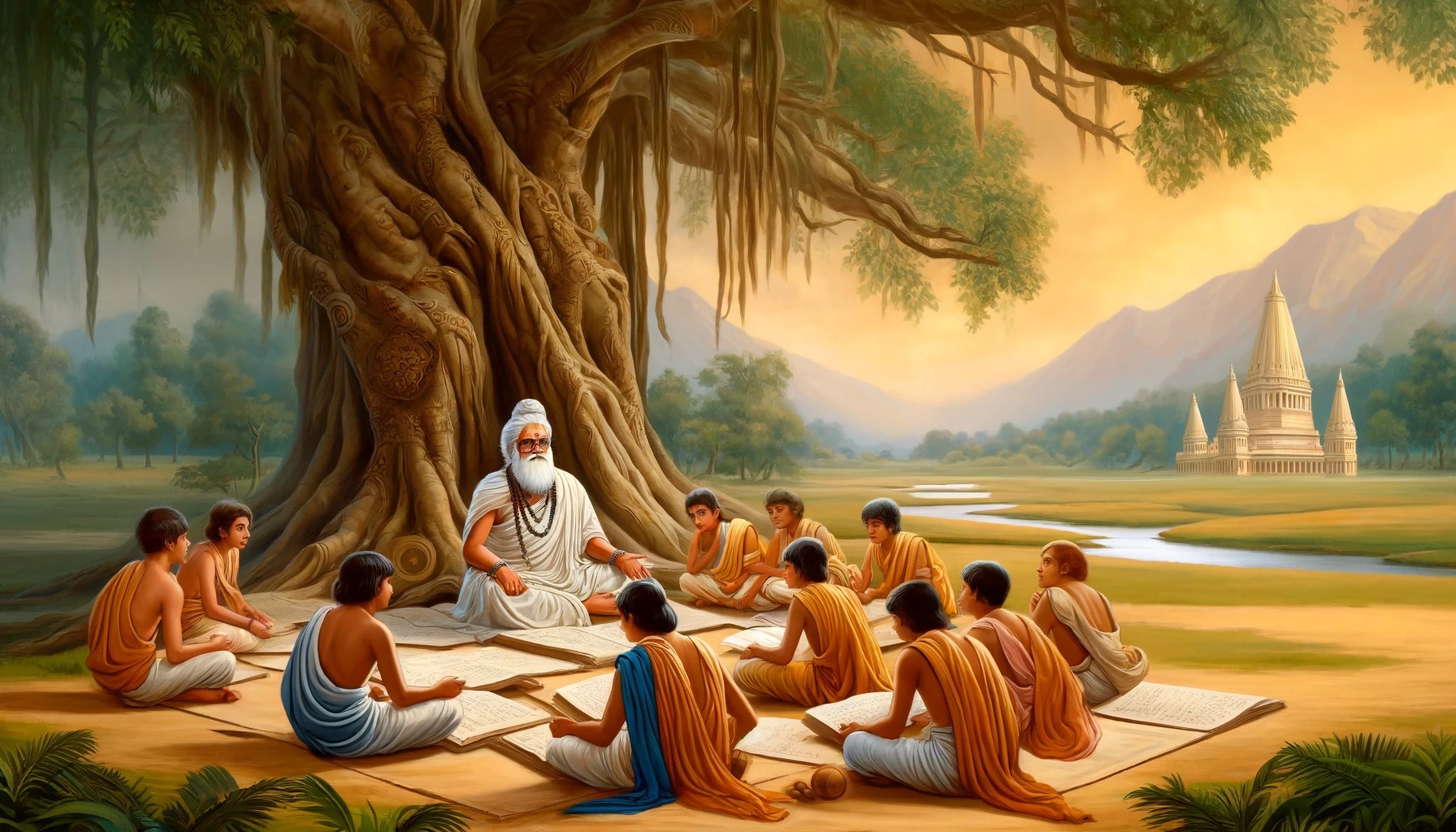
A quiet moment where learning becomes a shared journey (Photo: Twitter)
Instead of relying solely on structured classrooms or online learning modules, individuals now seek meaningful relationships that offer deeper understanding and personal growth. This traditional method creates a path for long-term development rather than short-term instruction.
People are gradually realising that education is not just about information but also about values, discipline and character. This is where the influence of a committed teacher or guide becomes vital. When individuals form a respectful and trusting relationship with a mentor, their growth becomes more balanced.
The teacher not only imparts knowledge but also serves as a role model, showing by example how to apply that knowledge with integrity and purpose. This kind of learning produces people who are more grounded and prepared to face life’s challenges with confidence and self-awareness.
While modern education often promotes competition, the guru-shishya tradition nurtures cooperation, patience and commitment. These values are sometimes missing in conventional academic environments.
So, as the world moves ahead, this ancient system finds new space in personal coaching, creative mentorship, professional guidance and spiritual practice.
Passing Down of Wisdom Beyond Books
One major reason why this tradition stands out is its ability to transmit knowledge in a manner that goes beyond written materials. In a typical academic environment, students rely heavily on textbooks, lectures and exams.
However, through this method, the exchange of knowledge occurs not only through spoken word but also through observation, repetition and shared experience.
The disciple learns how the teacher responds to various situations, handles difficulties and maintains discipline. This results in a type of learning that cannot be replaced by textbooks or technology.
Learning through lived experience offers insight into human behaviour, decision-making and emotional maturity. These are the kinds of lessons that learners carry for a lifetime.
For instance, a music student watching how their teacher prepares mentally before a performance gains more than just technical skill. They pick up habits of preparation, focus and emotional expression that stay with them far beyond the classroom or stage.
Encouragement of Personal Discipline
Another major benefit of the guru-shishya approach is the development of personal discipline. This method places great emphasis on respect, commitment and obedience.
Learners are expected to follow instructions sincerely and apply what they are taught in a consistent manner. The presence of a dedicated teacher acts as a guiding force that keeps the student focused and prevents them from becoming careless or distracted.
In many professional fields, success often depends on the ability to maintain discipline without external pressure. This traditional mentorship trains the learner to adopt such habits early on.
It teaches them to value time, follow routines, and accept feedback without resistance. Over time, this becomes second nature and helps individuals stay consistent in their work and personal responsibilities.
Building Character and Values
Modern academic systems usually prioritise the passing of information, often at the expense of building moral character. On the other hand, the guru-shishya system promotes a more balanced form of development where the teacher becomes a moral compass for the learner. Ethical guidance, emotional resilience and humility are taught side-by-side with subject matter.
The teacher leads by example. Learners observe how the guru carries themselves, speaks to others and deals with problems. These quiet lessons become part of the learner’s own behaviour.
In many ways, this form of mentorship turns education into a character-building experience. It helps people form strong values that shape their decision-making and relationships.
Strengthening Cultural Awareness and Identity
Through this relationship, learners also connect more deeply with their roots. In a time when many are disconnected from their culture or searching for identity, the guru-shishya bond provides access to traditional wisdom and practices that help people understand where they come from. This system supports the preservation of customs, art forms, language and traditional knowledge that are often overlooked in modern settings.
This connection brings a sense of pride, self-respect and confidence in one’s background. For those who feel unsure of their cultural place, learning under a teacher who carries that knowledge provides clarity and direction. It promotes cultural continuity and gives learners a sense of belonging that strengthens their self-image and emotional well-being.
Customised Learning and Attention
Unlike standardised classrooms where teachers manage large groups of students with limited time for each one, the guru-shishya model is more personal. The teacher understands the learner’s unique strengths, weaknesses and learning style.
Because of this close relationship, they can tailor their methods to suit the individual. This helps the learner grasp concepts more deeply and correct errors more quickly.
In this kind of setting, no student is left behind. The pace of learning is flexible, based on the learner’s ability to absorb and apply knowledge. There is no pressure to compete with others or meet uniform deadlines. This results in a more confident and capable individual, ready to apply their skills effectively.
Fostering Emotional Maturity
The close nature of the guru-shishya bond creates a space where the learner feels safe to express doubts, fears and struggles. This emotional support is important in shaping mature individuals. The teacher acts as a guide who provides encouragement when the learner faces challenges, helping them build mental strength.

The strength of tradition guiding the minds of tomorrow (Photo: Getty Images)
Over time, learners grow more independent and become better at handling pressure and making thoughtful decisions. This kind of emotional growth cannot be measured through grades or performance but is just as important for personal and professional success. Having a mentor who listens, corrects gently and motivates sincerely builds trust and long-term confidence.
Encouragement of Lifelong Relationships
One of the most special outcomes of this approach is the lasting bond that often continues well beyond the learning years. Unlike formal classrooms where relationships usually end after a course or semester, the connection between a guru and a shishya often becomes lifelong. The teacher remains a source of advice, support and direction even after the student has achieved success.
This ongoing guidance proves useful at different stages of life. Whether in professional challenges or personal dilemmas, many find strength in returning to their teacher for advice. These lasting relationships offer a strong foundation that continues to guide learners through changing circumstances and responsibilities.
Application in Contemporary Settings
Today, this traditional form of mentorship can be seen in many areas, even outside spiritual or classical fields. From art and sports to business and wellness, people are recognising the power of one-on-one guidance.
Personal trainers, career coaches, life mentors and artistic directors now play roles similar to that of the guru. They offer individual attention and encourage meaningful progress.
The demand for authentic connection and long-term guidance is rising. In a society filled with distractions, people now seek depth over speed. This change shows that the guru-shishya parampara is not outdated but rather has adapted to current times in new ways. It reflects the continuing value of personal growth, integrity and connection that people still long for today.
This ancient structure teaches us that real learning is never rushed. It takes patience, humility and trust in the process. And even in an age where information is easy to access, the wisdom of a teacher who knows you well remains unmatched. As modern life becomes more uncertain, the role of a guiding hand becomes more precious than ever.