Weddings across various cultures often reflect deeply rooted customs, but few compare in splendour and emotional depth to what is witnessed when two individuals are joined in matrimony through Indian traditions.
The ceremonies extend beyond a single day, often taking place across multiple days with several events, each carrying its own unique purpose. Families on both sides come together, forging bonds that transcend the couple.
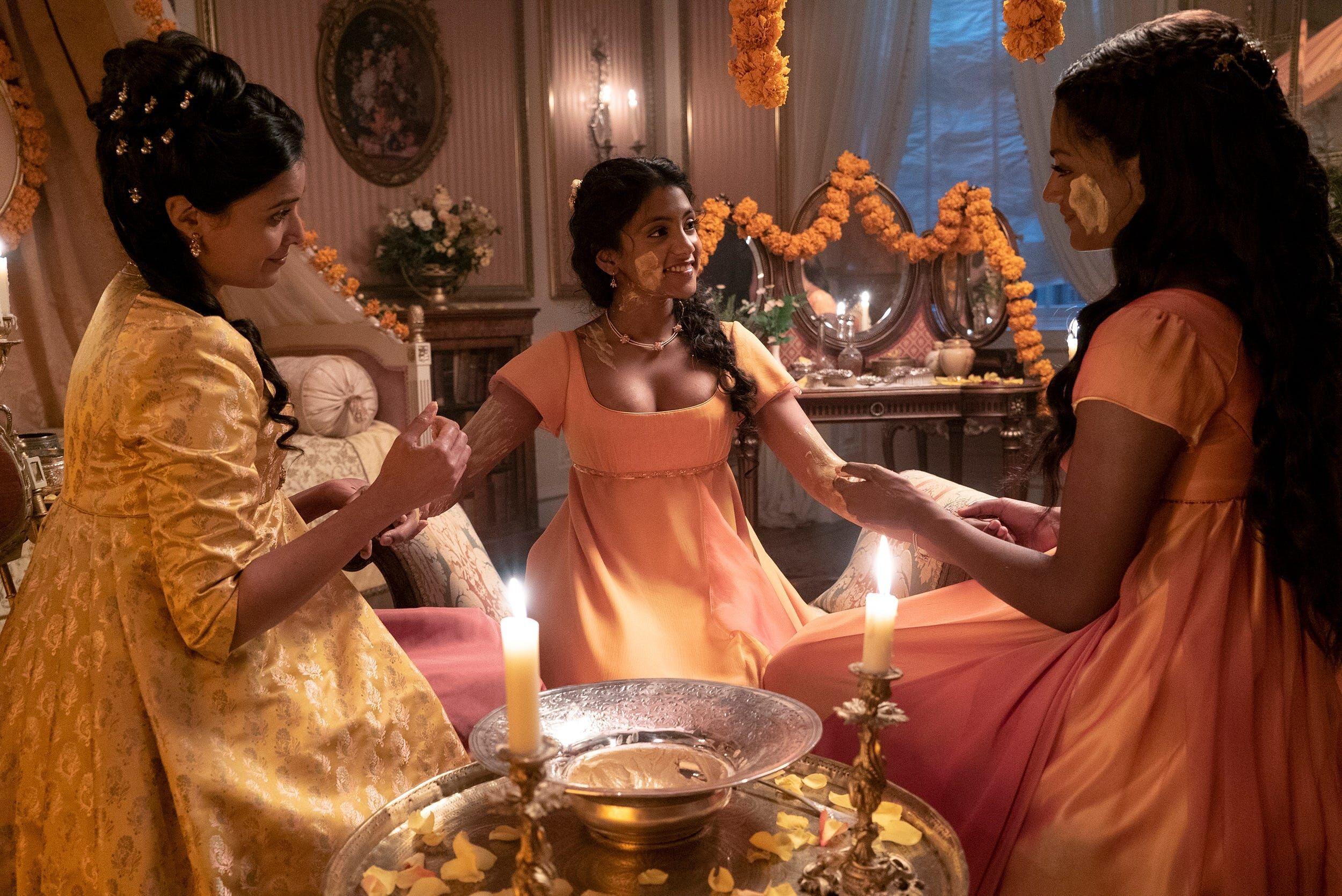
Traditions woven with color music and sacred meaning (Photo: Getty Images)
This type of marriage celebration carries strong expectations, infused with rituals, colours, music, and spiritual practices that express values passed down through generations.
Indian weddings are usually elaborate, both in terms of planning and presentation. Every ceremony, no matter how small, is treated with gravity and reverence. From the moment a marriage is proposed and approved by families, preparations commence almost immediately.
The clothing, location, guest list, catering, and religious rites are all meticulously arranged. Relatives fly in from different countries, and long-time family friends gather from various parts of the country. This celebration is rarely just for the bride and groom, but also a social gathering that cements relationships among extended family members.
During this period, houses are decorated with flowers, fabric, and lights. Invitations are printed with intricate designs and traditional motifs, reflecting the high regard placed on each guest’s presence.
Conversations are filled with discussions about fabrics, jewellery, family obligations, and cultural customs. A sense of responsibility sits with every participant, especially elders, who guide the younger ones to uphold what has been handed down from the past.
Rituals and Religious Elements
Each community within India conducts its wedding ceremonies according to religious teachings and ancestral guidance. Hindu weddings include various steps such as the Haldi, Mehndi, Sangeet, and the wedding ceremony itself, which is performed before a sacred fire with mantras chanted by a priest.
The fire represents purity and is considered a witness to the vows being exchanged. Sikh weddings usually take place in a Gurdwara, where the couple walks around the Guru Granth Sahib in a ceremony known as the Anand Karaj. Muslim weddings, or Nikahs, are solemnised by a cleric who leads the couple through a reading of the Qur’an and recitation of vows.
Christian weddings often involve hymns, prayers, and a church ceremony, where rings are exchanged in front of family, friends, and clergy. Each religious custom is respected in its own way, forming an integral part of the entire event. Families go to great lengths to ensure that traditions are honoured properly, with rituals that are guided by spiritual leaders or older family members.
These ceremonies are deeply spiritual and require considerable attention to detail. The exact timing of the wedding, for instance, may depend on astrology or religious calendars.
The positions of stars and planets are often consulted to determine the most favourable time for the union. While this may appear unusual to outsiders, it reflects the deep-rooted belief that marriages are sacred and must begin with blessings from the divine.
Traditional Clothing and Ornamentation
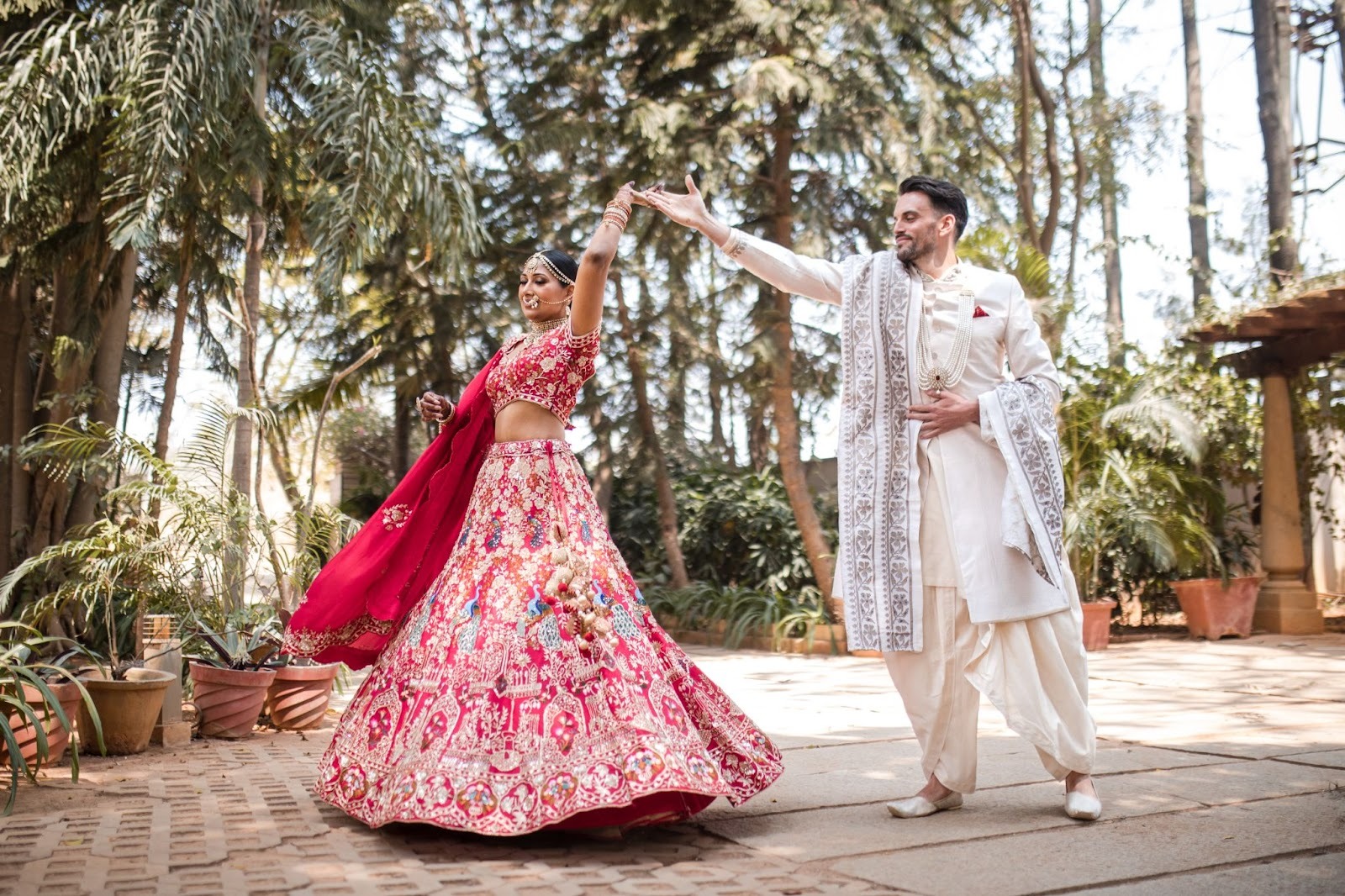
The clothing worn by the bride and groom holds cultural value that goes beyond fashion. Brides often wear sarees or lehengas in bright shades of red, gold, maroon, or pink, decorated with embroidery, sequins, or beadwork.
These outfits are usually passed down through family or custom-made for the occasion. The groom, too, is often dressed in sherwanis or kurtas made of silk or brocade, paired with a turban that represents pride and responsibility.
Jewellery also plays a vital role in Indian weddings. Brides are adorned with bangles, necklaces, nose rings, anklets, and headpieces made from gold, diamonds, or other precious stones.
These are often gifts from parents or in-laws, and they symbolise blessings for wealth, fertility, and marital harmony. The groom might wear rings, chains, and traditional ornaments that reflect his family’s social standing.
These attires are not selected on a whim. Every piece is chosen carefully to honour family heritage and aesthetic customs. Some families may even consult stylists or designers who specialise in wedding garments. The goal is to achieve a look that pays respect to family tradition while still showcasing personal taste.
Music, Dance, and Entertainment
The role of music and dance cannot be overlooked in Indian weddings. From traditional folk songs sung during the Mehndi and Haldi events to modern dance numbers at the Sangeet, music forms the heartbeat of these celebrations. Different regions have their own styles of music and instruments, adding to the diversity found within these events.
The Sangeet, in particular, is a vibrant affair where family members prepare choreographed dances to entertain guests. It becomes a night of joy, laughter, and shared memories.
Elderly relatives may join in with folk songs, while the younger ones take the stage with more upbeat performances. This event strengthens bonds across generations, blending traditional and contemporary entertainment.
Even during the main wedding ceremony, background music played by live bands or recorded tracks helps set the emotional tone. Each song, whether devotional or celebratory, carries purpose and meaning. Musicians are sometimes invited to perform specific hymns, ragas, or Bollywood songs that hold sentimental value for the couple or their families.
Food and Culinary Traditions
Guests at Indian weddings look forward to the culinary offerings as much as they do the ceremonies. Food is prepared on a large scale, and no detail is left to chance. Caterers are selected carefully, and menus are planned to include both regional and international dishes.
While vegetarian food is common in many Hindu weddings, other traditions may include meat and seafood, depending on personal or regional preferences.
The food is often served buffet-style, although in certain communities, guests may be seated and served by staff. Desserts are particularly cherished, with items such as gulab jamun, jalebi, rasmalai, and laddoos presented in colourful trays. Beverages range from traditional drinks like lassi and masala chai to imported wines and cocktails.
Food preparation may start days before the event, involving relatives and professionals working together in harmony. Kitchen areas are set up close to the venue, and chefs are often hired based on their expertise in specific regional dishes. The variety of food on display reflects hospitality, generosity, and care for each guest’s experience.
Social and Family Expectations
Indian weddings are seen as more than a personal commitment between two people. They represent the unity of families, involving discussions, planning, and coordination from both sides.
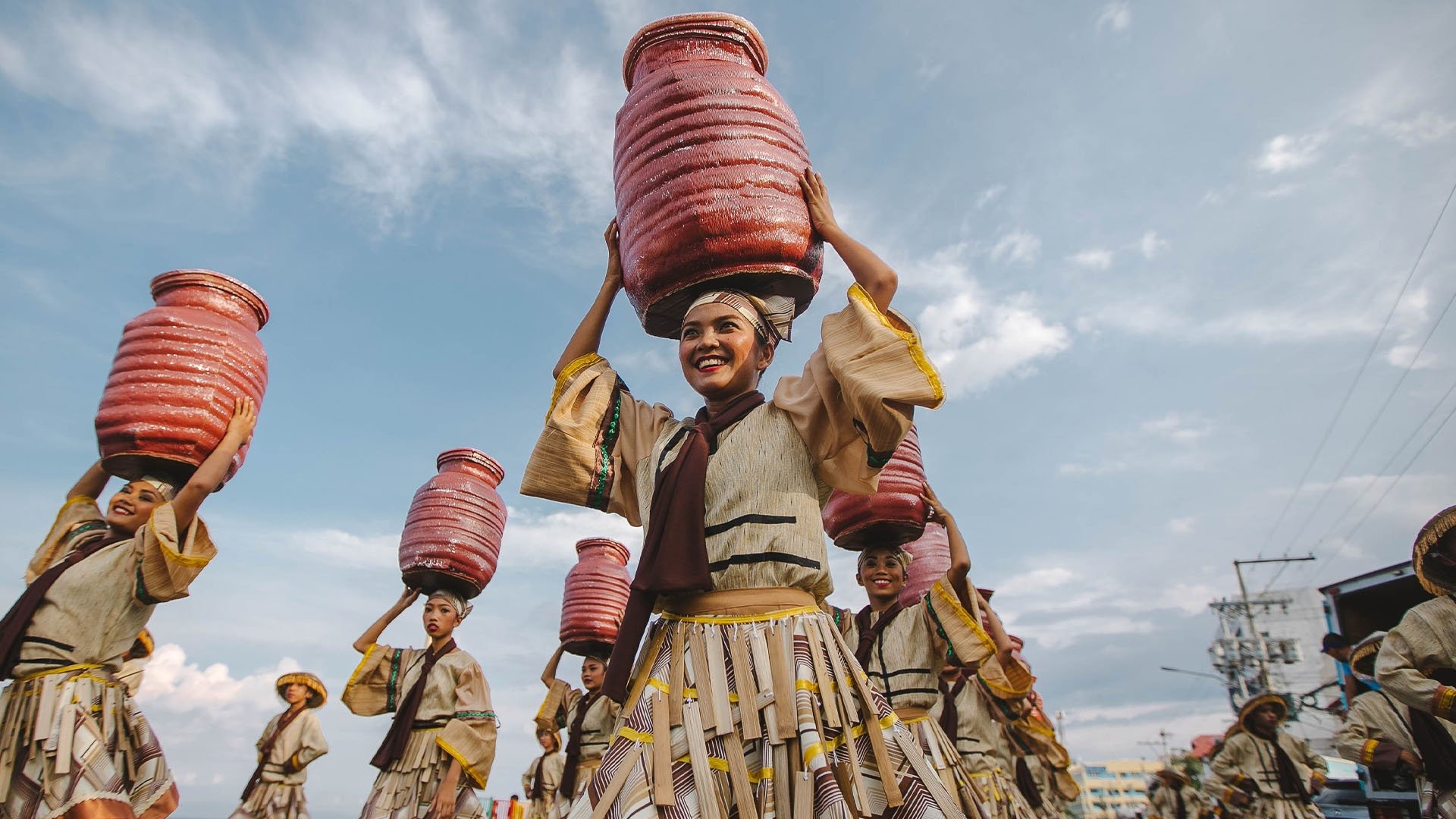
More than a union it’s a gathering of hearts and heritage (Photo: Twitter)
The parents, siblings, and even distant relatives are included in decision-making. It is not uncommon for elders to suggest rituals, handle arrangements, or settle any disagreements that arise during planning.
The bride and groom are expected to show respect to all elders, maintain a calm demeanour throughout the rituals, and follow instructions from religious leaders. Guests are also expected to dress appropriately, arrive on time, and behave respectfully. These weddings are occasions that require the community to act in harmony, following social etiquette that has been handed down for generations.
Marriage is also seen as a lifelong journey that involves responsibility, patience, and devotion. Therefore, wedding ceremonies are intended to reflect this seriousness through their length, structure, and content. The blessings received from elders and community leaders are treated with deep respect, as they are believed to influence the marriage for years to come.
Economic and Cultural Impact
The financial aspect of Indian weddings cannot be ignored. Families often spend large sums of money to ensure that every detail is perfect. While some see this as a matter of status, others believe it is a way of showing gratitude and love for the family and guests. From venue rentals and jewellery to photography, clothing, transportation, and gifts, the expenses can add up quickly.
However, this spending also boosts many sectors of the economy. Designers, caterers, florists, tailors, musicians, decorators, and many others find steady work through the wedding season. Artisans who create handmade items like embroidered garments or gold ornaments benefit from the demand created by these large-scale events.
Culturally, weddings also keep many traditions alive. From folk dances and local cuisines to ancestral blessings and spiritual rites, these celebrations offer younger generations a direct connection to their heritage. They also help promote unity among extended family members and maintain customs that might otherwise fade over time.
Indian weddings are more than festive occasions. They carry the weight of responsibility, spiritual meaning, and social order. The length, detail, and involvement required in organising such a celebration are reflections of values that are both personal and communal.
From the rituals and clothing to the food and music, each element represents devotion, respect, and joy shared among many. These weddings are a blend of beauty and duty, made complete by generations of effort and shared understanding.