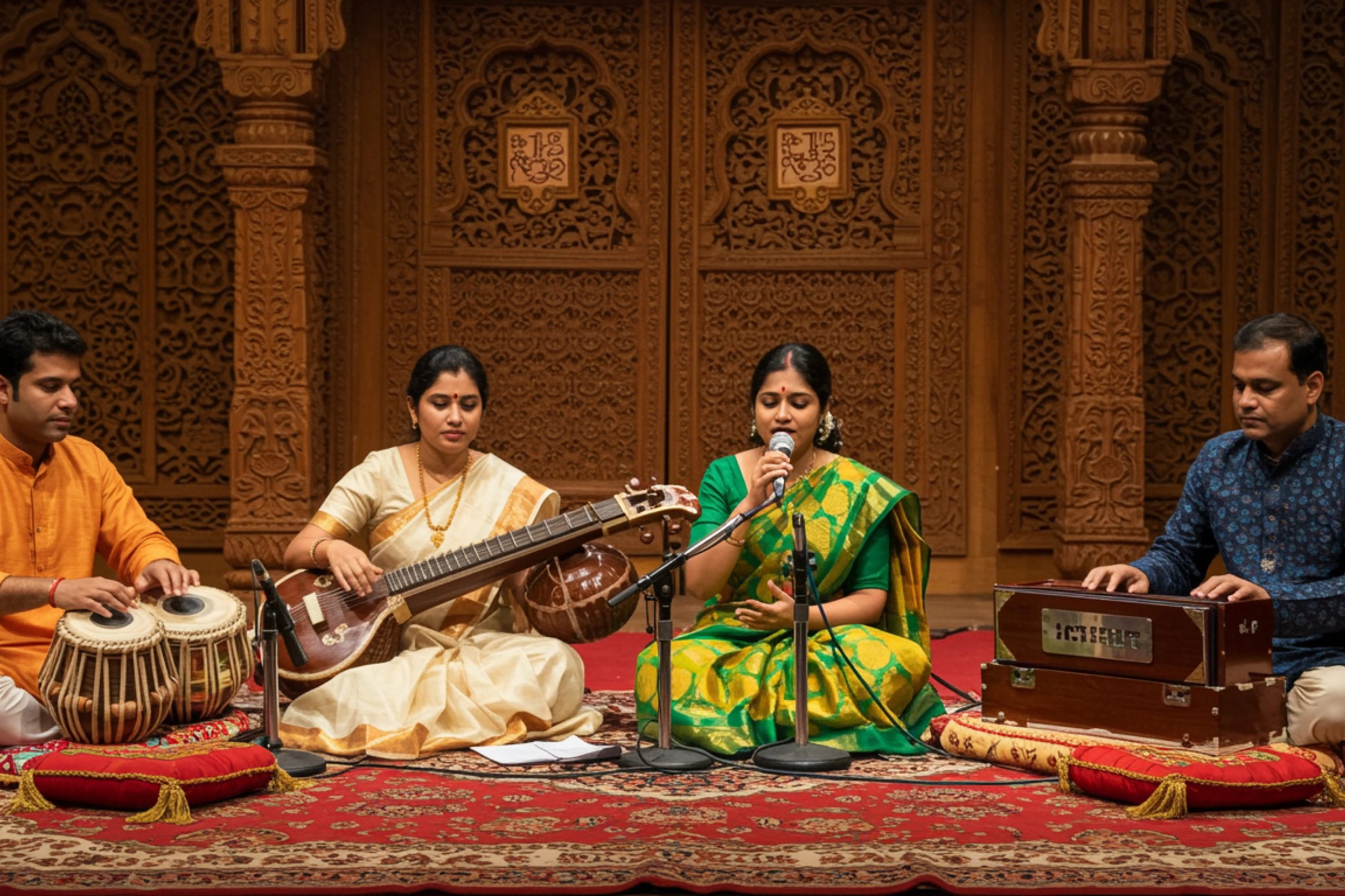
Traditional music from the South Asian subcontinent has remained a cultural treasure with deep historical roots and a spiritual depth that has influenced many generations.
For centuries, this style of music has continued to stand firm as a living tradition, passed from teacher to student through rigorous training and emotional connection. The style, deeply rooted in devotion and discipline, speaks directly to the heart and connects people to emotions beyond the reach of ordinary speech.
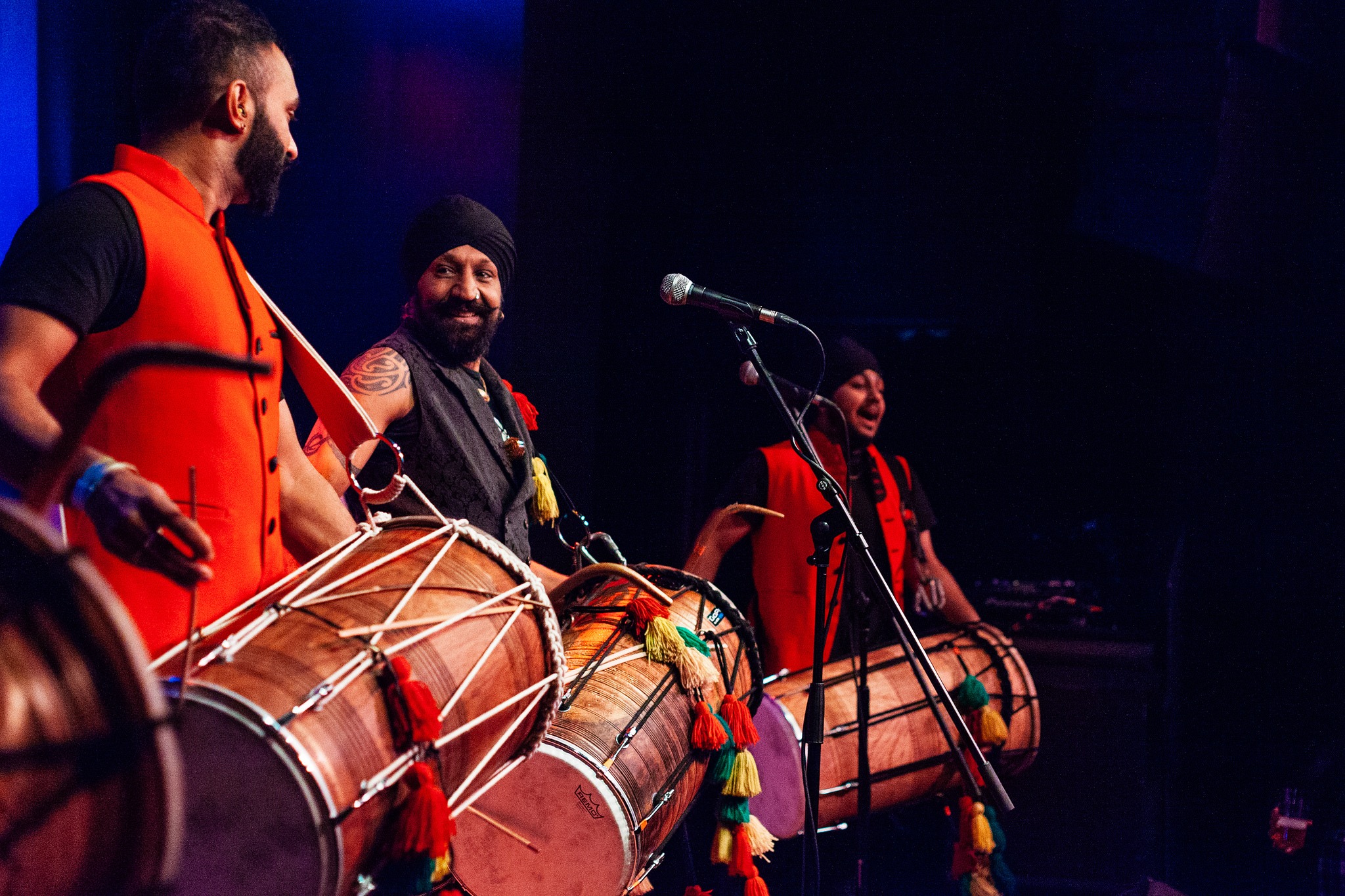
A timeless harmony that flows from soul to sound (Photo: Twitter)
Many listeners have testified to the emotional strength and inner peace this form of music brings. Whether performed on grand stages or within quiet temple courtyards, its value remains strong, influencing both local and foreign audiences with its expressive power.
At the centre of this musical tradition lies a structured system built on the concepts of raga and tala. These two elements form the base for every composition and improvisation within Indian classical music. Raga, which defines the melodic aspect, is much more than a scale.
It carries a mood, a time of day, and an emotional tone that musicians aim to express. Tala, which governs rhythm, brings a mathematical discipline that gives each piece its shape. When combined, they provide a structure that allows musicians both freedom and order in their creative expression.
Core Principles and Structure of Indian Classical Music
The method of training within this tradition demands patience and close attention to detail. Musicians often begin their journey at an early age, usually under the guidance of a guru. This one-on-one relationship between teacher and student is central to how knowledge is passed down.
Through this method, known as the guru-shishya parampara, students learn to listen deeply, to reproduce exact musical phrases, and to gradually develop their own style over years of steady practice. The process is slow but intentional, requiring total dedication and mental presence.
There are two main branches of this musical tradition: Hindustani and Carnatic. The Hindustani style, which developed in the northern regions, includes influences from Persian and Islamic cultures due to centuries of interaction with Central Asia.
Carnatic music, rooted in the southern parts of the subcontinent, remains more focused on devotional themes and is tightly connected to temple rituals and religious performances. Though they differ in approach, both styles maintain the same foundation of raga and tala, and both value deep emotional expression and technical skill.
Instruments That Support Expression
Musicians use a wide range of instruments to bring their ideas to life. Each one plays a specific role in shaping the sound and feel of a performance.
In Hindustani music, the sitar and sarod are often used for melodic lines, while the tabla manages rhythm with its sharp and rich tones. The tanpura, which provides a continuous drone, helps maintain the tonal centre and creates a steady background that allows the other instruments to shine.
In Carnatic performances, the veena is a prominent melodic instrument, and the mridangam takes the central rhythmic role. The violin, though originally a Western instrument, has been fully adapted into the Carnatic tradition and is now commonly used.
Its ability to glide between notes mirrors the vocal style and brings an added depth to the performance. These instruments, in the hands of skilled performers, become tools of storytelling and spiritual reflection.
Emotional Impact and Healing Qualities
Many have described the effect of Indian classical music as deeply soothing and meditative. Each raga is designed to bring out a certain feeling or mood, whether it is joy, sorrow, longing, or peace.
Because of this, the music often serves as a form of emotional release for both the performer and the listener. Those who experience live performances often speak of a kind of emotional cleansing that happens through the careful arrangement of melody and rhythm.
The calming quality of this music has also drawn interest from those working in the area of mental health and wellness. Therapists have begun using ragas in various treatments to help reduce stress and anxiety.
There is growing evidence that listening to certain ragas at specific times of the day can help regulate emotions and improve focus. This connection between music and healing is not new; in fact, ancient texts already spoke of sound as a tool for balance and wellbeing.
Spiritual and Religious Influence
Spiritual devotion remains at the heart of many compositions within this tradition. A large portion of Carnatic music, in particular, draws from religious texts and is used as a form of offering to the divine.
Composers such as Tyagaraja, Muthuswami Dikshitar, and Syama Sastri created works that are still performed today in temples and concert halls. Their songs do not only express musical beauty but also carry deep theological meaning, acting as prayers set to melody.
In Hindustani music, while there is more room for secular themes, many compositions still reflect the spiritual traditions of the region. The performance of a raga is often seen as a kind of meditation, where the artist attempts to connect with a higher reality through sound. This spiritual aspect draws many modern musicians and listeners, who seek more than just entertainment. The music becomes a space for reflection and inner calm.
Global Reach and Cultural Exchange
Although it has deep roots in the Indian subcontinent, Indian classical music has gained appreciation far beyond its place of origin. Many Western musicians have found inspiration in the structure and emotion of this tradition.
Collaborations between Indian artists and international performers have resulted in new forms of expression that respect the old ways while creating new experiences. This global engagement has helped introduce Indian classical music to wider audiences, especially through festivals, recordings, and academic programs around the world.
Several universities across North America and Europe now offer formal training in this musical tradition. Students from different backgrounds enrol to study the technical skills as well as the philosophical ideas that guide the music. These efforts have allowed the tradition to continue growing while still staying true to its original character.
Role of Improvisation and Live Performance
One of the unique qualities of Indian classical music is the central role played by improvisation. Although the raga and tala provide a base, the artist is expected to shape the performance in real time based on mood, audience reaction, and personal inspiration. This makes every live performance unique, even when the same raga is used.
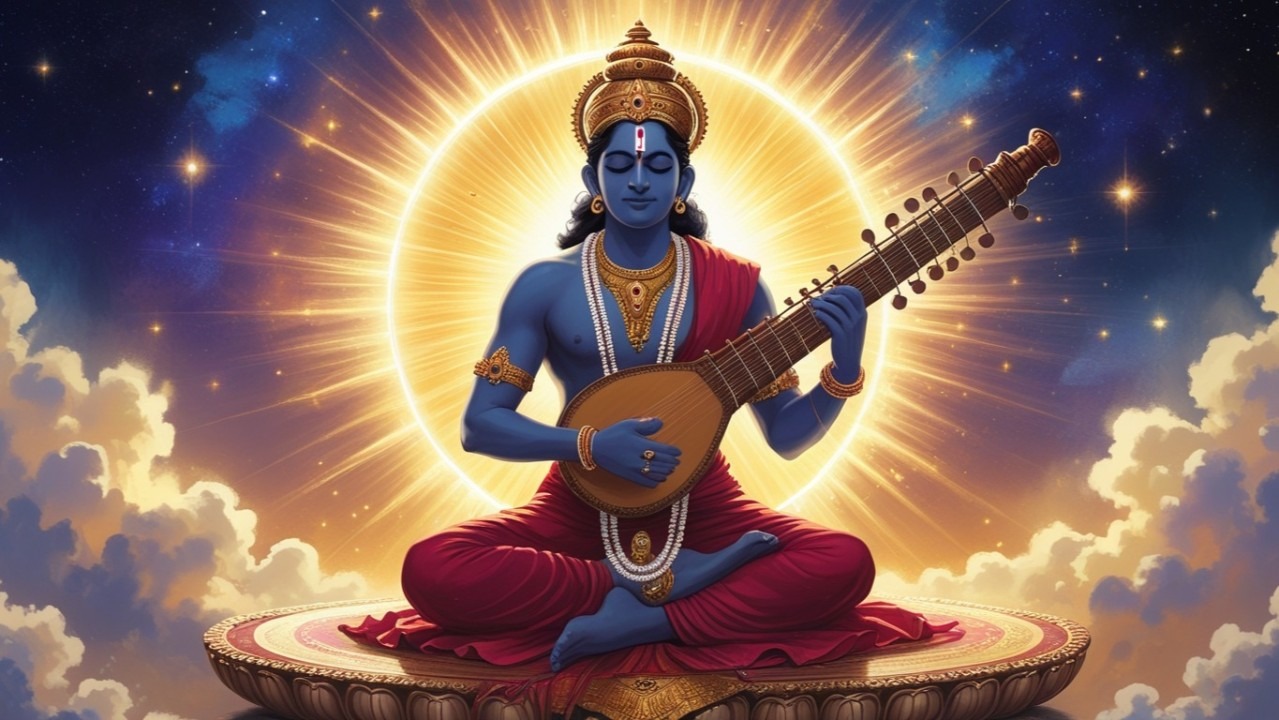
When every note becomes a pathway to inner peace (Photo: Getty Images)
The improvisational approach keeps the tradition fresh and relevant, as musicians are encouraged to bring their own voice to the art. This also places a high level of responsibility on the artist to master the technical rules before breaking them in meaningful ways. The balance between discipline and creativity is what keeps the tradition alive and evolving through each generation.
Preservation Through Modern Technology
In the past, students had to rely entirely on face-to-face training to learn the music. But in today’s digital age, access to recordings, video lessons, and virtual classes has made it easier for learners across the globe to study this tradition. While some purists may prefer the older method, many agree that technology has helped keep the music alive and available to anyone interested.
YouTube channels, podcasts, and music streaming platforms now feature recordings of legendary artists as well as young talents. These digital tools have allowed the tradition to reach people who might otherwise never hear a raga or learn about tala.
This expansion does not take away from the quality of the music but rather ensures that it continues to inspire listeners and students for years to come.
Lasting Influence and Cultural Identity
Indian classical music has maintained its place as a major form of expression that connects history, culture, and spirituality. From temple rituals to international concert stages, the music remains a strong reminder of artistic excellence and deep emotional power. It stands as proof of what can happen when tradition and discipline meet imagination and feeling.
Even as the world continues to change, the commitment of artists and teachers to keep this form of music strong has never faded. Whether performed in its purest traditional form or in combination with other styles, its depth and structure remain clear. Through every note and rhythm, it continues to speak across cultures, offering a sound that many still turn to for comfort, reflection, and joy.